In the modern pet care landscape, the "humanization" of animals has transformed a once-utilitarian industry into a multi-billion-dollar juggernaut driven by gourmet aesthetics and convenience. However, a growing rift exists between the marketing imagery of "Bistro-style" meals and the regulatory reality of what actually goes into the bowl. Recent investigations into leading brands like Sheba and Cesar—both owned by the global conglomerate Mars Petcare—reveal a startling discrepancy: pet owners are often paying premium prices for "feed grade" products that mimic human food but do not meet human-grade safety or quality standards. Furthermore, the drive for "perfect portions" is creating an unprecedented environmental footprint, with single-pet households potentially discarding thousands of plastic containers annually.
Main Facts: The Human-Grade Illusion
The pet food industry is bifurcated into two legal categories: Human Grade and Feed Grade. This distinction is not merely semantic; it is a matter of federal and state regulation that dictates every step of the supply chain, from ingredient sourcing to the cleanliness of the manufacturing facility.
Human Grade pet foods are subject to the same rigorous standards as the food found in grocery store aisles. They must consist entirely of ingredients legally classified as "edible" for humans and be processed, packaged, and stored in facilities licensed for human food production.
Feed Grade pet foods, by contrast, are legally permitted to include ingredients that have been deemed "inedible" for human consumption. This category can include "3D" or "4D" meats (derived from animals that were dead, dying, diseased, or disabled before reaching the slaughterhouse) and by-products that would never be allowed in the human food supply. Crucially, pet food manufacturers are not required to disclose the quality of their feed-grade ingredients to the consumer.
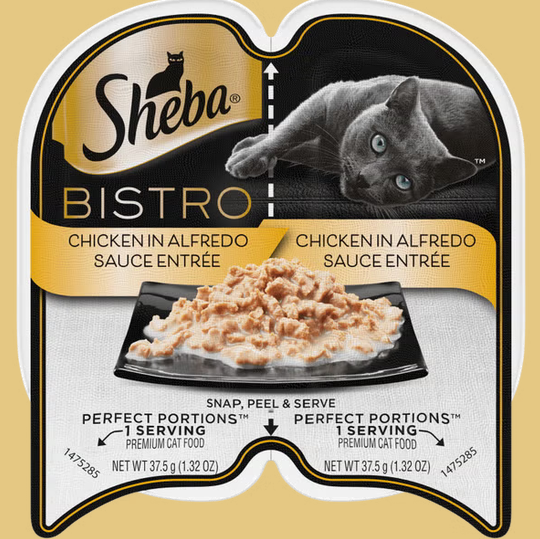
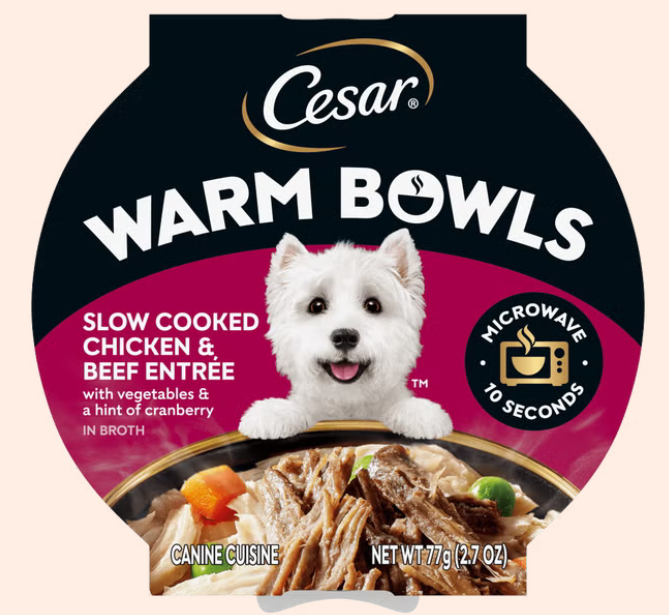
The controversy arises when feed-grade products use marketing cues—such as images of fresh vegetables, "Alfredo sauce" descriptors, and microwaveable "Warm Bowls"—to create an illusion of human-grade quality. Brands like Sheba and Cesar utilize these sensory triggers to command prices that, when calculated on a per-serving basis, often exceed the cost of genuine human-grade alternatives.
Chronology: The Rise of "Perfect Portions" and Lifestyle Marketing
The evolution of pet food marketing has moved from the "kibble in a bag" era of the 20th century to the "lifestyle integration" era of the 21st.
- The Shift to Wet Food (2010s): As pet owners became more concerned about hydration and feline kidney health, wet food gained market share. Brands began focusing on "freshness," leading to the development of smaller, single-serve containers.
- The Introduction of Sheba "Perfect Portions" (Mid-2010s): Mars Petcare launched the Sheba "twin-pack" design. The marketing emphasized "no leftovers" and "freshness at every meal," targeting the urban pet owner with limited space and a desire for convenience.
- The "Humanization" Peak (2020–Present): Products like "Cesar Warm Bowls" and Sheba "Bistro Chicken Alfredo" hit the market. These products use culinary language once reserved for high-end restaurants. The packaging—plastic trays and bowls—is designed to look like "heat-and-eat" human meals, further blurring the line between pet feed and human food.
- The Economic Realignment: As inflation rose, the price of these "convenience" portions surged. What began as an affordable luxury for pet owners has transitioned into a significant daily expense that often goes unnoticed due to the low price of individual units.
Supporting Data: The True Cost of Convenience
To understand the economic impact on the consumer, one must look past the $0.60 or $2.80 price tag of a single tray and calculate the daily and annual requirements for a standard pet.
Case Study 1: Sheba Perfect Portions (Cat)
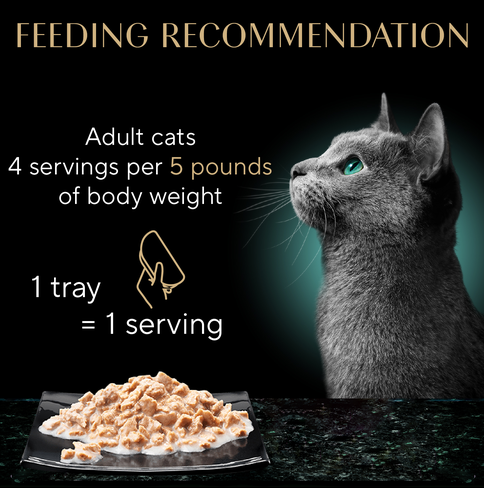
For a standard 10-pound adult cat, the feeding instructions for Sheba Perfect Portions are revealing. To meet the caloric requirements of a cat this size, the manufacturer recommends approximately eight individual servings (trays) per day.
- Individual Tray Cost (Autoship): ~$0.60
- Daily Requirement: 8 trays
- Daily Cost: $4.80
- Annual Cost: $1,752.00
- Annual Plastic Waste: 2,920 individual plastic trays
For $4.80 a day, many human-grade, fresh-frozen pet food delivery services offer nutrient-dense meals that arrive in bulk packaging, often costing significantly less than this feed-grade "convenience" option.
Case Study 2: Cesar Warm Bowls (Dog)
The disparity is even more pronounced in the canine market. Cesar Warm Bowls, marketed as a comforting, "microwavable" meal, carry a premium price point for a feed-grade product.
- Individual Bowl Cost (Autoship): ~$2.84
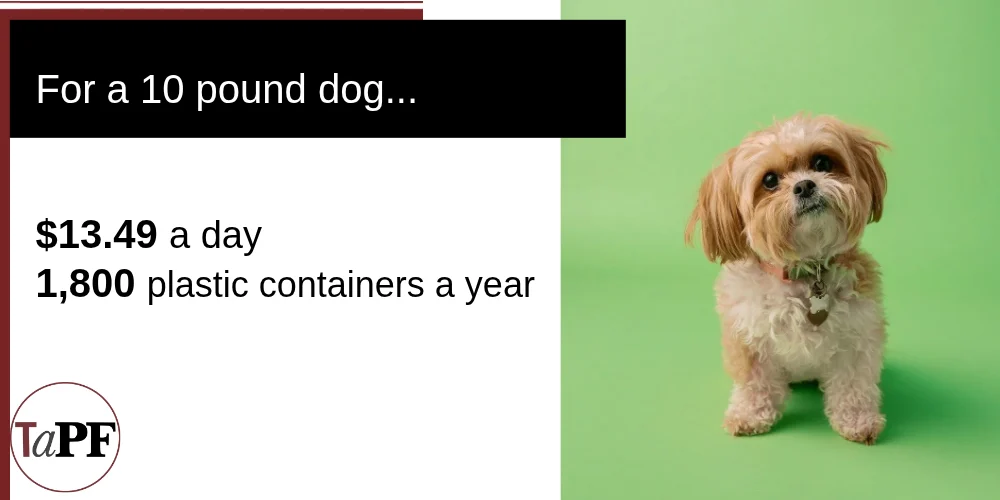
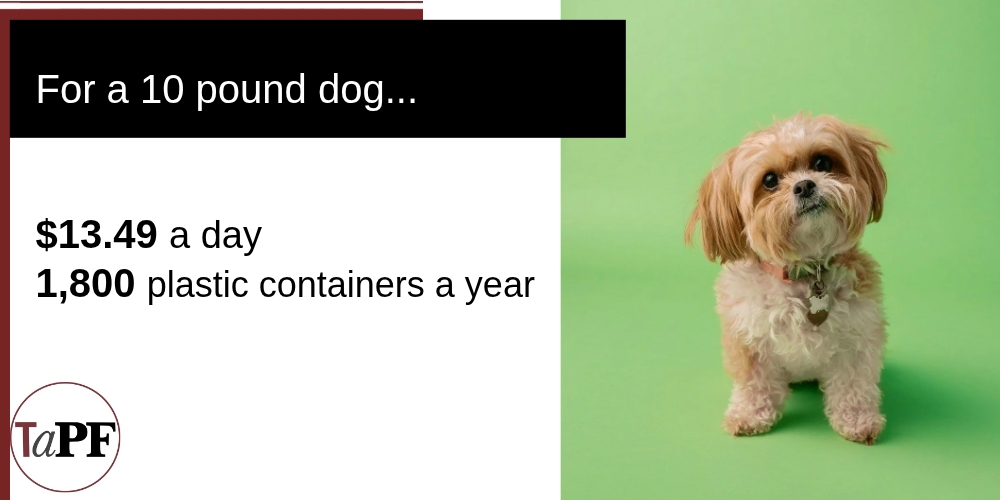
- Daily Requirement for a 10lb Dog: 4.75 bowls (effectively 5 bowls)
- Daily Cost: $13.49
- Annual Cost: $4,923.85
- Annual Plastic Waste: 1,825 individual plastic bowls
At nearly $5,000 a year to feed a small 10-pound dog, the consumer is paying a price that rivals high-end organic human diets, yet they are purchasing a product that—by its "feed grade" classification—offers no guarantee of ingredient quality beyond the minimum legal requirements for animal feed.
Official Responses and Industry Standards
When questioned about the pricing and classification of their products, major manufacturers like Mars Petcare generally point to the "complete and balanced" nature of their recipes as defined by the Association of American Feed Control Officials (AAFCO).
The Industry Defense:
The prevailing industry stance is that feed-grade ingredients, including those that are "inedible" for humans, provide the necessary protein, fats, and minerals for pets to thrive. Manufacturers argue that the processing methods (such as high-heat rendering or sterilization) make these ingredients safe for animal consumption. The high price of single-serve portions is defended as a "convenience premium," covering the costs of specialized packaging, portion control, and the extensive marketing required to maintain brand presence in a crowded market.
The Regulatory Gap:
The FDA and AAFCO do not currently require manufacturers to specify on the label whether a product is feed grade or human grade. This lack of transparency is the primary tool used by marketers to create the "human-grade illusion." As long as the product meets the basic nutritional profiles for a specific life stage, the source and quality of the protein remain a corporate secret.

Implications: Health, Wealth, and the Environment
The trend toward hyper-portioned, feed-grade pet food has three major implications that pet owners and environmental advocates are beginning to scrutinize.
1. The Environmental Crisis in the Trash Can
The sheer volume of plastic waste generated by "Perfect Portions" is staggering. If a single cat owner generates nearly 3,000 plastic trays a year, and millions of owners adopt this feeding style, the pet food industry becomes a massive contributor to plastic pollution. While many of these trays are technically "recyclable," the reality is that food-contaminated plastics are often rejected by recycling facilities or end up in landfills due to the complexity of cleaning 8-10 small trays every day.
2. The Nutritional Disconnect
While feed-grade food is "safe" in the sense that it won’t cause immediate illness, pet health advocates like Susan Thixton of TruthAboutPetFood.com argue that the long-term effects of consuming "inedible" ingredients—which may contain higher levels of toxins or lower-quality proteins—are not fully understood. By paying $13.49 a day for Cesar, a consumer might assume they are providing the pinnacle of nutrition, when in fact they are paying for the appearance of quality rather than the substance.

3. Economic Exploitation
The "micro-pricing" strategy—selling items for under a dollar or just a few dollars—masks the true cost of the diet. Many consumers who feel they cannot afford "expensive" human-grade frozen diets are, in fact, spending significantly more on feed-grade convenience portions. This creates an economic trap where the least transparent products are marketed as the most "loving" and "convenient" options for the pet.
Conclusion: Navigating the Marketing Maze
For the discerning pet owner, the path forward requires looking past the "Chicken Alfredo" labels and the glossy plastic bowls. Experts recommend that consumers take the following steps to ensure they are getting what they pay for:
- Demand Written Guarantees: Ask the manufacturer for a signed statement confirming that all ingredients, including vitamins and minerals, are of human-edible quality.
- Calculate the Daily Cost: Do not look at the price per tray. Calculate the cost to feed your pet for 24 hours based on the caloric requirements on the label.
- Consider Bulk Human-Grade Options: Many true human-grade companies offer bulk packaging that reduces plastic waste and lowers the daily cost-to-feed.
- Audit Packaging Waste: Evaluate the environmental impact of your pet’s diet. Transitioning to larger cans or bulk-frozen human-grade meals can reduce a household’s plastic footprint by over 90%.
As the pet food industry continues to prioritize "shelf appeal" and "portion convenience," the responsibility falls on the consumer to distinguish between a meal that looks like human food and a meal that is actually fit for consumption. In the world of pet nutrition, the most expensive bowl is often the one that offers the least transparency.