In the multi-billion dollar pet food industry, the line between "nutrition" and "medicine" is governed by a strict set of federal regulations. According to the U.S. Food and Drug Administration (FDA), the moment a pet food manufacturer claims their product can treat, cure, or prevent a disease, that product legally ceases to be just "food" and enters the regulatory territory of a "drug." However, a burgeoning trend in the industry suggests that some of the world’s largest manufacturers have found a sophisticated way to signal health benefits to consumers without triggering the rigorous oversight—and retail restrictions—associated with veterinary drugs.
By utilizing "health-adjacent" terminology not as a label claim, but as the actual name of the product, companies like Hill’s Pet Nutrition, Purina, and Blue Buffalo are navigating a complex legal gray area. This practice raises critical questions about consumer transparency, regulatory efficacy, and the safety of pets whose owners may mistake a catchy product name for a medically substantiated treatment.
Main Facts: The Legal Boundary Between Food and Drugs
The fundamental tension in pet food labeling lies in the definition of "intended use." Under Section 201(g)(1)(B) of the Federal Food, Drug, and Cosmetic Act (the FD&C Act), a product is classified as a drug if it is "intended for use in the diagnosis, cure, mitigation, treatment, or prevention of disease."
For over half a century, the FDA has recognized a specific category of products known as "therapeutic diets" or "veterinary diets." These are foods specifically formulated to address medical conditions such as chronic kidney disease, diabetes, or severe gastrointestinal distress. Because these products make explicit health claims—such as "manages glucose levels" or "dissolves struvite stones"—the FDA classifies them as drugs.
However, the FDA exercises "enforcement discretion" regarding these therapeutic diets. Rather than requiring them to go through the multi-year, multi-million dollar New Animal Drug Application (NADA) process, the agency allows them to be marketed as food, provided they meet two primary criteria:
- Scientific Substantiation: The manufacturer must possess internal or published scientific data proving the food actually performs the health function it claims.
- Professional Supervision: The product must only be sold through or under the direction of a licensed veterinarian.
The controversy arises when manufacturers take these same health-related keywords—"Digestion," "Support," "Maturity"—and move them from the "Prescription" aisle to the "Over-the-Counter" (OTC) retail shelf. They do this by making the health claim the proper name of the product. Legally, "This food supports digestion" is a claim; "Perfect Digestion Chicken & Barley Recipe" is simply the name of the bag.
Chronology: The Evolution of Therapeutic Marketing
The history of this regulatory dance dates back to the mid-20th century.
The 1970s–1980s: The Rise of Prescription Diets
During this era, companies like Hill’s Pet Nutrition pioneered the "Prescription Diet" line. These were sold exclusively in clinics. The FDA largely ignored these products until they began appearing in retail settings. To maintain order, the FDA issued various Compliance Policy Guides (CPGs) to outline how these foods should be handled.
The 1990s: The Functional Food Boom
As human "superfoods" and "nutraceuticals" became popular, the pet food industry followed suit. Manufacturers began adding antioxidants, omega-3s, and probiotics. The FDA became more vigilant, issuing warnings to companies that claimed their kibble could "cure cancer" or "stop arthritis."
2016: The Modern Regulatory Framework
The FDA finalized a revised Compliance Policy Guide (CPG 690.150) regarding "Labeling and Marketing of Dog and Cat Food Diets Intended to Diagnose, Cure, Mitigate, Treat, or Prevent Disease." This document reaffirmed that products marketed with therapeutic claims are drugs. It also emphasized that "FDA will consider whether the product is responsibly marketed," noting that unsubstantiated claims would render a product "misbranded."
2020–Present: The Shift to "Naming" Strategies
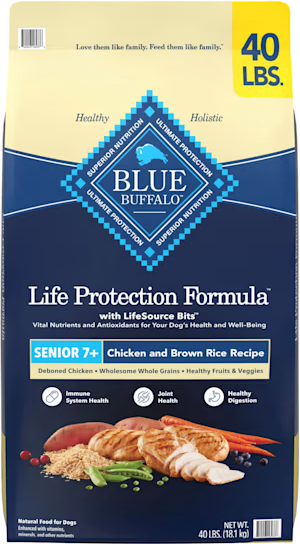
Faced with a highly competitive retail market, manufacturers have shifted away from "back-of-the-bag" medical claims—which attract FDA scrutiny—toward "front-of-the-bag" branding. By incorporating health outcomes into the brand identity (e.g., "Life Protection" or "Vibrant Maturity"), companies can imply a medical benefit to a consumer walking down a Petco or PetSmart aisle without needing a veterinarian’s signature or the same level of rigorous clinical proof required for a prescription diet.
Supporting Data: A Tale of Two Labels
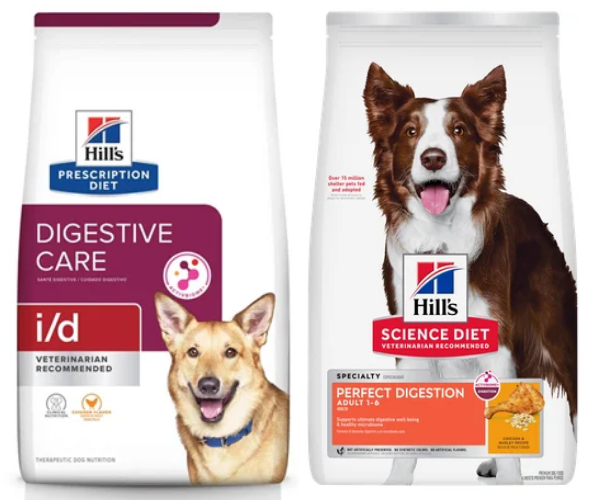
To understand the impact of this naming strategy, one must look at the side-by-side comparison of products from the same manufacturer.
Case Study: Hill’s Pet Nutrition
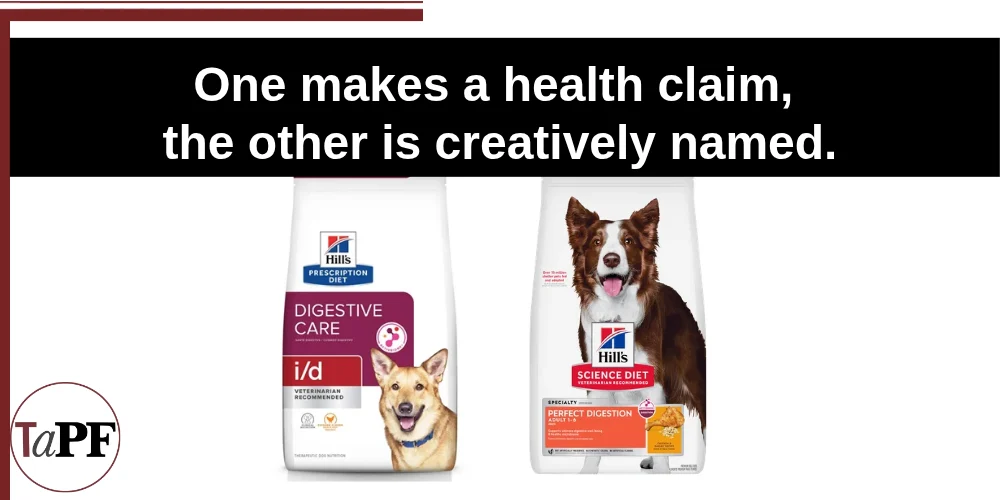
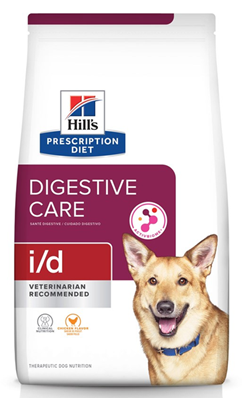
Hill’s produces a veterinary diet called Prescription Diet i/d Digestive Care. On its website, Hill’s explicitly states this is a "Therapeutic adult dog food to help manage digestive upsets." Because of this "manage" and "treat" language, the food is restricted to veterinary sales.
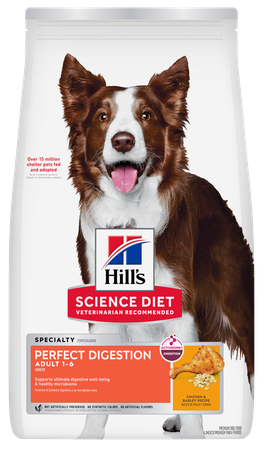
However, Hill’s also produces a retail product called Science Diet Adult Perfect Digestion.
- The Difference: The word "Perfect Digestion" is the product’s name, printed in the largest font on the bag.
- The Loophole: Because "Perfect Digestion" is the name, it is not technically a "claim" of what the food will do for every dog, but rather the identity of the product. This allows it to be sold at any grocery store without a prescription, even though the branding strongly suggests it offers the same "Digestive Care" as the prescription version.
Case Study: Purina (Nestlé)
Purina utilizes similar tactics with its Pro Plan and ONE lines.
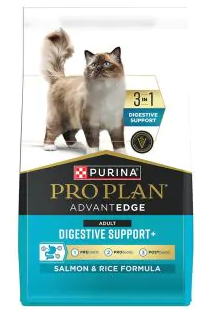
- AdvantEDGE Adult Digestive Support+: By naming the food "Digestive Support," Purina signals to the cat owner that this food will help a sensitive stomach.
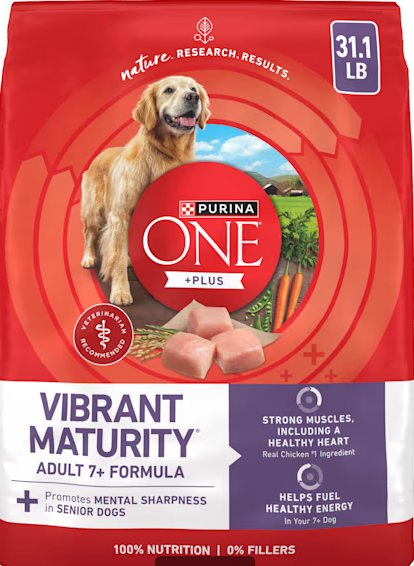
- Vibrant Maturity Adult 7+: This name implies that the food will restore or maintain "vibrant" health in aging dogs, a claim that, if phrased as "this food prevents age-related cognitive decline," would require drug-level substantiation.
Case Study: Blue Buffalo and FreshPet
- Blue Buffalo Life Protection: This name suggests a preventative health benefit (protecting life).
- FreshPet Digestive Health: Similar to Hill’s, by naming the product "Digestive Health," the company captures the attention of owners searching for a solution to gastrointestinal issues without the hurdle of a vet visit.
Official Responses: The Regulatory Stance
The FDA’s position, as articulated in their communications, focuses heavily on "intended use." The agency states:
"For more than fifty years, dog and cat food manufacturers have marketed diets identified on their labels… as being intended to diagnose, cure, mitigate, treat, or prevent diseases… such products meet the statutory definition of a drug."
When questioned about the naming of OTC products, the regulatory response often falls back on the "Misbranding" clause. The FDA states:
"FDA will consider whether the product is responsibly marketed in other respects as well. For example, a therapeutic claim that is not scientifically substantiated would be considered false or misleading, thus making the product misbranded."
However, there is a distinct lack of public enforcement actions against companies for the names of their products, provided they do not make explicit "treat or cure" statements in the accompanying marketing copy. This suggests that as long as the manufacturer avoids the specific "trigger words" of the FD&C Act in their promotional paragraphs, the name of the food remains a safe haven for health-oriented marketing.
The Association of American Feed Control Officials (AAFCO), which sets the standards for pet food nutritional profiles, provides guidelines for "Model Claims." While AAFCO regulates terms like "natural" or "organic," the use of descriptive titles like "Perfect Digestion" often falls outside their specific prohibited list, provided the food meets the basic nutritional requirements for the life stage of the animal.
Implications: Consumer Confusion and Animal Health
The implications of this naming strategy are twofold: economic and medical.
1. The Economic Mirage
Prescription diets are significantly more expensive than retail diets. When a consumer sees "Digestive Care" (Prescription) next to "Perfect Digestion" (Retail), and the retail bag is 30% cheaper and requires no vet visit, the consumer is incentivized to choose the retail option. If the retail product is not formulated with the same therapeutic levels of ingredients as the prescription version, the consumer is essentially paying for a promise that the product may not be legally or scientifically required to keep.
2. The Delay of Care
The most significant concern for pet health advocates is the potential for owners to "self-diagnose" their pets. If a dog has chronic vomiting due to pancreatitis or an intestinal blockage, an owner might see a bag named "Digestive Health" and assume it is a sufficient treatment. By the time the owner realizes the "Perfect Digestion" kibble isn’t working, the animal’s condition may have worsened significantly.
3. The Erosion of Regulatory Integrity
If the FDA allows "Perfect Digestion" to be a name but labels "supports digestion" as a drug claim, the regulation becomes a matter of syntax rather than safety. This creates an environment where marketing departments, rather than veterinary scientists, dictate how pet health is communicated to the public.
Conclusion
As pet owners increasingly view their animals as family members, their desire for "functional" and "therapeutic" nutrition grows. While pet food manufacturers argue they are simply providing options for "wellness," the strategic use of product names to imply medical benefits suggests a calculated effort to bypass the spirit of the FD&C Act. Until the FDA or AAFCO closes the "naming loophole," the responsibility remains with the consumer to look past the bold fonts on the front of the bag and consult with veterinary professionals to distinguish between a marketing title and a medical treatment.