September 14, 2026 | By Behavioral Science Editorial Staff
In the modern household, the relationship between humans and dogs has undergone a profound transformation. No longer viewed strictly as working tools or property, dogs have transitioned into the roles of companions, confidants, and family members. This shift has created a linguistic and ethical dilemma: How do we accurately describe a connection that transcends traditional ownership while acknowledging the biological reality of our canine partners?

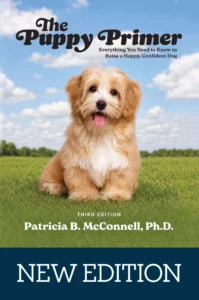
Renowned animal behaviorist and author Dr. Patricia McConnell recently sparked a nationwide dialogue on this topic, challenging the conventional nomenclature used to define our roles in the lives of our dogs. As she prepares for the release of her updated classic, The Puppy Primer, the discussion regarding "ownership" versus "guardianship" has moved from academic circles to the kitchen tables of dog lovers everywhere.
The Semantic Struggle: Defining the Relationship
The debate centers on three primary terms: "Dog Owner," "Pet Parent," and "Guardian." Each carries heavy cultural and psychological baggage.

The Case Against "Owner"
The term "owner" is legally accurate but emotionally reductive. By definition, ownership applies to inanimate objects—cars, tools, or real estate. To classify a sentient, breathing creature with its own integrity and cognitive depth as property is an exercise in human egocentrism. As Dr. McConnell notes, the term reinforces an outdated "Great Chain of Being," placing humans firmly at the apex and relegating other species to the status of commodities. While the term serves a protective function in legal disputes—asserting one’s responsibility for a dog’s safety and actions—it fails to capture the nuance of the emotional bond.
The Controversy of "Pet Parent"
Conversely, the term "pet parent" aims to bridge the gap by highlighting the deep familial ties many feel toward their dogs. Dogs, like young children, are dependents. They rely on their humans for medical care, nutrition, safety, and emotional regulation. Yet, critics argue this terminology infantalizes the dog. Domestic dogs are adult animals, not perpetual toddlers. To equate the raising of a dog to the raising of a human child can, in some instances, minimize the unique needs of the canine species and occasionally offend parents of human children.

The Middle Ground: "Guardian"
"Guardian" has emerged as a compromise. It implies a role of protection and stewardship rather than dominion. A guardian is charged with managing the welfare and rights of an individual who cannot fully advocate for themselves. However, "guardianship" carries legal connotations that can feel sterile, lacking the warmth of a family connection. Despite these drawbacks, many experts, including Dr. McConnell in her latest revision of The Puppy Primer, have tentatively adopted "guardian" as the "best of the bunch," though the search for a more perfect descriptor continues.
A New Paradigm: Indigenous Perspectives
Dr. McConnell suggests that if we are to evolve our language, we might look toward Indigenous wisdom. Many Indigenous cultures do not view humans as having "dominion" over other animals; instead, they view them as brothers, sisters, or elders. This perspective shifts the focus from possession to responsibility. It suggests a relationship defined by honor, mutual learning, and the recognition of the "biological miracle" that is the human-canine bond.

Chronology of a Busy Season
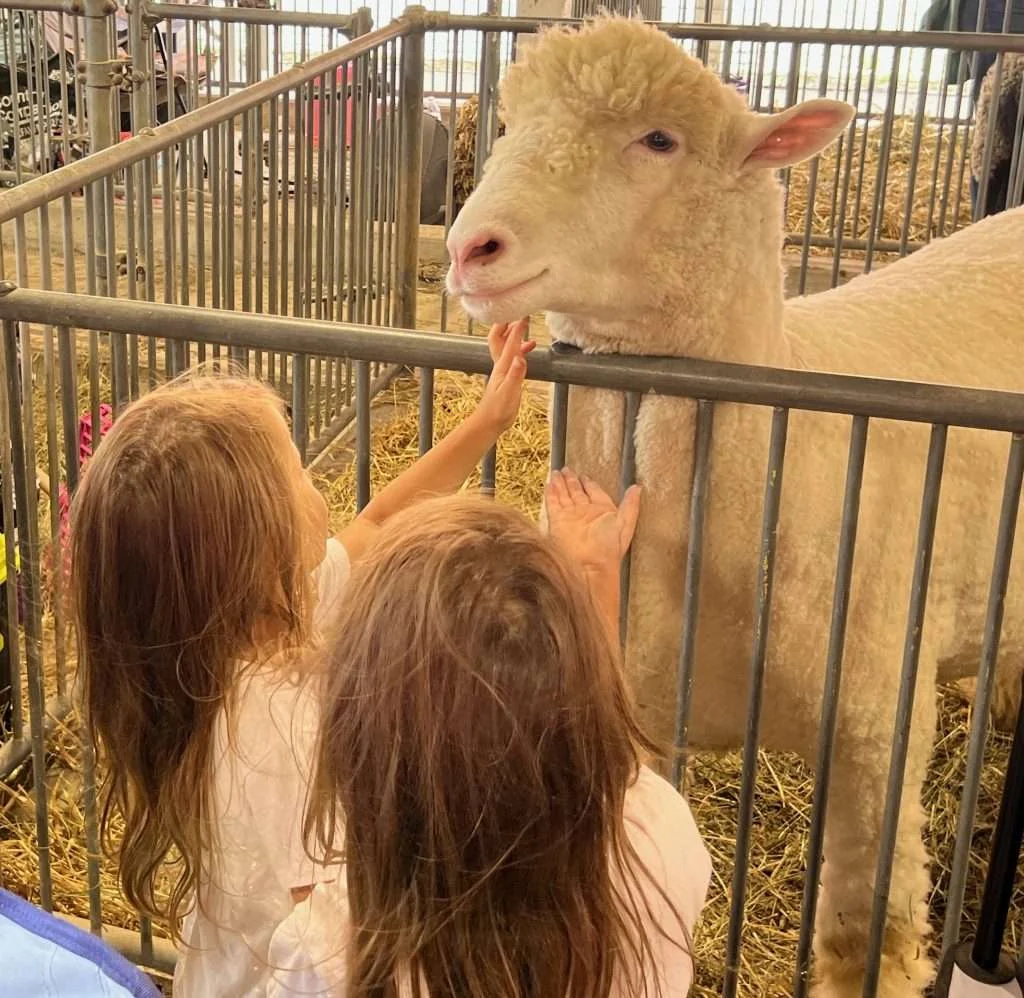
The debate surrounding nomenclature is occurring amidst a whirlwind of activity for Dr. McConnell, who recently balanced her professional writing projects with a return to the field at the Wisconsin Sheep and Wool Festival.
- Early September 2026: Final revisions for the updated The Puppy Primer are completed, with "guardian" selected as the preferred term for the text.
- September 12–13, 2026: Attendance at the Crook and Whistle Sheepdog Trial in Jefferson, Wisconsin.
- October 1, 2026: Scheduled release date for the updated The Puppy Primer via Little Creek Press.
- Late October 2026: Featured appearance at the CANIS Conference, where attendees will receive copies of the new text and join in a series of collaborative story talks.
Field Observations: The Wisconsin Sheep and Wool Festival
The recent festival provided a tangible backdrop to the discussion of animal nature. During the Crook and Whistle Sheepdog Trial, observers were reminded of the intelligence and autonomy of working breeds.

The trial featured young sheep—older lambs—that proved notoriously difficult to move. Unlike mature ewes, these lambs lacked the guidance of elder flock members, resulting in unpredictable behavior that tested the patience and skill of the competing Border Collies. It served as a stark reminder that even our "pets" retain the ancient, sophisticated instincts of their ancestors. Watching the dogs navigate these challenges underscored the reality that we are not merely "owning" a creature; we are working in partnership with an intelligent, distinct species.
Implications for the Future of Animal Welfare
The implications of this linguistic shift are not merely philosophical; they impact how we approach training, veterinary care, and animal rights. If we view ourselves as owners, we are more likely to demand obedience through dominance. If we view ourselves as guardians or partners, we are more likely to seek collaborative, behavior-based training methods that respect the dog’s agency.

The release of The Puppy Primer is expected to solidify this shift in the industry. By moving away from the "master-servant" narrative, the new edition aims to provide a framework for raising puppies that respects their development as independent, sentient, and highly capable creatures.
Community Feedback and Moving Forward
The discourse remains open. Dr. McConnell has invited her readers to share their own perspectives on how they define their roles. The response thus far has been varied, reflecting a community deeply invested in the ethics of care.

As we move toward the October release of her book, the conversation will likely expand to include:
- Legislative Impact: Can the adoption of the term "guardian" influence future animal welfare laws?
- Professional Standards: How will trainers and veterinarians adapt their language to align with these changing perspectives?
- Cultural Integration: Will "guardian" become the standard in mainstream media and literature?
For now, the consensus remains elusive. We are left with a collection of terms that each capture a fragment of the truth, but none the whole. As we await the upcoming conference and the official launch of the new publication, one thing is certain: our relationship with our dogs is evolving, and our language must evolve with it.

As Dr. McConnell noted in her recent reflections, the goal is not to find the perfect word, but to foster a relationship defined by respect, honor, and a shared acknowledgment of the profound, ancient, and undeniably miraculous connection between two different species.
For those interested in joining the conversation, the updated "The Puppy Primer" is available for pre-order via Little Creek Press. Further discussions on this topic will be hosted at the upcoming CANIS Conference.