For centuries, the relationship between humans and dogs has been shrouded in folklore, romanticized anecdotes, and well-intentioned but scientifically inaccurate traditions. As our most ancient inter-species bond, the dog occupies a unique place in the human experience. Yet, as scientific methodology evolves, the "facts" we once took for granted—from the biological origins of the species to the technical nuances of professional coat care—are undergoing a rigorous and necessary transformation.
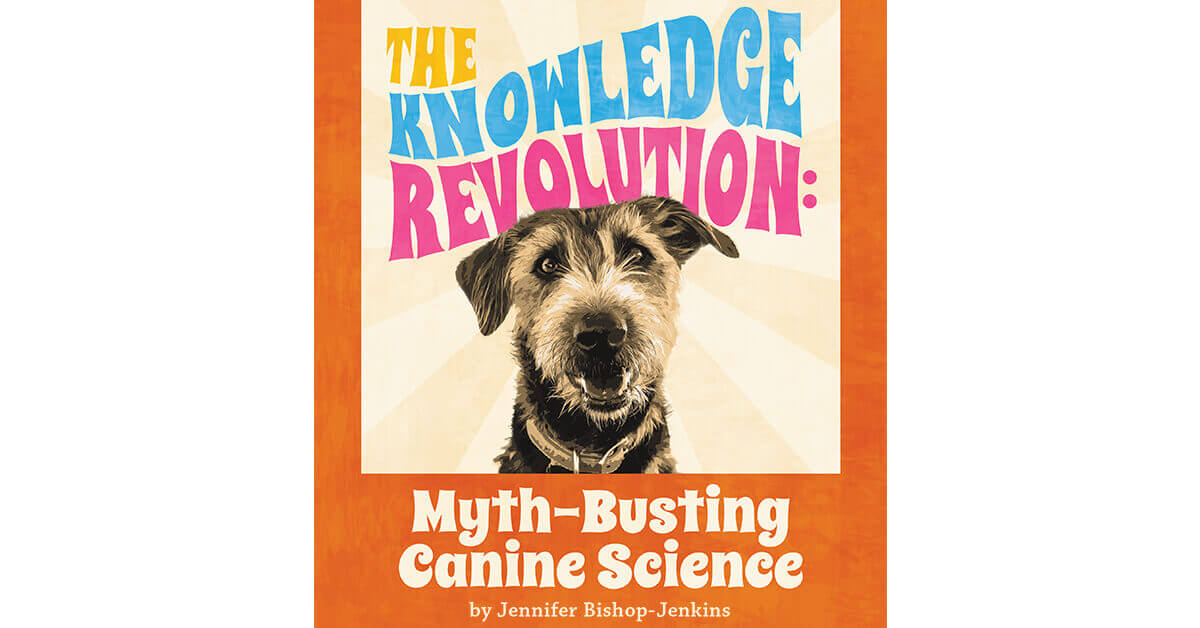
We are currently witnessing a "knowledge revolution" within the professional pet grooming industry. For decades, the trade was defined by isolationism, proprietary techniques, and a lack of standardized education. Today, that siloed mentality is being dismantled by a surge of empirical data, transforming grooming from a solitary service into a sophisticated, science-led profession.
The Evolution of a Profession: From Isolation to Integration
For much of the 20th century, the grooming industry operated in the shadows. Practitioners often worked in home-based environments with minimal communication between peers. In an era before the internet, skills were guarded as trade secrets, and "myth-based" practices—techniques passed down through hearsay rather than study—became the industry standard.
The transition toward a professionalized, collaborative industry began in earnest as trade shows and competitions grew in popularity. However, the post-pandemic digital shift served as a true catalyst, opening the floodgates for global knowledge sharing. Educational webinars, peer-reviewed forums, and accessible research have replaced the old "I know what I know" mentality.
This shift is not without its growing pains. In any established trade, there is resistance to change. Many veteran groomers cling to the comfort of familiar, anecdotal practices, viewing the influx of scientific data as an unnecessary disruption. However, the benefits of this evolution are undeniable. As our understanding of canine biology improves, our products, tools, and techniques become more precise, directly enhancing the health and welfare of the pet clients we serve.
Chronology of Discovery: Mapping the Canine Genome
The catalyst for much of this change was the 2003 publication of the canine genome. This landmark scientific achievement did more than just provide a genetic map; it forced a total re-evaluation of canine history.
- Pre-2003: Grooming and canine care were largely dictated by "old school" wisdom. Myths regarding wolf descent and universal grooming practices were accepted as immutable truths.
- 2003–2010: The mapping of the dog genome provided the first definitive evidence that dogs and wolves were not as closely related as previously assumed.
- 2010–2020: Advancements in ancient DNA (aDNA) analysis allowed researchers to trace the migration patterns of early canines, identifying five distinct global lineages as early as 11,000 years ago.
- 2020–Present: The industry enters the "Information Age," where dermatological science, electron microscopy, and genetic coat-type classification are applied to daily salon practices.
Busted: Three Myths Reshaping the Industry
The following myths represent the "old guard" of canine thinking that has been systematically dismantled by modern research.
1. Myth: The Dog is Descended from the Wolf
The Reality: The persistent narrative that dogs are modern-day wolves is a staple of pet food marketing and popular culture, yet it is genetically inaccurate. DNA evidence proves that dogs and wolves are cousins, both descending from an extinct common ancestor—often referred to by scientists as the "proto-dog" or "ancestor wolf."
Just as humans did not evolve from chimpanzees, dogs did not evolve from the modern Canis lupus. Recognizing this distinction is vital for understanding canine behavior and nutritional needs. We are working with a distinct species, not a domesticated wolf, which necessitates a shift in how we approach both their care and their grooming.
2. Myth: Humans Domesticated the Dog
The Reality: Perhaps the most humbling revelation in evolutionary biology is that the dog may have domesticated us. The traditional story of a human hunter capturing a wolf cub is being replaced by the theory of "co-evolution."
Evidence suggests that these proto-dogs were the ones to approach human settlements, scavenging for food and providing early warning systems against other predators. This mutual benefit led to a symbiotic relationship that likely saved the human species at various points in history. This profound realization changes the power dynamic in the grooming salon: we are not "masters" grooming a submissive animal; we are partners in a 40,000-year-old alliance.
3. Myth: All Canine Coat Types Can Be Groomed the Same
The Reality: The "one-size-fits-all" approach—shaving every dog regardless of breed or coat structure—is a legacy practice that is rapidly becoming obsolete. Modern grooming now relies on an understanding of the hair growth cycle: the anagen (growth), catagen (transition), and telogen (resting) phases.
We now distinguish between genetically pre-determined length (PDL) coats and genetically undetermined length (UDL) coats. Applying a standard clipper-blade approach to a wire-coated dog, for example, can be detrimental. Because wire-coated breeds have deeper, more complex follicles, clipping can lead to clogged follicles and skin irritation. Hand-stripping or carding, techniques supported by our understanding of follicle biology, are now recognized as essential for specific breeds.
Supporting Data: The Impact of Dermatological Science
The integration of science into the salon has been aided by advanced technology. Electron microscopy has allowed us to visualize the hair shaft, revealing why certain breeds require specific conditioning and others require structural support.
Industry experts are now looking at the "Fur vs. Hair" distinction through the lens of dermatology. We know that the pH of a dog’s skin is different from that of a human, and that the structure of a double coat acts as both an insulator and a cooling mechanism. When we stop viewing the coat as merely an aesthetic feature to be shortened and start viewing it as a complex, biological organ, the "shave-down" myth loses its appeal.
Official Perspectives and Implications
The grooming community is currently divided between those who embrace this scientific rigor and those who remain skeptical. However, the implications of this divide are clear:
- For the Groomer: Embracing scientific education raises the status of the trade. It moves the practitioner from a "dog washer" to a "canine specialist." This leads to higher professional standards, better insurance outcomes, and greater client trust.
- For the Pet: The primary beneficiary of this knowledge revolution is the dog. Precision grooming, informed by genetic and dermatological data, prevents common issues such as post-grooming alopecia, matting-related skin infections, and follicle damage.
- For the Industry: Education is the key to legitimacy. Organizations that prioritize continuing education and scientific literacy are helping to formalize grooming as a respected, regulated, and highly skilled profession.
Conclusion: The Path Forward
The "myth-busting" process is not a rejection of the past, but an refinement of it. We honor the history of our profession by constantly updating our practices to align with the best available data.
As we look to the future, the integration of genetics, behavioral science, and dermatological research will continue to define the standard of care. For the groomer, the invitation is clear: set aside the "old ways" that were based on convenience rather than science. The dogs we serve are not merely pets; they are our ancient, co-evolved partners. They deserve a level of professional care that reflects the depth of that relationship.
The revolution is here, and it is built on the simple, powerful act of asking "why" and "how" instead of simply accepting "that’s the way we’ve always done it." By continuing to challenge our own assumptions, we ensure that the future of grooming is as vibrant and evolving as the animals we are privileged to work with every day.