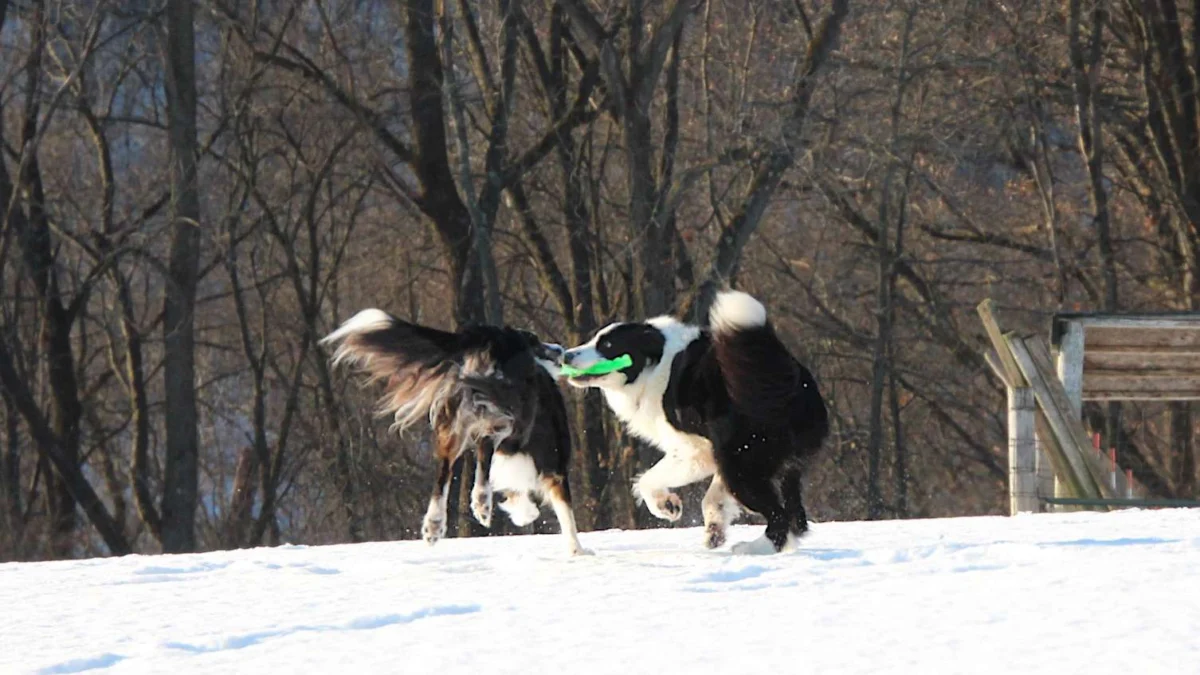
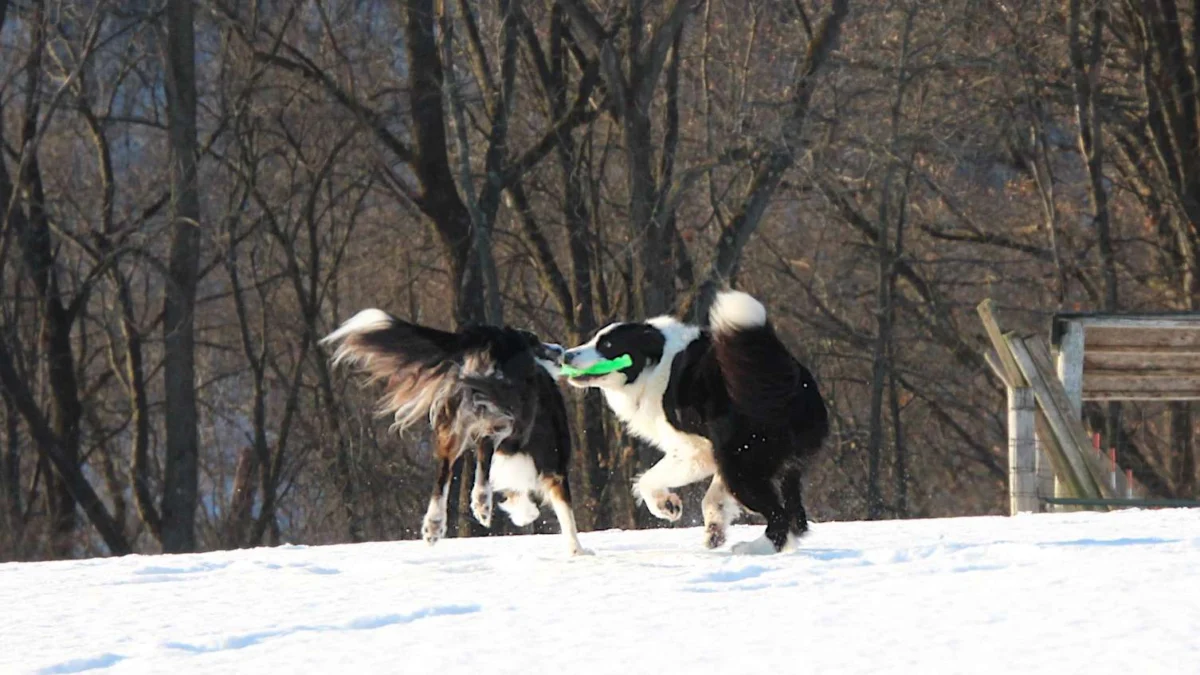
In the life of renowned animal behaviorist and author Patricia McConnell, the intersection of professional responsibility and personal challenge has become a recurring theme. As she prepares for the upcoming release of her latest novel, Away To Me, McConnell finds herself navigating a precarious season defined by physical injury, the harsh realities of a Midwestern winter, and the enduring lessons learned from her own dogs, Skip and Maggie.
This report examines the multi-faceted challenges currently facing the acclaimed behaviorist, ranging from the intricacies of rehabilitating dog play styles to the pragmatic hurdles of promoting a book while managing a debilitating case of de Quervain’s tenosynovitis.
The Physical Toll: Navigating De Quervain’s Tenosynovitis
McConnell, whose career has been defined by her ability to communicate complex animal behavior concepts through writing, has been abruptly sidelined by a diagnosis of de Quervain’s tenosynovitis. Described medically as an inflammation of the tendons on the thumb side of the wrist, the condition effectively acts as a "vice" on the affected tendons, rendering standard tasks—from opening jar lids to basic typing—excruciatingly difficult.
![The Evolution of Play [revisited]](https://www.patriciamcconnell.com/wp-content/uploads/2026/01/IMG_1061-1.jpeg)
Clinical Implications and Management
The primary treatment for this condition is enforced rest, a mandate that clashes sharply with the demands of an author currently in the final stages of a book launch. For McConnell, the inability to use her dominant hand has necessitated a complete recalibration of her daily workflow. Beyond the frustration of typing, she faces the unique logistical challenge of preparing for a multi-state book tour, where the physical act of signing hundreds of copies of Away To Me is a requirement of the trade.
McConnell has taken a proactive approach, utilizing a splint to immobilize her thumb and scheduling medical interventions, including a planned cortisone injection. Despite these efforts, the prognosis suggests a recovery timeline of two to six months, forcing her to rely heavily on the support of her husband, Jim, and to experiment with the challenging task of training her non-dominant hand for writing—an effort she characterizes as producing "semi-illegible graphic designs."
Chronology of Canine Dynamics: The Evolution of Skip and Maggie
To provide readers with valuable insights during her period of limited output, McConnell has revisited the case study of her own dogs, Skip and Maggie. Their journey from mismatched playmates to harmonious companions serves as a foundational lesson in canine social intelligence and human intervention.
![The Evolution of Play [revisited]](http://www.patriciamcconnell.com/wp-content/uploads/2026/01/IMG_1102.jpeg)
The Initial Mismatch (2020–2021)
When Skip joined the household, the disparity in play styles was stark. Skip, characterized by his high-energy, "linebacker" approach to play, lacked the nuance of self-handicapping. He frequently engaged in "hip-slamming" and aggressive charging, which left Maggie—a more agile and sensitive dog—overwhelmed and fearful.
The Turning Point: Strategic Intervention
McConnell’s approach to resolving this conflict provides a blueprint for dog owners struggling with similar dynamics. Her strategy was built on four pillars:
- Observation: Recognizing the early signs of Maggie’s anxiety before the situation escalated.
- Protection: Utilizing a strong recall to interrupt Skip before he could overpower Maggie, and using leashes and physical barriers to provide Maggie with a sense of security.
- Redirection: Teaching Skip to engage with toys, specifically through tug-of-war games. This allowed for an outlet for his physical energy that didn’t involve physical contact with Maggie.
- Time-Outs: Implementing brief pauses in activity to allow Skip to de-escalate and reset his arousal levels.
The success of this approach was interrupted in 2021 by a severe injury to Skip’s leg, which necessitated a long period of restricted movement. When play resumed, a secondary trauma-induced regression occurred, with Maggie refusing to traverse familiar paths. McConnell’s patient re-conditioning of Maggie using positive reinforcement demonstrates the depth of work required to mend social bonds between animals after a period of instability.
![The Evolution of Play [revisited]](https://www.patriciamcconnell.com/wp-content/uploads/2021/02/IMG_5898.jpeg)
Supporting Data: Winter at the Farm
The environmental context of these behavioral lessons is a farm currently locked in a brutal winter cycle. While the farm escaped the worst of the regional ice storms, the temperatures have been extreme, with wind chills plummeting to -40°F.
Adapting to Extreme Conditions
The logistical burden of maintaining farm life in such temperatures is substantial. McConnell highlights the immense physical effort required for basic chores, detailing a multi-layered clothing strategy—ranging from high-performance thermal undergarments to specialized traction devices like "Yak Tracks" for navigating icy terrain.
The dogs, too, required specialized care. Frost-nip concerns for Maggie and the physical discomfort of the extreme cold for Skip led to the use of protective rubber booties. McConnell notes that for animals, the transition from temperate conditions to sub-zero, "why do I live here?" temperatures is not just a change in weather, but a genuine crisis of comfort that requires human advocacy and creative problem-solving.
![The Evolution of Play [revisited]](http://www.patriciamcconnell.com/wp-content/uploads/2026/01/IMG_1088-1.jpeg)
Official Responses and Authorial Promotion
As the publication date for Away To Me approaches, the "second job" of the author—promotion—has taken center stage. Despite the physical limitations imposed by her wrist injury, McConnell remains committed to a series of live events in Wisconsin and Texas.
The Reality of Publishing
McConnell notes the jarring transition from the solitary, internal process of writing to the external, high-energy process of promotion. She emphasizes the importance of community in the success of a new book, inviting readers to attend her upcoming events. For those unable to attend, she has coordinated with retailers to offer signed copies, acknowledging with characteristic humor that readers should be prepared for the less-than-perfect quality of her current signature.
Implications: The Intersection of Empathy and Action
The narrative of Patricia McConnell’s current life serves as a broader commentary on the resilience required in both professional and personal spheres. Whether it is the patient training required to turn a "d-head" dog into a best friend, or the stubborn determination to continue a book tour with an immobilized wrist, the core theme remains the same: Empathy as a guiding principle.
![The Evolution of Play [revisited]](http://www.patriciamcconnell.com/wp-content/uploads/2026/01/IMG_1091.jpeg)
The Role of Play as Therapy
Ultimately, the article serves as a reminder of the power of play. For McConnell, watching her dogs play in the snow is not just a pleasant distraction; it is a fundamental pillar of her own mental health. Her work serves as a reminder to the public that:
- Play is not frivolous: It is a vital component of physical fitness and social bonding.
- Management is key: Owners have an obligation to observe and intervene when play becomes unbalanced.
- Grace is essential: During periods of hardship—whether due to injury, cold, or the stress of a professional deadline—finding small moments of joy and connection is the most effective therapy available.
As McConnell continues her recovery and prepares for the launch of her novel, she invites her audience to engage in the ongoing conversation regarding dog play, urging readers to share their own experiences and resources. In doing so, she reinforces the idea that even in the face of "trivial" personal troubles, the community of animal lovers remains a source of collective support and shared knowledge.
For those interested in exploring the complexities of dog behavior further, McConnell points toward her extensive archives at her website’s Learning Center, which remains a comprehensive resource for those seeking to understand the nuanced language of their canine companions.