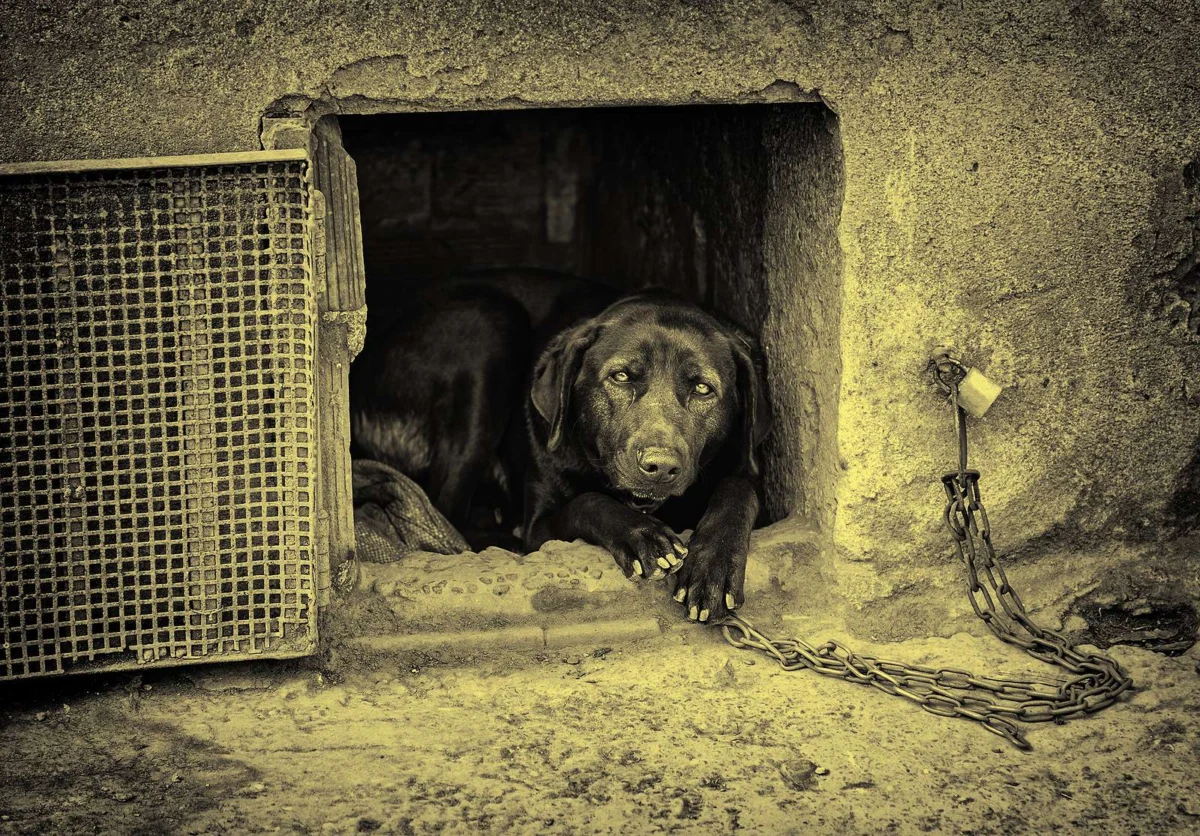
The recent liberation of 1,500 beagles from the Ridglan Farms facility in Wisconsin has sparked a long-overdue national conversation regarding the ethics of laboratory breeding and the remarkable resilience of the canine spirit. For years, the facility operated under a cloud of allegations regarding substandard conditions and animal welfare violations. Now, as these dogs transition from life in sterile, cramped wire cages to the warmth of family homes, experts and animal welfare advocates are turning their attention to a critical question: Can a dog raised in "canine hell" ever truly heal?
The Facts: A Systemic Crisis Exposed
Ridglan Farms, a multi-million-dollar operation, has long been a primary supplier of beagles for scientific research. For over a decade, former employees and whistleblowers have documented horrific conditions, including dogs confined to small wire cages with no enrichment, improper medical procedures, and an environment devoid of basic comfort.
The turning point came following 311 counts of animal cruelty, specifically citing surgical procedures performed without anesthesia or veterinary oversight. Faced with intense legal pressure and the work of advocates like Rebekah Robinson of Dane4Dogs, the facility reached a settlement with a special prosecutor. As part of the agreement, Ridglan is required to surrender its seller’s license by July 1, effectively shutting down its primary breeding operations.

While the liberation of 1,500 beagles is a historic victory, it is not the end of the road. Negotiations are reportedly ongoing for the release of an additional 300 dogs, and the broader fight to reform the laws governing laboratory animal conditions remains an urgent priority for animal rights activists.
A Chronology of Advocacy
The journey to this liberation was not an overnight success; it was the result of a decade-long crusade.
- 2014–2023: A decade of reports surface from former employees regarding abuse, lack of sanitation, and the psychological deterioration of the dogs.
- Early 2024: Increased public scrutiny, fueled by social media campaigns and documentation by organizations like Dane4Dogs, forces the issue into the public eye.
- March–April 2025: Activist Wayne Hsiung and others initiate "open rescues," bringing national attention to the plight of the dogs and the legal failures allowing the facility to operate.
- May 2026: Following a special prosecutor’s review of evidence—including expert depositions from animal behaviorists—a legal deal is struck. Ridglan agrees to surrender its license to avoid further criminal prosecution.
- Present Day: The massive logistical undertaking of placing 1,500 dogs into rescues and forever homes is underway, with organizations like the Dane County Humane Society, the Beagle Freedom Project, and Big Dog Ranch Rescue leading the charge.
The Neurobiology of Trauma and Resilience
To understand the recovery process, one must first understand the damage. Early development is a period of intense neuroplasticity. Brains are effectively "software programs" that require a variety of stimuli to form healthy emotional circuits. When a puppy is raised in a barren wire cage, its amygdala—the region responsible for fear and anger—is shaped by an environment of constant restriction and lack of agency.

However, genetics play a paradoxical role in this scenario. Beagles were specifically chosen for laboratory research due to their inherently stable, docile temperaments. While this trait made them "ideal" for research, it has also provided them with a biological buffer that aids in their recovery. Unlike more hyper-vigilant breeds, many beagles possess a temperament that allows them to eventually trust humans again, provided they are given the right environment.
Rehabilitating the "Shut-Down" Dog
The transition from a laboratory cage to a living room is an overwhelming sensory experience. Many of these dogs arrive in a state of learned helplessness, "shutting down" into the back of their crates. Rehabilitation requires a disciplined, science-based approach:
1. The Power of Time and Safety
The first 72 hours are critical. These dogs need a quiet, predictable sanctuary—a "safe house"—where they can decompress without the pressure of human interaction. Forcing affection on a traumatized animal is counterproductive; instead, rescuers recommend slow, calm movements and the use of long, gentle strokes rather than standard "patting."

2. The Social Catalyst: Other Dogs
Research from the ASPCA’s Behavioral Rehabilitation Center indicates that a social, well-adjusted dog is the most effective tool for healing. Dogs learn by observation. Watching a resident dog navigate a doorway, eat from a bowl, or approach a human with confidence provides the rescued dog with a blueprint for normal behavior.
3. Positive Reinforcement
Conditioning programs should be implemented as early as the fourth day. This involves using high-value treats to build positive associations. However, practitioners must be careful: if a dog turns its head away, it is communicating a need for space. Respecting these boundaries is the first step in rebuilding a dog’s sense of agency.
4. Routine as Therapy
Trauma creates a feeling of unpredictability. By establishing a rigid, daily routine, owners can provide the rescued beagle with a sense of control. Predictability reduces the "startle" response and helps the dog feel that its world is finally stable.

Implications for Future Legislation
The success of the Ridglan liberation has forced a broader conversation about the "status quo" of animal research in the United States. Experts argue that even if current regulations, such as the Animal Welfare Act, are followed, the baseline standard of care is often inhumane.
"When you know better, you do better," as Maya Angelou famously stated. The laboratory conditions that were "legal" yesterday are being revealed as ethically bankrupt today. The current movement is not just about these 1,500 beagles; it is about establishing a legal precedent that recognizes that sentient beings cannot be treated as mere laboratory equipment.
Advocates are calling for a national legislative shift that bans the use of tiny, barren cages and mandates social enrichment for all laboratory-housed animals. Furthermore, there is a push to replace animal-based research with modern, non-animal alternatives that are often more scientifically accurate.

How to Help
The infrastructure required to care for 1,500 dogs is monumental. The Dane County Humane Society, the Beagle Freedom Project, and other regional partners are currently shouldering the financial and logistical burden of medical care, behavior training, and placement.
For those looking to support these efforts, donations to these organizations are vital. Furthermore, the public is encouraged to support "open rescue" advocacy groups like Dane4Dogs, which provided the essential groundwork for this legal victory.
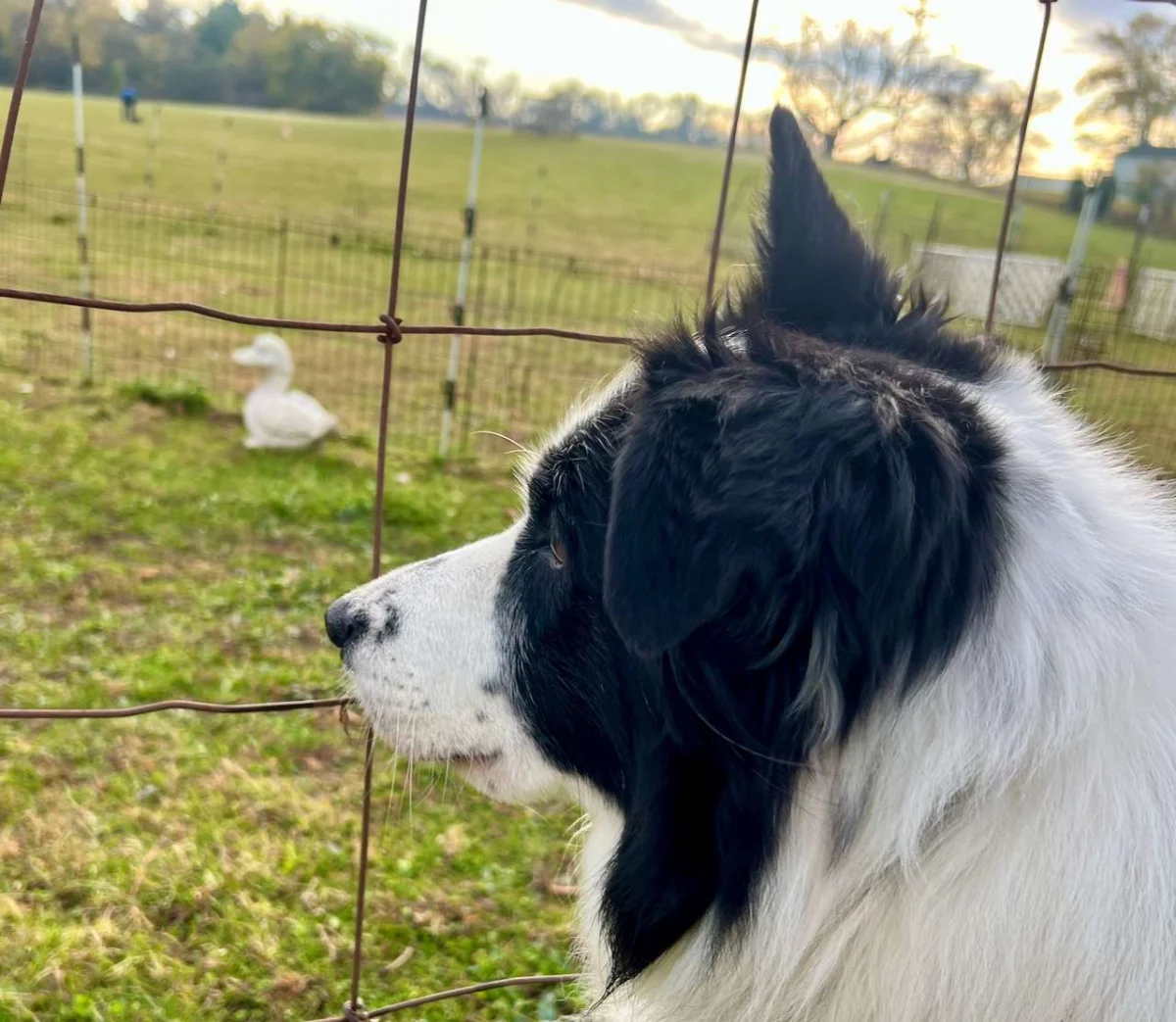
As we celebrate the liberation of these dogs, we are reminded of the capacity for change. The arc of the moral universe is long, but as evidenced by the thousands of volunteers working around the clock to give these beagles a second chance, it is indeed bending toward justice. The sight of a former lab beagle running free in a field for the first time is not just a heartwarming image—it is a testament to the fact that, with enough patience and compassion, the damage caused by cruelty can be undone.

The road to recovery for the Ridglan beagles will be long and, at times, difficult. But for 1,500 dogs who spent their lives in darkness, the light has finally arrived. It is now our collective responsibility to ensure that the systems that caused their suffering are dismantled, one cage at a time.