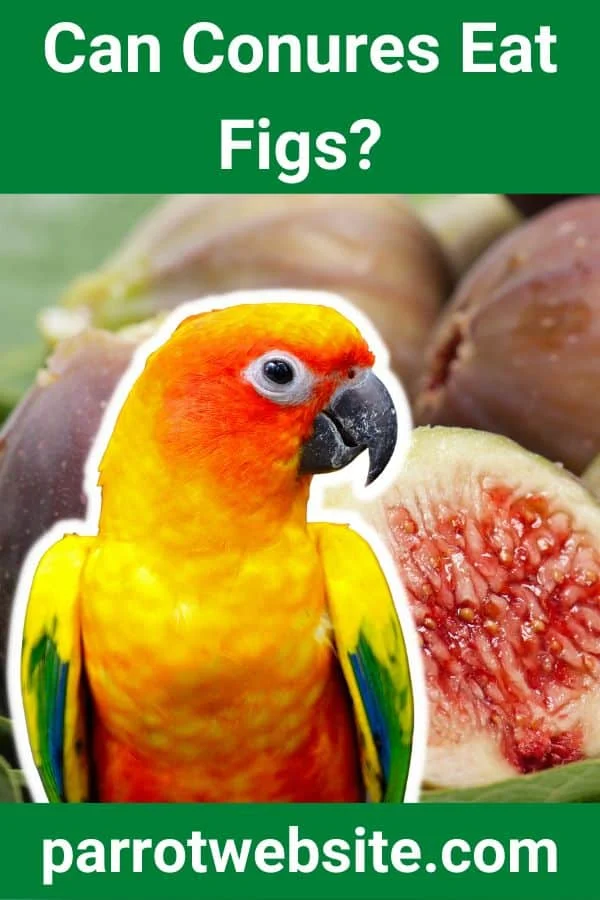
For bird enthusiasts and parrot owners, providing a varied, stimulating, and nutritionally dense diet is the cornerstone of responsible care. Among the array of fruits available, the fig—a botanical curiosity that is technically an inverted flower—stands out as a gourmet treat. While these fruits are often seasonal and occasionally difficult to source, their unique flavor profile and dense nutrient composition make them a prized addition to a conure’s menu.
However, the inclusion of any exotic food in an avian diet requires a nuanced understanding of nutritional balance, digestive limitations, and safety protocols. This article explores the scientific benefits, dietary implications, and practical management of feeding figs to conures.
Main Facts: Are Figs Safe for Your Conure?
The short answer is an unequivocal yes. Figs are safe, non-toxic, and highly palatable for conures. When integrated correctly, they serve as a potent source of dietary enrichment. Unlike some fruits that offer little more than water and simple sugars, figs are a "powerhouse" of micronutrients.
Nutritional Composition
Figs are packed with essential elements that support the physiological demands of a high-energy species like the conure:
- Fiber: Essential for maintaining gastrointestinal motility and gut health.
- Vitamin B6: A vital water-soluble vitamin that facilitates brain function, nervous system maintenance, and early-stage neurological development.
- Vitamin K: A critical nutrient for blood coagulation, ensuring that minor injuries heal efficiently—a significant factor for active, climbing parrots.
- Minerals: A robust profile including copper (for red blood cell formation), magnesium (for bone health), and potassium (for cardiovascular function).
Despite these benefits, the "richness" of the fig is a double-edged sword. Because they are so concentrated in nutrients, they can easily cause digestive distress if offered in excess.
Chronology of Dietary Integration: When and How to Serve
Introducing a new food item into a parrot’s diet should not be a haphazard process. To maximize health outcomes, bird owners should follow a structured approach to "treat scheduling."
Phase 1: Preparation (The Selection Process)
Before offering the fruit, owners must prioritize quality. Ripe figs are the gold standard. A ripe fig is soft to the touch, has a deep, uniform color, and offers the highest bioavailability of nutrients.
- Underripe Figs: These are dense, fibrous, and difficult for a conure’s beak to manipulate. They offer little nutritional value and may frustrate the bird.
- Overripe/Fermented Figs: These should be avoided entirely. As fruits begin to break down, they can harbor bacterial growth or begin the fermentation process, which is hazardous to avian digestive systems.
Phase 2: The Feeding Schedule
Dietary stability is crucial. Figs should be categorized as an occasional treat rather than a dietary staple. A recommended cadence is:
- Frequency: Once or twice per week maximum.
- Portion Size: One to one-and-a-half figs per conure per serving.
- Rotation: Owners should rotate figs with other fruits (such as berries, melons, or papaya) throughout the week to prevent "nutritional monotony" and keep the bird engaged.
Supporting Data: Why Variety Impacts Avian Psychology
The psychological well-being of a conure is intrinsically linked to its diet. In the wild, conures are opportunistic foragers, constantly scanning for different food sources. When an owner provides the same base diet day after day, the bird can experience "dietary boredom."
The Enrichment Factor
Foraging behavior is a natural instinct. By offering a fig—which has a distinct texture—you are providing a form of environmental enrichment. The act of tearing into the flesh and extracting the seeds requires physical coordination and mental engagement. This stimulates the bird’s cognitive faculties, reducing the likelihood of stress-induced behaviors such as feather plucking or excessive vocalization.
The Danger of Over-Nutrition
While the nutrient density of figs is a benefit, it acts as a constraint. A conure’s primary diet (usually high-quality pellets supplemented with vegetables) is already balanced. Adding too many high-calorie or high-mineral treats can lead to:
- Digestive Pain: The high fiber content, if consumed in excess, can lead to bloating or abdominal discomfort.
- Diarrhea: Sudden influxes of fruit sugars and fiber can cause the bird’s stools to become loose or watery.
- Obesity: Figs are energy-dense. If these calories are not balanced by increased physical activity, it can lead to weight gain.
Expert Perspectives: Component Breakdown
To understand how to prepare the fruit, we must look at the specific anatomy of the fig and how a conure interacts with it.
The Flesh and Seeds
The flesh is the most nutrient-dense portion of the fruit. It is safe, delicious, and highly recommended. The seeds, while often overlooked, are also perfectly safe. Because figs are botanically structured with a vast quantity of seeds, they are essentially part of the edible package. They contribute additional fiber and minerals to the bird’s intake.
Recommendation: Cut the fig into quarters. This exposes the flesh and makes it easier for the conure to hold and nibble, mimicking the way they would manipulate fruit in a canopy environment.
The Stems
While the stems are not toxic, they are largely inert. They lack the nutritional density of the flesh and provide little in the way of flavor or interest. Most birds will ignore them; if your bird does attempt to chew the stem, it is generally harmless, but it is not a part of the fruit that should be actively encouraged.
Implications: The Long-Term View of Avian Health
The decision to feed figs should be viewed through the lens of long-term health management. The primary goal of a companion bird diet is to provide a "safety net" of nutrients that prevents deficiency.
Bridging the Gap
Many captive parrots suffer from deficiencies in vitamins that are difficult to synthesize in a laboratory-formulated pellet. The inclusion of fresh, organic produce like figs acts as a bridge. Vitamin K, for instance, is often lacking in synthetic diets; providing it via natural, seasonal sources ensures the bird’s blood-clotting mechanisms remain robust.
The "Variety Rule"
The most significant implication of these findings is the "Rule of Variety." A conure’s health is not defined by any single "superfood." Instead, it is defined by the synergy of various foods. By treating the fig as a rotating guest star in the dietary lineup, owners can reap the benefits of its potassium, magnesium, and B-vitamins without falling into the trap of over-feeding.
Conclusion: A Balanced Approach
Figs are a remarkable, nature-made supplement for your conure. They offer a unique sensory experience and a high concentration of vitamins that support brain, blood, and digestive health. However, their inclusion must be disciplined.
As a responsible owner, the path forward is clear:
- Source only ripe, organic fruit to avoid pesticide residues and ensure palatability.
- Practice strict portion control to avoid digestive issues and nutritional imbalance.
- Use figs as a tool for enrichment, not a dietary staple.
- Observe your bird following the introduction of any new food to ensure there are no adverse reactions.
By adhering to these guidelines, you can safely expand your conure’s culinary horizons, ensuring they enjoy the sweet, juicy benefits of the fig while maintaining the balanced health required for a long, vibrant life. Your conure is an intelligent, complex animal, and a well-managed diet—rich in variety and thoughtful in execution—is one of the greatest gifts you can provide.