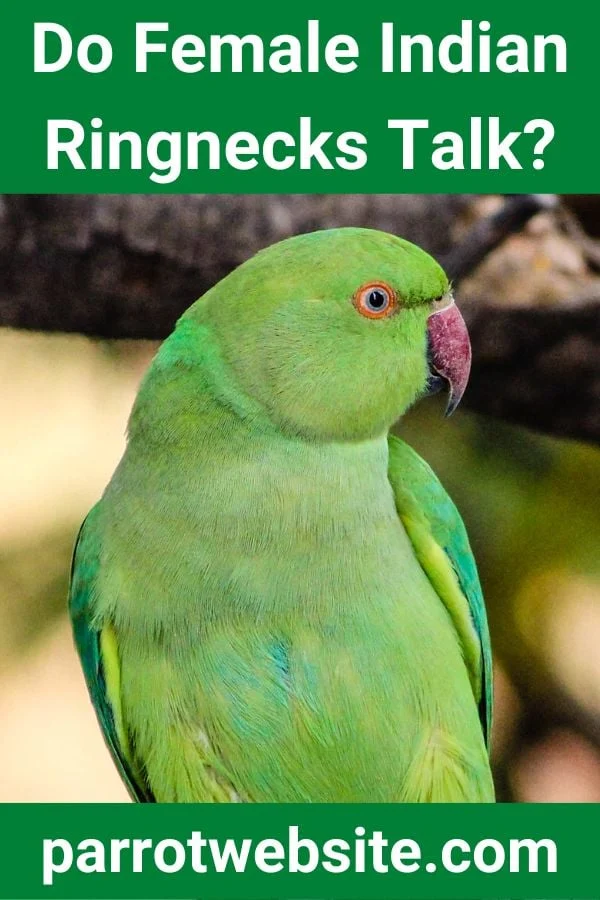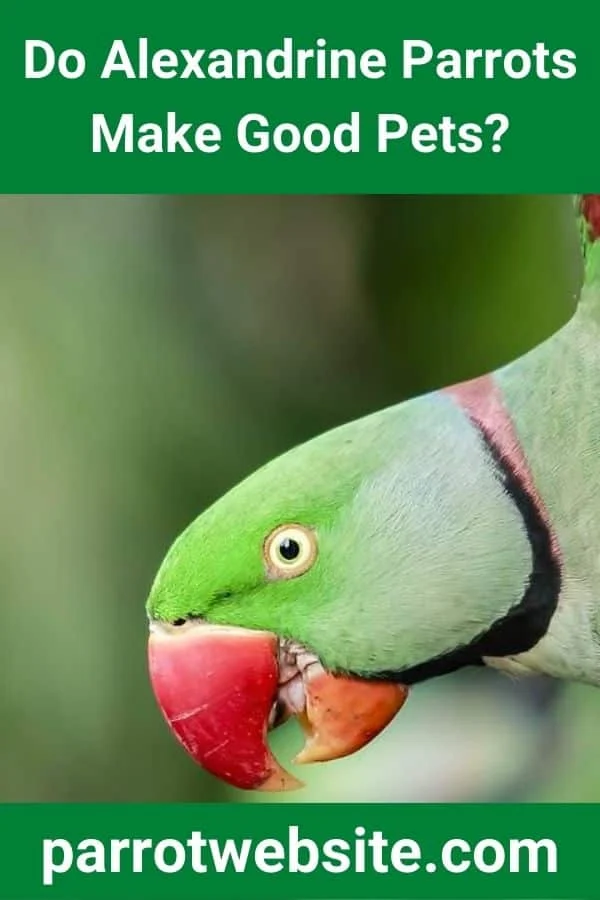
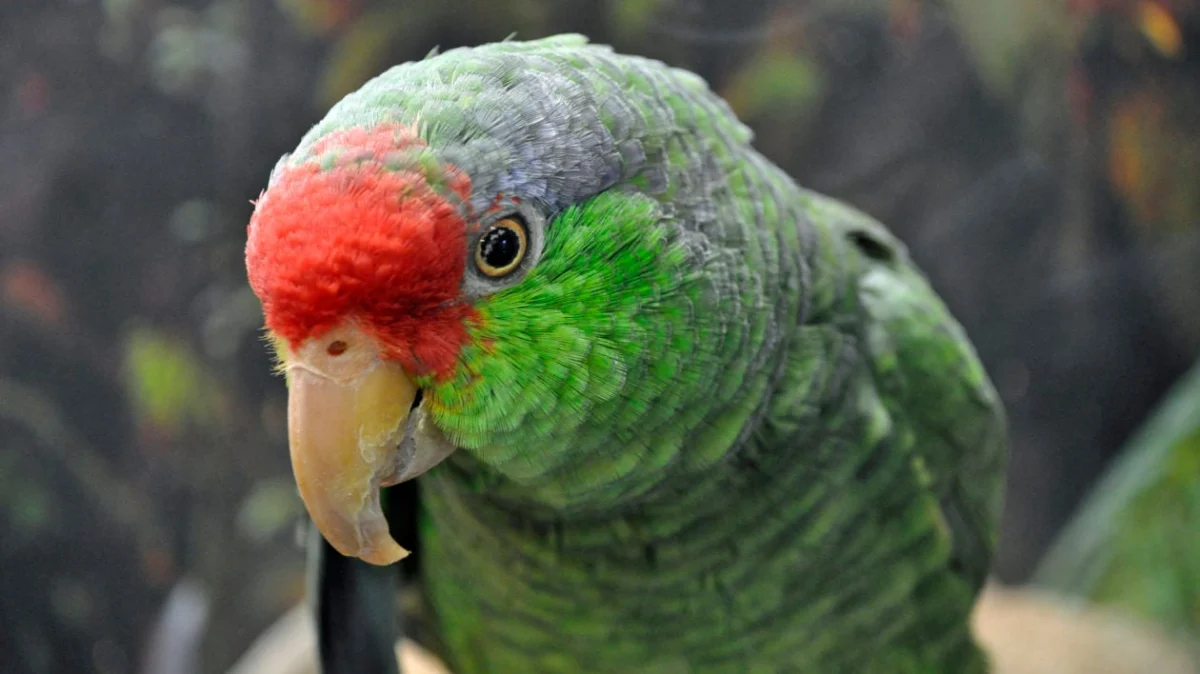
Parrots are among the most captivating creatures in the avian kingdom. With their high intelligence, vibrant personalities, and uncanny ability to mirror human speech, they have cemented their place as the fourth most popular pet in the United States, trailing only dogs, cats, and fish. While the parrot family is a kaleidoscope of colors—boasting brilliant reds, sunny yellows, deep blues, and striking oranges—there is one hue that dominates the landscape: green.
But what exactly constitutes a "green parrot," and why is this color so prevalent in the wild? To understand these birds is to delve into a fascinating intersection of evolutionary biology, optics, and pet ownership.
The Science of the "Green" Illusion
To the casual observer, the forest canopy is alive with emerald-feathered birds. However, if we examine these creatures through a strictly scientific lens, we encounter a startling revelation: there are technically no green pigments in a parrot’s feathers.
The Optics of Plumage
Parrots possess only three primary pigment groups: red, yellow, and blue. The "green" we perceive is not a result of a green chemical pigment, but rather an optical illusion caused by light scattering. As light hits a feather, it passes through a structural layer that filters the spectrum. When yellow pigments combine with the light-scattering structural properties of the feather, the human eye perceives the result as green.
This phenomenon, known as the Tyndall effect or light scattering, is remarkably similar to the physics behind the viral "dress" debate that captivated the internet years ago. It is a testament to the evolutionary efficiency of nature, where birds have developed complex structural adaptations to mimic their environment, effectively camouflaging themselves within the foliage to evade predators.
The Rarity of the "Solid" Green
While most of the 350 known species of parrots appear to have green as a primary base color, a perfectly solid green parrot is exceptionally rare. In the wild, such a bird would likely be the result of a genetic anomaly. Even the most "green" species—such as the Pacific Parrotlet—typically exhibit subtle variations, including white chests, black wing markings, or splashes of secondary colors that break up their monochromatic appearance.
The Evolution and Chronology of Parrot Popularity
The history of the parrot as a human companion spans thousands of years. From the accounts of ancient Roman scholars who prized the birds for their ability to articulate human words to the modern-day aviculture industry, parrots have remained a symbol of exotic luxury and companionship.
Historical Integration
Parrots were documented by explorers and naturalists throughout the age of discovery. Their ability to survive in various climates and their complex social structures made them candidates for domestication. By the 20th century, the rise of the pet trade saw a significant increase in the popularity of smaller, more manageable species like the Budgie.
Modern-Day Considerations
Today, the adoption of a parrot is viewed with much more scrutiny than in previous decades. Veterinary science has evolved to understand the complex nutritional and psychological needs of these birds. Organizations like the Best Friends Animal Society emphasize that prospective owners must consider the lifespan of these birds—which can range from 15 to over 80 years—as well as the substantial time commitment required for social interaction.
Profiles of Popular Green Parrot Pets
If you are considering bringing a green-hued companion into your home, it is essential to understand the specific temperaments of different species. Here are the most prominent "green" varieties found in domestic settings:
1. The Budgie (Budgerigar)
Measuring a diminutive 6 to 8 inches, the Budgie is the quintessential household parrot. Despite their small stature, they are arguably the most proficient mimics, capable of learning over 1,000 words. Their plumage is typically a bright, grassy green, accented by intricate black bars across the back and wings.
2. The Lovebird
True to their name, these birds are deeply affectionate and highly social. Measuring 5 to 7 inches, they are known for their strong pair-bonding. They feature a striking green body often contrasted by a peach or orange-colored head. They require significant attention; without it, they are prone to stress-related behaviors like feather plucking.
3. The Male Eclectus
Eclectus parrots exhibit extreme sexual dimorphism. The males are a vibrant, neon green, while the females are a deep red and purple. These birds require significant space, as they grow to 17–20 inches in length and are highly active.
4. The Green Cheeked Conure
For those who prefer a high-energy pet, the Green Cheeked Conure is an ideal choice. These birds are characterized by their "green coat" highlighted by red and blue tail feathers. They are highly intelligent but thrive best in households where humans are present for the majority of the day.
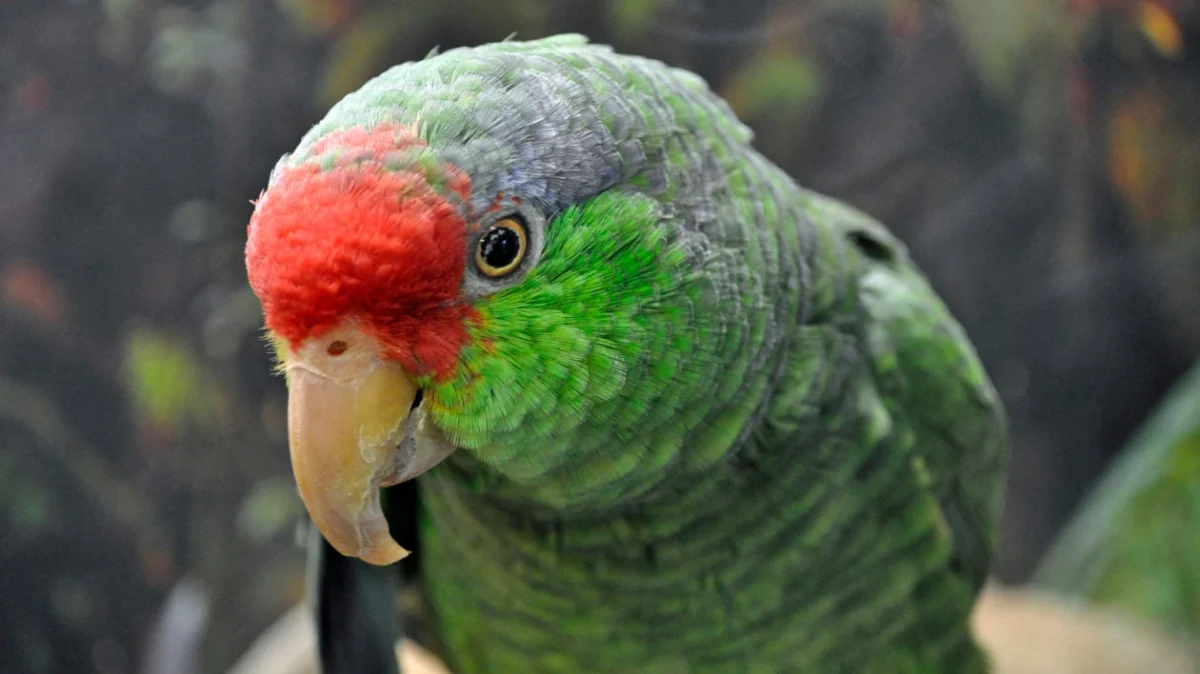
5. The Amazon Parrot
Known for their intellectual prowess, Amazon parrots are large, assertive, and social. They require an owner who is willing to invest in rigorous training and environmental enrichment. Their vocalizations are loud and distinct, making them a "big personality" pet.
6. The Pacific Parrotlet
Often referred to as a "pocket parrot," the Pacific Parrotlet is among the greenest of the species. At only 4–5 inches, they are small but possess a fierce, bold personality. They are active birds that require plenty of time outside their cages to burn off energy.
7. The Quaker Parrot (Monk Parakeet)
Quaker parrots are prized for their calm demeanor when properly socialized. They are natural mimics and entertainers, often learning to sing or whistle tunes. Their green plumage is usually complemented by a lighter, grayish breast.
Communication: The Mechanism of Mimicry
One of the most profound aspects of parrot biology is their vocal capability. Unlike humans, who rely on vocal cords, parrots utilize a structure known as the syrinx. By modulating the airflow through the syrinx, they can produce a vast range of frequencies and tones.
Training for Speech
Parrots do not naturally speak; they must be taught. The process of teaching a bird to speak is not unlike raising a child. Experts suggest beginning as early as three months of age. Repetition, positive reinforcement, and clear enunciation are key.
Cognition vs. Mimicry
The age-old question remains: do they understand what they are saying? Many owners report instances of contextual speech—parrots greeting people at the door or asking for specific treats when they see their favorite food. The famous story of a parrot identifying a microwave’s "beep" as a signal for warm corn suggests that these birds possess a sophisticated level of associative intelligence that goes beyond simple mimicry.
Implications for Future Conservation and Ownership
As the pet trade continues to evolve, the focus is shifting toward sustainable breeding and ethical adoption. The popularity of green parrots has led to a better understanding of their needs, but it has also highlighted the dangers of impulsive ownership.
Veterinary and Ethical Standards
Prospective owners should prioritize birds sourced from reputable breeders or avian rescues. The implications of keeping a parrot go beyond the physical cage; these are complex, long-lived animals that require mental stimulation, high-quality avian-specific diets, and specialized veterinary care.
The "Green" Future
While scientists continue to study the fascinating way these birds manipulate light to create their brilliant green appearance, the public continues to be enchanted by their beauty. Whether they are green by pigment or green by optics, these birds remain vital ambassadors for the avian world.
In conclusion, the green parrot is a marvel of both natural engineering and emotional companionship. They represent a unique challenge and a deeply rewarding experience for the right owner. By respecting their intelligence, understanding their biological needs, and acknowledging the commitment required for their care, we can ensure that these emerald wonders continue to brighten our homes and our lives for generations to come.