WAYNE COUNTY, Mich. — Public health and livestock officials have confirmed a positive case of West Nile virus (WNV) in a horse stabled in Wayne County, Michigan. The diagnosis, verified and distributed through the Equine Disease Communication Center (EDCC) Health Watch network, serves as a sharp reminder of the persistent and lethal threat vector-borne diseases pose to the region’s equine population as seasonal temperatures fluctuate.
While a single confirmed case may appear isolated to casual observers, state veterinarians, epidemiologists, and equine health specialists treat WNV detections as critical bellwethers for wider environmental risks. Because horses share the same immediate environment as humans—and are similarly vulnerable to the vector species that transmit the pathogen—this diagnosis highlights a localized surge in infected mosquito populations across Southeast Michigan.
Main Facts: Understanding the Wayne County Case and the Pathogen
The confirmed case involves a resident horse housed at a private stable within Wayne County. Although specific identifying details regarding the animal’s exact age, breed, and current clinical prognosis have been withheld to ensure owner privacy, the confirmation was established through accredited veterinary diagnostic testing.
West Nile virus is a zoonotic pathogen belonging to the genus Flivirus within the family Flaviviridae. It is maintained in a natural transmission cycle primarily involving wild birds, which serve as the primary reservoir hosts, and mosquitoes, particularly species within the Culex genus, which act as the vectors.
The Vector-Host Dynamic
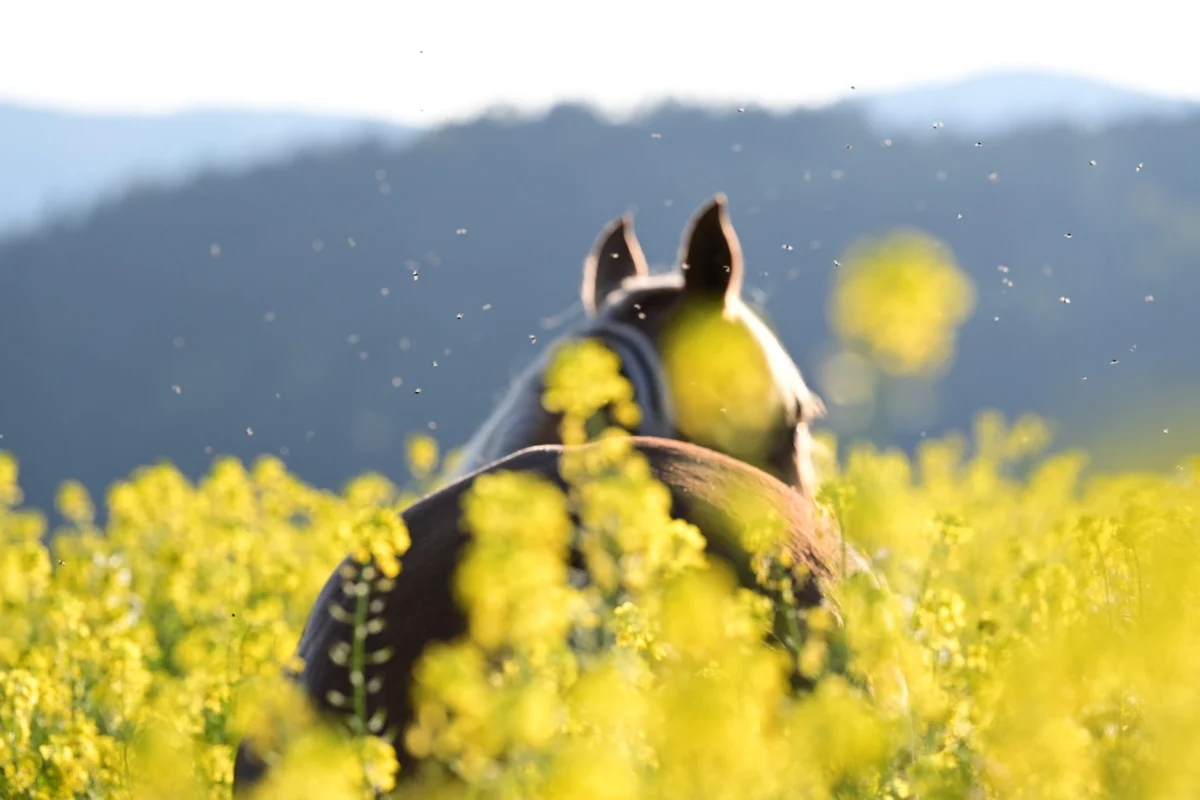
- Primary Vectors: Mosquitoes acquire the virus by feeding on infected avian species. Once the virus incubates within the mosquito’s system, it can be transmitted to incidental "dead-end" hosts—most notably horses and humans—during subsequent blood meals.
- Dead-End Status: Horses and humans are classified as dead-end hosts because the concentration of the virus in their bloodstreams (viremia) is generally insufficient to infect other feeding mosquitoes. Consequently, a horse cannot directly transmit WNV to another horse, human, or animal.
- Geographic Distribution: WNV is endemic throughout much of North America. Environmental conditions in Michigan—characterized by warm summers, abundant natural wetlands, and localized standing water—create ideal breeding grounds for the mosquito vectors responsible for transmission.
Chronology and Context: The Progression of Seasonal Equine Risk
The identification of WNV in Wayne County aligns with traditional seasonal risk curves for vector-borne diseases in the Upper Midwest, though changing climate patterns have increasingly blurred historical timelines.
Historical Prevalence in Michigan
Over the past two decades, Michigan has recorded sporadic outbreaks of both West Nile virus and Eastern Equine Encephalitis (EEE) among its equine populations. State departments of agriculture and local health departments routinely monitor sentinel flocks and mosquito pools for viral activity. Typically, viral activity begins to escalate in mid-to-late summer, peaking during the warmest months when mosquito populations reach their zenith, and continuing well into the autumn months until hard frosts drastically reduce vector activity.
The Trajectory of the 2024–2025 Cycle
- Spring Emergence: As winter snowmelt subsides and spring rains create abundant standing water, mosquito larvae hatch in massive numbers. Veterinary advisories during this period traditionally emphasize the initiation of core vaccination protocols.
- Summer Peak: Extended periods of high ambient temperatures accelerate the replication cycle of the virus within the mosquito vector, increasing the likelihood of transmission. Wayne County’s recent positive case falls squarely within this high-risk window.
- Fall Extension: In regions with prolonged warm autumns, mosquito activity can persist late into the year, prompting veterinarians to recommend localized booster strategies tailored to regional climate data rather than rigid calendar schedules.
Supporting Data and Clinical Manifestations in Equines
The impact of West Nile virus on horses can range from asymptomatic infection to severe, life-altering neurological impairment or death. Understanding the clinical signs is paramount for stable managers and owners, as early intervention significantly alters prognosis.
Clinical Signs of WNV in Horses
When a horse develops clinical illness following a WNV-infected mosquito bite, the virus attacks the central nervous system, leading to encephalomyelitis (inflammation of the brain and spinal cord). Common clinical presentations include:
- Neurological Deficits: Ataxia (loss of coordination), stumbling, hind-limb weakness, and abnormal shifting of weight.
- Behavioral Changes: Hyperexcitability, aimless wandering, apprehension, muscle tremors (particularly around the muzzle, face, and neck), and apparent blindness or impaired vision.
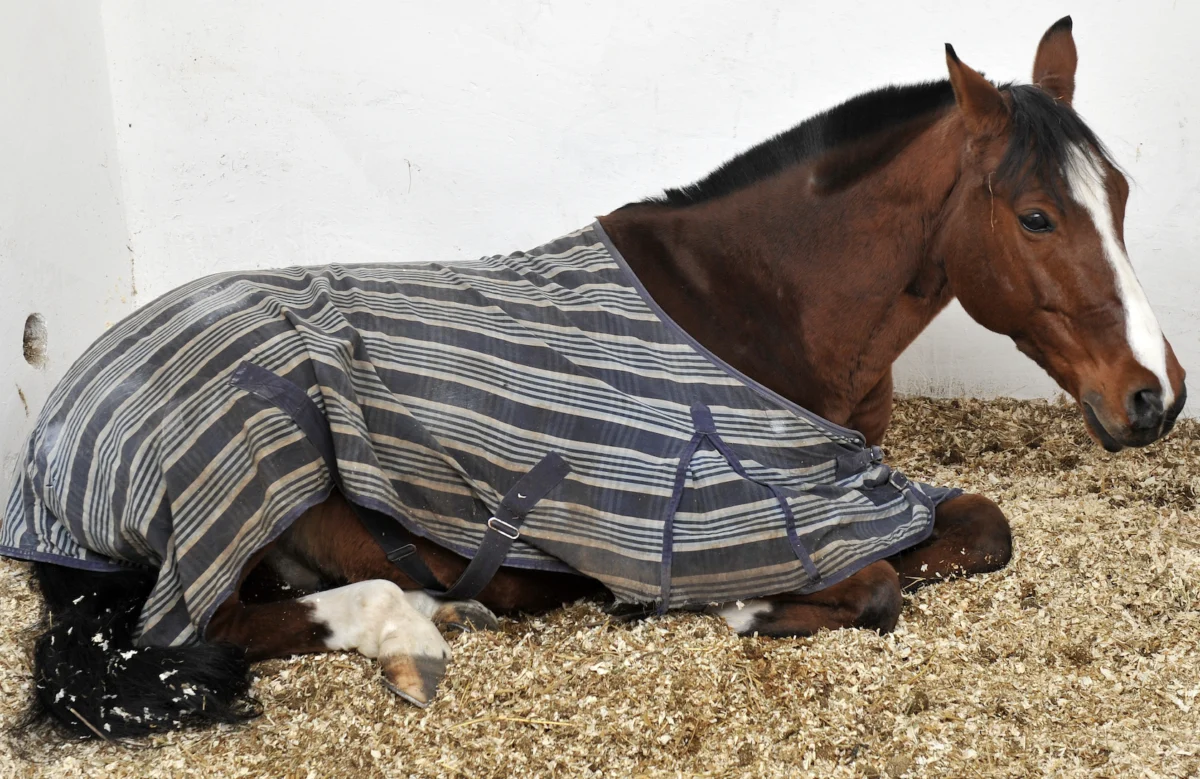
- General Indicators: Fever, lethargy, anorexia, and in severe cases, recumbency (inability to stand). Horses that go down due to WNV face a drastically reduced survival rate.
Mortality Rates and Prognosis
Veterinary literature indicates that while many horses exposed to WNV develop natural immunity without ever showing overt clinical signs, those that do manifest clinical disease face an equine mortality rate ranging between 30% and 40%. Among survivors, a significant percentage may suffer from long-term neurological sequelae, including persistent gait deficits, behavioral quirks, or chronic muscular weakness that impairs their athletic utility or comfort. There is no specific antiviral cure for WNV; clinical management relies entirely on aggressive supportive care, anti-inflammatory medications, hydration therapy, and nursing care designed to prevent secondary injuries in recumbent animals.
Official Responses and Preventive Protocols
In response to the Wayne County diagnosis, regional veterinary practitioners, state extension offices, and organizations like the Equine Disease Communication Center (EDCC) have amplified educational outreach. Stakeholders are strongly urging horse owners to implement a dual-pronged defense strategy anchored in comprehensive vaccination and rigorous environmental vector control.
1. Vaccination: The Cornerstone of Prevention
Extensive field research and epidemiological studies confirm that core vaccination is remarkably effective at preventing clinical WNV in horses.
- Primary Series: Unvaccinated horses require a dedicated two-shot vaccination series administered within a three- to six-week interval. Protection is not immediate; it typically takes several weeks following the administration of the final dose for the equine immune system to develop protective titers.
- Booster Schedules: Horses with a history of prior vaccination require an annual booster shot. However, veterinarians frequently advocate for a modified biannual schedule—administering one booster in the spring ahead of peak mosquito season, and a second booster in the fall—for animals residing in regions with extended or intense vector seasons, such as Southern Michigan.
2. Environmental Vector Abatement
Reducing the population of mosquitoes on and around stable premises is critical to minimizing exposure risks. Property managers and horse owners are advised to undertake the following operational adjustments:
- Eliminate Standing Water: Mosquitoes require stagnant water to complete their life cycle (egg, larva, pupa, adult). Owners must regularly empty, scrub, or overturn stock tanks, buckets, wheelbarrows, discarded tires, and untarped trailers. Drainage systems and gutters should be cleared to prevent pooling.
- Manage Ponds and Troughs: Stocking water troughs with biological controls, such as mosquito dunks containing Bacillus thuringiensis israelensis (BTI), can effectively kill larvae without harming livestock or wildlife.
- Physical Barriers and Stabling Practices: Because many mosquito species are most active during the dusk and dawn hours, keeping horses stabled indoors between the hours of dusk and dawn significantly reduces contact. Installing screens on barn windows, utilizing overhead fans to create air currents that deter flying insects, and applying EPA-registered equine insect repellents can provide additional layers of protection.
Implications for the Equine Industry and Public Health
The detection of West Nile virus in Wayne County carries broad implications that extend beyond a single farm or stable, touching upon regional animal health, economic considerations, and public health surveillance.
Economic and Operational Impact on Stables
For commercial boarding facilities, riding academies, and breeding farms, an infectious disease diagnosis can disrupt day-to-day operations. While WNV is not contagious between horses—meaning quarantines of entire facilities are unnecessary from a direct contagion standpoint—the presence of the virus signals an immediate environmental hazard to all equines on the property. Facility managers must coordinate rapid veterinary assessments, ensure every boarded horse is up-to-date on its core vaccinations, and invest in large-scale property remediation to control mosquito populations. Failure to manage vector risks can result in severe animal welfare concerns, emotional distress for owners, and potential liability issues.
One Health Perspective: The Human Connection
The "One Health" framework recognizes that human health, animal health, and the environment are inextricably linked. West Nile virus serves as a textbook example of this principle. Because mosquitoes do not differentiate between mammalian species, the identification of a WNV-positive horse in Wayne County acts as a sentinel indicator that the local human population is facing an elevated risk of contracting the virus.
Public health departments frequently monitor animal cases—both in equines and in dead bird collections—to gauge viral circulation within vector populations. Human cases of WNV often track closely with or slightly follow animal detections. Consequently, the Wayne County equine diagnosis serves as an urgent public warning for local residents to utilize personal insect repellent containing DEET, Picaridin, or oil of lemon eucalyptus, wear protective clothing during outdoor activities, and eliminate standing water around residential properties.
The Role of Reporting and Surveillance Networks
Programs such as the EDCC Health Watch play an indispensable role in safeguarding the equine industry. By aggregating verified disease reports from state veterinarians and diagnostic laboratories, the EDCC provides open, transparent access to real-time epidemiological data. This rapid dissemination of information allows owners, trainers, and veterinarians across state lines to adjust their biosecurity practices proactively, rather than reacting passively after an outbreak has spread.
As summer transitions into the latter halves of the seasonal cycle, the equine community in Wayne County and across Michigan remains on high alert. Vigilance, adherence to strict vaccination protocols, and persistent environmental management remain the most powerful defenses against a disease that continues to test the resilience of the region’s equine industry.