Sponsored by Smart Equine
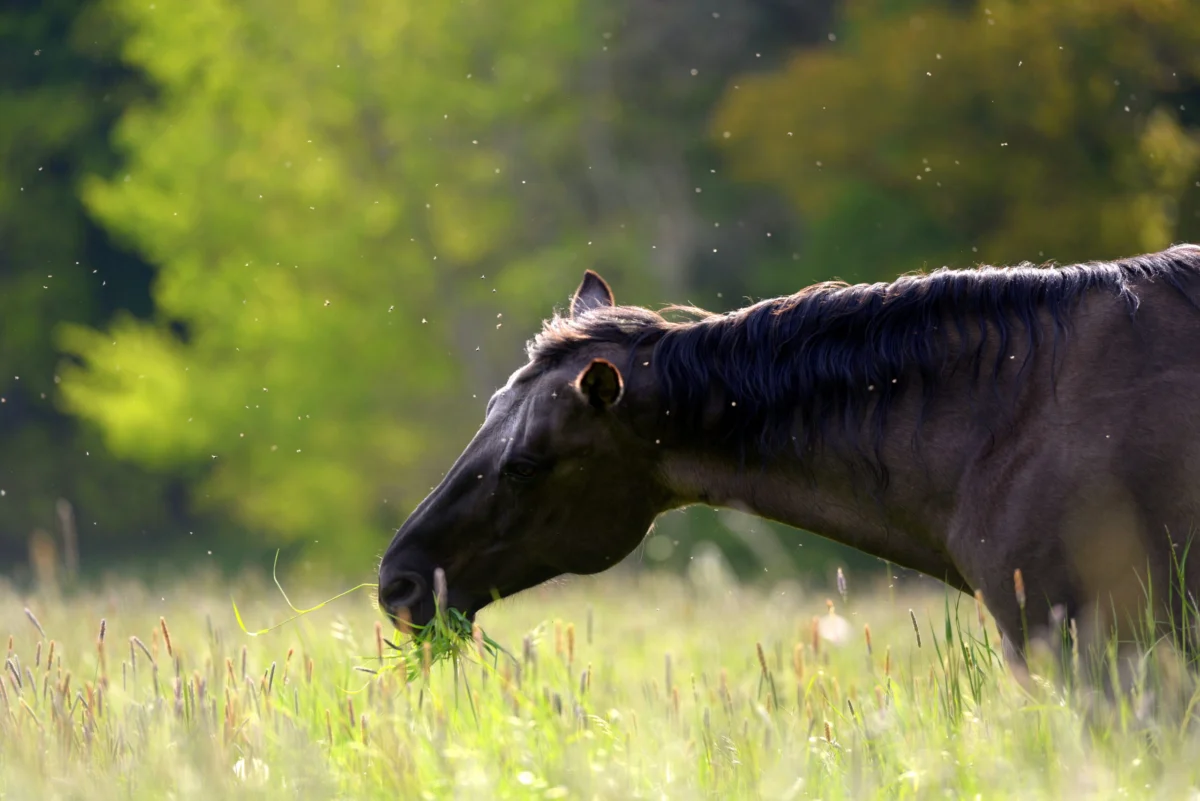
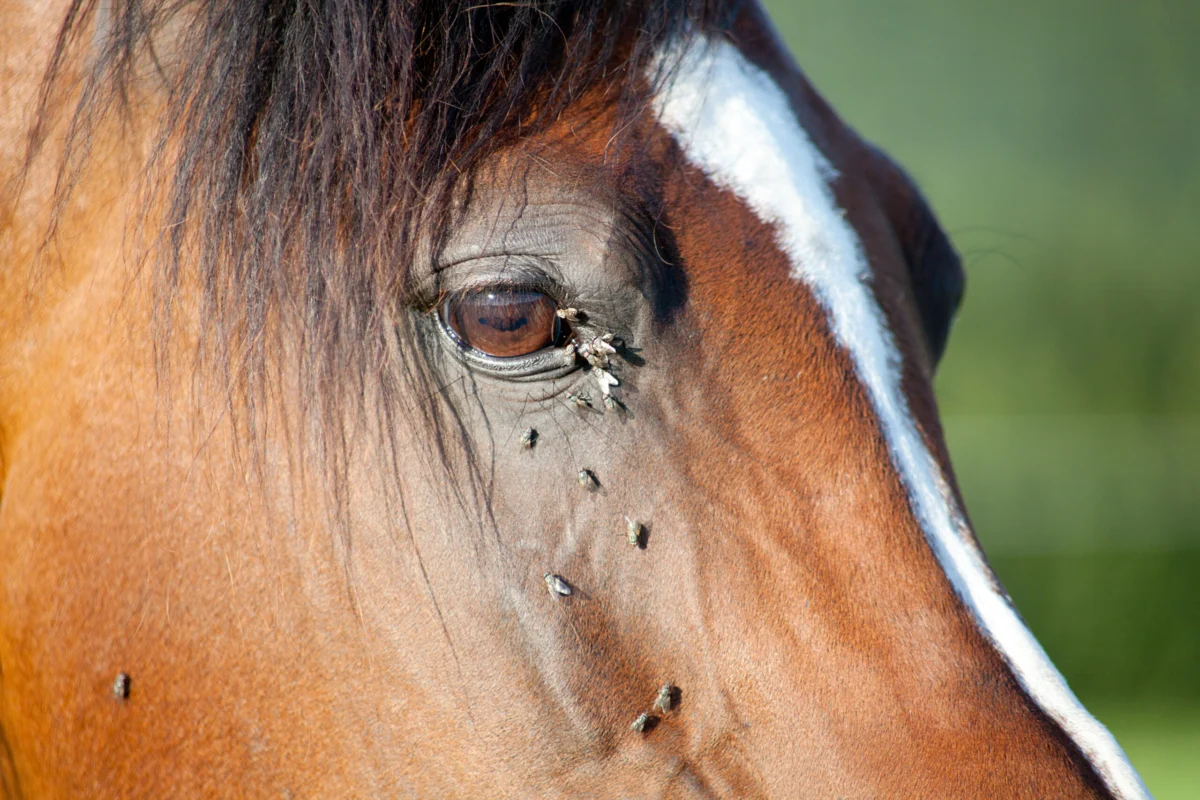
Summer has arrived, bringing with it the long-awaited opportunity to hit the trails and compete in the show ring. However, for the equestrian, the season’s sun-drenched glory is often overshadowed by an persistent, buzzing adversary: the flying insect. Beyond being a mere annoyance, these pests represent a significant threat to equine health, capable of transmitting debilitating diseases, triggering severe skin reactions, and inducing chronic stress.
To ensure your horse not only survives the summer but thrives throughout it, a strategic, multi-layered approach to pest management is no longer optional—it is a fundamental component of responsible horse care.
The Science of the "Layered Approach"
In the realm of entomology and equine management, there is no "silver bullet." Relying solely on a single method—such as heavy application of fly spray—is often ineffective, costly, and potentially irritating to your horse’s skin. A professional, multi-pronged strategy involves stacking different defense mechanisms to create a holistic protective barrier.
The first step in any effective fly control program is intelligence gathering. Owners should identify the specific species plaguing their property. A stable dealing primarily with stable flies requires a different strategy than one overrun by gnats or mosquitoes. Consult your local cooperative extension office to identify regional threats and adapt your program annually based on fluctuating population trends. This precise approach not only maximizes your budget but minimizes the chemical footprint on your environment and your horse.
A Chronology of Control: When and How to Act
An effective fly control program operates on a seasonal timeline.
- Early Spring: Begin the battle before the first hatch. This is the optimal time to introduce "beneficial bugs," such as fly parasites. These naturally occurring wasps and nematodes are harmless to horses and humans but lethal to fly larvae. By distributing these near manure piles and breeding "hot spots," you can neutralize the population before it gains a foothold.
- Mid-Season (Peak Heat): This is when your defensive layers must be fully deployed. As insect activity peaks, combine physical barriers with internal support, such as feed-through supplements.
- Daily Routine: Adapt your barn management. Utilize fans to create air currents that disrupt flight paths, and consider adjusting turnout schedules to avoid the dawn and dusk periods when biting gnats and mosquitoes are most aggressive.
Supporting Data: The Mechanics of Protection
A comprehensive defense system should integrate four primary pillars of support.
1. Internal Defense: Nutritional Supplements
Feed-through supplements have revolutionized the way we manage insect populations. Some formulations utilize Insect Growth Regulators (IGRs), which pass through the horse’s digestive system into the manure, effectively stopping larvae from maturing.
For those seeking a more holistic approach, supplements containing garlic, apple cider vinegar, or brewer’s yeast are popular. While these are not insecticides, they are often used to support the horse’s systemic response to skin irritation. When selecting a supplement, look for ingredients like Omega-3 fatty acids and MSM, which promote skin integrity, and prioritize sugar-free formulas to maintain metabolic health.
2. External Defense: Sprays and Topicals
While topical fly sprays are the most recognizable tools, they should be viewed as a secondary line of defense. When shopping, it is essential to distinguish between insecticides (which kill the insect) and repellents (which discourage landing).
- Oil-based formulas: Generally provide longer-lasting protection but can be stickier and may attract dust.
- Water-based formulas: Cleaner to apply but often require more frequent application.
- Natural/Plant-based: An increasingly popular choice for horses with chemical sensitivities. These often utilize essential oils and can double as coat conditioners, offering a dual-purpose benefit.
3. Physical Barriers: The "Armor" of the Modern Horse
Physical barriers, or "fly gear," remain the most effective way to prevent direct contact. Fly masks, sheets, and boots act as a protective suit of armor. However, the efficacy of this gear is entirely dependent on fit. A poorly fitted fly sheet can cause rubbing or overheating, while an ill-fitting mask can obstruct vision or cause corneal ulcers. Ensure your gear is designed for the specific environment—lightweight, breathable fabrics are essential for high-heat regions.
4. Natural Defenses and Environmental Management
Never underestimate the horse’s own survival instincts. A full, natural tail and an untrimmed forelock are your horse’s primary tools for self-defense. Furthermore, when horses are turned out in compatible pairs, they naturally engage in "head-to-tail" grooming, a symbiotic behavior that significantly reduces the fly load on each other’s faces. Additionally, don’t be too quick to drain that mud puddle; a roll in the dirt is a horse’s natural way of creating a cooling, protective layer against insect stings.
Official Perspectives on Integrated Pest Management (IPM)
Veterinary experts emphasize that Integrated Pest Management (IPM) is the gold standard for barn health. According to agricultural and veterinary extension programs, the "threshold of tolerance" is the key metric. You do not need to eliminate every fly; you need to manage them to a level that prevents stress and disease transmission.
By reducing the reliance on high-dose chemicals and shifting toward environmental modification (cleaning manure stalls regularly) and biological controls (parasites), barn managers see a decrease in fly-related behavioral issues, such as stomping and tail-swishing, which can lead to hoof wear and joint stress.
Implications for the Equestrian Lifestyle
The implications of a robust, multi-pronged fly control program go far beyond simple comfort. Chronic exposure to biting flies can lead to:
- Reduced Grazing Time: Horses distracted by flies spend more time moving and less time eating, which can lead to weight loss during the summer months.
- Disease Transmission: Flies are notorious vectors for conditions such as Summer Sores (Habronemiasis), Equine Infectious Anemia, and various bacterial skin infections.
- Behavioral Changes: A horse that is constantly agitated by insects is a horse that is more difficult to handle, train, and ride. Proper fly management keeps the horse in a "calm-alert" state, which is essential for performance and safety.
Conclusion: A Tailored Strategy
The "one-size-fits-all" approach to fly control is a relic of the past. Today’s horse owner must be a strategist, carefully tailoring a program to the unique conditions of their property.
Consistency is the ultimate requirement. A fly control program that is ignored for a week will quickly lose its effectiveness as insect life cycles progress. By starting early, utilizing biological controls, maintaining clean environments, and using high-quality physical and topical protections, you can minimize the impact of summer pests.
As you look toward the upcoming weeks of riding and competition, remember that your diligence is the best gift you can provide your horse. A quiet, comfortable, and fly-free barn is not just a luxury; it is the foundation of a successful and enjoyable summer season.
For more information on customized fly control strategies and to browse the latest in equine protective gear, visit SmartPak Equine.