Introduction: The Mango Debate
It began with a simple evening out—a dinner among friends, the shared appreciation for a refreshing mango sorbet, and the inevitable conversation that arises among pet owners. As bird enthusiasts, our discussion quickly pivoted from our own culinary indulgences to the nutritional requirements of our feathered companions. The question was posed: "Have you ever given your parakeets mango?"
For many, the answer is shrouded in hesitation. We know the dietary complexities of budgerigars (parakeets); we know the dangers of avocado, onion, and chocolate. But what about the king of tropical fruits? This article serves as an in-depth investigation into the safety, nutritional profile, and proper administration of mango as a dietary supplement for parakeets.
Main Facts: The Verdict on Mango
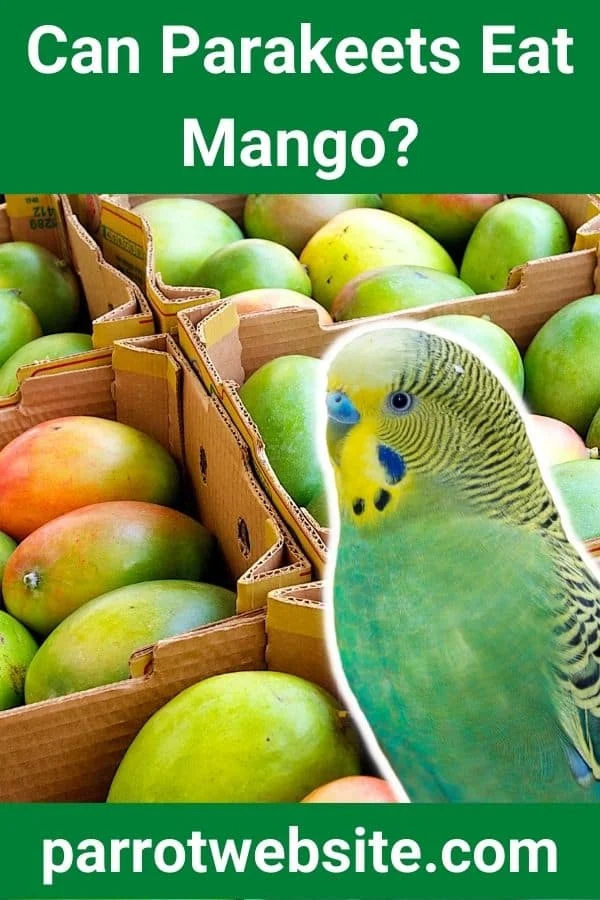
The short answer, supported by avian nutritionists and long-term breeders, is yes. Parakeets can safely consume mango. It is not toxic, contains no inherent compounds that pose an immediate threat to the species, and is generally met with enthusiasm by the birds themselves.
However, the "long answer" is far more nuanced. While mango is a safe treat, it is not a foundational food. It should never replace the primary diet of high-quality pellets, seeds, and leafy greens. Due to the high fructose content and caloric density of the fruit, it must be served strictly in moderation to prevent health complications such as obesity or digestive distress.
Chronology: Understanding the Nutritional Transition
To understand why owners are now considering exotic fruits like mango, we must look at the evolution of pet bird care.
- The Seed-Only Era: Decades ago, the standard recommendation for parakeets was a strictly seed-based diet. This often led to malnutrition and obesity.
- The Pellet Revolution: As avian medicine advanced, veterinarians pushed for formulated pellets, emphasizing the need for balanced nutrition.
- The Enrichment Movement: Recently, bird owners have focused on "foraging" and "enrichment." This involves introducing fresh produce to provide mental stimulation and supplemental vitamins, moving beyond mere survival to thriving.
The introduction of mango into a parakeet’s diet is a hallmark of this modern approach, treating the bird as an individual with sensory preferences rather than a creature that requires only basic sustenance.
Supporting Data: The Nutritional Profile
When we analyze the chemical makeup of a mango, we find a treasure trove of micronutrients that, when balanced, can significantly benefit a parakeet’s immune system and vitality.
The Vitamin Spectrum
Mangoes are a powerhouse of essential vitamins:
- Vitamin A: Crucial for respiratory health and maintaining the integrity of the skin and mucous membranes.
- Vitamin C: Acts as a potent antioxidant, neutralizing free radicals that cause cellular degradation.
- Vitamin B6, E, and K: These facilitate metabolic processes, skin health, and proper blood clotting.
Essential Minerals
Beyond vitamins, the fruit provides:
- Potassium: Vital for heart function and muscle movement.
- Magnesium and Copper: Necessary for enzyme function and bone development.
- Thiamine: Assists in carbohydrate metabolism, turning the fruit’s natural sugars into usable energy.
The Role of Fiber
Fiber is often overlooked in avian diets, yet it is essential for the gastrointestinal tract. Mango contains soluble fiber, which helps regulate digestion and ensures the bird’s gut flora remains stable.
The Risk of Oversaturation: Why Moderation is Mandatory
While the nutritional benefits are clear, the "too much of a good thing" principle is the most critical rule of avian husbandry.
Sugar Content
Mangoes are notoriously high in natural sugars. In the wild, a parakeet’s energy expenditure is high, as they fly for miles to find food. In a domestic setting, the energy requirements are significantly lower. Providing a high-sugar treat daily can lead to:
- Obesity: Leading to fatty liver disease—a common and often fatal condition in captive budgies.
- Hyperactivity followed by crashes: Fluctuating blood sugar levels can affect the bird’s mood and behavior.
- Yeast Infections: Excess sugar in the diet can encourage the overgrowth of Candida in the crop.
Recommended Protocol: Offer mango no more than once or twice a week. It should be treated as a "jackpot" reward or a supplement to a balanced meal, not a staple component.
Component Breakdown: What Can They Eat?
A common point of confusion is which parts of the mango are safe.
The Seed (Husk)
The mango seed is a large, fibrous, and hard stone. It is not necessarily toxic, but it is entirely impractical for a small parakeet. It poses a choking hazard and offers little nutritional value compared to the effort required to break it down. It is best to discard the seed entirely.
The Skin
The skin of the mango is generally safe. Many birds enjoy the act of shredding the skin to reach the flesh beneath. However, if the mango is not organic, the skin may harbor pesticide residues. Always wash the fruit thoroughly or peel it if you are unsure of the source.
The Leaves
For those lucky enough to have access to a home-grown mango tree, the leaves are also safe for consumption. While they lack the dense caloric profile of the fruit, they provide excellent enrichment. They can be hung in the cage, encouraging the bird to chew and forage, which is essential for beak maintenance and stress reduction.
Implications for Owners: Individual Preference
One of the most important takeaways from avian experts is the concept of individual personality. Just as humans have distinct taste preferences, so do parakeets.
While most birds are drawn to the vibrant color and sweet scent of mango, some may be "neophobic"—afraid of new things. If your parakeet rejects the fruit, do not force the issue. You might try:
- Changing the consistency: Offer it mashed, cubed, or sliced thin.
- Mixing it with favorites: Combine a small piece of mango with a vegetable they already enjoy, like broccoli or kale.
- Lead by example: Sometimes, watching their human eat a piece of fruit can pique a bird’s natural curiosity.
Official Recommendations and Expert Perspective
Veterinarians specializing in avian health emphasize that fresh produce should make up roughly 20–25% of a parakeet’s total diet, with the remainder being high-quality pellets. Within that 25% of fresh food, fruit should be a minority compared to vegetables.
"When we look at the ‘ideal’ plate for a parakeet," says one veterinary nutritionist, "we want a rainbow. Mango is a great way to add the orange/yellow spectrum of vitamins, but it should be balanced by dark leafy greens and cruciferous vegetables. Never let the treat replace the nutrition."
Conclusion: Balancing the Diet
The inclusion of mango in a parakeet’s diet is a rewarding experience for both the bird and the owner. It provides a burst of natural energy, essential vitamins, and, perhaps most importantly, mental enrichment.
However, the path to a healthy bird is paved with discipline. By treating mango as an occasional luxury rather than a daily habit, you ensure that your parakeet receives the benefits of this tropical delight without the long-term risks associated with excessive sugar intake.
As you incorporate new foods, remember to monitor your bird’s droppings and behavior. Any significant change in stool consistency or energy levels should be discussed with an avian veterinarian. Ultimately, with careful planning and a balanced approach, mango can be a delicious, safe, and exciting addition to your parakeet’s life.
Quick Summary for Owners:
- Can they eat it? Yes.
- How often? Once or twice a week maximum.
- Preparation: Wash thoroughly, remove the stone, cut into bite-sized pieces.
- Warning: Monitor for signs of digestive upset and ensure the fruit is not replacing primary pelleted food.