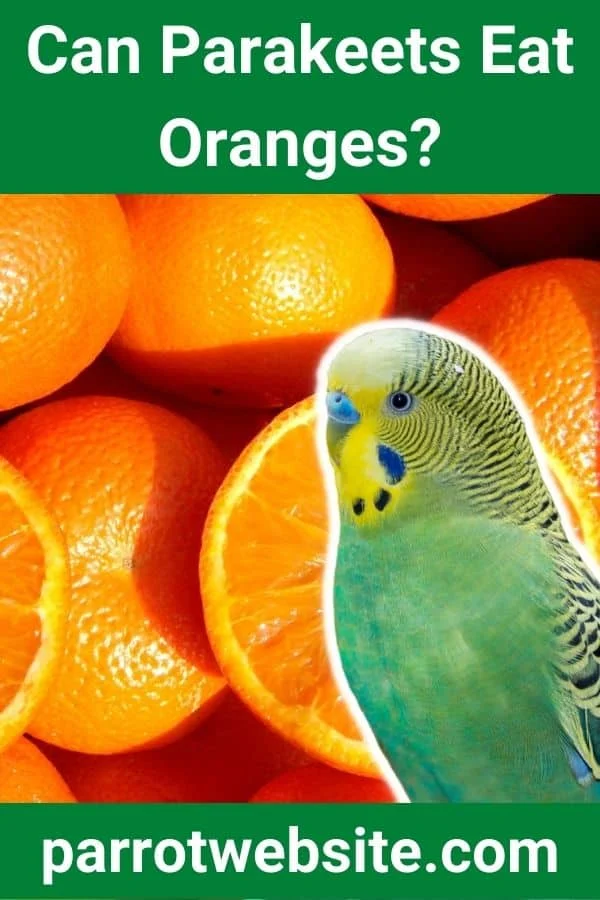
For many bird owners, the kitchen is a shared space. Whether you are prepping a morning salad or unpacking a grocery haul, your feathered companion is likely watching with curious, beady eyes, eager to sample whatever is on the menu. Recently, a common scenario played out in my own home: an overzealous trip to the greengrocer resulted in a surplus of oranges. Faced with the prospect of fruit spoilage, I found myself asking the question that many avian enthusiasts eventually ponder: Can my parakeet share in this citrus bounty?
The short answer is a definitive "yes," but the nuance is where the true responsibility of pet ownership lies. While oranges are not toxic to parakeets, they are a high-octane snack that requires strict portion control. This report delves into the nutritional profile, safety protocols, and best practices for incorporating oranges into your parakeet’s diet.
Main Facts: The Nutritional Profile of Oranges for Avian Health
To understand why oranges are a subject of debate among avian veterinarians, one must look at the fruit’s chemical composition. Oranges are dense with micronutrients, but they are also packed with natural sugars and citric acid.
The Nutritional Upside
Oranges are undeniably packed with beneficial compounds. When served in moderation, they provide:
- Vitamin C: An essential antioxidant that helps mitigate cellular oxidative stress.
- Vitamin A: Crucial for maintaining healthy feathers, skin, and vision.
- Fiber: Aids in digestive tract motility, ensuring that a bird’s gastrointestinal system functions efficiently.
- Minerals: Oranges contain trace amounts of calcium (bone health), potassium (cardiovascular and nerve function), and phosphorous.
The Nutritional Risks
Conversely, the "too much of a good thing" principle applies strictly here. Oranges possess two primary red flags:
- Sugar Content: Parakeets are small creatures with fast metabolisms. The concentrated fructose in oranges can lead to obesity and potential fatty liver issues if consumed in excess.
- High Acidity: The citric acid content in oranges can cause digestive upset, such as diarrhea or sour crop, if the bird consumes too much in a single sitting.
Chronology: The Evolution of Avian Dietary Knowledge
For decades, the standard diet for captive parakeets was largely limited to seed mixes. However, the last twenty years have seen a paradigm shift in avian husbandry. As pet owners became more attuned to the psychological and physiological needs of their birds, the "fresh food movement" began to take hold.
- Early 2000s: General avian advice warned against "human food" entirely, fearing toxicity.
- 2010s: Veterinarians began identifying the link between seed-only diets and vitamin deficiencies, leading to the introduction of pellets and fresh produce.
- Present Day: We now possess a nuanced understanding of "safe" versus "beneficial" foods. Oranges have moved from the "avoid" list to the "treat" list, categorized alongside other high-sugar fruits like grapes and melons.
Supporting Data: Why Moderation is the Golden Rule
When we evaluate the impact of oranges on a parakeet, we must consider the bird’s size. A standard orange is massive compared to the stomach of a small Melopsittacus undulatus (budgerigar).
The Mathematical Reality
If an average parakeet weighs roughly 30 to 40 grams, even a small wedge of orange represents a significant percentage of their daily caloric intake. Feeding an entire slice is akin to a human eating several full-sized cakes in one sitting.
Research into avian metabolism suggests that a parakeet’s diet should consist primarily of high-quality pellets (60-70%), followed by fresh vegetables (20-30%), and only a tiny fraction (less than 10%) should be comprised of sugary fruits like oranges. This is why experts universally suggest limiting citrus to once or twice per week at most.
Official Responses and Veterinary Perspectives
Leading avian veterinary organizations, such as the Association of Avian Veterinarians (AAV), emphasize the importance of dietary variety. While they do not explicitly ban oranges, their guidelines for "treat foods" are clear.
The "Treat" Hierarchy
Veterinarians classify food into three tiers:
- Staples: Pellets and dark leafy greens.
- Supplements: Cooked grains and legumes.
- Treats: Fruits and nuts.
Oranges fall firmly into the third category. The official consensus is that while the psychological enrichment—the joy the bird gets from shredding and tasting the fruit—is valuable, it should never replace the fundamental nutrition provided by staples. If a bird refuses to eat its pellets because it is waiting for an orange, the orange must be withdrawn immediately to correct the behavioral bias.
Implications: How to Safely Serve Oranges
If you decide to incorporate oranges into your bird’s diet, the methodology is as important as the frequency.
1. Preparation is Key
Always wash the fruit thoroughly. Pesticides and waxes on the skin of commercially grown oranges can be hazardous to a bird’s sensitive respiratory and digestive systems. Even if you plan to peel the orange, the knife used to slice it can transfer residues from the skin to the flesh.
2. Peels and Seeds: The Verdict
- The Peel: While technically non-toxic, the peel often harbors the highest concentration of pesticides. If you have access to organic, wax-free oranges, a small piece of rind can provide fiber, but it is generally safer to stick to the flesh.
- The Seeds: Contrary to popular belief, orange seeds do not contain the cyanide compounds found in apple pips or stone fruit pits. They are safe for a parakeet to ingest, though they offer little nutritional value. Most birds will ignore them anyway.
3. Monitoring the Bird
After the first time you offer an orange, monitor the bird’s droppings for the next 24 hours. Because of the high water and sugar content, you may notice looser stools. This is normal in small amounts, but if it persists or the bird appears lethargic, discontinue the practice immediately.
Conclusion: A Balanced Approach
Bringing a new food into your bird’s life is a process of discovery. My initial concern—the pile of rotting fruit in my kitchen—was solved not by offloading it all onto my parakeet, but by using the oranges as a rare, high-value reward for training.
Oranges can be a delightful addition to your parakeet’s life, providing a burst of vitamins and a stimulating change of pace. However, they are a "luxury" item, not a dietary staple. By treating oranges as an occasional treat rather than a meal replacement, you ensure that your bird enjoys the benefits of the fruit without falling victim to the risks associated with excessive sugar and acidity.
The key to a happy, healthy parakeet is the same as it is for us: moderation, variety, and an informed understanding of what we put on the plate. Next time you peel an orange, feel free to offer a tiny segment to your feathered friend—just make sure you save the rest for yourself.