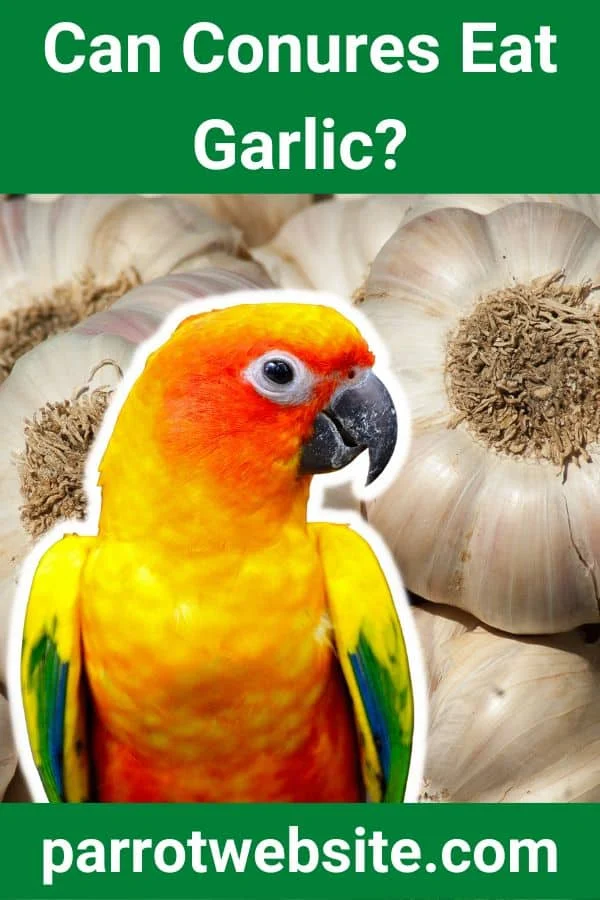
Garlic is the cornerstone of culinary excellence across nearly every culture, prized for its pungent aroma and depth of flavor. From the sautéed aromatics of a Mediterranean sauce to the sharp zest of an Asian stir-fry, it is an indispensable staple in the modern kitchen. However, as pet ownership continues to rise, so does the curiosity regarding what "human foods" are safe to share with our avian companions. When it comes to the vibrant and intelligent conure, the answer is categorical: garlic is not just an unsuitable treat—it is a potent toxin.
While many parrot owners are diligent about avoiding obvious hazards like chocolate or avocado, the dangers of the Allium genus often go overlooked. This article explores the physiological impact of garlic on conures, the scientific reality of its toxicity, and why you must treat this common spice as a serious health risk to your bird.
The Primary Hazard: Understanding Allicin Toxicity
To understand why garlic is lethal to a conure, one must look at the chemistry of the bulb itself. Garlic contains a sulfur-containing compound known as allicin. When garlic is crushed, chopped, or chewed, an enzyme called alliinase converts alliin into allicin, the compound responsible for the spice’s distinct, biting scent and flavor.
For humans, allicin is often touted for its antioxidant and antimicrobial properties. For a conure, however, allicin acts as a destructive agent within the bloodstream. It induces oxidative damage to the red blood cells, a process that leads to Heinz body anemia. In this condition, the red blood cells become structurally compromised and are prematurely destroyed by the bird’s spleen or liver. Because birds have high metabolic rates and require efficient oxygen transport to sustain flight and thermoregulation, the destruction of these cells is catastrophic.
The Mechanism of Anemia
Once the red blood cells are compromised, the bird’s body loses its ability to transport sufficient oxygen to the tissues and muscles. This results in:
- Hypoxia: A state of oxygen deprivation at the cellular level.
- Lethargy and Weakness: As muscles are starved of oxygen, the bird becomes visibly listless.
- Organ Failure: The heart, brain, and kidneys, which are highly sensitive to oxygen levels, begin to shut down under the stress of the anemia.
A Chronological Perspective: What Happens After Ingestion?
If a conure were to ingest garlic, the progression of symptoms is rarely instantaneous, which often gives owners a false sense of security.
0–2 Hours Post-Ingestion:
In most cases, the bird shows no immediate signs of distress. Because the toxic effects are internal and biochemical, there is a "silent period." During this time, the allicin is being absorbed through the digestive tract into the bloodstream.
2–12 Hours Post-Ingestion:
The oxidative damage begins to mount. You might notice the conure becoming unusually quiet. The bird may stop playing, retreat to a corner of the cage, or fluff its feathers as if it is cold. In this stage, the bird is attempting to conserve energy because its blood is no longer oxygenating its system effectively.
12–24 Hours Post-Ingestion:
If the dose was significant, the bird may enter a state of collapse. You might see the bird lying down or unable to maintain its perch. In severe cases, the bird may be unable to hold its head up. This is a critical medical emergency. Without immediate veterinary intervention, the systemic oxygen starvation can lead to death.
Supporting Data and Avian Physiology
While there is a scarcity of peer-reviewed clinical trials specifically focusing on the lethal dosage of garlic in Aratinga or Pyrrhura conures, avian veterinarians and toxicologists generally agree that the threshold for safety is non-existent.
Data derived from other small pets, such as dogs and cats, demonstrates that Allium species (including garlic, onions, chives, and leeks) cause consistent hematological damage. Avian physiologists emphasize that birds have a much higher surface-area-to-volume ratio and a faster heart rate than most mammals, meaning that toxins reach vital organs at a much faster rate.
Furthermore, some anecdotal reports within the veterinary community suggest that as little as one-quarter of a clove can be sufficient to trigger a dangerous reaction in a small parrot. Because there is no established "safe dose," the professional consensus is to maintain a zero-tolerance policy.
Official Stances: Veterinary Perspectives
Leading avian organizations and veterinarians, including those affiliated with the Association of Avian Veterinarians (AAV), consistently categorize garlic as a prohibited food item.
Why "Cooking" Doesn’t Help
A common misconception is that the heat of the oven or the stovetop neutralizes the toxic compounds in garlic. This is patently false. Cooking, roasting, or boiling garlic does not break down the sulfur-based compounds that cause anemia. In fact, while cooking may slightly alter the flavor profile, it does nothing to remove the allicin content.
The "Garlic Water" Fallacy
Some alternative health advocates have suggested adding garlic to a bird’s water supply, claiming it acts as a natural antibiotic or parasite repellent. This is a dangerous practice. There is no scientific evidence to support the efficacy of garlic water for birds, and the risks of chronic, low-level toxicity are profound. Diluting the garlic does not eliminate the allicin; it merely spreads the toxin out. Over time, this can lead to subclinical anemia, where the bird’s health slowly declines without the owner realizing the source of the problem.
Implications for Daily Care and Safety
The most important takeaway for a conure owner is that prevention is the only viable strategy.
Sensory Deterrence
Interestingly, nature has provided a minor safety net: the strong, sulfurous scent of garlic is often naturally repellent to parrots. Unlike humans, who have evolved to find this aroma appetizing, many birds find the sharp, volatile odor of sulfur compounds to be irritating. This explains why a healthy, well-adjusted conure is unlikely to intentionally eat a raw clove of garlic. However, this natural aversion should not be relied upon as a primary defense.
The Hidden Risks in "Human Food"
The real danger lies in processed foods. Many owners accidentally expose their birds to garlic through:
- Table Scraps: Pasta sauces, soups, or marinated meats often contain high concentrations of garlic powder or fresh garlic.
- Processed Snacks: Garlic bread, crackers, or flavored chips are common culprits.
- Hidden Ingredients: Always check labels on processed foods. Garlic powder is a common additive in many pantry staples.
What to Do in an Emergency
If you suspect your conure has ingested garlic:
- Do Not Induce Vomiting: Unlike with dogs, you should never attempt to induce vomiting in a bird without specific instructions from a veterinarian, as this can lead to aspiration pneumonia.
- Observe Closely: Monitor the bird for lethargy, ruffled feathers, or labored breathing.
- Contact a Vet Immediately: If you know the bird has consumed a meaningful amount, contact an avian specialist. Even if the bird seems fine, the vet may suggest supportive care or blood work to monitor for signs of anemia.
- Remove the Source: Secure all garlic and garlic-containing foods in airtight containers, well out of reach of your bird’s flight path.
Conclusion: A Culinary Boundary
The bond between a parrot and its human is built on trust and shared experiences, but it is the owner’s responsibility to curate the bird’s environment with rigorous safety standards. Garlic is, and must remain, a strictly forbidden item in your conure’s diet.
While it is tempting to share the flavors of your kitchen with your pet, the risks—ranging from subclinical health degradation to sudden, fatal anemia—are far too high to justify even a "small taste." By keeping garlic completely off the menu and focusing on a diet of avian-safe pellets, fresh vegetables, and occasional fruits, you ensure that your conure remains a healthy, energetic, and happy companion for years to come.
Remember, a bird’s health is silent until it is too late. Protect your conure by keeping the spice rack closed and the garlic far from their cage.