For many bird owners, a cockatiel is more than just a pet; it is a companion that brings vibrant energy into the home. However, when you notice a physical change in your bird—such as a red or inflamed nose—it can be a source of significant anxiety. While a red nose on a cockatiel is often a symptom of something minor, it can also be a red flag for underlying health issues that require professional intervention.
Understanding the anatomy and common health pitfalls of these birds is essential for every owner. This guide breaks down the clinical, environmental, and behavioral factors associated with nasal redness in cockatiels, providing a roadmap for when to stay calm and when to seek veterinary assistance.
Main Facts: Understanding Nasal Redness in Cockatiels
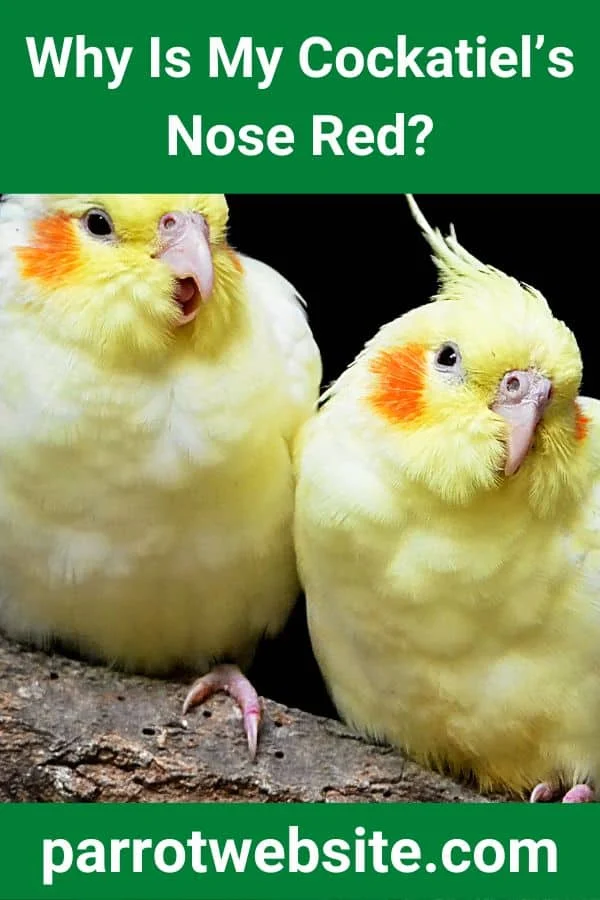
The cere—the fleshy area at the base of a bird’s beak that houses the nostrils (nares)—is a sensitive region. When this area appears red, inflamed, or irritated, it acts as a diagnostic indicator for several conditions.
The Spectrum of Causes
- Mechanical Irritation: Cockatiels are inquisitive creatures that often pick at their own faces. Excessive preening or scratching at the nares can lead to localized redness.
- Environmental Accumulation: Dander and dust are common in the avian environment. If these particles accumulate in the nares, it can lead to irritation.
- Infection: Bacterial, fungal, or viral infections are the most concerning causes. These often result from poor environmental hygiene or weakened immune systems.
- Blockages: Foreign bodies, such as seed hulls, dried food, or debris, can become lodged in the nasal passages, causing inflammation as the bird attempts to clear them.
The most important takeaway for owners is this: Do not panic. While redness is a clinical sign, it is rarely an emergency that signals immediate fatality. However, it should never be ignored, as early detection of an infection is the difference between a simple antibiotic course and a prolonged, complex recovery.
Chronology: Assessing the Situation
If you notice your cockatiel’s nose has turned red, follow this observational chronology to determine the appropriate response:
- Immediate Observation (0–2 hours): Check for behavioral changes. Is the bird sneezing, shaking its head, or rubbing its face against perches? These are signs of active irritation.
- Environmental Audit (24 hours): Evaluate the cleanliness of the cage. Is there excessive dust? Have you provided a bath? A clean environment often resolves mild irritation caused by dander.
- Symptom Tracking (48–72 hours): If the redness persists, worsens, or is accompanied by discharge (clear, yellow, or green fluid), you have moved past the realm of "minor irritation" and into the realm of potential clinical infection.
- Veterinary Consultation (Immediate): If the bird shows signs of lethargy, loss of appetite, or labored breathing, the chronology of the illness has reached a critical stage, and professional care is mandatory.
Supporting Data: Hygiene and Environmental Factors
A significant portion of avian respiratory issues can be linked directly to the quality of the bird’s living environment.
The Role of Humidity and Dander
Cockatiels are prone to producing significant amounts of dander. If the air in your home is too dry, this dander becomes airborne and eventually settles in the bird’s nares. Proper bathing is the primary defense against this. Birds should be encouraged to bathe at least every two days.
Cage Sanitation Protocols
- Weekly Maintenance: Remove all bedding, scrub perches, and wipe down cage bars. This prevents the buildup of organic matter that harbors bacteria.
- Monthly Deep Clean: Use bird-safe disinfectants to sanitize the entire habitat. This reduces the risk of respiratory infections, which are often exacerbated by poor air quality in the immediate vicinity of the cage.
Official Responses and Veterinary Guidance
When consulting with avian specialists, the consensus remains consistent: The "wait and see" approach is a gamble.
Veterinarians often emphasize the limitations of home diagnosis. To truly know if a red nose is infected, a professional must perform a choanal culture. This involves swabbing the back of the throat/nasal cavity to test for specific pathogens.
Why Home Remedies Can Be Risky
Many owners attempt to flush the nostrils with saline or use makeshift syringes to clear blockages. Veterinarians caution strongly against this. The anatomy of a bird’s nasal passage is delicate; an improperly administered flush can force fluid into the sinus cavities or lungs, causing aspiration pneumonia—a condition far more dangerous than a simple red nose.
When to Seek Immediate Care
- Presence of Discharge: Any fluid (mucus or pus) is a sign of infection.
- Odor: A foul smell coming from the beak or nose is a classic sign of anaerobic bacterial growth.
- Lethargy: If your bird is "fluffed up" or sitting at the bottom of the cage, the infection may be systemic.
- Persistent Rubbing: If the bird is obsessively scratching the area to the point of breaking the skin, it requires medical intervention to prevent secondary infection.
Implications: The Long-Term Health of Your Cockatiel
A red nose is an implication that something in your bird’s environment or health status is out of balance. While a single incident of redness might be cleared up by a simple bath, recurring redness suggests a chronic problem.
The Risk of Neglect
Ignoring a red nose can lead to chronic sinusitis. Because birds have highly efficient, complex respiratory systems, a localized infection can spread rapidly. Furthermore, the psychological stress of a chronic, itchy, or painful nose can cause the bird to engage in self-mutilation, leading to behavioral disorders that are difficult to reverse.
The Value of Preventive Care
The best way to handle a red nose is to prevent it from happening. This includes:
- Air Quality Control: Using air purifiers near the bird’s cage to minimize dust and dander.
- Hydration: Ensuring the bird is properly hydrated to help maintain the health of its mucous membranes.
- Routine Vet Visits: Annual check-ups allow a vet to establish a "baseline" for your bird’s health, making it much easier to spot when something is wrong.
Conclusion: Balancing Caution with Common Sense
Seeing your cockatiel in a compromised state is distressing, but it is important to maintain perspective. A red nose is frequently a manageable condition, often stemming from nothing more than a need for a bath or a temporary bout of over-preening.
However, the margin for error in avian health is thin. Cockatiels are masters at masking illness until they are quite sick. Therefore, if you cannot definitively identify the cause of the redness—or if you have even a shadow of a doubt—the most responsible action is to schedule an appointment with an avian veterinarian.
By prioritizing a clean environment, consistent bathing, and professional medical oversight, you ensure that your cockatiel remains a happy, healthy, and vocal member of your family for years to come. Do not wait for the situation to become critical; proactive care is the hallmark of a responsible and loving bird owner. Remember: while you may occasionally spend money on a vet visit that results in a "clean bill of health," the peace of mind and the safety of your pet are investments that are always worth the cost.