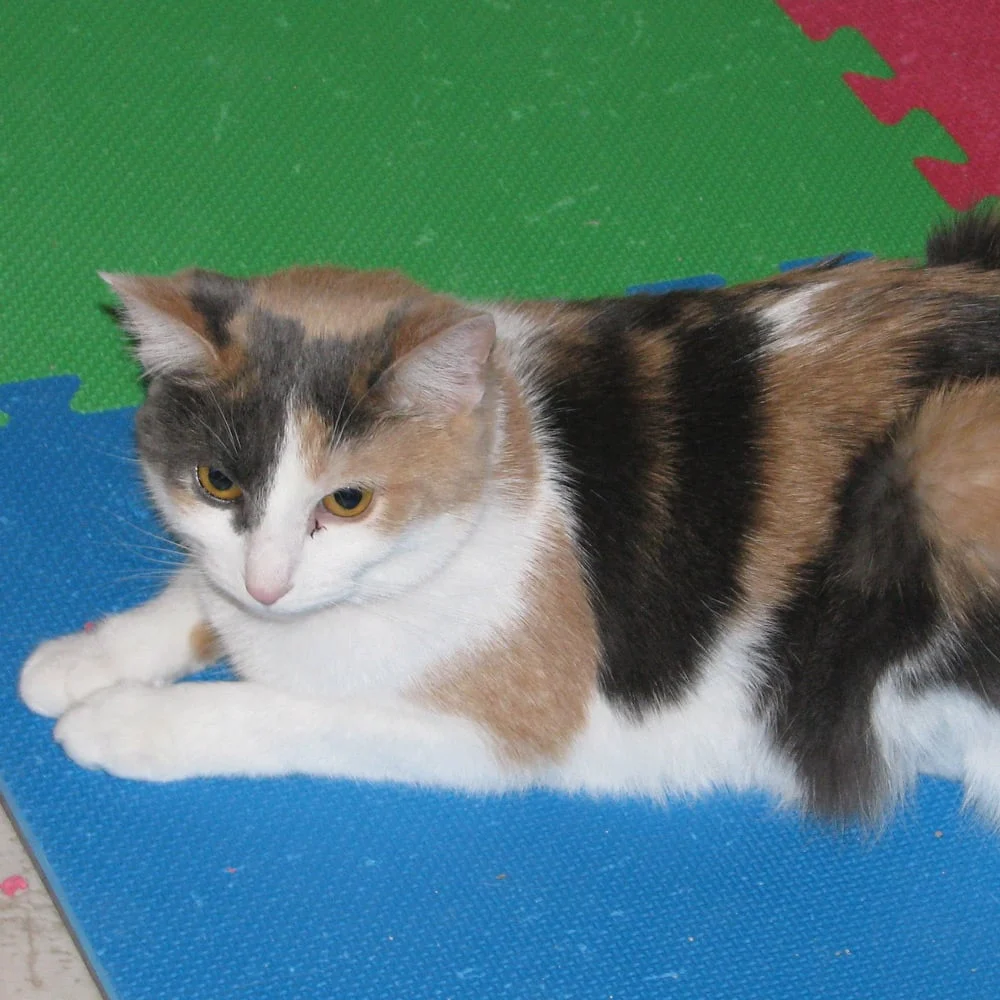
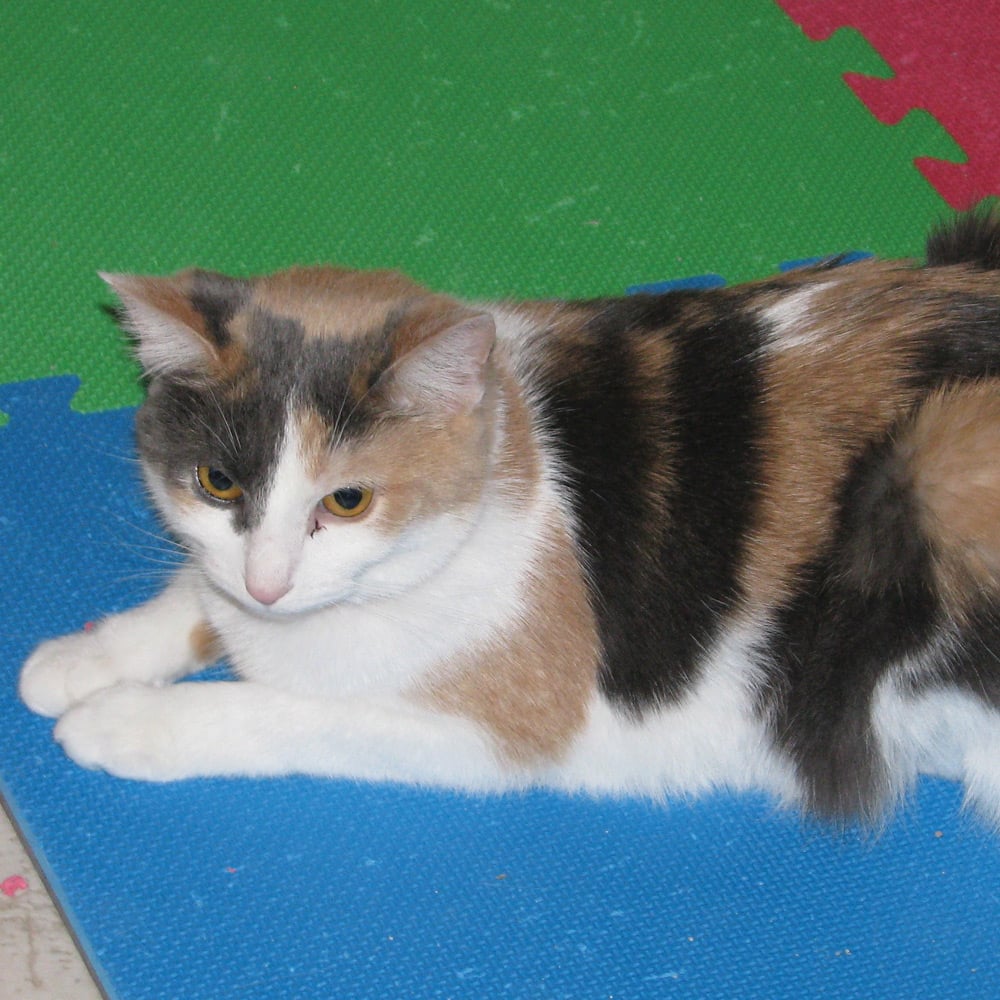
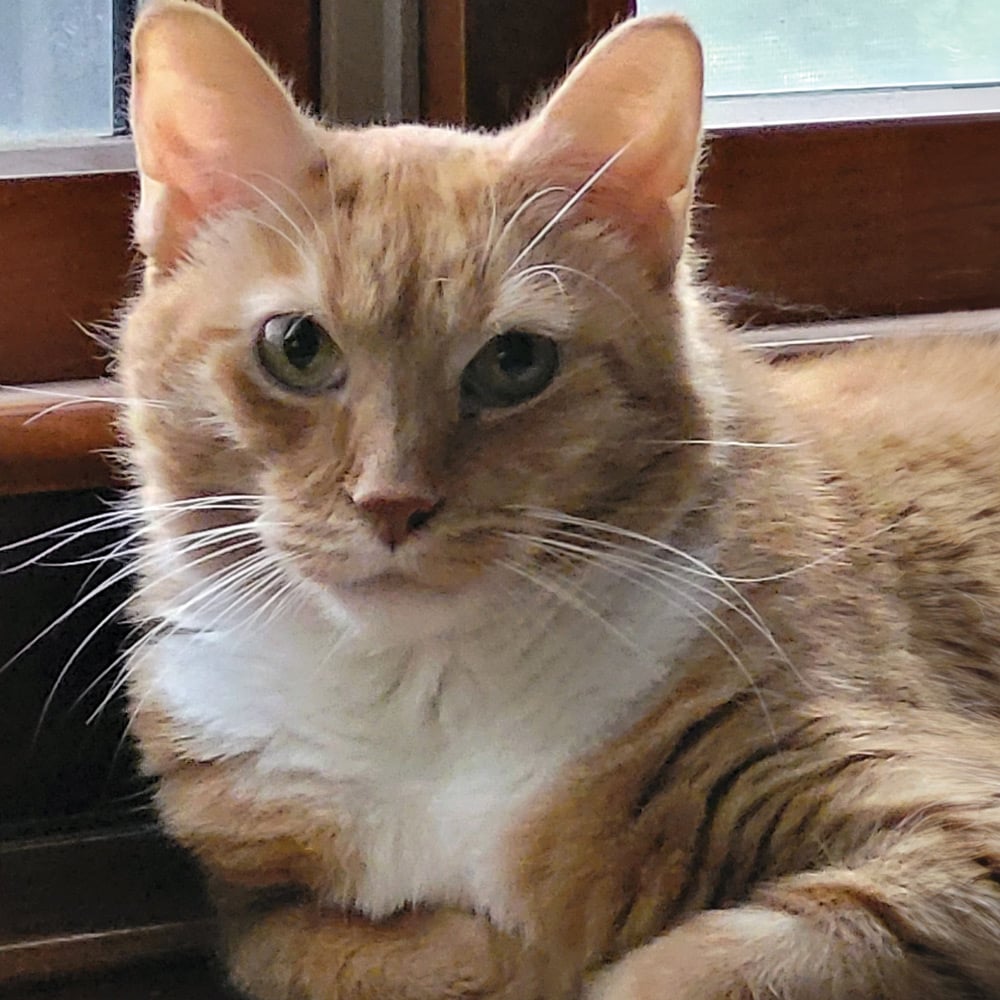
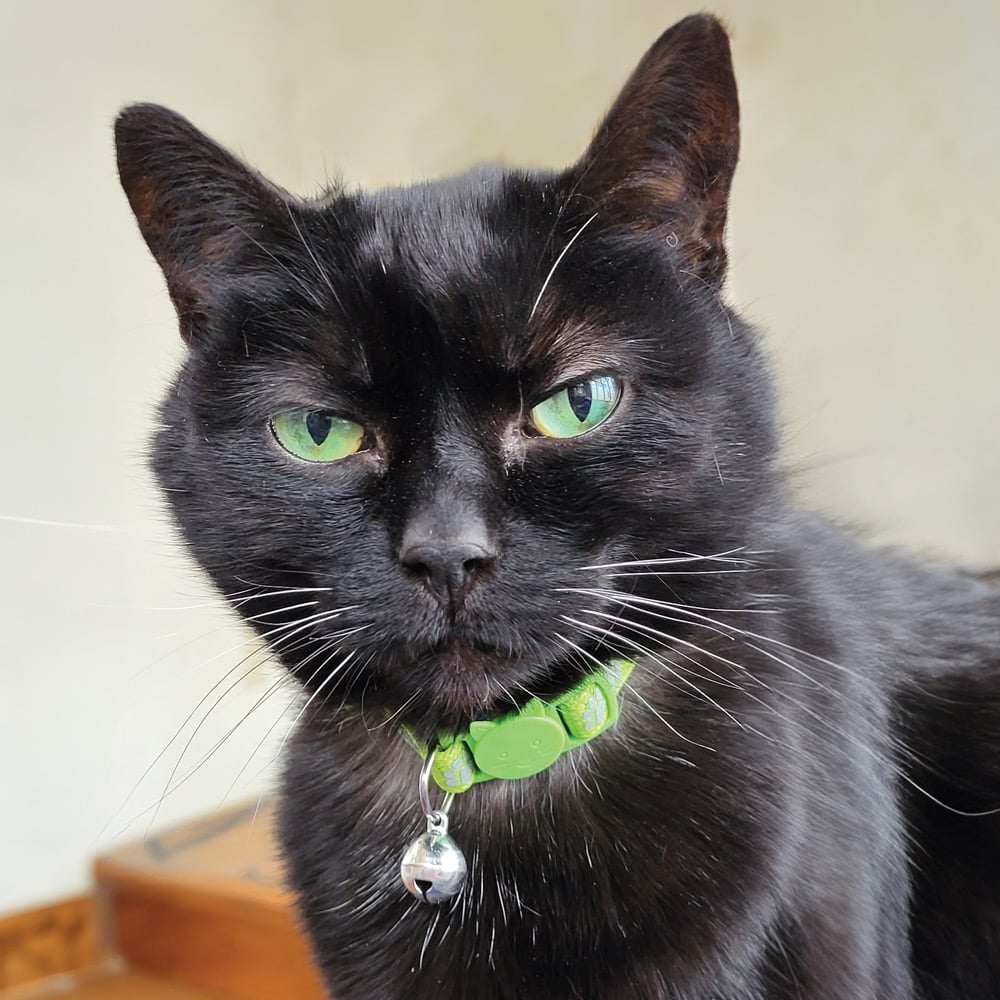
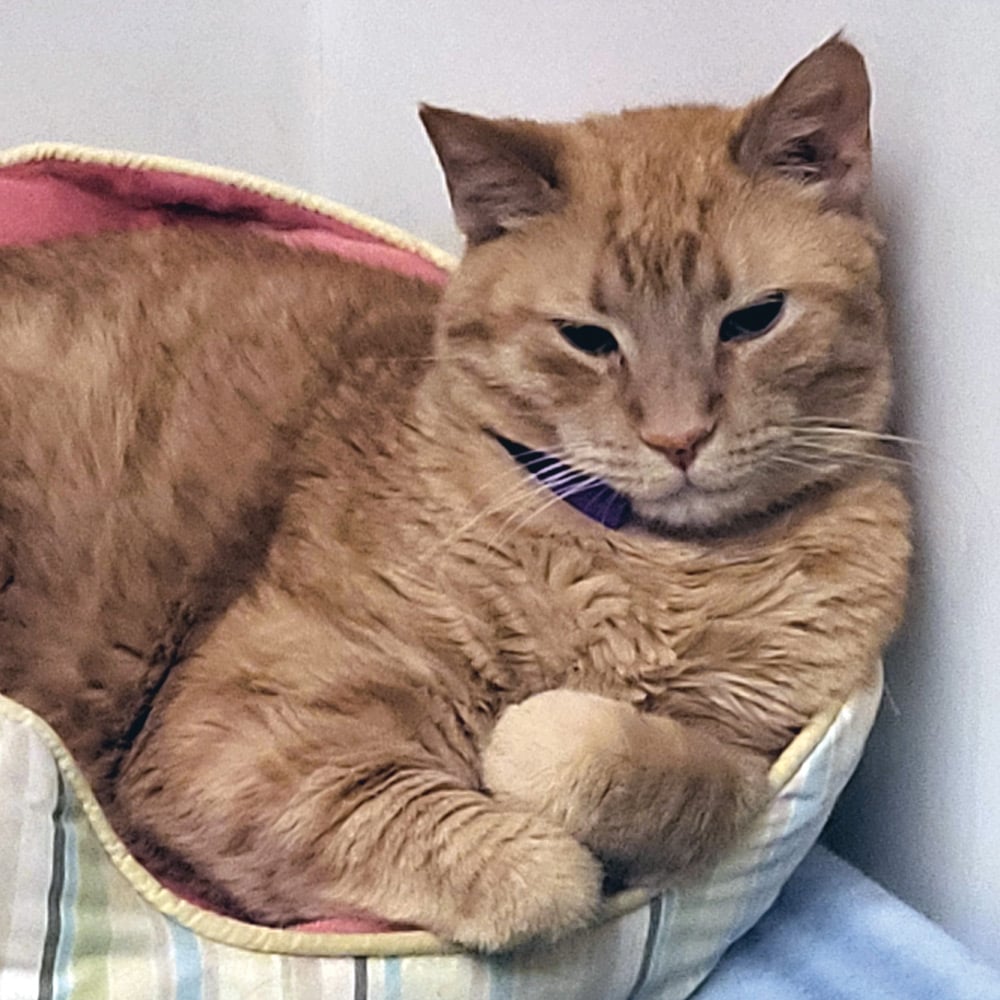
For many, a house only truly becomes a home when it is shared with the rhythmic purr of a cat. For Margaret, an Indiana resident, that domestic tranquility is multiplied by six. Her household is a vibrant, feline-filled sanctuary occupied by Mindy, Peanut, Faith, Sunshine, Midnight, and Pandora. When asked to choose a favorite among her companions, Margaret offers the classic, unwavering response of a devoted parent: “Nope.”
But Margaret’s commitment to animals extends far beyond her own living room. Over the years, she has dedicated her time and heart to fostering cats, often choosing those who were overlooked or deemed "unadoptable." Her journey into the world of animal advocacy, however, was sparked by a singular, heroic event from 1996 that captured the hearts of a nation: the story of Scarlett.
The Heroic Legacy of Scarlett
In 1996, the world watched in awe as a stray mother cat, later named Scarlett, defied death to save her litter. Trapped in a burning building in Brooklyn, New York, Scarlett repeatedly darted into the inferno, braving searing heat and smoke to carry her kittens to safety one by one. By the time the final kitten was rescued, Scarlett had suffered severe, life-threatening burns.
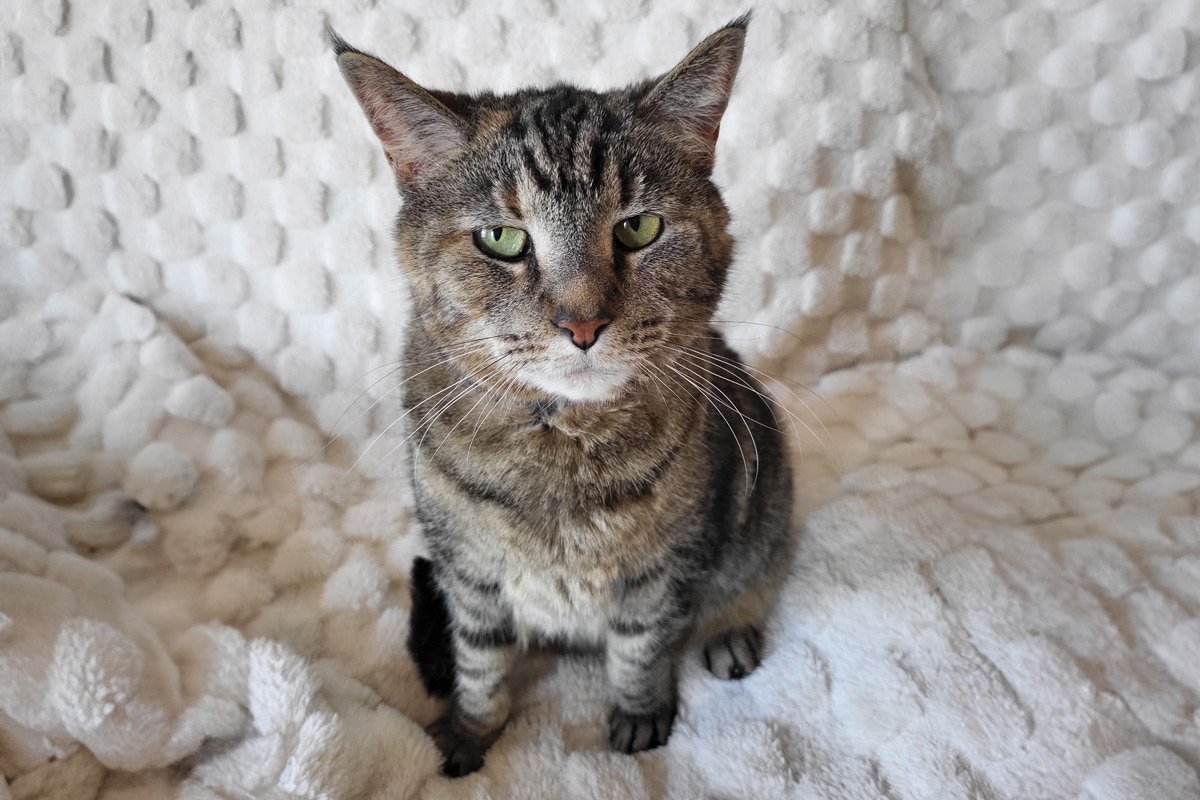
The image of that brave mother cat became a defining moment for Animal League America and left an indelible mark on Margaret. “When I heard the story about Scarlett rescuing her kittens from a fire, it really just stuck in my mind,” she recalls. That narrative of selflessness and resilience served as the cornerstone for Margaret’s lifelong trust in the organization.
The Safe Haven Surviving Pet Care Program
As years passed and Margaret began to contemplate the future, the anxiety that plagues many pet owners—who will care for my animals if I am no longer able to?—became a focal point of her planning. This concern led her to discover the Safe Haven Surviving Pet Care Program®, an initiative designed by Animal League America to provide peace of mind for pet guardians.
The Safe Haven program is a specialized estate planning resource. It ensures that if a donor passes away or becomes physically unable to provide care, their pets are not left to the uncertainty of municipal shelters or crowded rescue systems. Instead, Animal League America assumes responsibility, arranging professional, safe transportation from anywhere in the United States to their state-of-the-art campus in Port Washington, New York. Once there, the animals receive comprehensive veterinary care, behavioral support, and a secure environment until a loving, permanent home is meticulously selected.
A Legacy Built on Longevity
Margaret’s decision to enroll her six cats in the program was not made lightly. It was a choice informed by the long-standing reputation of Animal League America, which has been operating since 1944.
“As I get older, there’s got to be somebody to take care of them if I can’t,” Margaret explains. “There are a lot of shelters, but I wanted somewhere I knew would be around in the future.”
The longevity of the organization serves as the bedrock of the Safe Haven promise. In a landscape where many non-profits struggle with financial instability or shifts in leadership, the multi-decade history of Animal League America provides the institutional security Margaret requires. For her, the goal is not immediate intervention, but long-term assurance. While she fervently hopes her companions will remain by her side for years to come, the existence of the plan provides a profound sense of relief. “Of course I’m hoping they never have to go there,” she says, “but it’s good to know they’ll be taken care of when the time comes.”
The Crisis of Pet Homelessness: Why Planning Matters
The reality of pet ownership in the United States is complex. According to data from the American Society for the Prevention of Cruelty to Animals (ASPCA), approximately 6.3 million companion animals enter U.S. shelters nationwide every year. While adoption rates have seen improvements, the "senior" pet demographic and those with chronic health conditions often face the greatest challenges in finding new homes.
When a pet owner passes away suddenly without a formal plan, their animals are frequently surrendered to municipal shelters, which are often over-capacity and under-resourced. In these high-stress environments, pets that were once cherished family members can suffer from extreme anxiety, rapid health decline, or, in the worst-case scenarios, euthanasia due to space limitations.
Programs like Safe Haven bridge this gap, treating the animal’s transition as a continuation of care rather than a sudden displacement. By integrating pet guardianship into estate planning, owners like Margaret are effectively mitigating the risk of their pets falling through the cracks of the welfare system.
Official Perspective: The Importance of Proactive Care
Representatives from Animal League America emphasize that the Safe Haven program is about more than just housing; it is about honoring the bond between human and animal.
"The goal is to eliminate the ‘what if’ factor that keeps so many pet owners awake at night," says a spokesperson for the organization. "When we accept an animal into the Safe Haven program, we are making a lifetime commitment to that individual soul. We take the time to understand their personality, their medical needs, and their social preferences. We don’t just find them a home; we find them a compatible partner."
This level of individualized attention is what sets the program apart from traditional rescue operations. It recognizes that every pet has a unique history and that, for many, the sudden loss of their primary caregiver is a traumatic event that requires a gentle, well-managed transition.
Implications for Future Pet Guardianship
The story of Margaret and her six cats serves as a blueprint for responsible pet guardianship in the 21st century. As the population ages, the number of pets requiring long-term care plans is expected to rise. The following implications highlight why such initiatives are becoming essential:
- Estate Planning as Advocacy: By incorporating pet care into legal wills and trusts, owners are ensuring that their pets are treated as family members rather than assets.
- Institutional Continuity: Donors are increasingly prioritizing organizations with long-term fiscal health and proven track records, ensuring that the promise made today remains valid decades into the future.
- Reducing Shelter Strain: By keeping private pets within a structured, private care network, these programs reduce the burden on public animal control facilities, allowing those resources to be directed toward street rescues and emergency cases.
Conclusion: A Comforting Future
For Margaret, the choice to align her future with Animal League America is the ultimate expression of love for Mindy, Peanut, Faith, Sunshine, Midnight, and Pandora. It is a testament to the idea that responsibility does not end when our own capabilities fade.
By taking the steps to plan today, she has turned a source of potential anxiety into a pillar of strength. Her story is a poignant reminder that while we cannot predict the future, we can certainly prepare for it—ensuring that the companions who bring us so much joy are treated with the same level of dignity and protection for the rest of their lives. As Margaret looks at her six cats, she does so with the confidence that, no matter what, her "family" will remain safe, cherished, and protected.