As global temperatures continue to climb and extreme heat events become the new seasonal baseline, pet owners—particularly those involved in high-intensity canine sports—are facing a critical juncture. For many, the joy of working with dogs is increasingly tempered by the sobering reality of heat-related illness.
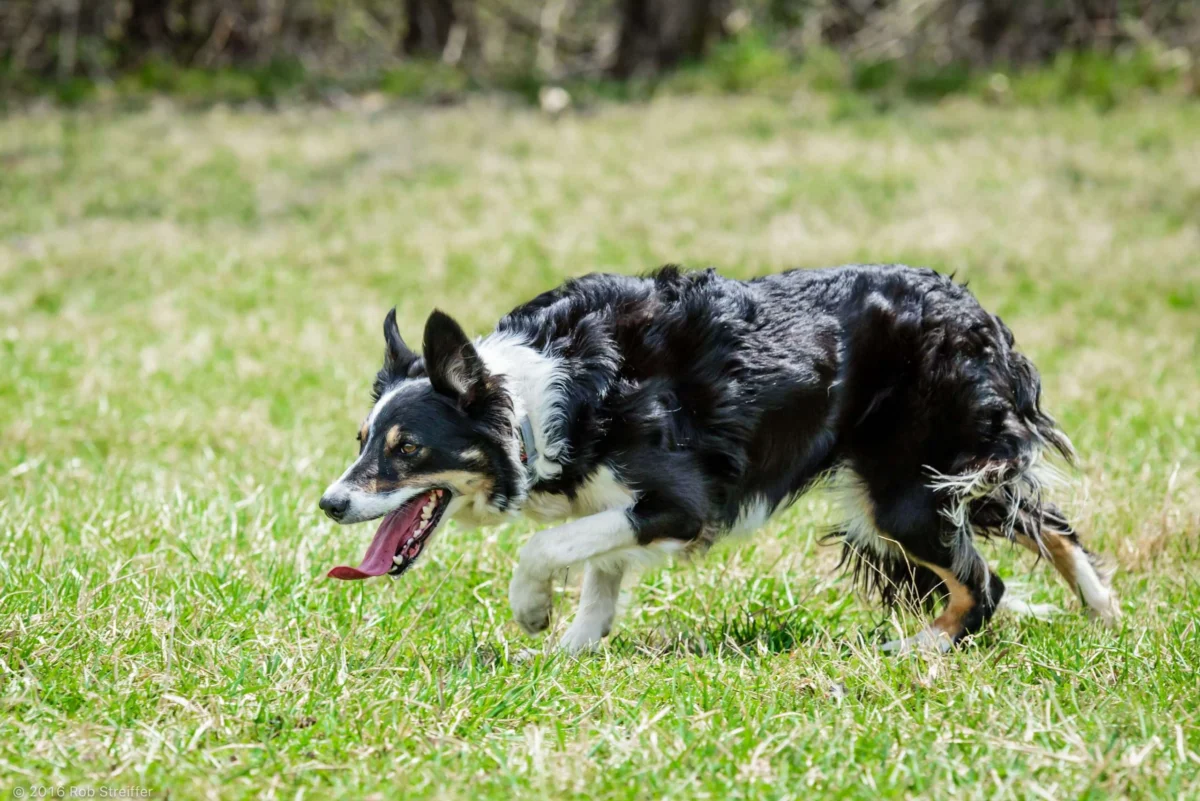
Renowned dog trainer and behaviorist Patricia McConnell recently shared her decision to withdraw her working sheepdog, Skip, from the Irish Woods Stockdog Trial. The reason? A combination of oppressive humidity and Skip’s pre-existing condition: degenerative mitral valve disease. For handlers and pet owners alike, Skip’s story serves as a poignant case study on the intersection of climate change, veterinary health, and responsible stewardship.

The Reality of Canine Heat Stress: A Chronology of Risk
The danger of heat-related illness is not a theoretical concern; it is an acute, life-threatening emergency. Dogs possess a limited capacity to thermoregulate, as they lack the widespread sweat glands humans rely on. Their cooling relies heavily on panting and vasodilation, mechanisms that fail rapidly when ambient humidity is high and airflow is minimal.
The Trial Experience: A Lesson in Human vs. Canine Resilience
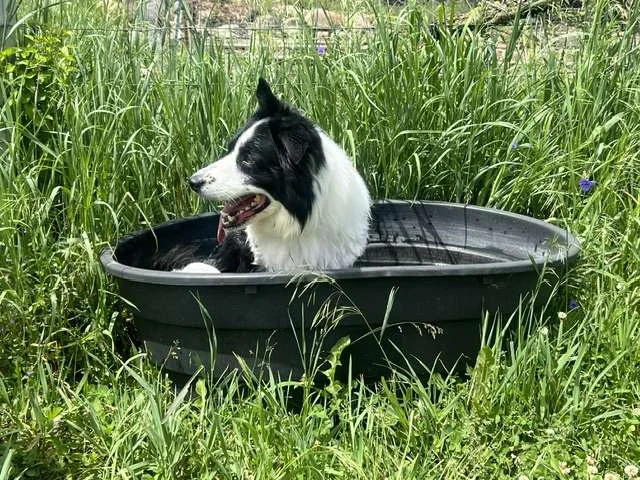
In a recent trial, the physical demands of a high-80s, high-humidity environment underscored the fragility of these animals. Despite taking precautionary measures—utilizing water tanks for cooling and maintaining shade—the physical toll was evident.

Interestingly, the human handler often faces as much risk as the dog. During the trial, while Skip performed with characteristic quiet focus, his handler struggled with the onset of heat exhaustion. This event provided a critical "note to self" for the canine community: the handler’s physical state is a prerequisite for the dog’s safety. A heat-stressed human is a less capable advocate for their animal’s well-being.
The Escalation of Climatic Threats
Heat domes and record-breaking temperatures are becoming frequent fixtures of the summer landscape. Historical data indicates that the interior of a vehicle can reach a lethal 116°F in under an hour, even on moderately warm days. Despite common misconceptions, cracking a window provides negligible relief; heat does not dissipate laterally, and dashboard temperatures can soar to upwards of 157°F. The mandate for owners is clear: the only safe temperature for a dog in a parked car is zero.

Supporting Data and Best Practices
To effectively manage canine health, owners must move beyond conventional wisdom and look toward empirical, research-backed methodologies.
Cooling Strategies: The "Head-Dunk" Technique
Recent research from the University of Pennsylvania has identified a highly effective, rapid-cooling method: fully submerging a dog’s head in cool water. This approach leverages the significant vascular density in a dog’s head and face to facilitate faster heat exchange than surface cooling alone.

Hydration and Electrolyte Science
While the debate over electrolytes in canine diets has been contentious, emerging evidence suggests that carefully formulated, chicken-flavored electrolyte solutions can significantly aid hydration before work. The common fear—that excess sodium might cause harm—has been mitigated by studies showing that healthy dogs efficiently excrete excess sodium through their urine.
Dietary Adjustments
The role of diet in thermoregulation is gaining traction. Studies involving scent detection dogs, conducted in partnership between Auburn and Cornell Universities, have indicated that diets supplemented with specific fats (such as corn oil) may help dogs return to baseline body temperatures more efficiently following exertion. While the "high-fat vs. low-protein" debate continues among veterinary nutritionists, the consensus remains that maintaining a lean Body Condition Score (BCS) is the single most important dietary factor in heat tolerance.

Official Perspectives and Expert Insight
Veterinary professionals and animal behaviorists stress that heat-related illness is a cumulative risk factor.
The Brachycephalic Factor
Structure remains a non-negotiable variable in heat tolerance. Brachycephalic (short-nosed) breeds, such as Pugs and Bulldogs, possess anatomical respiratory challenges that make them exceptionally vulnerable to overheating. For these breeds, even moderate activity in humid conditions can be fatal. The veterinary community increasingly calls for a focus on breeding for physiological health over aesthetic traits to minimize these inherent risks.

The Role of Cooling Gear
Advancements in cooling technology, such as the Chilly Buddy cooling vest, have shown promise. By reflecting solar radiation, these vests can significantly lower the temperature of the dog’s coat. While internal cooling remains the primary goal, anecdotal and observational evidence suggests that cooling vests effectively reduce panting and lethargy in working dogs during rest periods.
Implications for the Future of Dog Sports
The implications of a warming climate for the future of canine athletics are profound. Trial organizers and participants must adapt to these new realities:

- Mandatory Infrastructure: "Well-run" trials must now be defined by their facilities. This includes access to ample, clean, cool water tanks for both sheep and dogs, as well as adequate shaded areas.
- Strict Monitoring: Handlers are encouraged to utilize digital thermometers to monitor internal temperatures. An internal temperature exceeding 106°F is a crisis; however, accurate measurement (preferably rectal) is essential for life-saving interventions.
- The Acclimatization Fallacy: While some dogs may adapt to local climates over time, owners should not assume that a dog will eventually "get used to" the heat. Skip’s experience—living in a humid climate for four years without a significant increase in heat tolerance—serves as a cautionary tale. If a dog is genetically or physically predisposed to heat sensitivity, climate change will only exacerbate the issue.
A Call to Stewardship
The decision to pull a dog from a competition, as in the case of Skip, is not a failure—it is the pinnacle of responsible ownership. The bond between handler and dog is predicated on the handler’s ability to prioritize the animal’s safety over the competitive outcome.
Conclusion: A New Standard of Care
As we navigate the increasing heat of our summers, the responsibility lies with the owner to act as the primary environmental regulator for their dog. This involves a comprehensive approach: keeping dogs lean, understanding the nuances of hydration, recognizing the early signs of heat distress (such as a tongue curling at the tip or excessive panting), and, most importantly, knowing when to call it a day.

Beyond the challenges of the field, life continues. For many, the joy of companionship remains the primary objective. Whether it is bird-watching from the cool indoors or focusing on enrichment activities that don’t require physical strain, there are myriad ways to ensure our dogs remain healthy, comfortable, and happy. As we look toward the future, the integration of new scientific data and a compassionate, observant approach to canine welfare will be the definitive standard for the next generation of dog owners.
The goal is not to stop the work we love, but to ensure that our partners—our sheepdogs, our companions, our family members—are here to share in the joy for years to come. Regardless of the thermometer, the most important metric of success is the health and longevity of the animals we cherish.