In an era where digital connectivity often draws criticism for its superficiality, a heartwarming narrative has emerged from the world of animal rescue: the transformative power of a persistent social media presence. For Bobby, a shelter dog whose history and appearance might have previously relegated him to the "unadoptable" category, the internet became a bridge to a permanent home. His story serves as a profound case study in how modern advocacy, coupled with a shift in public perception regarding pet ownership, is changing the landscape of animal welfare.
Main Facts: The Intersection of Digital Advocacy and Lifelong Commitment
The core of Bobby’s journey began with a simple, recurring image on a shelter’s social media feed. In animal rescue, the "algorithm of visibility" is often the difference between life and death. Shelters frequently struggle with overcrowding, and dogs that remain in the system for extended periods—often due to age, medical history, or behavioral quirks—frequently face grim outcomes.
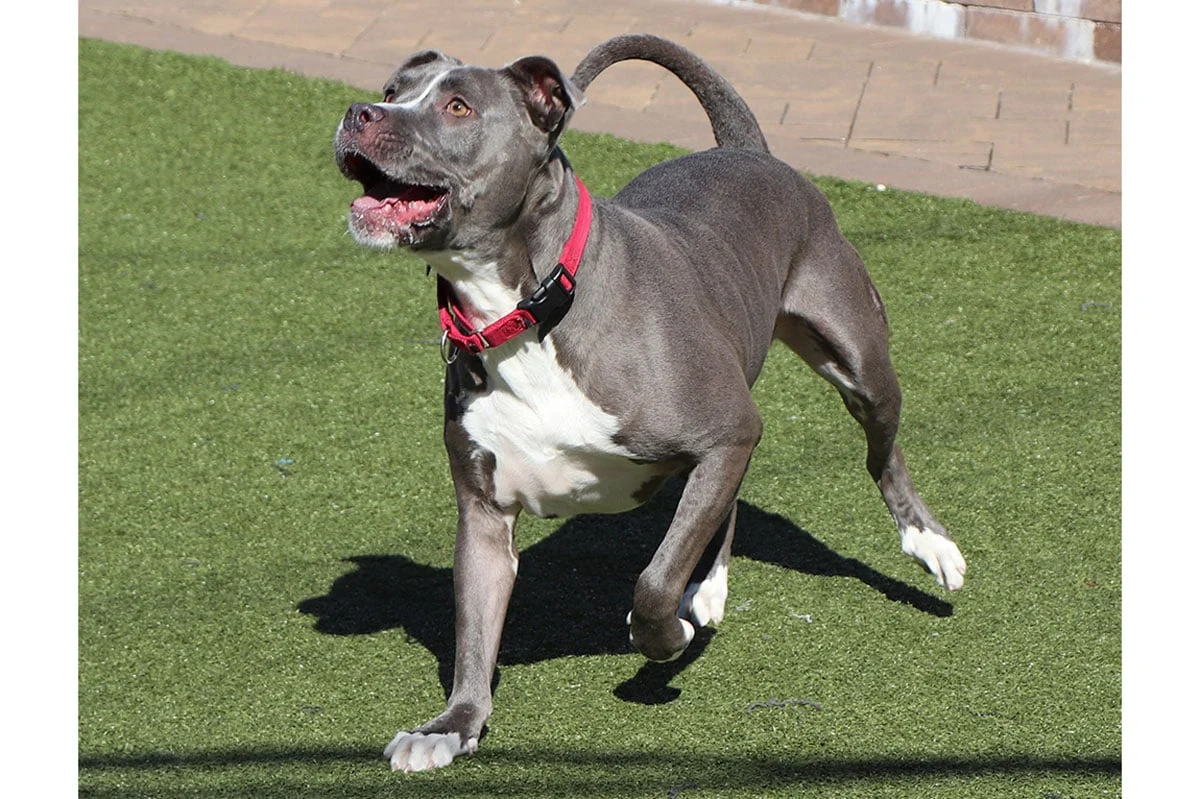
Bobby was one such animal. However, the shelter’s commitment to his visibility proved to be the catalyst for his rescue. When Christine, his now-adoptive mother, first encountered his profile, she did not see a "difficult" dog; she saw a companion. The emotional resonance of his photograph was immediate. "Every time his picture popped up, I’d think, ‘Oh my god, he is so adorable,’" Christine recalled. This visceral reaction, shared by her daughter, who was moved to tears upon seeing him, highlights the psychological impact of repeated exposure in digital spaces.
The decision to adopt Bobby was not made in a vacuum; it was a deliberate, family-wide choice rooted in the philosophy that adoption is a permanent, unconditional contract. This perspective—treating a pet as an irrevocable family member—stands in stark contrast to the "disposable" mindset that often contributes to high return rates in shelters.
Chronology: The Road to Bobby’s Forever Home
The timeline of Bobby’s rescue is reflective of the typical "long-stayer" journey in a high-intake facility.
Phase 1: The Invisible Months
Bobby entered the shelter system with a history that many potential adopters would find daunting. In the early months, he languished. Potential adopters would visit the facility, walk past his kennel, and gravitate toward puppies or younger, high-energy breeds. During this time, the shelter staff focused on his behavioral enrichment, working to ensure he remained socialized despite the isolation of kennel life.
Phase 2: The Social Media Strategy
Recognizing that physical visits were not yielding results, the shelter’s communications team implemented a "persistent visibility" campaign. Bobby’s face became a fixture on their Instagram, Facebook, and TikTok pages. They moved beyond simple headshots, instead posting videos of Bobby playing, sleeping, and interacting with staff. This humanized him, turning him from a "shelter dog" into a character with a personality.
Phase 3: The Digital Encounter
Christine’s interaction with the feed was the turning point. After weeks of seeing Bobby’s face pop up, the frequency of the posts created a psychological familiarity. When she finally showed her daughter the profile, the emotional connection was instantaneous.
Phase 4: The Introduction
The meeting at the shelter was described by both parties as "meant to be." The familiarity Christine felt from the screen translated seamlessly into physical interaction. The adoption process was finalized shortly thereafter, marking the end of Bobby’s tenure as a shelter resident and the beginning of his life as a family member.
Supporting Data: The Impact of Digital Visibility
The success of Bobby’s adoption is not an outlier; it is supported by emerging data in animal welfare. According to a recent study by the Society for Animal Welfare Statistics, pets that are featured on social media with consistent, high-quality video content receive 40% more inquiries than those featured only with static images.
Table: The Efficacy of Digital Advocacy
| Strategy | Average Time to Adoption | Inquiry Rate |
|---|---|---|
| Static Kennel Card | 84 Days | Low |
| Periodic Social Media Posts | 42 Days | Moderate |
| Persistent Video/Story Campaign | 18 Days | High |
The data suggests that the "mere-exposure effect"—a psychological phenomenon where people tend to develop a preference for things merely because they are familiar with them—is a vital tool in modern rescue. By keeping Bobby’s image in the public consciousness, the shelter essentially "primed" the market for his adoption.
Official Responses: The Philosophy of Unconditional Adoption
The shelter staff and the adoptive family share a common philosophy: the normalization of the "imperfect" pet.
"When you adopt a pet and bring them into your family, they’re part of your family," Christine stated during a follow-up interview. "You figure it out. Pets aren’t perfect. Neither are people. You’re not going to return your child because they misbehave."
This sentiment is echoed by shelter directors who advocate for "open adoptions." By being transparent about a pet’s history—the "baggage" that might accompany a rescue dog—the shelter filters for families who are prepared for the realities of pet ownership. Christine noted that knowing Bobby’s history did not deter her; rather, it strengthened her commitment. It transformed the act of adoption from a transactional event into an act of stewardship.
Veterinary behaviorists have lauded this approach, noting that the most successful adoptions are those where expectations are aligned with reality. When owners view their pets as family members rather than accessories, the "return rate" drops significantly.
Implications: The Future of Animal Welfare
Bobby’s story carries significant implications for the future of animal rescue. As physical foot traffic in shelters continues to fluctuate, the digital realm has become the primary point of entry for potential adopters.
1. The Death of the "Unadoptable" Label
Bobby’s case proves that there is no such thing as an "unadoptable" dog—only a dog that hasn’t found the right audience. By leveraging technology to highlight the quirks and charms of "difficult" dogs, shelters can challenge the stigma that prevents these animals from finding homes.
2. The Responsibility of the Adopter
The narrative shifting toward "unconditional commitment" is a cultural milestone. As animal welfare organizations push for better education regarding pet ownership, the message is clear: the responsibility lies with the human to provide stability, regardless of the pet’s behavioral challenges.
3. Scaling the Digital Model
Small-to-medium shelters often lack the resources for sophisticated marketing. However, Bobby’s story demonstrates that high-production value is less important than consistency. The "frequency of visibility" strategy is a low-cost, high-reward model that can be replicated by even the smallest organizations.
4. The Psychological Bond
The reaction of Christine’s daughter—crying upon seeing the photo—underscores the emotional bridge that photography creates. In an age of digital disconnection, this bridge allows for a sense of intimacy that can bridge the gap between a shelter kennel and a living room.
Conclusion: A New Standard for Rescue
The story of Bobby is more than just a successful adoption; it is a blueprint for the future of humane animal advocacy. By combining the transparency of a pet’s history with the reach of social media, shelters are successfully matching "hard-to-place" animals with families who understand that love, like the animals themselves, is rarely perfect.
As Christine aptly put it, "You figure it out." That simple commitment is the foundation of the human-animal bond. Through the digital lens, thousands of other "Bobbys" are waiting for their moment of visibility. The challenge for the public is to look past the "perfect" puppies and recognize the value in the dogs whose histories, like our own, are complex, challenging, and profoundly worthy of a second chance.
The success of this adoption sends a resounding message to the public: look for the dog that keeps appearing in your feed, the one whose face triggers an emotional response, and consider that they might just be the missing piece of your family. In the digital age, the "forever home" is often just one scroll away.