In the quiet corners of Warren and Washington Counties, a silent crisis persists beneath the surface of suburban normalcy. It is a struggle measured not in political campaigns or economic indices, but in the health and survival of the region’s feral and stray cat populations. At the heart of this endeavor is the North Country Initiative (NCI), a rescue organization led by Director Deborah Oligny. Through tireless advocacy, medical intervention, and community-based trap-neuter-return (TNR) programs, Oligny and her team are redefining the standard of animal welfare in the North Country.
Main Facts: The Scope of the Crisis
The scale of the feline welfare crisis in New York’s North Country is staggering. At any given moment, the NCI team is managing the health and stability of approximately 15 distinct feral cat colonies across a sprawling geographical territory. These colonies—groups of cats that have reverted to a wild or semi-wild state—are not merely wandering pets; they are complex social structures that require constant human intervention to prevent starvation, disease outbreaks, and uncontrolled breeding cycles that lead to further suffering.
Oligny’s mission is twofold: emergency rescue for individual animals in critical distress and systemic population management through community collaboration. By addressing the root causes of stray overpopulation, NCI seeks to transition these regions from "crisis management" to "sustainable care."
Chronology: The Journey from Rescue to Rehabilitation
To understand the efficacy of the NCI model, one must look at the individual stories that define their daily work. The recent cases of two cats, Rubble and Rocco, serve as poignant case studies in the high-stakes world of feline rescue.
The Case of Rubble
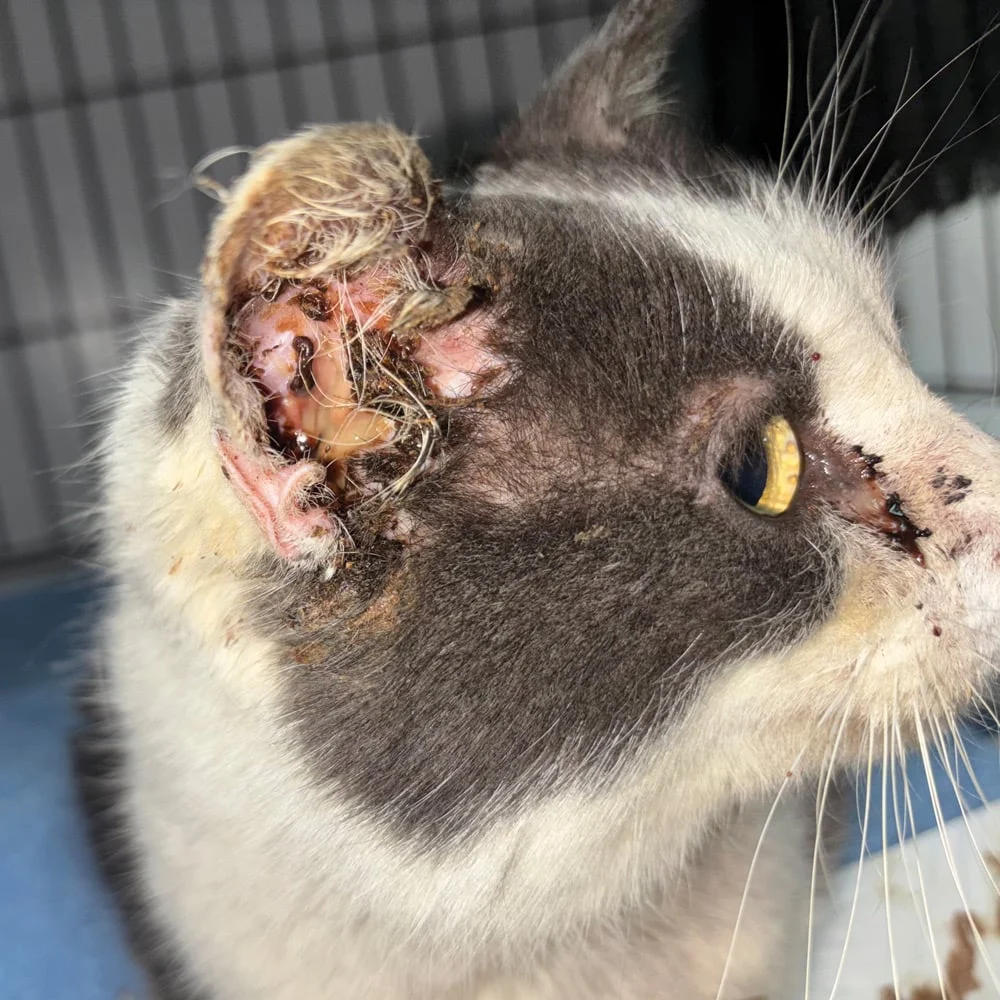
Rubble’s journey began in a state of advanced neglect. When he was brought into the NCI fold, he was suffering from a severe, untreated ear infection that had progressed to the point of a ruptured eardrum. For an animal in the wild, such an injury is often a death sentence, leading to chronic pain, disorientation, and secondary infections that compromise the immune system.
The "Rubble Protocol" began immediately. Over several weeks, the NCI staff implemented a rigorous medical regimen, including systemic antibiotics and meticulous wound care. Beyond the clinical intervention, Rubble required what Oligny calls "social rehabilitation." Having spent his life in a feral state, the process of trusting human touch was a monumental hurdle. Through patient interaction and specialized care, Rubble underwent a transformation. Today, he is fully recovered, healthy, and currently awaiting placement in a permanent, loving home—a testament to the resilience of the animals and the dedication of his rescuers.
The Case of Rocco
Rocco’s arrival at NCI paralleled Rubble’s in its urgency. While his specific medical needs differed, his condition highlighted the environmental hazards faced by strays in the Warren and Washington County corridors. His recovery process served as a cornerstone of the team’s current operational capacity, demonstrating that even the most compromised animals can thrive with the right resources.
Supporting Data: The Logistics of Compassion
Operating an organization like NCI requires a sophisticated logistical infrastructure. Managing 15 colonies simultaneously is a feat of resource allocation. Data from the organization suggests that the average feral colony in this region consists of anywhere from six to twenty individuals. This means that at any given time, Oligny’s team is monitoring the welfare of potentially 300 or more cats.
The Economics of TNR
The effectiveness of the NCI approach is rooted in Trap-Neuter-Return (TNR) methodologies. The financial implications of this work are significant. Providing veterinary care, vaccinations, and spay/neuter surgeries for a single cat can cost upwards of $200–$500, depending on the severity of the medical issues. When scaled across dozens of colonies, the budget requirements for NCI extend into the tens of thousands annually, supported almost entirely by donor contributions and local community grants.
Veterinary Partnerships
A critical component of the NCI data structure is their relationship with regional veterinary clinics. Without the discounted surgical rates and emergency diagnostic support provided by partner clinics, the organization would be unable to sustain the volume of rescues they currently handle. This partnership represents a symbiotic relationship between animal welfare organizations and the medical community, ensuring that the burden of animal care is shared rather than resting solely on the shoulders of the rescuers.
Official Responses and Community Engagement
Director Deborah Oligny has been a vocal proponent of community-based solutions, often appearing at local town halls and neighborhood association meetings to educate residents on the benefits of managing feral colonies.
"The goal is not to eradicate the cat population overnight," Oligny explains. "The goal is to stabilize it. When you manage a colony through TNR, you stop the cycle of uncontrolled birth. You create a healthier, more manageable environment for both the cats and the human neighbors who live alongside them."
Local municipal leaders have begun to recognize the value of NCI’s efforts. By mitigating the population explosion of stray cats, NCI inadvertently reduces the number of animal control complaints and the associated public health risks. Several townships in Washington County have expressed interest in integrating NCI’s expertise into their local waste and animal management strategies, marking a significant shift in how regional government views feral cat populations.
Implications: The Future of Animal Welfare in the North Country
The work being done by NCI carries long-term implications for the regional ecosystem. An unmanaged feral cat population can lead to significant wildlife depletion and the spread of zoonotic diseases. Conversely, a managed population—one that is vaccinated and neutered—serves as a barrier against these issues.
The Need for Scalable Support
The primary challenge facing Oligny and her team is scalability. As demand for their services grows, the limitations of their current volunteer-heavy model become apparent. There is an urgent need for more foster homes, increased veterinary capacity, and a broader base of financial support to ensure that no cat in need of care is turned away.
Education and Advocacy
Moving forward, NCI intends to expand its educational outreach. By hosting workshops on how to properly maintain feeding stations and how to identify cats that are candidates for TNR, the organization hopes to empower the community to take an active role in their own neighborhoods. The goal is to move from a reactive model—where cats are rescued only after they are near death—to a proactive model, where residents monitor colony health and intervene before health crises reach the level of a ruptured eardrum or a chronic infection.
Conclusion: A Testament to Human-Animal Connectivity
The story of NCI is one of profound empathy balanced by professional rigor. Deborah Oligny’s leadership has fostered a culture where the individual value of a cat like Rubble is held in equal regard to the systemic health of a colony in Washington County.
As the organization continues to grow, its success will depend on its ability to maintain these high standards of care while expanding its reach into the most underserved areas of the state. The cats of the North Country are fortunate to have such steadfast advocates. For the residents of these counties, NCI serves as a reminder that the health of the community is inextricably linked to the compassion shown to its most vulnerable inhabitants.
Whether it is through the donation of a bag of cat food, the opening of a home to a foster animal, or the simple act of reporting a new colony to the NCI team, the community has the power to define the future of feline welfare. In the end, the work of Deborah Oligny and her team is more than just about saving cats—it is about restoring balance to the landscape and proving that with enough dedication, even the most dire situations can be turned around, one life at a time.