
Main Facts: The Transformation of a Life
In the vast landscape of animal rescue, the narrative of a single dog often serves as a microcosm for the collective effort required to save a life. Such is the case with Binky, a puppy whose survival story began on the shoulder of a high-traffic highway and culminated in a heartwarming adoption that bridged the gap between a compassionate foster caregiver and a welcoming permanent family.
Rescued earlier this year by the team at Friends of Jefferson Animals, the puppy—later renamed Juju—arrived at the North Shore Animal League America’s network as a fragile, sickly stray. What set her journey apart, however, was not just the physical recovery she underwent, but the emotional legacy left behind by her foster caregiver, a young girl named Madi. This article explores the symbiotic relationship between rescue partners, the vital role of foster care in animal socialization, and the profound impact of intergenerational compassion in the pet adoption process.
Chronology: From Peril to Potential
The timeline of Juju’s life reflects the standard, yet heroic, progression of a rescue animal. It began in the early months of the year, when the puppy was discovered in a life-threatening situation along a bustling highway. Exposure to the elements, coupled with the inherent dangers of proximity to heavy traffic, meant that the puppy arrived at the Friends of Jefferson Animals facility in a precarious state of health.
The Foster Phase: Building Trust
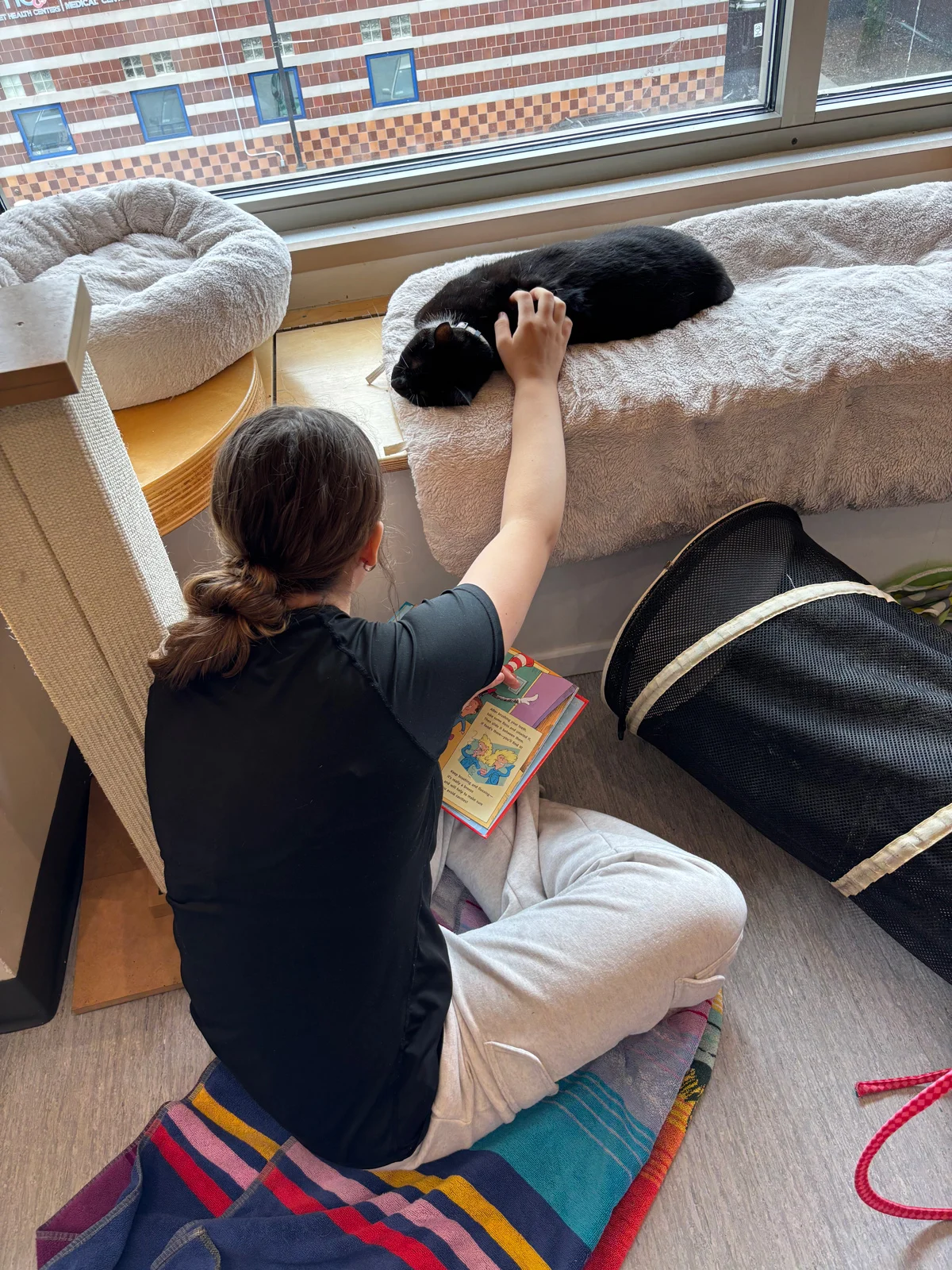
Following initial stabilization, the puppy was placed into the foster care of Madi. This period proved to be the turning point in the dog’s development. Under Madi’s stewardship, the puppy was nursed back to health, receiving the essential medical intervention and, perhaps more importantly, the psychological security required for a young animal to thrive.
By mid-year, the transformation was evident. Madi noted that the puppy, initially labeled as "a sick little thing," had blossomed into a robust and eager learner. Through consistent, gentle guidance, the puppy learned fundamental obedience commands, such as "sit," and developed a playful affinity for being in front of the camera. This foster period acted as the foundational "education" for the dog, ensuring that when she eventually entered the adoption market, she was not just a survivor, but a well-socialized pet ready for domestic life.
The Transition and Adoption
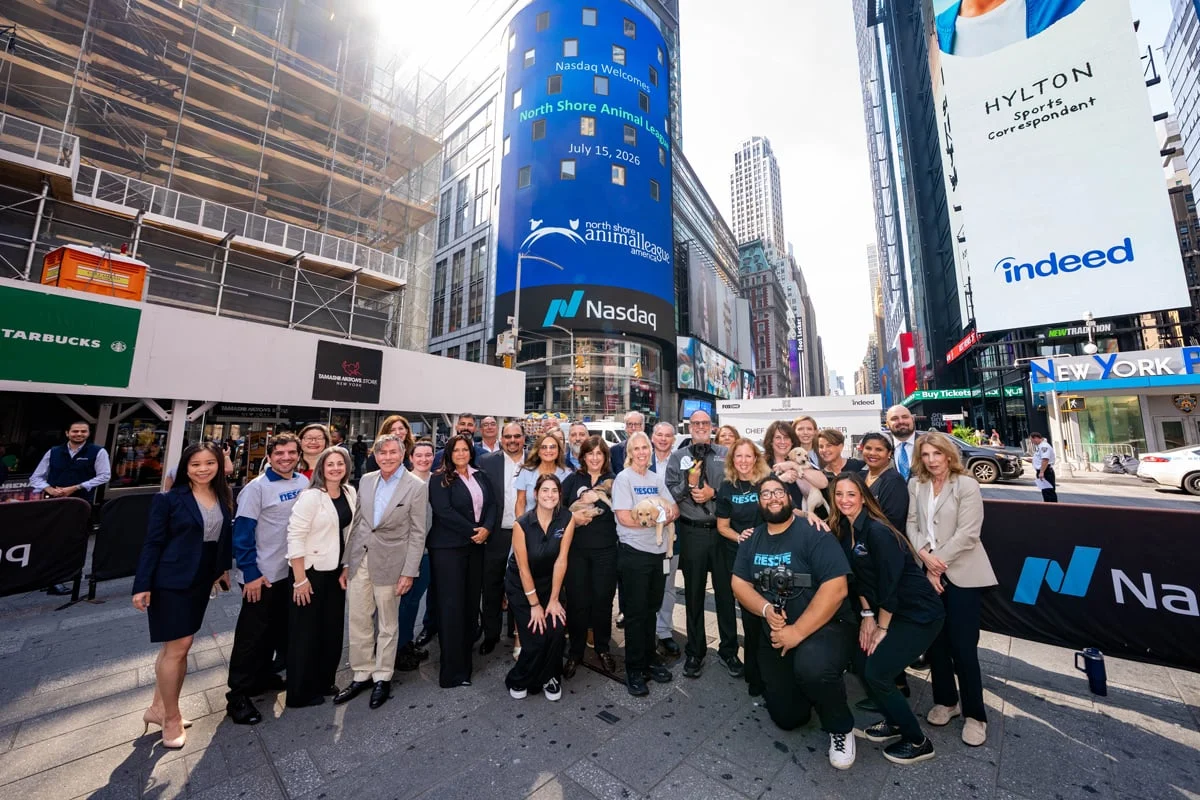
When the puppy was eventually cleared for adoption, the team at North Shore Animal League America facilitated the hand-off to her new permanent family. Recognizing the extraordinary bond that had been formed, the rescue organization took the unusual and deeply personal step of sharing Madi’s handwritten letter with the new adopters. This gesture provided a bridge between the past and the future, allowing the new owners to understand the depth of care that had already been invested in their new companion.
Supporting Data: The Vital Role of Foster Networks
The story of Juju highlights a critical statistic in modern animal welfare: the success rate of rescued animals is exponentially higher when they pass through a foster-to-adopt pipeline. According to data from the American Society for the Prevention of Cruelty to Animals (ASPCA), foster-based socialization reduces the "kennel stress" that often leads to behavioral issues in rescue dogs.
The Human-Animal Bond
The letter Madi left for the adopters serves as a poignant piece of qualitative data regarding the human-animal bond. In her note, Madi wrote: "She was a sick little thing but has pulled through and is a wonderful baby. She has learned how to sit and loves to have her picture taken… I easily fell in love with this girl and same for her. I hope you love this bundle of joy and goodness as much as we do."
This level of detail—from the specific progress in obedience to the personal quirks of the puppy—provided the new family with a "roadmap" for Juju’s integration. It is this information, often lost in high-volume shelter environments, that fosters the highest rates of retention in adoption.
The New Household Dynamic
Juju’s new life is defined by a diverse pack. She now resides with three human siblings and two canine brothers:

- Jasper: A four-year-old pit bull mix who has stepped into the role of mentor and constant playmate.
- Judah: A nine-year-old shepherd mix, who provides a more stoic, mature presence in the home as he navigates the high energy of his new sibling.
Official Responses and Stakeholder Perspectives
The success of Juju’s transition has prompted reflection from both the rescue organization and the adopters. For the staff at North Shore Animal League America, Juju is a reminder of the "caring hands" philosophy.
The Adopters’ Perspective
Upon receiving Madi’s letter, the new adopters were profoundly moved. In a reciprocal gesture, they wrote back to the young foster parent. This correspondence is rare in the rescue world, where anonymity is often maintained for privacy reasons. However, in this case, the emotional weight of Madi’s contribution was so significant that the adopters felt compelled to close the loop. They expressed their deep gratitude, noting that the groundwork Madi laid—particularly the early socialization—allowed Juju to integrate into their family with minimal friction.
The Rescue Organization’s View
A spokesperson for the organization noted that this interaction exemplifies the "gold standard" of animal rescue. "When we can facilitate a connection between the foster parent and the adopter, we aren’t just moving a dog from point A to point B," the official stated. "We are building a community of support around the animal. This transparency creates a culture of accountability and love that ensures the animal never feels like a ‘transaction,’ but rather a bridge between two families who share a common goal."
Implications: The Future of Compassionate Rescue
The story of Juju serves as a template for future rescue operations, suggesting several key implications for how animal welfare organizations should operate.
The Importance of Narrative
The "story" of an animal is as important as its health records. By documenting not just the medical history, but the personal milestones and personality quirks of the animal, foster parents provide a "biography" that helps adopters prepare for the reality of pet ownership. This narrative-driven approach reduces the risk of returns, as adopters enter the relationship with realistic expectations and an emotional head start.
Intergenerational Engagement
Madi’s involvement demonstrates that youth engagement in animal rescue is a powerful tool. By providing children with the responsibility of fostering, organizations can cultivate the next generation of animal welfare advocates. This fosters empathy, patience, and a sense of stewardship that extends beyond the individual animal and into the wider community.
The "Village" Model of Rescue
Ultimately, Juju’s survival was not the result of a single heroic act, but a "village" effort. From the anonymous rescuers who first spotted her on the highway, to the medical staff who treated her, the foster parent who nurtured her, and the final adopters who opened their home, every individual played a critical role. This collaborative model is increasingly becoming the focus of national rescue organizations, which recognize that the most sustainable way to solve the pet overpopulation crisis is through community-based networks.
Conclusion: A Beautiful Life
Today, Juju is more than just a survivor; she is a thriving member of a family that acknowledges the path she traveled. Her story—shaped by the hands of strangers who became temporary stewards—is a testament to the fact that when we treat the rescue of an animal as a communal responsibility, the outcomes are not just improved, but transformed.
In a world that can often feel fragmented, the bond between Madi and the new family, connected by a small, energetic puppy, offers a hopeful reminder. Every animal deserves a beautiful life, and as Juju’s story proves, that life is best achieved when the community acts as one, ensuring that no dog is left on the side of the road, and no act of kindness goes unacknowledged. The "bundle of joy and goodness" that Madi nurtured has found her forever home, and in doing so, she has left an indelible mark on everyone who participated in her journey.