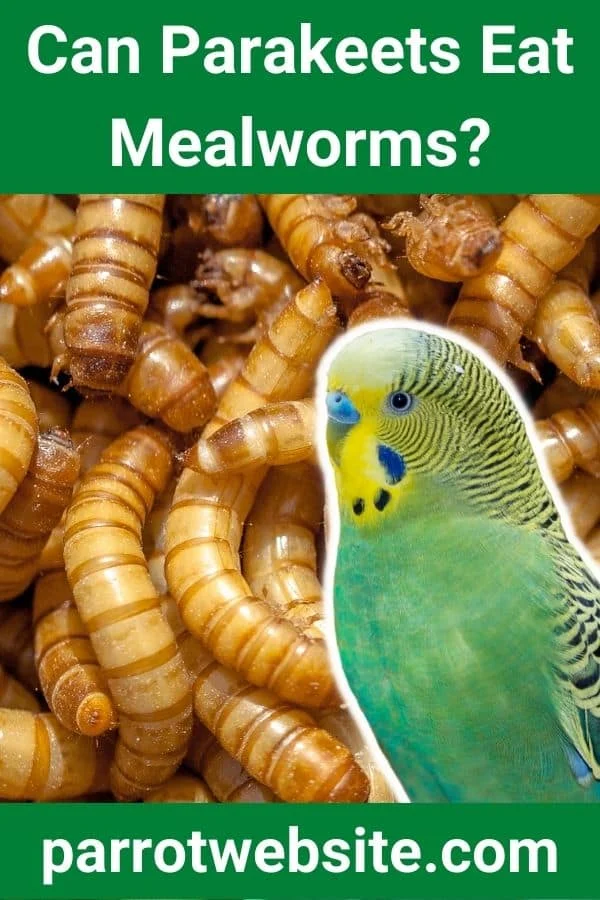
For many parakeet owners, the daily routine of feeding can become monotonous. Like humans, our avian companions often appreciate variety, leading many owners to scour pet store aisles for new, exciting treats to add to their bird’s diet. Recently, a common inquiry has surfaced among hobbyists: Is it safe to feed mealworms—typically marketed for wild outdoor birds—to our domestic parakeets?
The short answer is yes; parakeets can safely consume mealworms. However, the decision to include them in your bird’s diet requires a nuanced understanding of avian nutrition, moderation, and the specific dietary needs of the Melopsittacus undulatus (the common parakeet or budgerigar).
Main Facts: The Nutritional Profile of Mealworms
At their core, mealworms are the larval form of the darkling beetle. While they are often associated with backyard bird feeders for species like bluebirds or robins, they offer a dense nutritional profile that can be beneficial to indoor birds when administered correctly.
The primary benefit of mealworms is their high protein content. As living—or formerly living—creatures, they provide essential amino acids that are often lacking in a strictly seed-based diet. Furthermore, mealworms are rich in monounsaturated fats and essential omega-3 fatty acids. These nutrients play a critical role in feather health, metabolic function, and immune system support.
However, it is vital to distinguish between a "supplement" and a "staple." Parakeets are primarily granivores; their digestive systems have evolved over millennia to process seeds, grains, and vegetation. Introducing high-protein insect matter is an "enrichment" activity rather than a dietary necessity.
Chronology of the Inquiry: From Wild Foraging to Domestic Care
The curiosity regarding insect protein for parakeets stems from a misunderstanding of their natural history. In the wild, Australian budgerigars forage across vast grasslands. While their diet is 95% seed-based, they are opportunistic feeders. If a stray insect happens to be on a seed head they are consuming, they may ingest it.
However, this does not mean they are insectivores. The recent trend of introducing mealworms to domestic birds has emerged from a desire to mimic the "wild" foraging experience.
- Initial Observation: Owners notice their birds showing interest in high-protein human snacks or outdoor bird food.
- Experimental Phase: Owners begin introducing small quantities of mealworms to see if their birds show interest.
- Assessment: Observations reveal that many parakeets enjoy the texture and crunch of dried mealworms, leading to an increase in usage.
- Professional Scrutiny: Avian nutritionists and veterinarians now advocate for strict regulation of these treats to prevent obesity and nutritional imbalances.
Supporting Data: Why Moderation is Mandatory
The primary danger in feeding mealworms to parakeets is not toxicity, but rather "nutritional over-saturation." Because parakeets are small, their caloric requirements are significantly lower than larger parrot species.
The Risks of Over-Feeding
If a parakeet consumes mealworms too frequently, several health complications can arise:
- Lipidosis (Fatty Liver Disease): Due to the high fat and protein content, excessive consumption can lead to liver stress and metabolic disorders.
- Obesity: Parakeets are prone to weight gain. High-calorie treats like mealworms can quickly lead to an unhealthy weight, putting pressure on their heart and respiratory system.
- Digestive Imbalance: Their gut microbiome is optimized for plant matter. Introducing high levels of animal protein can disrupt their digestive flora.
Recommended Frequency: A serving size of one or two mealworms, offered no more than once every two weeks, is considered the safe threshold for an average-sized parakeet.
Official Responses and Veterinary Guidance
When consulting with avian specialists, the consensus remains consistent: "Treats should never exceed 5-10% of a bird’s total daily caloric intake."
Most veterinarians emphasize that while mealworms are not inherently dangerous, they are "nutrient-dense." If you are already feeding your parakeet a high-quality fortified pellet diet, they are likely receiving all the necessary proteins and fats they need. Therefore, the addition of mealworms should be viewed strictly as a psychological enrichment tool rather than a health supplement.
If your bird is already suffering from health issues—particularly kidney or liver problems—you should refrain from feeding mealworms entirely, as the protein load can be difficult for a compromised system to process.
The Debate: Live vs. Dried Mealworms
When purchasing mealworms, you will generally encounter two options: live or dried.
Live Mealworms
Live mealworms offer the benefit of "foraging enrichment." They move, which triggers a natural predatory instinct in the bird, keeping them mentally active. However, they are difficult to store, require maintenance (keeping them alive in a substrate), and present a higher risk of bacterial contamination if not sourced from a reputable supplier.
Dried Mealworms
Dried mealworms are the preferred choice for most owners. They are shelf-stable, easy to measure, and pose less risk of spoilage. From a nutritional standpoint, the drying process retains the majority of the proteins and fatty acids. Furthermore, the crunch of a dried mealworm is often preferred by parakeets, as it mirrors the texture of the seeds they are accustomed to cracking.
Implications for Future Care
The integration of non-traditional snacks like mealworms signals a broader shift in how we approach avian welfare. We are moving away from simple "seed-in-a-bowl" feeding toward a model of "environmental enrichment."
If you decide to incorporate mealworms into your parakeet’s life, follow these best practices:
- Source Matters: Always purchase mealworms intended for human consumption or high-grade pet bird feed. Avoid "bait shop" mealworms, which may be raised on poor-quality substrates or treated with chemicals.
- Monitor Body Condition: Regularly check your bird’s keel bone. If you feel it becoming rounded or buried in fat, eliminate high-protein treats immediately.
- Observation: Watch your bird after the first feeding. Some parakeets may have an allergic reaction or a digestive sensitivity to insect protein. If you notice lethargy or changes in droppings, discontinue the practice.
- Variety: Remember that a mealworm is just one type of treat. Consider alternating with fresh vegetables, sprouted seeds, or millet sprays to ensure your bird isn’t becoming dependent on a single "exciting" snack.
Conclusion
Can parakeets eat mealworms? Yes. Should they? Only in moderation and as a rare treat.
The allure of providing "natural" food is strong, and mealworms can certainly serve as a beneficial, protein-rich snack that breaks the monotony of a standard seed diet. However, the responsibility of the owner is to ensure that these treats do not disrupt the delicate nutritional balance that keeps a parakeet healthy and vibrant.
By treating mealworms as a sporadic reward—perhaps once a fortnight—you can provide your feathered friend with the enrichment they crave while avoiding the health pitfalls associated with over-supplementation. When in doubt, always prioritize fresh, plant-based variety and consult with your avian veterinarian before making significant changes to your bird’s dietary regimen. The health and longevity of your parakeet depend on the consistency and quality of the diet you provide, making informed, cautious choices the hallmark of a responsible pet owner.