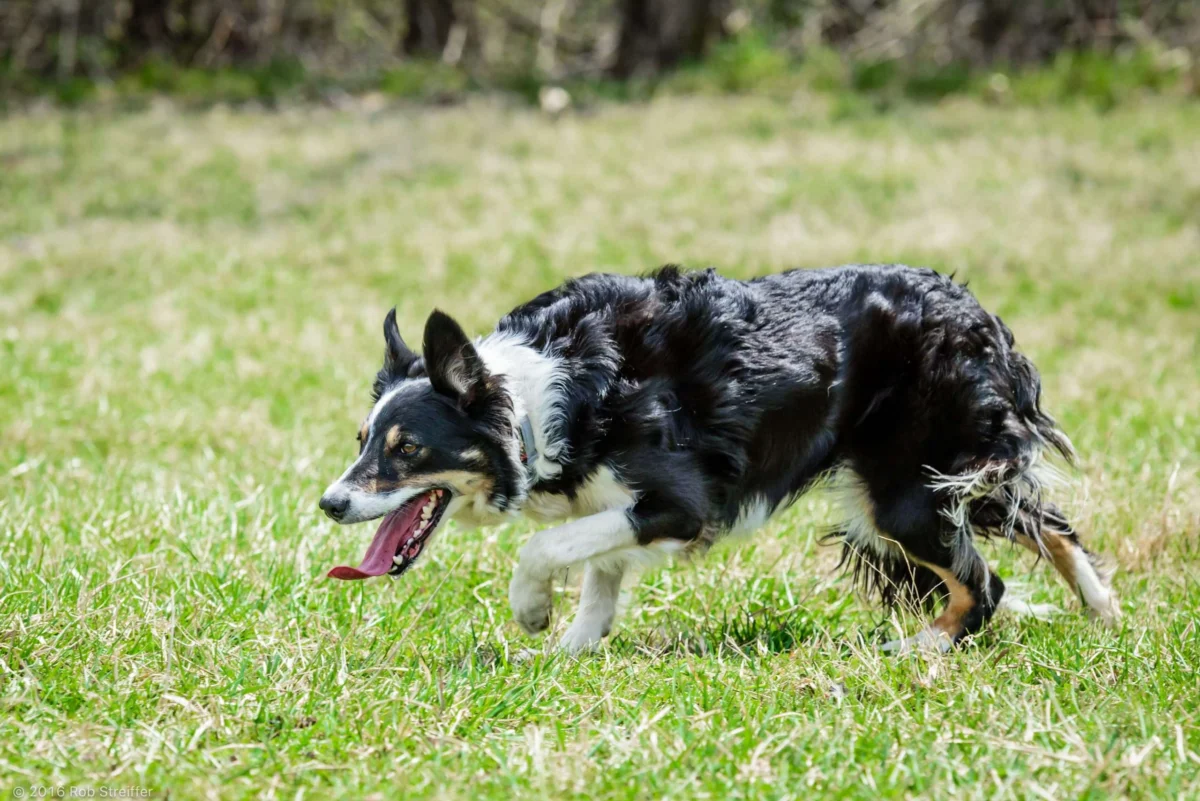
As summer temperatures reach record-breaking levels across the Northern Hemisphere, dog owners and professional handlers are facing a critical challenge: keeping their canine companions safe in an increasingly hostile climate. For those involved in high-intensity activities like sheepdog trialing, the stakes are not merely performance-based—they are a matter of life and death.
Renowned animal behaviorist and sheepdog handler Patricia McConnell recently underscored this reality when she made the difficult decision to withdraw her dog, Skip, from the Irish Woods Stockdog Trial. Skip, who suffers from degenerative mitral valve disease, is particularly vulnerable to heat-related stress. While the decision to continue working a dog with a chronic heart condition is one that weighs heavily on any owner, it highlights a growing necessity: the need for rigorous, science-based protocols to protect our dogs as heat domes and humidity levels become the new summer standard.

The Physiological Reality: Why Heat Kills
To understand the urgency of this issue, one must first recognize the biological limitations of our canine partners. Unlike humans, who utilize an extensive system of sweat glands across their skin to regulate body temperature, dogs rely primarily on panting and minor cooling through their paw pads. This makes them profoundly inefficient at shedding heat.
A dog’s normal internal temperature typically ranges between 100°F and 102.5°F. When that temperature climbs toward 106°F, the situation escalates into a medical crisis, risking rapid organ failure and death. Recent research, including studies from the University of Pennsylvania, has provided actionable insights into how we can intervene before a dog reaches this critical threshold.

The Power of Immersion
The most effective cooling method identified by current research is the full-body immersion of a dog in cool water. For handlers, this means that accessible, clean water tanks are not a luxury—they are a mandatory piece of safety equipment at any training facility or trial site.
Beyond simple immersion, emerging techniques suggest that teaching a dog to intentionally submerge its head in water—or at the very least, focusing cooling efforts on the head, groin, and belly—can drastically accelerate the reduction of core body temperature.

Chronology of a Crisis: Lessons from the Field
The conversation around heat safety often centers on passive observation, but practical experience offers the most sobering lessons. During a trial last year, McConnell experienced the dangers of heat firsthand. Despite taking extensive precautions for Skip—including pre-run water immersion and shade management—it was the handler herself who nearly succumbed to the heat.
The incident served as a stark reminder that in high-heat conditions, both dog and handler are subject to the same environmental stressors. The subsequent performance, which saw a decline in handling precision, was a direct result of heat-induced cognitive fatigue. This highlights an essential rule for handlers: if the weather conditions are severe enough to threaten your dog, they are likely affecting your own decision-making abilities.

Best Practices for Hot-Weather Handling
- Acclimatization: Dogs transported from arid climates to humid, tropical environments require a significant adjustment period. Studies on military working dogs indicate that acclimatization is a key factor in heat tolerance, yet it is not a cure-all. Some dogs, due to genetics or health history, may never achieve the desired level of tolerance.
- Hydration and Electrolytes: Many high-drive working dogs are so focused on their tasks that they refuse to drink during work. Research suggests that pre-loading with chicken-flavored electrolyte solutions can be beneficial. Contrary to older concerns about sodium buildup, studies have shown that healthy dogs efficiently excrete excess electrolytes in their urine.
- Weight and Conditioning: A lean, conditioned dog is significantly better equipped to handle thermal stress than an overweight one. Carrying excess weight acts as an "arctic insulation system," forcing the body to work harder during exertion. Using a Body Condition Score (BCS) system to maintain an ideal, thin frame is critical for working dogs.
- Protective Gear: Innovative products, such as the "Chilly Buddy" cooling vest, offer a way to reflect solar radiation away from the dog’s coat. While more empirical research is needed to determine the exact impact on internal core temperatures, anecdotal evidence shows significant improvements in panting rates and behavior for dogs wearing reflective gear in direct sunlight.
The Myth of the "Cracked Window"
One of the most persistent, dangerous myths in pet ownership is the efficacy of leaving a car window "cracked" while a dog is left inside. Even on moderately warm days, the interior of a vehicle acts as a greenhouse. Studies have shown that within one hour, a car parked in the sun can reach a staggering 116°F, with dashboard surfaces exceeding 157°F.
Because heat rises and does not dissipate effectively through a side opening, a cracked window offers negligible relief. For those who travel with dogs, investing in vehicles with specialized ventilation, roof-based cooling systems, or simply adopting a "never leave the dog" policy is the only way to ensure safety.

Supporting Data: Diet and Physiology
The role of diet in heat tolerance remains a subject of active scientific inquiry. Research conducted in partnership between Auburn and Cornell Universities explored the impact of dietary fat and protein on scent detection dogs. The findings indicated that a diet supplemented with corn oil—tending toward higher fat and lower protein—helped dogs return to normal body temperatures more quickly following exercise.
However, conflicting advice exists in the veterinary community, with some experts arguing that high-protein, high-fat diets generate more metabolic heat during digestion. Owners are encouraged to consult with their veterinarians regarding the specific energy needs of their dogs, keeping in mind that the "standard" diet may need to be adjusted based on the climate and the dog’s workload.

Implications for the Future
The changing climate is not a distant threat; it is an immediate reality for those working with animals. As summers become longer and more humid, the "best practices" of yesterday are becoming the baseline requirements of today.
A Call for Vigilance
The responsibility for a dog’s safety rests entirely with the handler. This includes:

- Recognizing Early Warning Signs: Rapid, deep panting, a tongue that curls upward at the tip, and a glassy-eyed appearance are immediate signals to stop activity.
- Emergency Preparedness: Every handler should carry a digital, reliable thermometer. If a dog shows signs of heat exhaustion—such as staggering or collapse—cooling the dog in water until the temperature drops to 103°F is a non-negotiable step before seeking veterinary care.
- The "Stop Before You Need To" Philosophy: Handlers must move away from the goal of "finishing the job" and toward a model of "quitting while the dog is still performing well."
Official Responses and Expert Consensus
Veterinary organizations and animal welfare groups continue to emphasize that heatstroke is one of the most preventable—and yet most common—emergencies in veterinary medicine. Experts stress that the focus should be on prevention: shifting training schedules to the early morning or late evening, avoiding hot pavement, and providing constant access to shade and water.
As for Skip, his journey highlights that even with the best medical care and the most dedicated, educated handler, there are limits to what a dog can safely endure. By sharing these experiences, the community of handlers is building a repository of knowledge that will undoubtedly save lives.

In the end, whether you are a world-class sheepdog trainer or a weekend hiker, the message is clear: when the temperature rises, the intensity of the work must fall. Prioritizing the health of the dog over the pride of the performance is the ultimate mark of a skilled and compassionate handler. As we look toward the future of dog sports and outdoor recreation, let us ensure that the joy we derive from our dogs is matched by the protection we provide them in return.