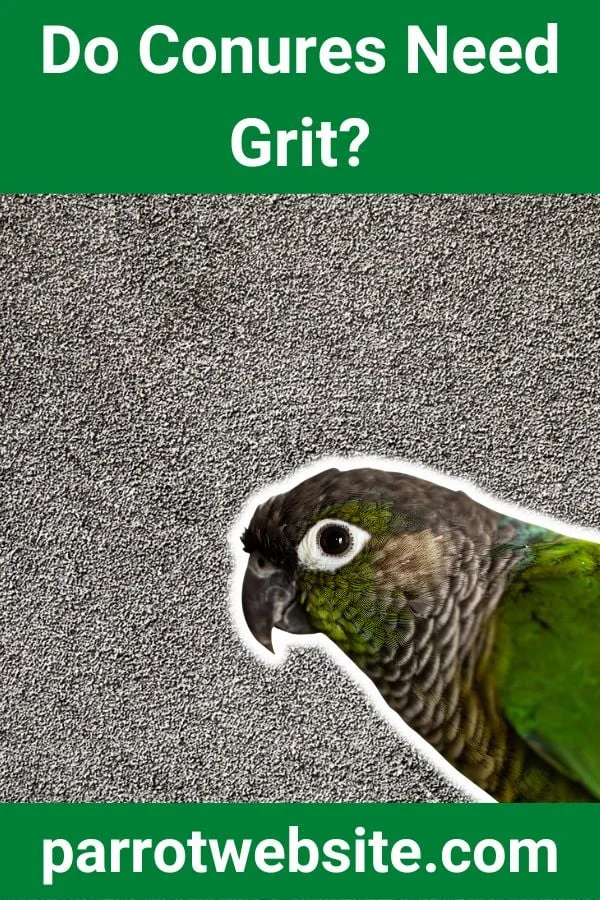
For decades, well-meaning bird owners were instructed that a supply of grit—small, abrasive particles of stone or sand—was a non-negotiable component of a healthy avian diet. The logic was simple: because birds lack teeth to masticate their food, they must require an external grinding agent to facilitate digestion within the gizzard. However, modern veterinary science and avian nutrition research have decisively debunked this practice for psittacine species, particularly conures.
The consensus among modern avian specialists is clear: Conures do not require grit. In fact, providing grit can be actively detrimental to their health, potentially leading to impaction or other gastrointestinal distress. This article explores the biological reality of the conure’s digestive system, the historical origins of the "grit myth," and the proper ways to manage your bird’s beak health and nutrition.
Main Facts: Dispelling the Digestive Fallacy
To understand why conures do not need grit, one must first understand their anatomy. Conures are members of the parrot family, a group of birds that have evolved highly efficient ways to process food without the need for gastric stones.
The Anatomy of the Conure
Unlike some gallinaceous birds—such as chickens, turkeys, or pigeons, which consume whole grains and seeds that require mechanical grinding—parrots possess specialized beaks designed to hull seeds and crush fibrous vegetation before the food ever reaches the digestive tract.
- The Crop: A storage pouch located at the base of the esophagus. It allows the bird to store food, which is then gradually passed into the stomach.
- The Gizzard (Ventriculus): This is the muscular portion of the bird’s stomach. While it is true that some species use "gastroliths" (stomach stones) to assist the gizzard in grinding food, parrots have evolved powerful, muscular walls in their gizzards that are perfectly capable of processing their natural diet of fruits, nuts, and seeds without supplemental abrasives.
The Danger of Grit
When a conure consumes grit, the particles can accumulate in the ventriculus. Because these birds do not have a natural biological requirement to pass these stones, the grit may stay in the digestive tract, leading to irritation, blockage, or a condition known as "grit impaction." Owners often mistakenly believe that because a bird eats grit, it must be beneficial. In reality, a bird suffering from nutritional deficiencies or digestive upset may instinctively—and incorrectly—consume grit in a desperate, failed attempt to fix its discomfort.
Chronology: The Evolution of Avian Care Advice
The recommendation to provide grit is an example of "anecdotal drift," where advice meant for one type of bird is incorrectly applied to another.
Early 20th Century: The Farmyard Influence
In the early days of avian pet keeping, much of the "expert" advice was borrowed from poultry farming. Farmers knew that chickens and game birds required grit to break down hard, whole grains. As parrots became popular household pets, the lack of distinction between different avian digestive systems led to a "one size fits all" approach to bird care.
Mid-to-Late 20th Century: The Spread of Misinformation
During this era, pet store manuals and early bird-care literature frequently listed grit as a staple. The belief was solidified by the observation of other animals—crocodilians, ostriches, and various wild birds—using stones to aid digestion. It was a logical, albeit flawed, leap to assume parrots followed the same evolutionary path.
The 21st Century: The Scientific Pivot
With the rise of specialized avian veterinary medicine, researchers began performing necropsies and digestive studies on parrots. These studies consistently showed that parrots that were fed grit often suffered from gastrointestinal damage. By the early 2000s, major veterinary organizations and reputable avian nutritionists began an active campaign to steer owners away from grit, emphasizing that the parrot’s beak is its most effective "tool" for initial food preparation.
Supporting Data: Why Grit is Not for Psittacines
The scientific community distinguishes between two main types of birds regarding grit:
- Seed-eaters that consume the entire seed: Doves and pigeons, for example, have crops that hold the whole, unhusked seed. They require grit to grind the tough outer shells.
- Birds that "process" their food: Parrots and conures fall into this category. They use their specialized beaks to remove the husk or shell of a seed before ingestion. Because they consume only the soft, inner kernel, the "grinding" work is already done before the food reaches the stomach.
Comparative Physiology
The strength of the conure’s beak is remarkable. A conure can exert significant pressure, effectively "chewing" food into a soft paste. Once the food reaches the gizzard, the muscular contractions are sufficient to break down the remaining plant matter. Adding sand, crushed shells, or gravel provides no nutritional or mechanical benefit and introduces foreign materials into a system that is not designed to process them.
Official Responses and Expert Consensus
Veterinary bodies, including the Association of Avian Veterinarians (AAV), have long maintained that grit is unnecessary for parrots. The consensus among board-certified avian specialists is as follows:
- Veterinary Stance: If a bird is eating a balanced, pelleted diet supplemented with fresh vegetables and fruits, the digestive system is working at peak efficiency. Grit is not a digestive aid; it is an obstruction hazard.
- The Mineral Argument: Some owners argue that grit provides minerals. However, modern veterinary science suggests that minerals should be provided via high-quality, formulated pellets or specialized mineral blocks (that do not contain abrasive grit), rather than through the ingestion of stones.
- The "Instinct" Argument: Critics sometimes argue that birds eat grit in the wild. While some wild parrots may incidentally ingest small amounts of soil or clay to buffer certain toxins in their diet, this is geophagy, not a requirement for digestion. It does not mean they require abrasive grit in a captive environment.
Implications: Managing Beak Health and Enrichment
If grit is off the table, how should a responsible owner ensure the health of their conure’s beak and digestive system?
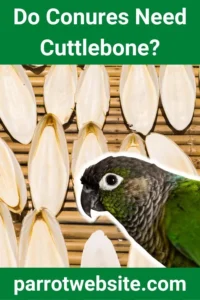
The Role of Cuttlebone
Cuttlebone is the internal shell of a cuttlefish. It is highly recommended for conures for two primary reasons:
- Beak Maintenance: As keratin grows continuously (much like human fingernails), a conure must wear it down. Cuttlebone provides a safe, abrasive surface that is soft enough to be filed down by the beak without causing damage.
- Calcium Supplementation: Cuttlebone is a natural source of calcium, which is vital for bone health and egg production in females. Unlike grit, which sits in the gizzard, cuttlebone is broken down, digested, and absorbed by the body.
Enrichment vs. Digestion
It is vital to distinguish between items for enrichment and items for nutrition. A conure will naturally grind its beak against cage bars, wooden toys, or mineral blocks. This behavior is healthy and should be encouraged. Owners should provide a variety of wood textures and safe toys. If your conure is seen "chewing" on the cage, it is a sign that it needs more appropriate enrichment, not more gravel.
When to Consult a Vet
If you notice your conure’s beak peeling excessively, looking overgrown, or appearing brittle, this is rarely a sign that they need grit. Instead, it is often an indicator of a vitamin deficiency (specifically Vitamin A or D3), a lack of humidity, or a lack of proper chewing surfaces. A visit to an avian veterinarian is the only way to determine if a beak issue requires a manual trim or a change in diet.
Conclusion: A New Standard of Care
The legacy of "grit-feeding" is a relic of an era when we understood less about the unique physiology of the parrot. Today, we know that the conure is a master of its own digestion. By utilizing their highly adapted beaks to hull seeds and their powerful muscular gizzards to process soft, pre-prepared food, they thrive perfectly well without the inclusion of external abrasives.
As pet owners, our goal is to provide an environment that mimics the bird’s natural needs while ensuring safety. By replacing the outdated recommendation of grit with the provision of safe, calcium-rich cuttlebone and ample enrichment materials, we support the long-term health and comfort of our companions. The lesson is simple: when it comes to the conure’s digestive system, nature has already provided everything they need—no stones required.