Introduction: A New Chapter for Shelter Animals
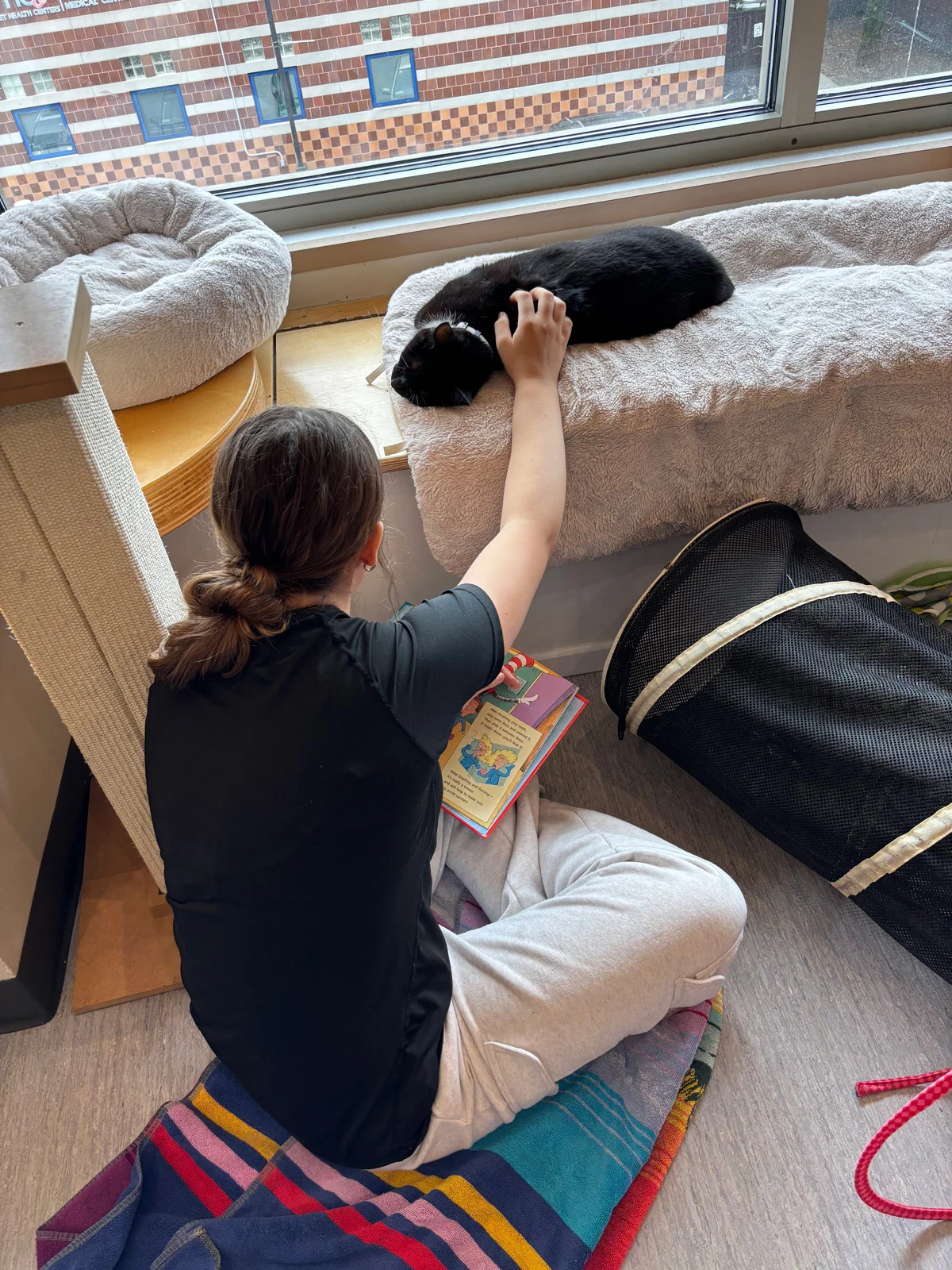
In the quiet corners of the North Shore Animal League America, a heartwarming transformation has taken place this summer. Where once the sounds of barking and meowing were the only melodies, the soft, rhythmic cadence of children reading aloud has emerged. The Mutt-i-grees Curriculum, the renowned educational initiative of the world’s largest no-kill animal rescue and adoption organization, officially launched its inaugural Summer Reading Program this year. By inviting students of all ages to sit beside adoptable animals and share stories, the program has bridged the gap between literacy development and animal welfare, creating a unique synergy that benefits both the human reader and the four-legged listener.
As the program wraps up its highly successful pilot season, it stands as a testament to the power of the human-animal bond. What began as an experimental initiative to support local students has blossomed into a community-wide phenomenon, proving that the classroom is not the only place where learning flourishes—sometimes, it happens in a kennel, one page at a time.
The Main Facts: Bridging Education and Animal Welfare
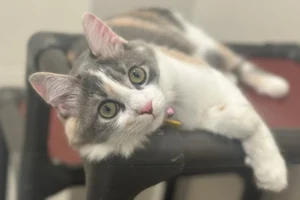
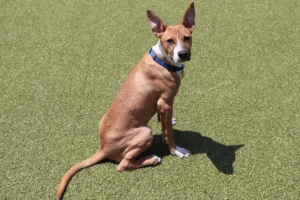
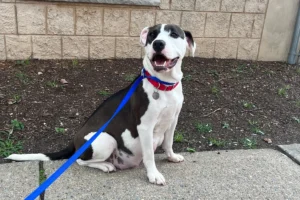
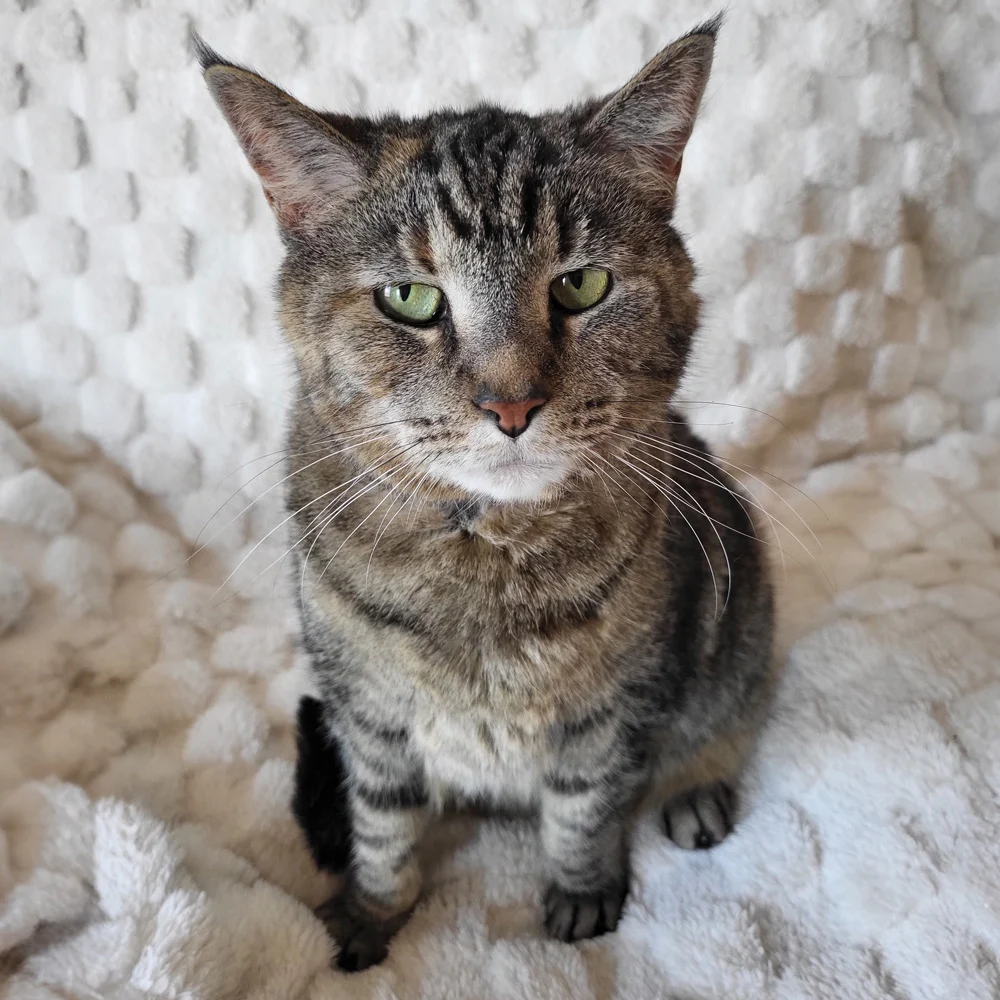
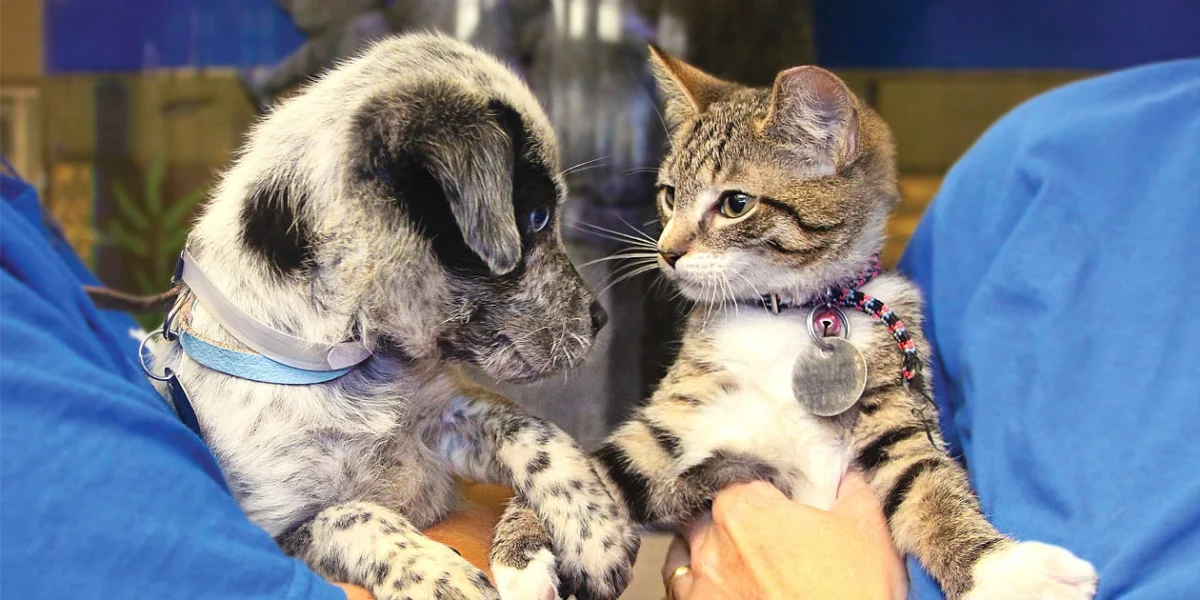
The Mutt-i-grees Summer Reading Program was designed with a dual purpose: to provide a judgment-free environment for young readers to practice their skills and to offer essential socialization for shelter pets. Participants, ranging from early elementary students to teenagers, were invited to the North Shore Animal League America facilities to read to dogs, cats, puppies, and kittens awaiting their forever homes.
The core premise is simple yet profound. Reading aloud is a foundational skill, but for many children, it is also a source of anxiety. The pressure to pronounce words perfectly in front of peers or teachers can hinder development. In contrast, the Mutt-i-grees environment removes the fear of critique. Animals do not care about a stutter, a mispronounced word, or a stumble in pace; they only care about the calming presence of a human voice. This "judgment-free zone" allows children to find their confidence, while the animals—many of whom may be shy or stressed—receive the soothing comfort of human attention.
Chronology of a Successful Pilot
The journey of this program started in the late spring, as the Mutt-i-grees team sought to integrate their social-emotional learning (SEL) framework into tangible community experiences.
- Phase 1: Conceptualization. The educational team identified that shelter environments could be utilized as "therapeutic classrooms." They developed guidelines for safe interactions, ensuring both the children and the animals were protected during the reading sessions.
- Phase 2: The Launch. As school let out for the summer, the program opened its doors. The initial interest was immediate, with word spreading through local school districts and social media channels.
- Phase 3: The Summer Sessions. Throughout June, July, and August, the shelter transformed into a quiet hub of activity. Volunteers facilitated sessions where readers were paired with animals based on temperament.
- Phase 4: Scaling and Engagement. By mid-summer, the program had achieved full capacity. Demand for spots grew so rapidly that the remaining sessions were booked within days of being posted, signaling a massive community appetite for such programming.
- Phase 5: Evaluation and Future Planning. As the summer concludes, organizers are currently reviewing feedback from parents and shelter staff to refine the program for next year.
Supporting Data and Psychological Benefits
The success of the Mutt-i-grees program is supported by established research regarding the benefits of Animal-Assisted Interventions (AAI).
The Reader’s Perspective: Literacy and Confidence
Reading is an active, complex cognitive process. When a child reads to a pet, they are not just decoding words; they are engaging in a social interaction that lowers cortisol levels. Studies have shown that the presence of a companion animal can significantly reduce blood pressure and heart rate. For a child who struggles with reading, this physiological calmness allows the brain to focus better on the text. The lack of social evaluation—the "judgment-free" factor—is critical. When a child knows they aren’t being graded, their willingness to experiment with vocabulary and expression increases.
The Animal’s Perspective: Behavioral Enrichment
Shelter life can be incredibly stressful for animals. The transition from a home to a noisy, busy kennel environment often leads to anxiety or behavioral regression. Quiet interaction with humans is a form of behavioral enrichment that is just as vital as physical exercise. Reading to these animals helps them learn to remain calm in the presence of humans, which makes them more "adoptable" and increases their chances of finding a permanent home. It teaches them that humans are sources of comfort and consistency.
Official Responses and Stakeholder Perspectives
The reception of the program has been overwhelmingly positive. North Shore Animal League America, which has long championed the Mutt-i-grees philosophy, views this program as a natural extension of its mission to foster empathy in the next generation.
"We saw a unique opportunity to combine literacy with compassion," says a spokesperson for the Mutt-i-grees Curriculum. "The program isn’t just about reading books; it’s about building a relationship between two living beings who both have something to offer one another. We’ve seen shy children become vocal advocates for the animals they read to, and we’ve seen high-energy shelter dogs settle into a calm state of listening. It is a win-win."
Parents of participants have echoed these sentiments, noting that their children, who previously resisted reading at home, were eager to practice so they could return to the shelter. "It’s not just homework," one parent noted. "It’s a mission. My son feels like he is helping the dog, and in turn, he doesn’t even realize he’s practicing his reading."
Implications: Beyond the Summer
The success of the Mutt-i-grees Summer Reading Program has profound implications for the future of community-based education and animal welfare.
A Model for Future Programs
The scalability of this model is one of its strongest features. Because the requirements—a quiet space, books, and shelter animals—are relatively accessible, the Mutt-i-grees team is already looking at how to expand this initiative. This could involve partnerships with public libraries, where shelters could bring animals to reading events, or school-based reading groups visiting shelters year-round.
Strengthening Social-Emotional Learning (SEL)
Mutt-i-grees has always been at the forefront of teaching children empathy through the lens of animal welfare. This program brings those abstract concepts into reality. When a child chooses a book to read to a kitten, they are practicing "perspective-taking," a key component of emotional intelligence. They are learning to recognize the needs of another living creature and adjusting their behavior to accommodate those needs. This level of social-emotional development is vital for nurturing a generation of responsible, compassionate adults.
Improving Adoption Rates
While the primary goal of the program is educational, there is a secondary, equally important impact: the visibility of the animals. As children share their experiences with their families and friends, they become advocates for the animals they read to. By highlighting the personalities of individual dogs and cats, the program serves as a soft form of marketing for adoption, helping animals who might otherwise be overlooked find their forever families.
The Road Ahead
As the Mutt-i-grees Summer Reading Program moves into its post-pilot phase, the focus shifts to sustainability. The overwhelming demand demonstrated this summer is a clear mandate from the community: they want more.
The organizers are currently exploring ways to incorporate "reading mentors" and structured curriculum guides that help children choose books that match the temperament of the animals they are reading to. Furthermore, there is interest in tracking the long-term literacy outcomes of the participants, as well as the behavioral progress of the shelter animals involved.
The initiative has proven that even in the face of busy schedules and digital distractions, there is a deep, innate desire in children to connect with nature and with animals. By providing the space and the structure for these connections, Mutt-i-grees has created a template for how we can better support our children and our animal companions simultaneously.
Conclusion: One Story at a Time
In the final analysis, the Mutt-i-grees Summer Reading Program is about more than just literacy or animal shelter enrichment. It is about the fundamental, life-changing power of kindness. Every session held this summer was a micro-interaction of empathy. When a child turns a page to a dog who is listening intently, a barrier is broken. The child learns that they have a voice that matters, and the animal learns that they are worthy of someone’s time and attention.
As the program looks toward the future, it carries with it the hope of creating a more compassionate society. By teaching children to treat animals with dignity and care, we are teaching them to treat their fellow humans with the same level of empathy. The Mutt-i-grees Summer Reading Program is not just a seasonal success; it is a blueprint for building a more connected, literate, and compassionate community, one story—and one wagging tail—at a time.
The success of this inaugural year has laid the groundwork for a movement that will undoubtedly continue to grow, proving that when we open a book, we open our hearts to the world around us. Whether it is a classic fairy tale or a modern children’s book, the words read in the quiet halls of the shelter resonate far beyond the walls, echoing the mission of Mutt-i-grees: to inspire a lifetime of love and learning.