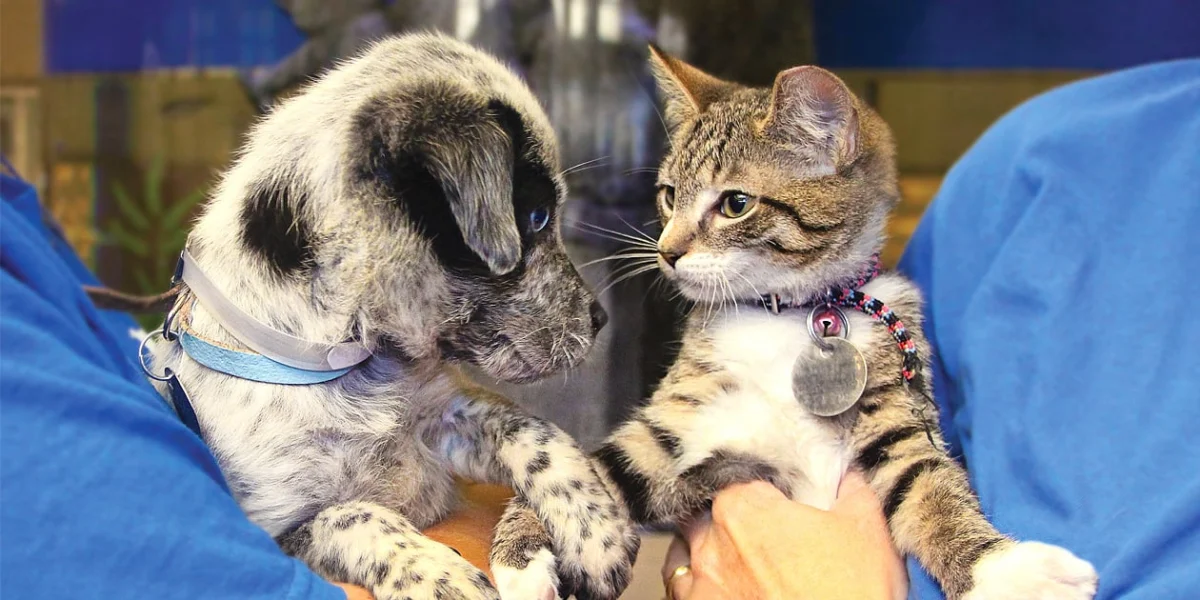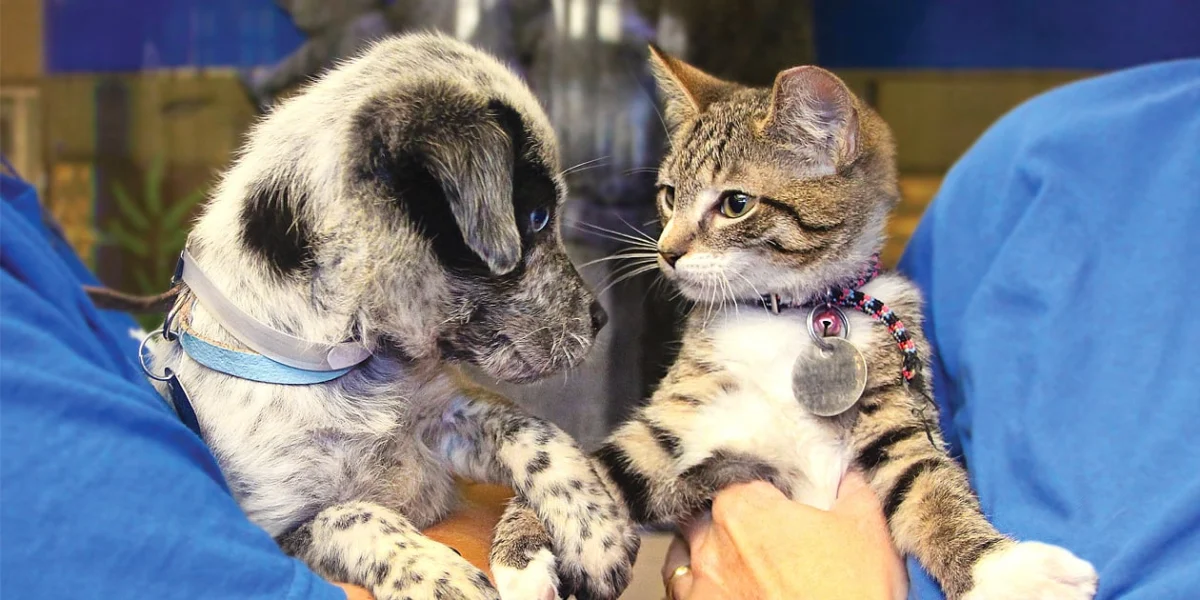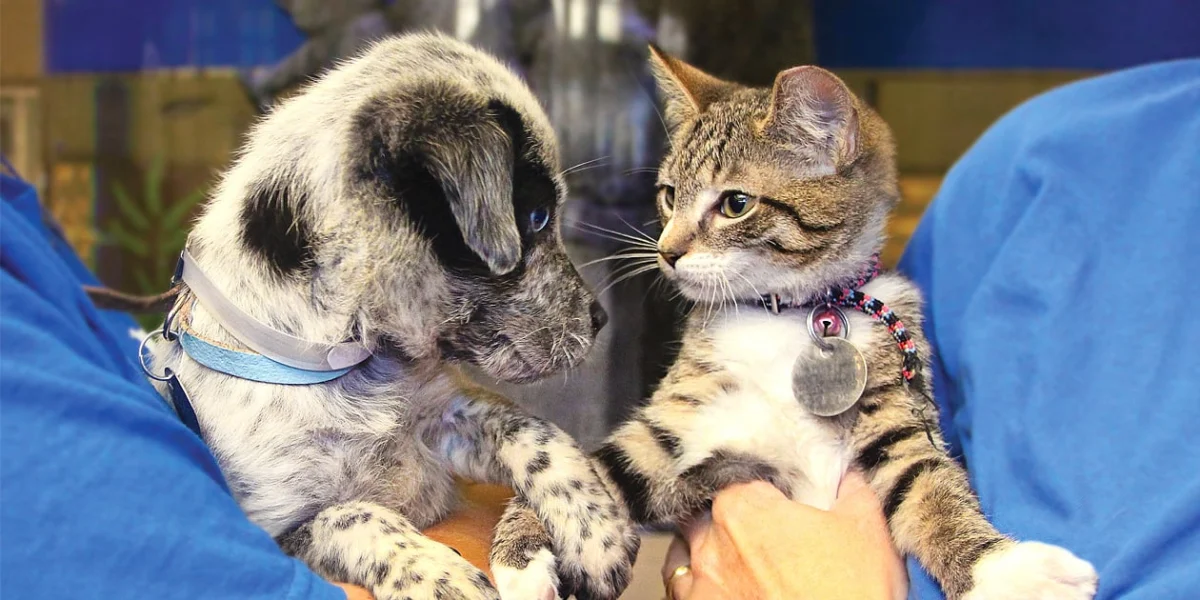

For nearly a decade, the late-night landscape has been defined by political satire, musical performances, and celebrity interviews. Yet, amidst the high-stakes world of broadcast television, one segment carved out a unique space for warmth, advocacy, and pure, unadulterated joy: Rescue Dog Rescue. As The Late Show with Stephen Colbert bids farewell to this beloved feature, we look back at the impact of a segment that transformed the Ed Sullivan Theater into a beacon of hope for shelter animals nationwide.
Main Facts: The End of an Era
The partnership between The Late Show and North Shore Animal League America began with a simple, noble premise: to utilize the massive reach of network television to help shelter animals find their forever homes. What started as a recurring bit quickly evolved into a cultural touchstone.
The segment’s final bow was marked by a poignant "Where Arf They Now?" tribute, a wrap-up video that featured dogs who had appeared on the show as puppies, now fully grown and thriving in their adoptive homes. This final installment served as a reminder that the humor seen on screen was always secondary to the mission of animal welfare. By bridging the gap between celebrity culture and grassroots rescue efforts, The Late Show proved that entertainment could be a powerful engine for social change.
Chronology: A Decade of Advocacy
The genesis of Rescue Dog Rescue was rooted in a desire to address the systemic challenges faced by animal shelters. In its early days, the segment focused on the immediate needs of puppies and seniors alike, often pairing them with high-profile guests who provided voiceovers or humorous commentary.
The Formative Years
In the early seasons of The Late Show, Stephen Colbert sought to inject a sense of community service into his nightly monologue. By partnering with Animal League America, the production team ensured that every animal featured was not just a prop for a punchline, but a candidate for adoption. The segment gained traction rapidly, trending on social media platforms and driving traffic to the rescue organization’s website in record numbers.
The Evolution of the Segment
As the years progressed, the format matured. It became more than just a "cute dog" segment; it became a masterclass in storytelling. The production team began highlighting the unique personalities of the animals, turning "Rescue Dog Rescue" into a platform where adoption was framed not as a charity, but as a life-changing relationship. The segment became a staple, a recurring highlight that fans awaited with anticipation, knowing that each appearance represented a genuine chance at a better life for an animal in need.
The "Where Arf They Now?" Finale
The decision to conclude the segment was not made lightly. Rather than letting it simply fade away, the production team opted for a retrospective. The final tribute showcased the long-term impact of the partnership—footage of dogs, once small enough to fit in a host’s palm, now grown into healthy, happy companions living with their adoptive families. It was the ultimate "happily ever after" conclusion to a multi-year narrative.
Supporting Data: The Ripple Effect of Media Advocacy
The success of Rescue Dog Rescue can be measured in more than just laughter; it can be measured in the tangible shift of adoption statistics and public perception. While specific broadcast reach is difficult to quantify in terms of individual adoptions, the partnership generated significant measurable outcomes.
- Platform Amplification: With an average nightly viewership in the millions, the segment provided an unparalleled stage for animal rescue. Each appearance served as a national public service announcement, normalizing the idea of rescue over retail purchasing.
- Digital Engagement: Following each segment, Animal League America reported significant spikes in traffic to their adoption portal. Social media engagement, specifically on platforms like X (formerly Twitter) and Instagram, often saw a 300% increase in shares regarding animal welfare topics immediately following the show’s airtime.
- The Celebrity Multiplier Effect: By involving guests such as A-list actors, musicians, and comedians, the segment broke through the "echo chamber" of traditional animal advocacy, reaching demographics that might not otherwise engage with shelter content.
Official Responses: Gratitude and Reflection
The closure of the segment has prompted a wave of appreciation from those who stood at the intersection of production and rescue.
The Perspective of Animal League America
In an official statement, representatives from Animal League America expressed deep gratitude for the partnership. "When the Late Show team reached out about the tribute, we were moved by their commitment to the animals," a spokesperson noted. "These segments didn’t just entertain—they helped countless animals find loving homes and inspired audiences everywhere to consider adoption. We are deeply grateful to the many celebrities who so generously shared their time."
Stephen Colbert’s Contribution
Stephen Colbert’s personal involvement was a defining factor. By treating the animals with respect while maintaining the show’s comedic integrity, Colbert established a model for how television hosts can leverage their influence. His commitment to the mission was not merely performative; it was an integral part of the show’s identity. The staff and volunteers at the shelter noted that the logistical ease of the partnership was a testament to the Late Show team’s genuine dedication to the cause.
Implications: The Future of Animal Advocacy on Television
The legacy of Rescue Dog Rescue raises a vital question for the future of broadcast media: what is the responsibility of late-night television in the age of social media?
Shifting the Narrative
The segment demonstrated that audiences crave authentic, feel-good content that has a real-world impact. As television networks struggle to compete with fragmented digital media, the success of this segment suggests that high-production-value advocacy—content that is both entertaining and meaningful—remains a powerful tool for building audience loyalty and social capital.
The Legacy of "Adopt, Don’t Shop"
Perhaps the most lasting implication is the cultural normalization of animal rescue. By consistently placing shelter dogs on the same stage as world leaders and cultural icons, The Late Show helped erode the stigma sometimes associated with rescue animals. The segment provided a blueprint for other media properties to follow, proving that you do not need to choose between being a comedy show and a force for good.
Beyond the Ed Sullivan Theater
While the segment has concluded, the impact remains. The dogs that found homes through the show are now part of families across the country, serving as ambassadors for the rescue movement. The infrastructure for cooperation between media outlets and animal welfare organizations has been strengthened, leaving a roadmap for future collaborations.
Conclusion: A Toast to Change
As we look back at a decade of laughter and love, it is clear that Rescue Dog Rescue was never just a segment—it was a movement. It bridged the gap between the glitz of the entertainment industry and the quiet, urgent needs of animals waiting for a second chance.
The impact of these segments will be felt long after the final credits have rolled. For the animals, it meant the difference between a kennel and a couch; for the families, it meant the arrival of a loyal companion; and for the audience, it provided a weekly reminder of the power of compassion.
We raise a glass—and perhaps a leash—to a decade of lives changed. While The Late Show moves on to new adventures, the spirit of Rescue Dog Rescue remains, serving as a beacon for what is possible when humor, platform, and empathy align. The Ed Sullivan Theater may have seen its last "Rescue Dog Rescue" segment, but the lives that were transformed stand as the most enduring testament to a decade well spent. In the end, the true measure of the segment’s success isn’t in the ratings, but in the countless wagging tails that now find themselves in the comfort of a loving home.