By Paige K Parsons
Published by Rabbit.org
Main Facts
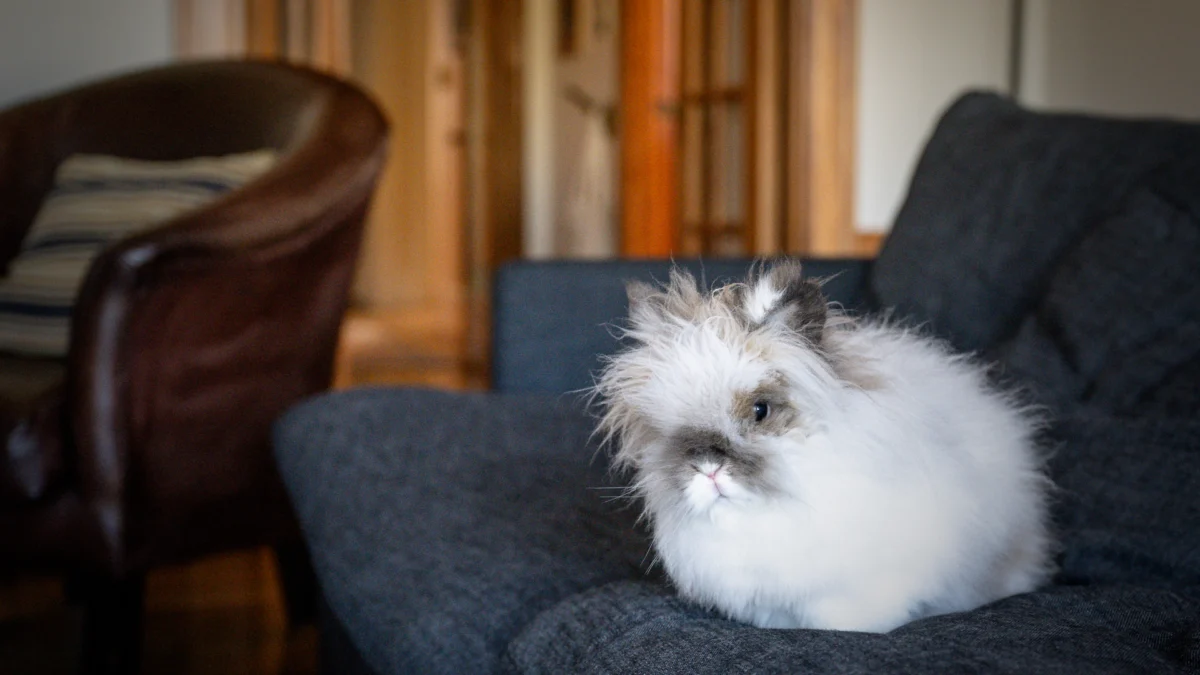
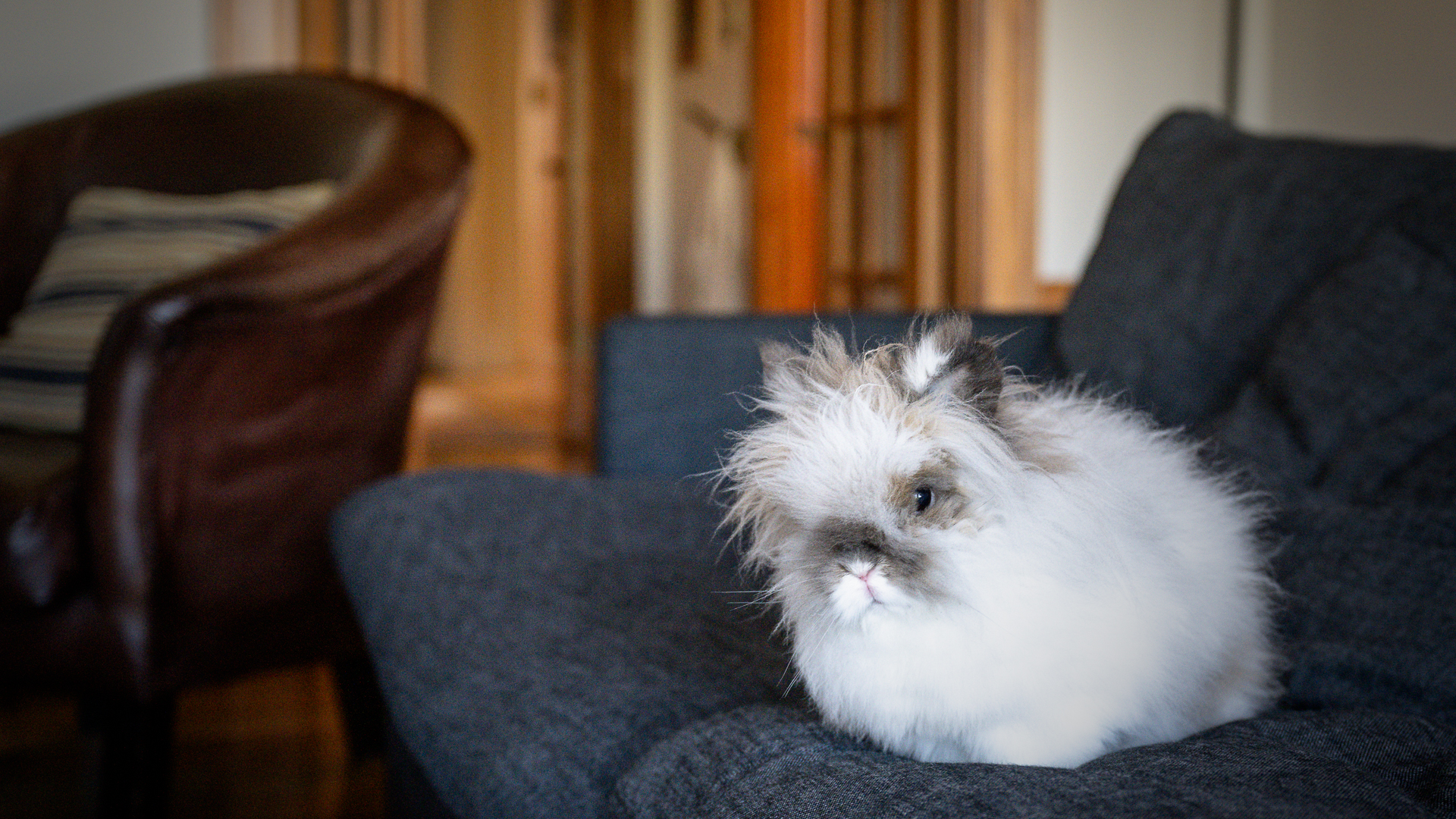
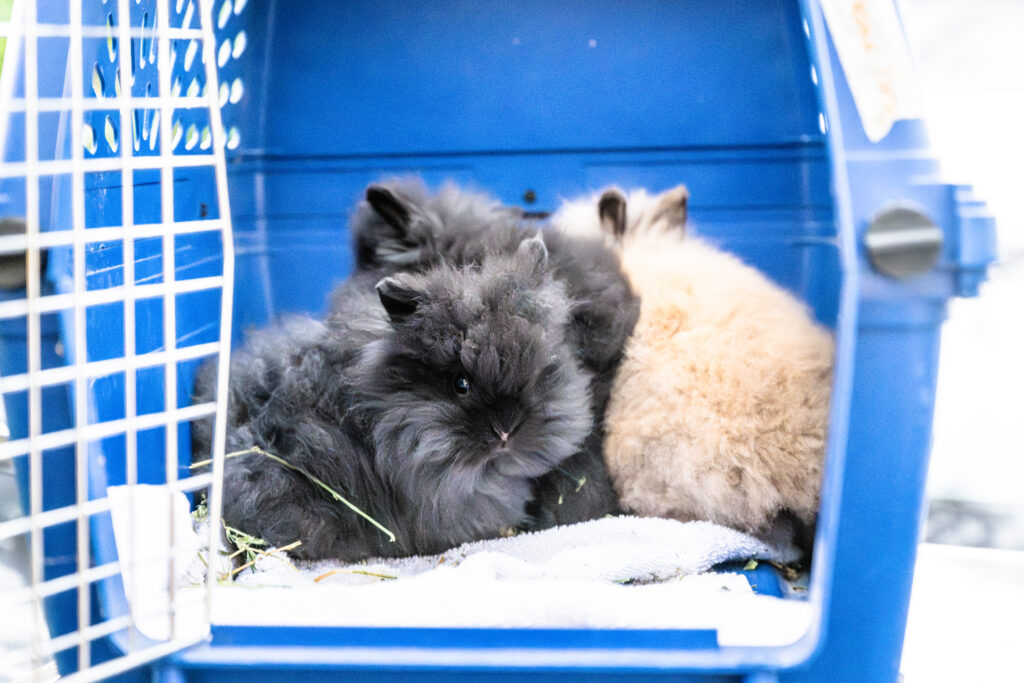
With their iconic, soft halos of fur framing their faces like tiny royal manes, Lionhead rabbits are among the most visually striking and instantly recognizable small pets in the world. Resembling living characters from a storybook, their miniature size and charming fluff make them an irresistible choice for prospective pet owners.
However, this widespread aesthetic appeal has birthed a quiet welfare crisis. Behind the viral social media photos and impulsive pet store purchases lies a demanding reality: maintaining a Lionhead rabbit’s signature coat is not a casual chore; it is a serious, daily commitment. Without consistent, meticulous grooming, their long fur rapidly mats, tangles, and traps moisture. This neglect quickly pulls painfully at the skin, conceals dangerous sores, and sets off a cascading series of severe health issues—including flystrike, painful skin infections, and dangerous digestive blockages.
Consequently, animal rescues and foster networks across the country are experiencing an influx of surrendered Lionheads. Bought on a whim by unprepared owners enchanted by their appearance, these rabbits are routinely abandoned once the true labor of coat maintenance becomes clear.
Chronology
The rise, commercial exploitation, and subsequent rescue crisis surrounding the Lionhead rabbit can be traced through several distinct phases:
- The Rise of a Breed (Late 20th Century): Originating in Belgium—where breeders reportedly crossed Swiss Foxes and Belgian Dwarf rabbits—the Lionhead gained international popularity for its unique gene mutation that produces a woolly mane around the head. The breed quickly captivated rabbit enthusiasts worldwide.
- Commercialization and Pet Store Saturation (Early 2000s to Present): As demand surged, commercial breeding operations and major retail chains—including Petland, Tractor Supply, and local storefronts—began mass-producing and selling Lionheads. Often, these animals are sold underage, unspayed or unneutered, and without adequate buyer education regarding their specialized care needs.
- The Impulse-Buy Cycle (Ongoing): Year-round, holidays like Easter and the winter gift-giving season trigger spikes in impulse purchases of baby Lionheads. Uninformed consumers purchase the animals based purely on aesthetics, completely unaware of the complex grooming requirements.
- The Surrender Wave (Months 3 to 12 of Ownership): As the rabbits mature and their adult coats come in, unbrushed fur develops severe pelting and matting. Overwhelmed owners realize the high maintenance and potential vet bills, leading to a massive wave of surrenders to local shelters and specialized rabbit rescues.
- Current Advocacy and Rescue Efforts (Present Day): Organizations such as the House Rabbit Society are actively pushing back against commercial rabbit sales. Through targeted activism—including petition drives (such as the ongoing change.org campaigns to stop retail rabbit sales) and adoption initiatives—advocates are working to shift public culture away from commercial pet trade impulse buying and toward ethical rescue adoption.
Supporting Data and Care Requirements
To understand why so many Lionhead rabbits end up abandoned, one must examine the precise physiological needs of the breed and the mechanics of their grooming challenges.
The Physical Anatomy of the Coat
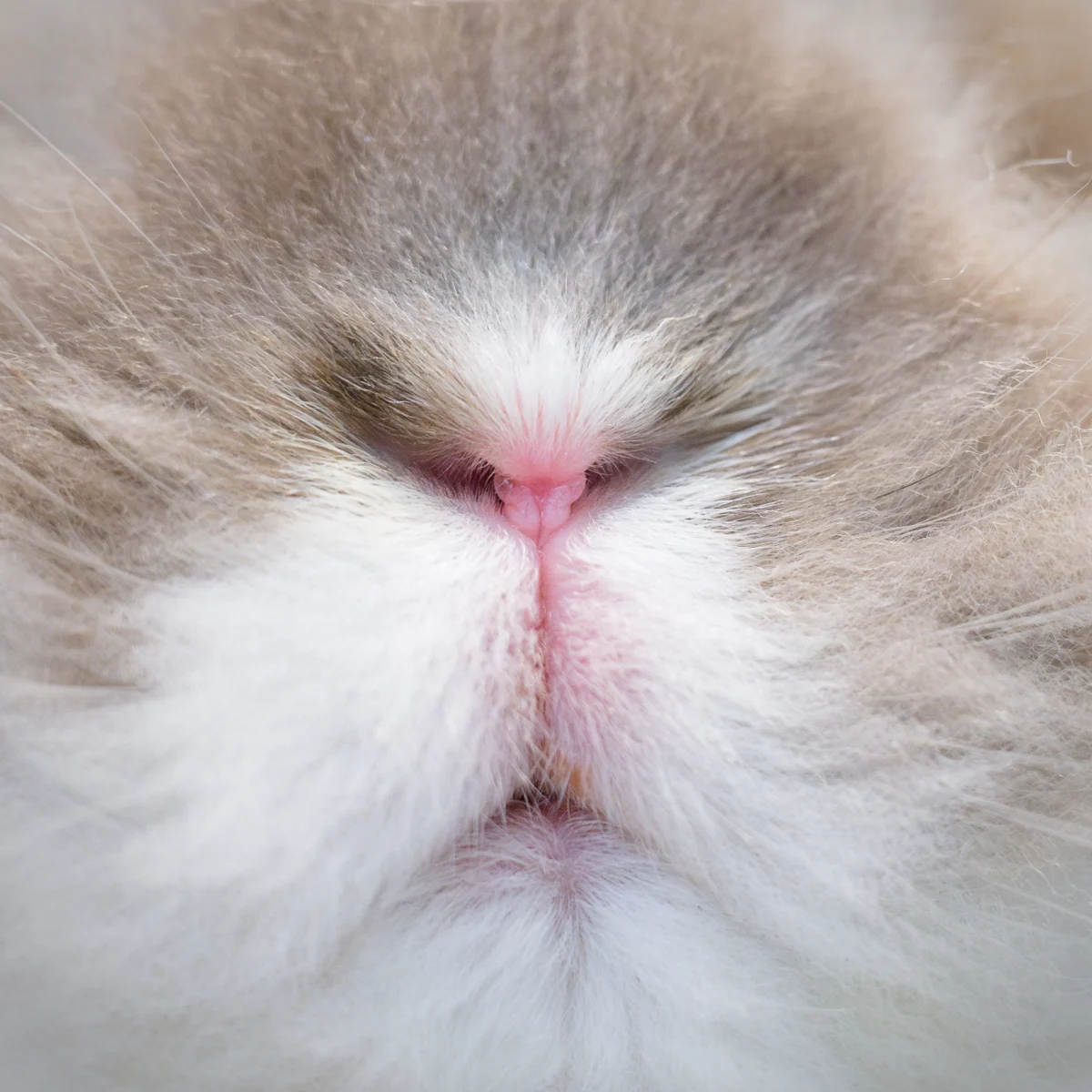
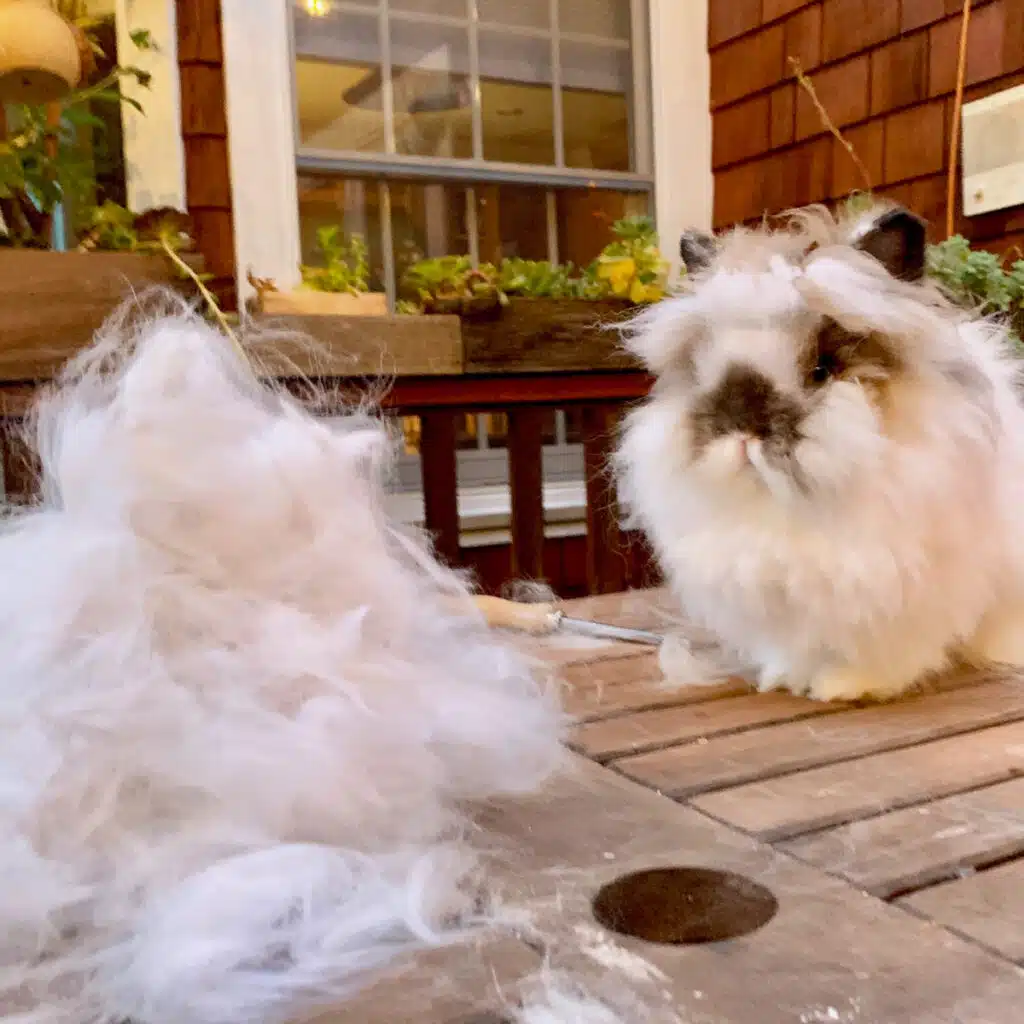
Unlike short-haired domestic rabbits, Lionheads possess wool-gene influences that produce significantly longer guard hairs and a dense undercoat, particularly around the head, chest, and flanks (and sometimes extending down the skirt of a "double-mane" Lionhead). This fur grows continuously and lacks the self-regulating shedding efficiency of wild rabbits.
Essential Daily and Weekly Maintenance
- Daily Brushing: Even a few days without brushing can result in tight, felted mats. Grooming sessions require specialized tools, including slicker brushes and small combs, to gently work through the dense mane without injuring the rabbit’s delicate skin.
- Coat Clipping: For rabbits with severe wool density, regular clipping or shearing is often necessary to prevent matting entirely.
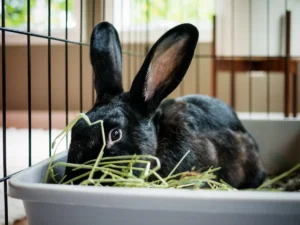
- Dietary Support: Because rabbits groom themselves like cats, they frequently ingest loose fur. Unlike felines, rabbits cannot vomit. Therefore, a strict diet consisting of unlimited high-fiber grass hay, fresh greens, and measured pellets is vital to keep the gastrointestinal tract moving and prevent fatal blockages (GI stasis).
- Environmental Control: Long fur readily traps moisture, urine, and bedding material. Indoor living spaces must be kept impeccably clean and dry to prevent urine scalding and flystrike—a horrific condition where blowflies lay eggs in soiled fur.
Official Responses and Industry Concerns
The welfare community has grown increasingly vocal regarding the commercial trade of specialized rabbit breeds. Animal advocates argue that large corporate retailers prioritize profit margins over animal welfare, systematically failing to educate consumers on the realities of exotic pet ownership.
The Retail Pipeline and Breeding Mills
Major farm and pet supply chains continue to source small mammals from high-volume breeding facilities. According to animal welfare organizations, these commercial operations frequently distribute underage, stressed, and unvetted rabbits to retail storefronts. Buyers walk out with a living creature, a bag of commercial feed, and virtually no guidance on grooming, spaying, neutering, or indoor housing requirements.
Shelter Strains
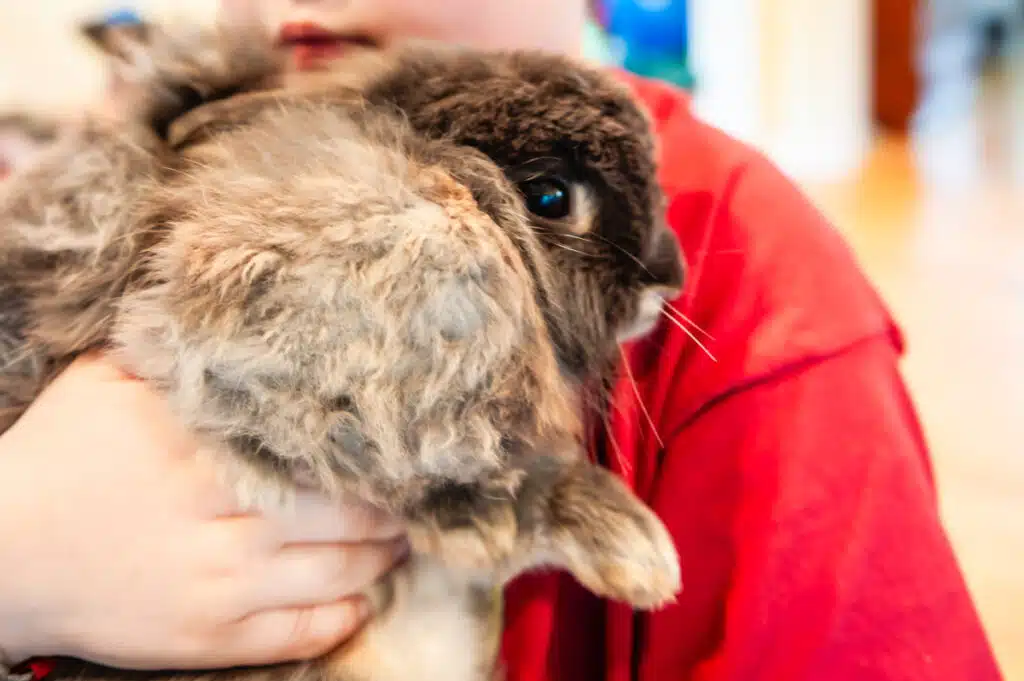
Rescue organizations bear the financial and physical brunt of this industrial pipeline. Intake coordinators regularly receive matted, malnourished, and terrified Lionheads requiring emergency veterinary intervention, professional dematting or shaving, and weeks of behavioral rehabilitation.
In response, rescue groups have established direct intervention pathways:
- Mandatory Medical Care: Every rescue Lionhead is spayed or neutered, vaccinated where applicable, and medically cleared prior to adoption.
- Educational Intake: Rescues invest significant time in teaching potential adopters the exact nuances of grooming, showing them the right tools to use, and assessing whether a prospective pet parent is genuinely prepared for a decade-long commitment.
- Policy Advocacy: Welfare advocates are rallying communities to boycott stores that sell live animals, pushing instead for legislation and corporate policy changes that restrict the retail sale of rabbits entirely—aligning them with progressive policies already enacted for dogs and cats in many municipalities.
Implications for Future Pet Owners and Animal Welfare
The plight of the Lionhead rabbit serves as a glaring case study in the dangers of aesthetic-driven pet ownership. When animals are marketed primarily as novelty items or holiday gifts, their biological needs are easily obscured by clever marketing and superficial charm.
Shifting Cultural Perceptions
Combatting the Lionhead crisis requires a multi-pronged cultural shift. Prospective pet owners must look past viral videos and understand that a rabbit is a complex, sensitive exotic pet requiring specialized care, significant financial investment, and daily physical labor.
The Value of Ethical Adoption
For those equipped to meet these needs, Lionhead rabbits prove to be extraordinarily rewarding companions. Curious, social, intelligent, and brimming with individual personality, they thrive as indoor family members when given ample free-roam space, gentle socialization, and consistent routines.
By choosing to adopt through an established rescue rather than purchasing from a commercial pet store, consumers actively disrupt the cruel cycle of overbreeding and neglect. Rescues provide a safety net for abandoned animals while equipping new owners with the knowledge, tools, and support systems necessary to ensure that a Lionhead’s magnificent mane remains a source of joy—both for the human caretaker and the thriving, healthy rabbit beneath the fluff.