Authors: Paige K Parsons & "Our Think Tank"
Editor: Margie Wilson
Published by: Rabbit.org Foundation
Proper nutrition is the cornerstone of rabbit husbandry, yet it remains one of the most misunderstood aspects of small-mammal care. With countless commercial feeds lining pet store shelves, pet owners are frequently overwhelmed by conflicting marketing claims and a sea of brightly colored packaging. To bridge this knowledge gap, rabbit welfare advocates and veterinary experts have released an updated, comprehensive guide detailing the daily proportions of a healthy rabbit’s diet.
Understanding the delicate balance of a rabbit’s gastrointestinal tract is essential for preventing common, life-threatening conditions such as gastrointestinal stasis, dental disease, and obesity. This extensive guide breaks down the essential food groups—hay, fresh vegetables, pellets, and treats—while highlighting specialized dietary requirements for rabbits with unique health challenges.
Main Facts: The Four Pillars of the Rabbit Diet
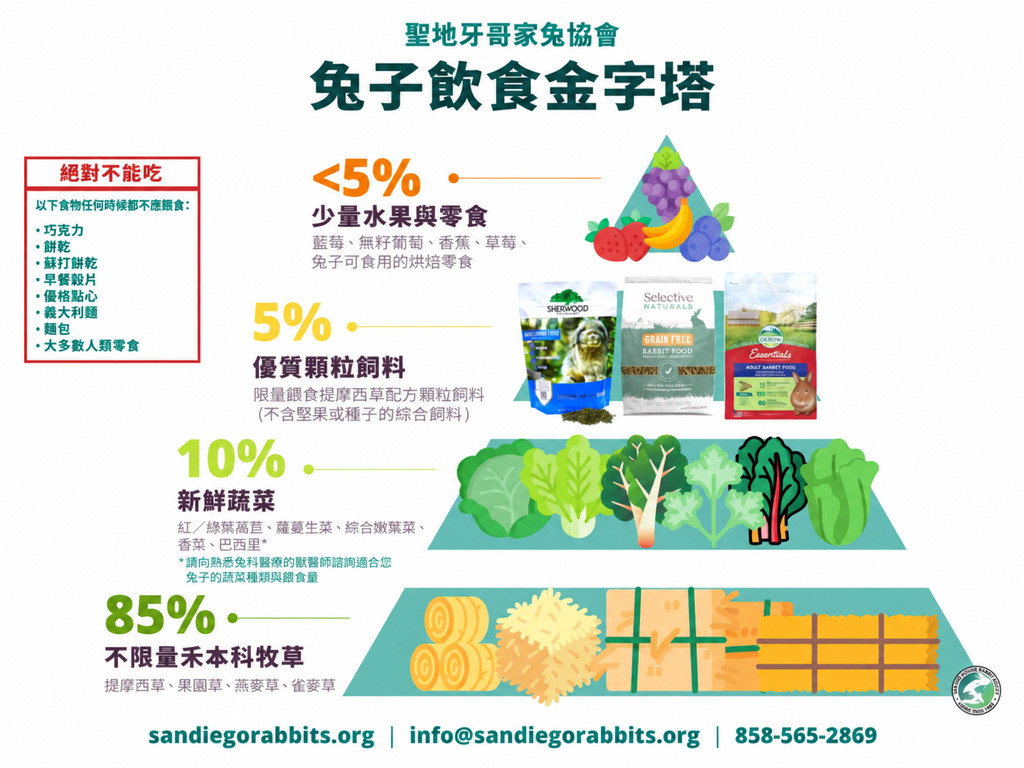
At the core of rabbit veterinary medicine is a strict proportion-based diet that mimics what wild rabbits forage for in nature. A healthy rabbit’s daily food intake should be carefully structured around four distinct tiers:
1. 85% Grass Hay (The Foundation)
Grass hay is unequivocally the single most important food item for a pet rabbit. It contains abundant crude fiber, which is vital for maintaining proper gastrointestinal motility. Furthermore, the constant lateral chewing motion required to break down fibrous hay naturally grinds down a rabbit’s continuously growing teeth, preventing painful and potentially fatal dental spurs, malocclusion, and root abscesses.
- Proportion: Grass hay should constitute 85% of a rabbit’s daily food intake.
- Varieties: Pet owners should never skimp on fresh, high-quality grass hays such as Timothy, orchard grass, brome, and oat hay.
- Expert Recommendation: "Every pet rabbit should have unlimited access to clean, sweet-smelling grass hay," notes leading exotic animal veterinarian Dr. Susan Brown.
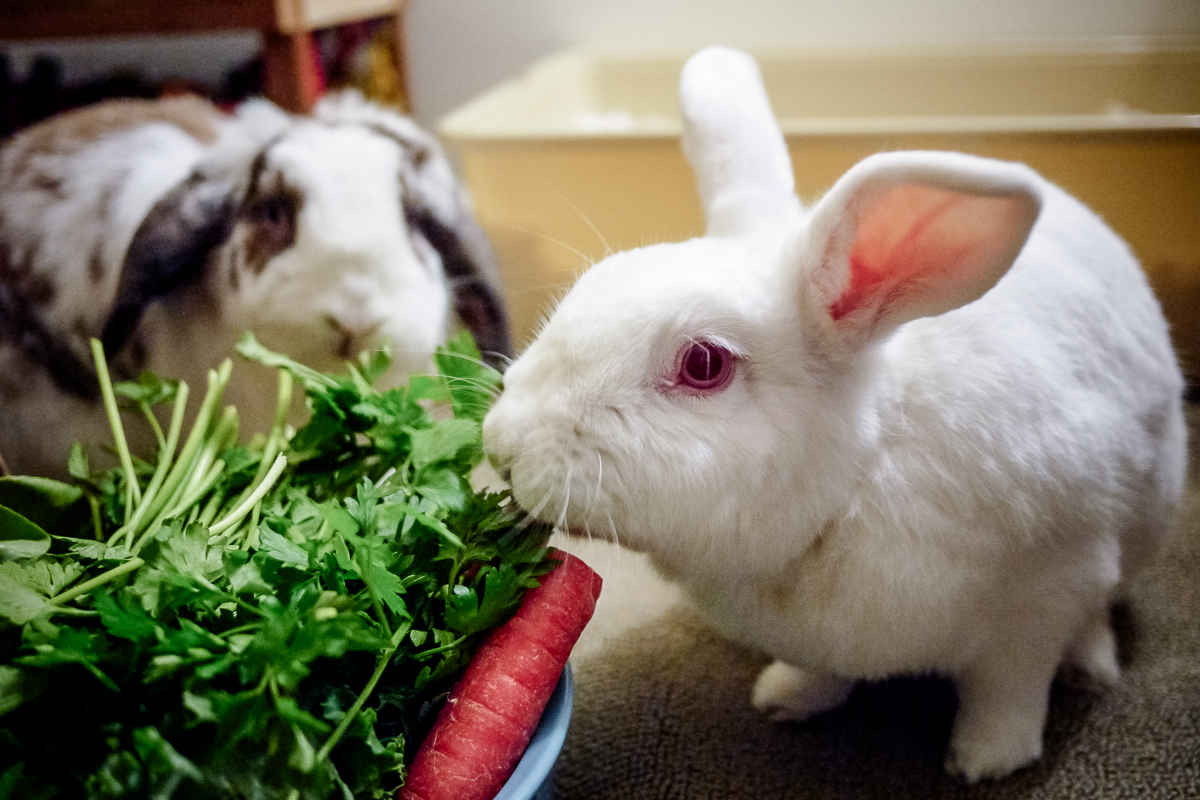
2. 10% Fresh Greens and Vegetables
Fresh vegetables act as a supplement to provide vital micronutrients, vitamins, and hydration, particularly for rabbits that do not drink adequate amounts of water from a bowl or bottle.
- Portion Guidelines: A general rule of thumb for healthy adult rabbits (weighing around 4 pounds or 1.8 kilograms) is to offer approximately 1 to 2 cups of fresh vegetables per day. Owners can divide this into smaller, twice-daily portions to ensure the rabbit handles the fresh food well without digestive upset.
- Safety First: Caregivers should introduce new vegetables slowly—one at a time—while monitoring the rabbit’s stool consistency. If a rabbit shows signs of soft stools or gas, owners should immediately halt that specific vegetable and consult an exotic animal veterinarian.
3. 5% Pellets (The Concentrated Nutrient Source)
While high-quality commercial rabbit pellets are convenient, they should only be used as a concentrated supplement rather than the primary component of the diet.
Veterinary experts emphasize that offering unlimited pellets frequently leads to severe obesity, soft stools, and high-frequency dental problems. Because pellets are dense and concentrated, free-feeding them encourages selective eating, where rabbits pick out their favorite high-calorie bits while leaving behind the nutritious, fibrous components.
- Nutritional Target: Look for a high-fiber, plain timothy-based pellet where crude fiber content is at least 18%. Avoid muesli-style mixes that include seeds, nuts, and colored bits, as these contribute to nutritional imbalances and selective feeding behaviors.
- Portion Control: For a standard adult rabbit, pellets should be severely restricted to no more than 1/8 to 1/4 cup per day, depending on the rabbit’s weight, age, and activity level.
4. Less Than 5% Treat Foods
Treats are the final, highly restricted category in the rabbit food pyramid. While commercial pet stores are filled with yogurt drops, seed sticks, and sugar-laden treats, these items are largely detrimental to a rabbit’s sensitive digestive system.
- The Danger of Commercial Treats: Feeding rabbits sugary or high-fat commercial treats disrupts the delicate balance of beneficial gut bacteria, paving the way for fatal enterotoxemia and severe obesity.
- Healthy Alternatives: If owners wish to offer treats, they should opt for small pieces of fresh fruit (such as apples, berries, or bananas) or specific safe herbs, keeping total consumption to an absolute minimum (well under 5% of total intake).
Chronology: The Evolution of Rabbit Nutritional Science
Over the past three decades, our understanding of lagomorph (rabbit and hare) nutritional physiology has advanced significantly, shifting away from outdated agricultural feeding models toward science-backed, species-appropriate guidelines.
- Pre-1990s (The Agricultural Era): Rabbits were historically viewed primarily as livestock or meat animals. Diets consisted heavily of grains, corn, and heavy commercial pellets designed for rapid weight gain rather than longevity. Dental disease and gastrointestinal stasis were widely accepted as inevitable hazards of rabbit ownership.
- Late 1990s to Early 2000s (The Hay Revolution): Pioneering exotic veterinarians began recognizing the vital link between high-fiber grass hay and lower rates of veterinary emergencies. The publication of seminal veterinary texts shifted recommendations toward unlimited hay consumption.
- 2010s to Present (Precision Nutrition and Special Needs): Modern rabbit welfare organizations have refined dietary guidelines to account for individual life stages, specialized medical conditions (such as senior rabbits, pregnant does, or recovering patients), and the dangers of commercial filler ingredients. Today’s standardized food pyramid represents the culmination of decades of clinical observation and nutritional science.
Supporting Data: Nutritional Breakdown of Rabbit Diets
To better understand how these four food groups interact within a rabbit’s biological system, veterinary nutritionists have compiled baseline compositional metrics:
| Food Category | Recommended Proportion | Primary Biological Benefit | Main Risks of Overfeeding |
|---|---|---|---|
| Grass Hay | 85% | Dental wear, gut motility, crude fiber | None (should be unlimited) |
| Fresh Greens | 10% | Hydration, vitamins, micronutrients | Gas, soft stools, digestive upset |
| Pellets | 5% | Concentrated energy, trace minerals | Obesity, selective feeding, dental disease |
| Treats | < 5% | Behavioral enrichment, bonding | Enterotoxemia, severe GI stasis |
Official Responses: What the Experts Say
Leading figures in exotic animal medicine have long advocated for a strict, hay-centric dietary model. Dr. Susan Brown, a renowned pioneer in rabbit medicine, emphasizes the dangers of straying from these guidelines:
"If we fail to provide a diet rich in grass hay, the physiological consequences are profound. Obesity and high-calcium sludge develop, leading to painful urinary tract issues, chronic dental disease, and devastating gastrointestinal stasis. Hay is not merely a side dish; it is the absolute foundation of rabbit health."
Veterinary organizations worldwide continue to update their public outreach materials, urging shelter workers, breeders, and pet owners to scrutinize commercial pet food labels and prioritize fiber over convenience.
Implications: Why Human Food is Toxic to Rabbits
One of the most critical warnings issued by the Rabbit.org Think Tank concerns human food consumption. Because a rabbit’s digestive tract has evolved as a specialized hindgut-fermenting system, introducing processed human food can cause catastrophic system failure.
Absolute Prohibitions: Pet owners must never feed rabbits processed foods, sweets, chocolate, bread, crackers, cookies, dairy products, grains, or cooked human meals. These items lack necessary fiber and introduce toxic levels of sugars, fats, and complex carbohydrates that trigger fatal bacterial imbalances in the cecum.

Special Considerations for Special Needs Rabbits
Not all rabbits fit neatly into standard dietary boxes. Senior rabbits, nursing does, and recovering rescue rabbits may require customized dietary adjustments under veterinary supervision:
- Senior Rabbits: May require softer hays or a minor adjustment in pellet intake if they experience weight loss due to arthritis or age-related dental issues.
- Growing Kits & Pregnant Does: Require higher caloric density, fulfilled safely through alfalfa hay (which is actually a legume, higher in protein and calcium) and carefully measured alfalfa-based pellets during their developmental window.
By adhering to the updated food pyramid and consulting certified exotic animal veterinarians for personalized nutritional plans, rabbit owners can ensure their companion animals live long, healthy, and vibrant lives.