By Paige K Parsons
Published by Rabbit.org
While “baby bunny” is a sweet and endearing phrase, it carries a heavy, serious responsibility. Whether you have stumbled upon a tiny wild rabbit nestled in your backyard grass or you are preparing to welcome a young domestic rabbit into your home, knowing how to act—calmly, kindly, and correctly—is paramount. Young rabbits require specialized care, immense patience, and an understanding of their delicate biology. This comprehensive guide outlines everything you need to know about distinguishing between wild and domestic kits, knowing when to intervene outdoors, providing proper domestic care, and navigating ethical adoption practices.
Main Facts: What Counts as a "Baby Bunny"?
In the realm of rabbit care, a baby bunny is formally known as a kit or kitten. While wild cottontails and domestic rabbits share similar physical developmental milestones, their ecological contexts, behavioral traits, and human interaction guidelines are vastly different.
The most critical rule of thumb for anyone encountering a young rabbit outdoors is that wild babies are rarely abandoned, even if they appear to be sitting all alone. Conversely, domestic baby rabbits rely entirely on human intervention for shelter, protection, and optimal nutrition. Mistaking a wild kit for an orphan—a common phenomenon that wildlife rehabilitators refer to as "kidnapping"—can inadvertently separate a healthy baby from its mother.
Understanding these foundational differences ensures that wild rabbits remain in their natural habitats where they belong, while domestic rabbits receive the indoor protection and veterinary foundation they need to thrive.
Chronology: The Lifecycle and Timeline of a Developing Kit
Understanding the growth stages of a baby rabbit is essential for determining proper feeding, weaning, and socialization schedules. Whether hand-rearing an orphan or tracking the progress of a fostered rescue, kits move through distinct developmental milestones:
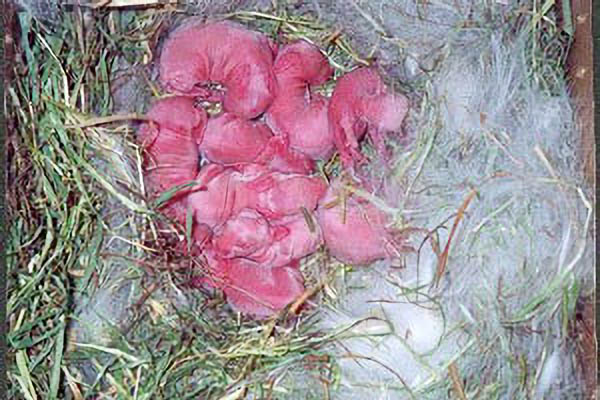
- Day 1 to Day 7 (The Newborn Stage): Kits are born hairless, blind, and entirely deaf. Their skin is pink and translucent. During this first week, they rely exclusively on their mother’s rich milk, which she feeds to them only once or twice a day—usually at dawn and dusk. Mother rabbits spend very little time in the nest to avoid attracting predators.
- Day 7 to Day 14 (Eyes Open and Fur Growth): Around the end of the first week or early in the second, the kits’ eyes begin to open, and a soft layer of fur develops. They become more active within the nest, starting to huddle together for warmth.
- Week 3 to Week 4 (Exploration and Nibbling): Kits begin to crawl out of the nest and explore their immediate surroundings. They will start nibbling on solid foods, such as alfalfa and grass hay, though mother’s milk remains their primary nutritional source.
- Week 5 to Week 8 (The Weaning Phase): During this period, milk consumption decreases significantly as solid food intake increases. Their digestive systems undergo a massive shift as gut flora establishes itself.
- Week 8 and Beyond (Independence): By eight weeks of age, rabbits are fully weaned. In domestic settings, this is the milestone where they are ready to transition to permanent homes, though they still require specialized juvenile diets and careful handling.
Supporting Data and Field Observations: The Wild Rabbit Dilemma
Every spring, wildlife centers and rescue organizations across the country are flooded with young rabbits brought in by well-meaning members of the public. According to data from wildlife agencies, eastern cottontails and other wild rabbit species are among the most frequently "kidnapped" animals in North America.
The Mother’s Strategy: Absentee Parenting by Design
Mother wild rabbits do not stay in the nest with their babies. Because rabbits are prey animals, lingering near a shallow ground nest would broadcast its location to hawks, foxes, cats, and dogs. Instead, the mother visits the nest only twice daily for just a few minutes at a time to nurse her young quickly. She covers the shallow depression with grass, fur, and dirt when she leaves, making it nearly invisible.
Because of this natural strategy, finding a nest of quiet, warm baby bunnies alone in the grass does not mean they are orphaned.
When to Intervene: Clear Red Flags
While most wild baby rabbits should be left strictly alone, there are specific scenarios where human intervention is legally and biologically necessary:

- Known Danger: If you know for a fact that the mother has been killed (e.g., struck by a car or caught by a domestic pet).
- Visible Injury: If the kits are bleeding, have open wounds, broken limbs, or show signs of physical trauma.
- Flystrike or Parasites: If you notice fly eggs (which look like tiny grains of rice) or maggots crawling on or near the babies.
- Disrupted Nests: If the nest has been completely destroyed by lawnmowers, dogs, or construction, and cannot be safely reconstructed in the same spot.
If any of these conditions apply, you should immediately contact a licensed wildlife rehabilitator or a rabbit-savvy veterinarian. Describe the situation accurately and follow their exact guidance.
Official Responses and Expert Guidance on Domestic Care
When caring for domestic baby bunnies—whether rescued from a hoarding situation, a shelter, or raised as orphans—expert protocols must be followed strictly to prevent fatal gastrointestinal complications.
Feeding, Weaning, and the Importance of Mother’s Milk
Mother’s milk provides crucial maternal antibodies and establishes the delicate balance of microbial flora in a rabbit’s gut. Domestic kits should remain with their mothers for at least eight weeks to ensure proper weaning and robust digestive development. Separating babies too early often triggers chronic digestive disorders, failure to thrive, or fatal enteritis.
If you are hand-rearing orphaned domestic kits, you must utilize specialized milk replacers under the direct supervision of a veterinarian. Children should never attempt to bottle-feed baby rabbits due to the extremely high risk of aspiration pneumonia.
Health Red Flags: When to Seek Urgent Veterinary Care
Baby rabbits are fragile creatures whose health can deteriorate rapidly. Seek immediate veterinary care if you observe any of the following symptoms:

- Lethargy: A baby that is unresponsive, cold to the touch, or reluctant to move.
- GI Stasis Symptoms: Refusal to eat or nurse, accompanied by a bloated or painful abdomen.
- Diarrhea or Soiling: Any form of liquid stool or heavy staining around the hindquarters (a major warning sign of fatal enteritis).
- Respiratory Distress: Wheezing, nasal discharge, or labored breathing.
Implications: Ethical Acquisition and the Problem with Pet Stores
The methods by which people acquire pets have profound welfare implications for the species at large. When individuals decide to bring a young rabbit into their homes, the source matters immensely.
Avoiding Pet Stores and Online Breeders
Purchasing baby rabbits from commercial pet stores or unverified online breeders often contributes to a cycle of overbreeding, impulse buying, and subsequent abandonment. Many young rabbits purchased on a whim—particularly around Easter—end up surrendered to overburdened animal shelters once the novelty wears off or behavioral challenges arise.
The Case for Rabbit Rescues and Adoption Groups
The most compassionate, responsible way to acquire a young rabbit is through a reputable rabbit rescue organization or municipal shelter. Rescues frequently take in pregnant rabbits or nursing mothers surrendered from neglect or hoarding cases.
When kits are born and raised within a foster network, they benefit from professional veterinary oversight, early socialization, and proper nutritional management. Furthermore, adopting through a rescue ensures that:
- The rabbit will be spayed or neutered once they reach the appropriate age (typically between 4 and 6 months).
- The animal is evaluated for health and temperament to match your household’s lifestyle.
- You are actively combating the overpopulation crisis rather than supporting commercial breeding mills.
Socialization, Litter Training, and Housing Checklist
Preparing for a young domestic rabbit requires patience, organization, and a properly equipped environment.
Socialization and Litter Learning
Kits are naturally curious and adaptable. Gentle, consistent handling from an early age helps them become confident, friendly companions. As they explore their enclosure, you can begin litter training by placing low-sided litter boxes filled with paper-based, rabbit-safe litter in corners they naturally favor.
Starter Supplies Checklist
Before bringing a baby bunny home, ensure you have gathered the following essentials:
- Unlimited Grass Hay: Timothy, orchard grass, or meadow hay must be available at all times to support developing digestion and wear down continuously growing teeth.
- Juvenile Pellets: High-quality, plain alfalfa-based pellets designed specifically for growing kits (transitioning to timothy-based pellets later in life under veterinary guidance).
- Spacious Enclosure: A secure X-pen or rabbit-proofed exercise pen rather than a cramped wire-bottom cage, which can cause painful hock injuries (pododermatitis).
- Heavy Ceramic Food and Water Bowls: Lightweight bowls are easily tipped over by energetic kits.
- Safe Chew Toys: Untreated willow balls, cardboard boxes, and seagrass mats to satisfy their natural urge to chew.
Frequently Asked Questions
How do I tell a domestic rabbit from a wild rabbit?
Wild cottontails are typically smaller, slender, brown-agouti colored, and feature distinctive white tail markings. Domestic rabbits vary wildly in size, coat color, ear carriage, and body shape. Consult specialized identification guides for detailed regional comparisons.
What greens are safe to feed a young rabbit?
Vegetables should not be introduced until the kit is fully weaned and even then, only introduced one at a time in minute quantities to monitor for digestive upset. Safe options include dark leafy greens like romaine lettuce or cilantro, but consult a comprehensive baby rabbit diet guide before offering fresh produce.
Can children bottle-feed a baby bunny?
No. Bottle-feeding carries a significant risk of fluid entering the lungs (aspiration), which can be fatal. Only trained adults following a strict veterinary protocol should attempt hand-rearing.

Disclaimer: This guide offers general welfare-based advice and educational information. It does not replace individualized, professional veterinary care.