

CHICAGO, IL — A coalition of animal welfare organizations in the Chicago metropolitan area has launched a concerted campaign demanding that the retail chain Petland cease the sale of live rabbits. The movement, spearheaded by the House Rabbit Society of Chicago (HRS Chicago), Red Door Animal Shelter, and It’s All About The Paws (IAATP), follows a series of high-profile animal hoarding crises that experts say trace their origins back to impulse purchases made at the retail level.
For years, local rescue groups have served as the final safety net for abandoned, neglected, and displaced domestic rabbits. However, these organizations report that they are now operating at capacity, with waitlists for owner surrenders growing at an alarming rate. Advocates argue that the retail model, which often prioritizes profit over animal welfare, is the primary driver of this systemic failure. By treating living creatures as inventory, critics claim that retailers like Petland facilitate the very conditions that lead to the "downstream" abandonment of these animals.
The Human and Animal Cost: Why This Matters
The ripple effect of a single rabbit sale can be devastating. Rabbits are complex, social, and sensitive animals that require specialized veterinary care, specific dietary needs, and significant living space. When sold as "starter pets" or impulse buys, the mismatch between owner expectations and the reality of rabbit care often leads to neglect, mismanaged breeding, and eventual abandonment.
"Petland is a major source of rabbits who later end up abandoned or in crisis," explains Rachael Sanders, Director of the House Rabbit Society of Chicago. "We regularly see mis-sexed pairs adopted from stores that lead to repeated, unwanted litters. While Petland profits, rabbits suffer."
The statistics backing these claims are harrowing. What begins as a simple purchase of two "bonded" pets frequently devolves into a population explosion within a home, as owners—often uneducated on sexing the animals—suddenly find themselves responsible for dozens of rabbits.
A Chronology of Crisis: The Schaumburg Cases
The demand for a policy change is not based on abstract theory, but on hard evidence gathered from two major hoarding cases in the Chicago suburb of Schaumburg. These incidents underscore the dangerous trajectory of retail-sourced animals.
The May 2021 Hotel Room Intake
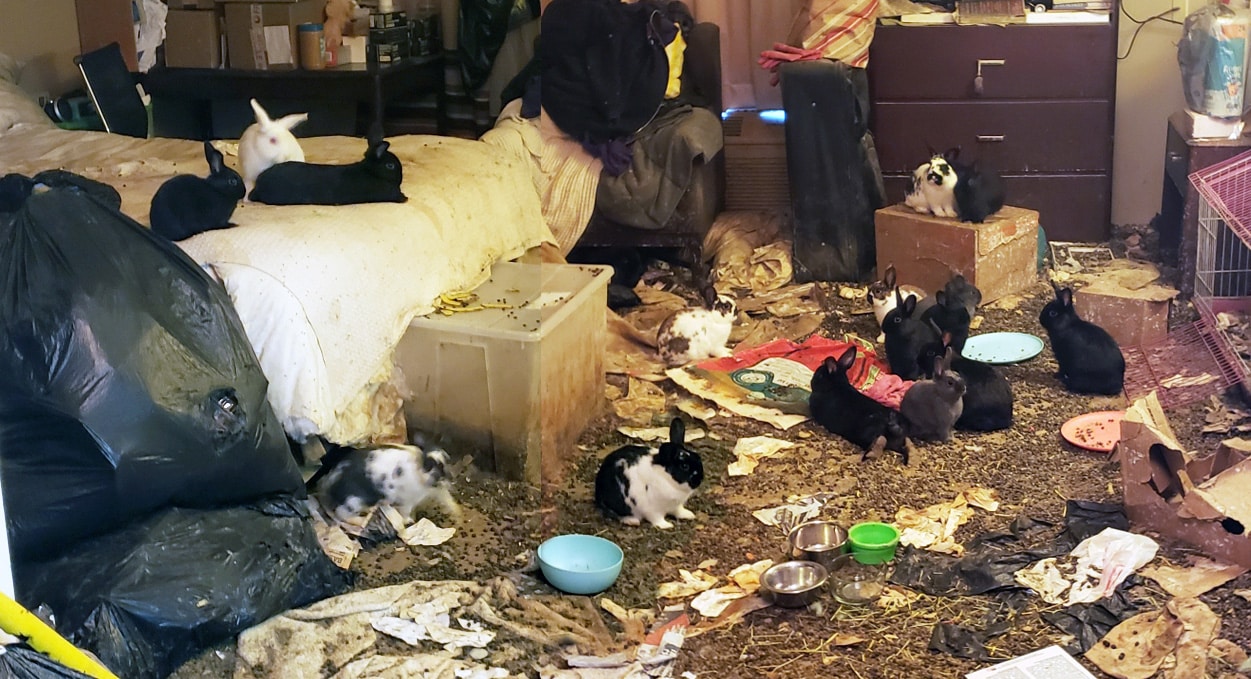
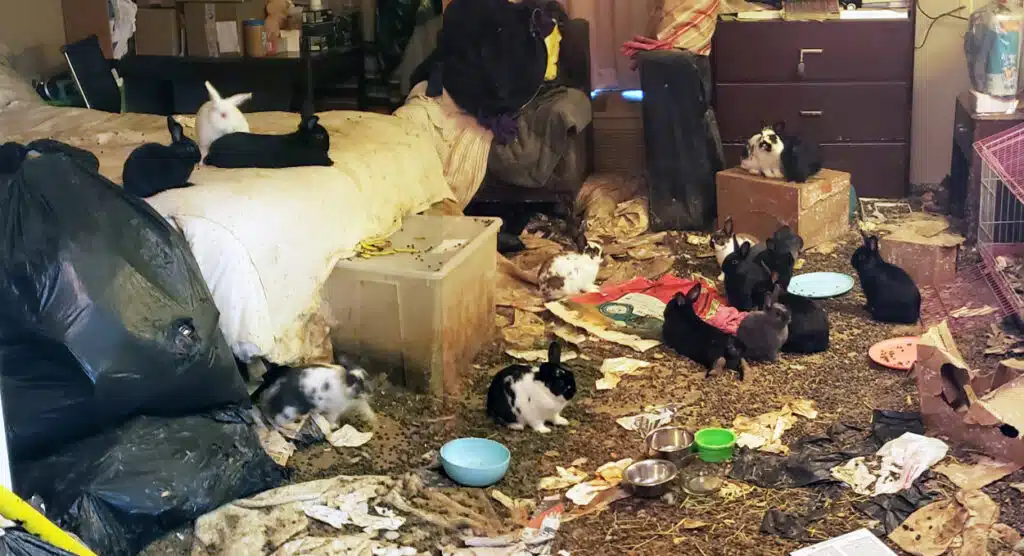
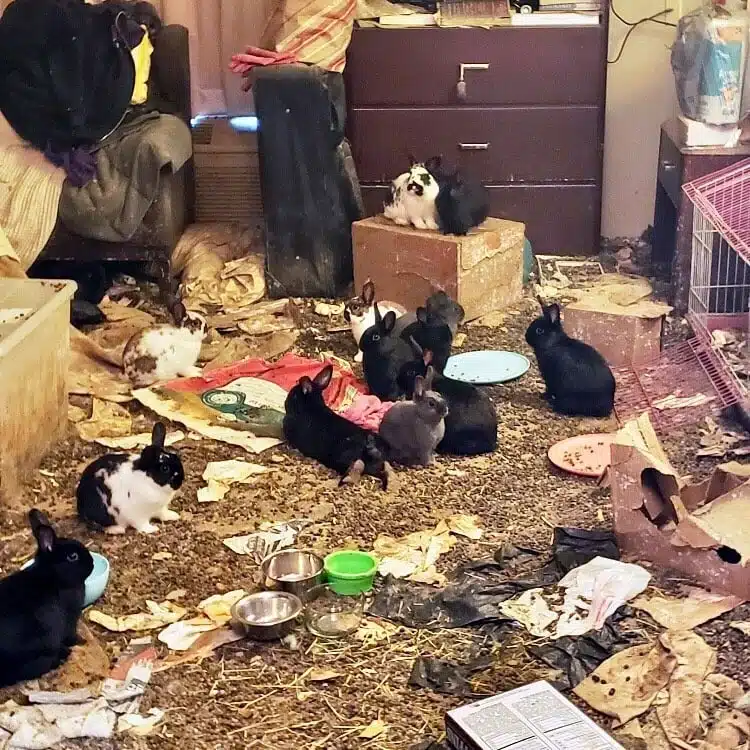
In May 2021, local authorities and animal welfare responders were alerted to a dire situation in a long-stay hotel room in Schaumburg. Upon arrival, they discovered 47 rabbits living in cramped, squalid conditions. The space was filled with debris, and the animals lacked proper care.
The health of the rabbits was compromised by the overcrowding and the lack of basic resources. Responders, working in masks and gloves to navigate the hazardous environment, found that 15 of the rabbits were pregnant. The logistical and financial burden of this rescue was immense: Red Door Animal Shelter took in 22 of the rabbits, incurring medical costs exceeding $7,000, while DuPage County Animal Services took in the remaining 25. According to the caretaker at the scene, the crisis originated from a single purchase of two rabbits at Petland Hoffman Estates.
The July 2023 Residential Case
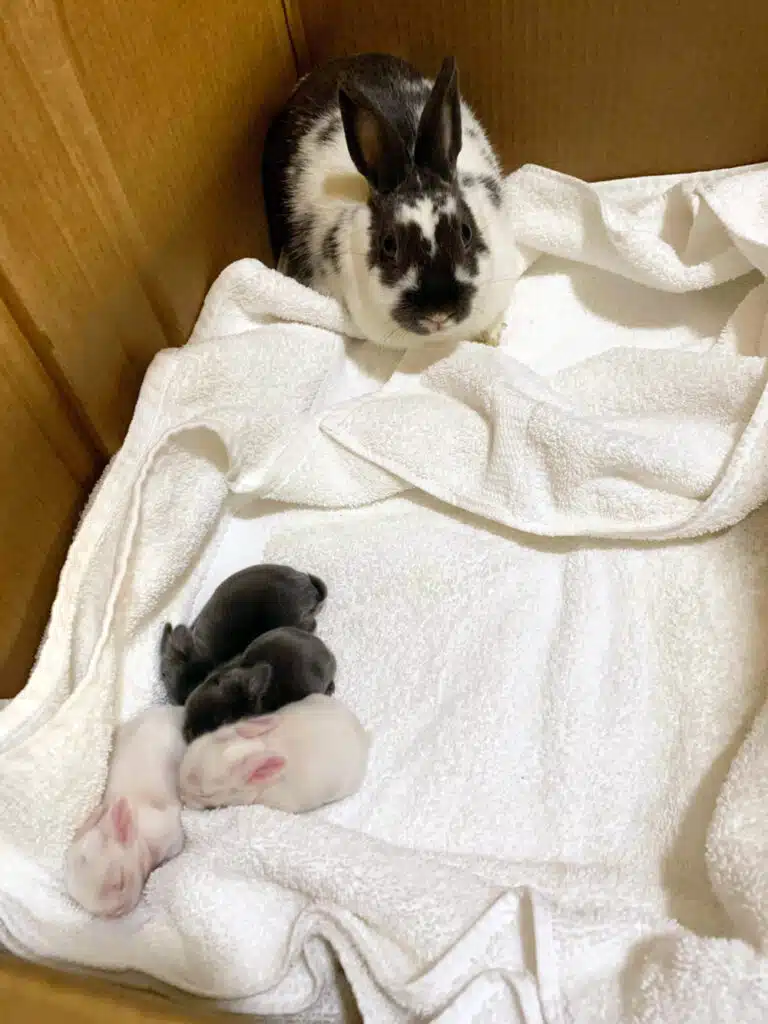
Just over two years later, the pattern repeated itself. In July 2023, IAATP responded to a private residence in Schaumburg, where they found more than 40 rabbits in distress. Within 24 hours of the initial call, the rescue team, working in coordination with animal control, successfully removed 29 rabbits from the home, including several newborns.
The owners of the property, when questioned by investigators, revealed that the original pair of rabbits—the "patient zero" of the infestation—had been purchased from the same Petland in Hoffman Estates. The recovery effort required a massive cross-regional coordination, with IAATP working alongside HRS Wisconsin, Hoopy Haven Rabbit Rescue, and Lost Woods Animal Sanctuary to ensure that the animals were provided with medical assessments and eventual placement.
Data and Trends: The Burden on Rescue Infrastructure
The crisis is not limited to these two incidents. Toni Greetis, Vice President of Red Door Animal Shelter, describes these events as symptomatic of a broader, systemic issue. "We managed back-to-back mass-intake crises in Schaumburg—each beginning with owner-reported Petland-origin pairs—stretching volunteers, foster space, and medical budgets to the breaking point," Greetis notes.
The financial strain on these non-profit organizations is significant. Every dollar spent on an emergency medical intervention for a hoarding victim is a dollar taken away from spay/neuter programs, public education, and routine rescue operations. Furthermore, the human cost to volunteers—who are frequently exposed to the trauma of seeing animals in states of extreme neglect—cannot be overstated.
The Call for Humane Retail Reform
The coalition’s primary goal is for Petland to join other national retailers like Petco and PetSmart in ending the sale of rabbits. These larger chains have already shifted their business models to feature adoption-only programs, partnering with local shelters to help place homeless animals rather than sourcing them from breeders.
"The Rabbit.org Foundation and its Stop Rabbit Sales Coalition are calling for Petland to phase out rabbit sales and adopt humane retail practices," the group stated in their recent press release. By transitioning to an adoption-based model, retailers could transform from being part of the problem to becoming a partner in the solution, helping to clear shelters rather than contributing to their overcrowding.
The campaign has launched a formal petition via Change.org, urging the public to sign in support of ending these sales. Advocates believe that increasing public awareness is the only way to force corporate accountability.
Implications for Animal Welfare Policy
The situation in Chicago serves as a microcosm for the national debate on the commercial sale of small animals. There is a growing consensus among veterinarians and animal welfare experts that rabbits are "exotic" pets that require a level of commitment that most retail shoppers are not prepared to provide.
When a retailer sells an animal, the transaction is often transactional and brief, lacking the rigorous vetting processes (such as home checks and educational counseling) that rescue organizations utilize to ensure a successful placement. This lack of "barrier to entry" makes it far too easy for uninformed consumers to acquire animals they cannot properly house, feed, or afford to treat when they become ill.
How to Help: A Guide for the Community
For those currently overwhelmed by their own rabbit ownership, the message from the rescue community is clear: Do not abandon your rabbit outdoors. Domestic rabbits lack the instincts to survive in the wild and are easy prey for predators or victims of environmental exposure.
If you are struggling, reach out to local experts:
- Contact a reputable rescue: Organizations like the House Rabbit Society have resources to assist with surrenders, fostering, and advice on behavioral issues.
- Consult a professional: If the issue is behavioral, a rabbit-savvy veterinarian or a certified behaviorist may be able to provide solutions that keep the animal in your home.
- Seek legal guidance: If you are in an emergency situation involving stray animals, contact your local animal control or municipal shelter. They are equipped to handle the initial intake and can often coordinate with private rescues to find appropriate placement.
Conclusion: A Future Without Impulse Sales
The demand for policy reform is grounded in the hope of preventing the next Schaumburg-style crisis. By ending the commercial sale of rabbits, the hope is to decrease the number of impulse purchases, thereby reducing the sheer volume of animals that end up in the shelter system.
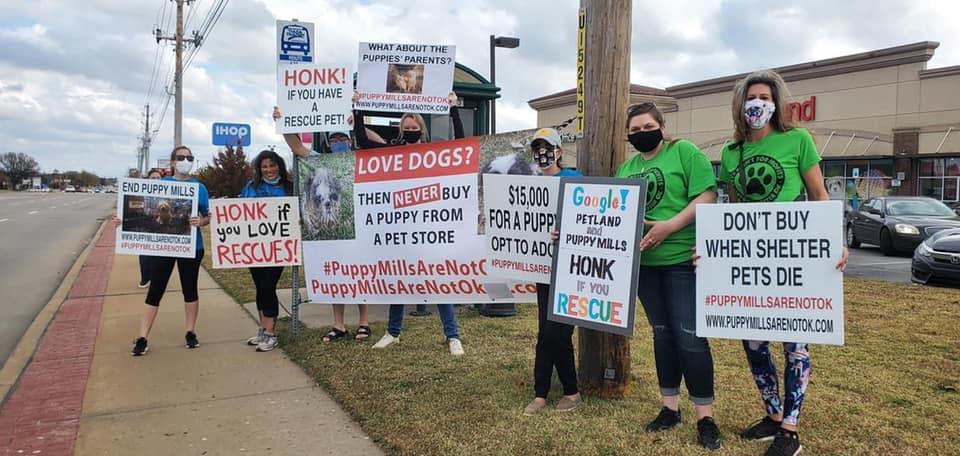
The Chicago-based coalition remains steadfast in their commitment. They continue to gather evidence, document the outcomes of their intakes, and lobby for a more compassionate approach to retail. As the public becomes increasingly aware of the origins of their pets, the pressure on retailers like Petland to prioritize ethics over profit is expected to grow.
For those interested in supporting this movement, the full details, including the official press release and links to the petition, are available through the Rabbit.org Foundation. The message remains simple: until the retail sale of rabbits is halted, the cycle of rescue, medical crisis, and heartbreak will continue. It is time for the retail industry to recognize that animals are not products, and their welfare should never be an afterthought in the pursuit of a sale.