For years, the rabbit-owning community and veterinary professionals have been engaged in a high-stakes race against Rabbit Hemorrhagic Disease Virus Type 2 (RHDV2). As the virus established itself as an endemic threat across the United States, the primary barrier to widespread vaccination was not a lack of efficacy, but a logistical hurdle: the packaging of the vaccine itself.
For a long time, the only USDA-approved RHDV2 vaccines were manufactured in large, multi-dose vials. While efficient for large-scale "vaccination clinics" or shelters managing hundreds of animals, this format presented a significant challenge for private, small-practice veterinarians. Today, that narrative has shifted. Since mid-2025, the availability of single-dose vials of Medgene’s RHDV2 vaccine has fundamentally altered the landscape of rabbit preventive medicine, making life-saving protection more accessible to the average pet owner than at any point in the history of the outbreak.
The Evolution of the RHDV2 Crisis: A Chronology of a Deadly Threat
To understand the magnitude of this innovation, one must look at the timeline of the RHDV2 crisis in North America.
- 2018–2019: RHDV2 began to appear in sporadic, isolated cases in the United States, primarily in domestic rabbits. The medical community watched with growing alarm as the virus showed a high mortality rate and the ability to persist in the environment.
- 2020: The virus crossed a critical threshold, jumping from domestic populations into wild rabbit and hare populations in the Southwestern United States. The resulting mass die-offs of cottontails and jackrabbits turned the virus into a widespread environmental threat.
- 2021–2022: As the virus swept across state lines, the urgency for a vaccine became the primary focus of organizations like the House Rabbit Society. Emergency USDA authorization was granted for the Medgene vaccine, but it was restricted by its multi-dose packaging.
- 2023–2024: During this period, the "vaccination clinic" model became the standard. Veterinarians would organize specific days where dozens of rabbits could be vaccinated in a single session to ensure the multi-dose vials were fully utilized before expiration. While successful in high-density areas, this left rural owners and those with single rabbits at a disadvantage.
- 2025: The introduction of the single-dose vial marked the end of the "clinic-only" era. This transition has allowed the vaccine to integrate seamlessly into standard wellness checkups, changing the paradigm from a reactive, event-based necessity to a routine preventive measure.
The Technical Hurdle: Why Multi-Dose Vials Were a Barrier
In the veterinary world, vaccine waste is a significant fiscal and logistical concern. When a pharmaceutical company produces a vaccine in a 10- or 20-dose vial, once that vial is punctured, the remaining doses must generally be used within a very short timeframe—often a matter of hours—or discarded.
For a specialized exotic animal clinic, this was manageable. They could schedule ten rabbit appointments in one afternoon. However, for a general practice veterinarian who might see only one or two rabbits a month, purchasing a multi-dose vial meant that a significant portion of the product would inevitably go to waste. Because clinics are businesses, the cost-prohibitive nature of this waste often deterred them from stocking the vaccine altogether.
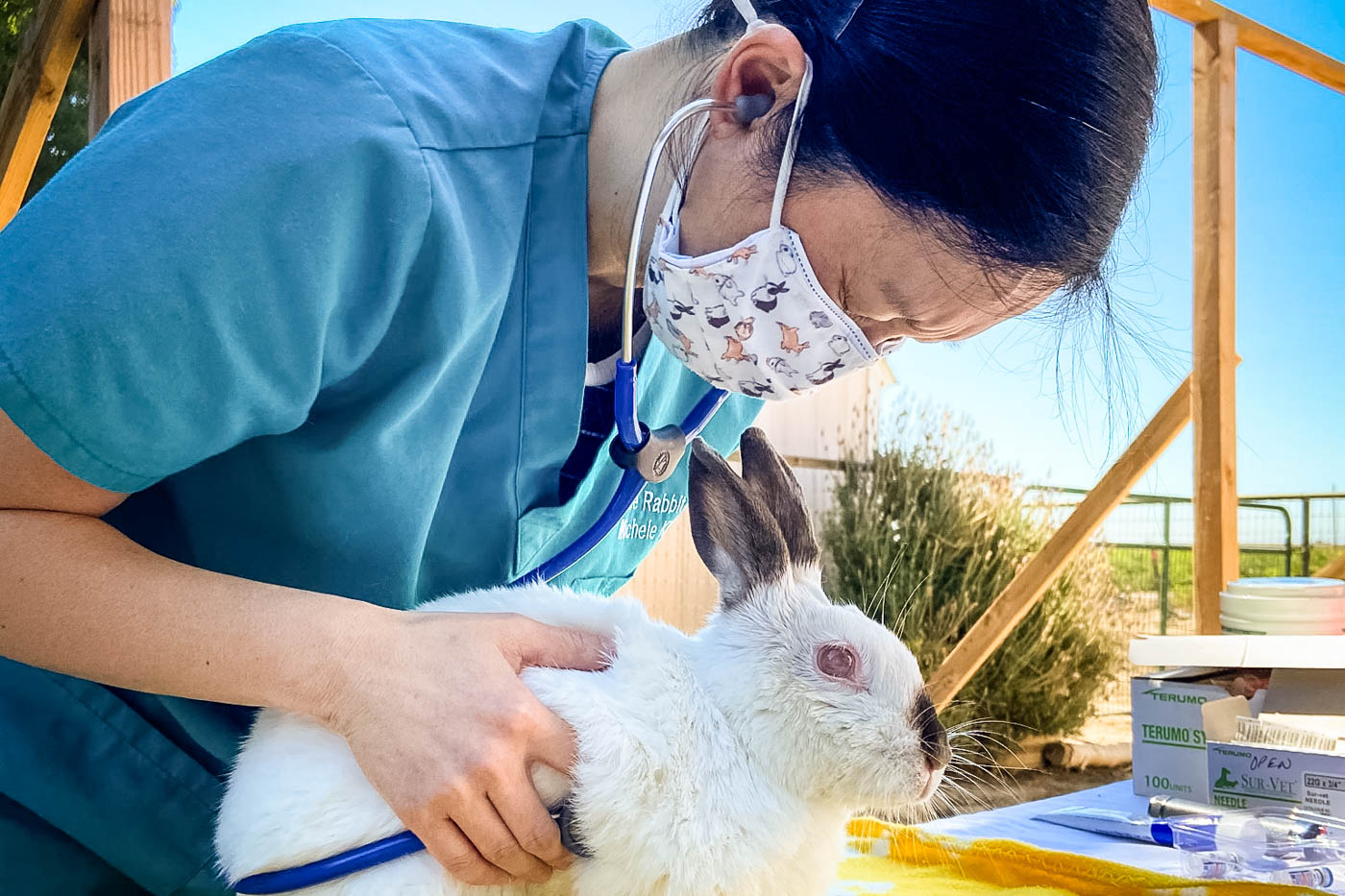
By pivoting to a single-dose format, Medgene has effectively removed the financial disincentive for veterinarians. Now, a small clinic can stock a handful of individual doses, confident that they can be administered to patients as they arrive for routine exams, without the pressure of "batching" appointments.
Understanding the Virus: Why Vaccination is Non-Negotiable
RHDV2 is a particularly insidious pathogen. Unlike many other diseases that require direct contact between animals, RHDV2 is highly resilient. It can survive in extreme temperatures and can be transmitted through indirect contact. This includes:
- Fomites: The virus can be carried on human shoes, clothing, or tires. If a pet owner walks through an area frequented by wild rabbits and then enters their home, they risk bringing the virus to their pet.
- Environmental Persistence: The virus can live on surfaces and in the soil for months, making even indoor-only rabbits susceptible if a human inadvertently introduces the pathogen.
- Sudden Mortality: The most harrowing aspect of RHDV2 is the speed at which it strikes. Often, a rabbit appears perfectly healthy in the morning and passes away by the evening. There are rarely early warning signs, and by the time symptoms—such as lethargy, fever, or bleeding from the nostrils—appear, the disease is almost always terminal.
Given this reality, the American veterinary community and major rabbit health organizations have declared vaccination the gold standard of care. There is no cure for RHDV2, and supportive care is rarely successful once clinical signs have developed. Vaccination is, quite literally, the only reliable defense.
The Implications for Veterinary Practice and Pet Ownership
The move toward single-dose distribution is more than just a convenience; it is a fundamental shift in the accessibility of animal healthcare.
Increased Geographic Reach
In rural or suburban areas where exotic-specialist veterinarians are scarce, pet owners were previously forced to drive long distances to participate in mass vaccination clinics. With single-dose availability, local general practitioners who might not have previously prioritized rabbit medicine now have the tools to offer standard-of-care protection. This decentralizes the effort and ensures that rabbits in geographically isolated areas have the same survival prospects as those in major metropolitan hubs.
Integration into Wellness Care
Vaccination is now moving from a "special event" to a routine line item on a rabbit’s annual wellness exam. This fosters a better relationship between the owner and the vet. When a rabbit owner visits their veterinarian for a nail trim or an annual physical, the conversation about RHDV2 can happen naturally. This continuity of care is essential for long-term health management.
Reduced Stress for the Animal
Mass vaccination clinics, while effective, can be stressful for rabbits. The environment is often crowded with other animals, and the logistics of transport can be daunting. By moving the vaccine to standard appointments, the process becomes calmer, quieter, and more predictable—a major win for a species that is notoriously prone to stress-related illness.
Expert Perspectives and Official Guidance
Veterinary organizations and the House Rabbit Society have lauded this development. According to experts in the field, the ability to stock individual doses allows for a more "nimble" approach to disease prevention.
"The single-dose vial represents a maturation of our response to the RHDV2 crisis," says a lead representative from the rabbit health community. "We have moved past the emergency, panic-driven phase of the outbreak and into a phase of sustainable, long-term management. We are no longer asking owners to jump through hoops to save their rabbits; we are making the solution a standard part of the medical toolkit."
Veterinarians are encouraged to communicate with their clients about this shift. If a clinic previously stated they did not carry the vaccine due to waste concerns, it is highly recommended that rabbit owners follow up with them to see if their policies have changed in light of the new, smaller packaging options.
Looking Ahead: The Future of Rabbit Health
While the availability of the vaccine is a major triumph, the medical community emphasizes that it is not a reason to lower one’s guard entirely. Vaccination, while highly effective, works best when paired with stringent biosecurity measures. This includes:
- Quarantine Procedures: New rabbits should always be kept separate from the existing colony for a period of time to ensure they are not asymptomatic carriers.
- Shoe Hygiene: Removing shoes upon entering the home remains a highly effective way to prevent the introduction of pathogens from the outside environment.
- Regular Veterinary Exams: A vaccinated rabbit is not an invincible rabbit. Other health concerns, such as GI stasis or dental issues, remain common and require the oversight of a qualified professional.
The transition to single-dose vials of the RHDV2 vaccine is a testament to how industry, veterinary science, and advocacy groups can collaborate to solve complex public health challenges. For the thousands of rabbit owners across the United States, this development brings a much-needed sense of security. As we move further into the decade, the goal is clear: universal access to vaccination, the integration of preventive care into standard practice, and, ultimately, the protection of one of the nation’s most beloved companion animals from a devastating and preventable disease.
If you have not yet secured the RHDV2 vaccine for your rabbit, the time to act is now. Contact your local veterinarian, inquire about the availability of the single-dose Medgene vaccine, and ensure your companion is protected against this silent but lethal threat.