Introduction: A Serpentine Crisis
In a harrowing incident that has gripped the residents of Hangzhou, China, local authorities are scrambling to contain a massive wildlife emergency. Following the destructive path of Typhoon Maysak, which hammered the region over the weekend of July 4–5, a snake breeding facility suffered a catastrophic structural failure, releasing an estimated 800 to 900 snakes into the surrounding countryside. Among the escaped reptiles are highly venomous cobras, sparking widespread panic and prompting an urgent, high-stakes capture operation.
The escape, which occurred on July 6, has transformed a rural landscape into a zone of high alert. As specialized teams equipped with nets and stun guns comb the area, the incident has highlighted the precarious nature of China’s massive snake-farming industry and the devastating impact that extreme weather events—now becoming more frequent due to climate instability—can have on public safety.
Main Facts: The Scope of the Escape
The scale of the breach is staggering. While the facility primarily housed non-venomous water snakes, the presence of venomous cobras among the escapees has elevated the event from a logistical nuisance to a life-threatening crisis.
- Total Escaped: Between 800 and 900 individual snakes.
- Composition: A mix of harmless water snakes and highly dangerous venomous cobras.
- The Catalyst: Severe floodwaters resulting from Typhoon Maysak, which compromised the physical integrity of the breeding pens.
- Immediate Impact: One villager has already been confirmed as a victim of a snakebite, necessitating emergency hospitalization.
- The Response: A dedicated task force of 10 personnel is currently working around the clock, utilizing non-lethal and tactical capture methods to secure the reptiles before they venture further into populated residential areas.
Chronology of the Incident
The events leading up to the crisis began with the arrival of Typhoon Maysak, a powerful meteorological event that brought record-breaking rainfall to the Hangzhou region.
July 4–5: The Typhoon Hits
As the storm moved across southern China, local weather stations recorded extreme precipitation levels. By the morning of July 5, government officials had reported that at least 55 rivers had breached their warning levels. The deluge overwhelmed local infrastructure, leading to widespread flooding in rural areas.
July 6: The Breach
As floodwaters surged, the snake breeding facility—a common fixture in the agricultural landscape of the region—could not withstand the pressure. The enclosures were breached, allowing the reptiles to disperse into the rising waters and surrounding brush. By the time the breach was discovered, the vast majority of the snakes had already fled.
July 7: Official Confirmation
Reports from the Shanghai Daily and China Daily confirmed the extent of the disaster. As news reached the public, fear spread quickly through local villages. The arrival of the 10-person capture team marked the beginning of a systematic effort to mitigate the threat, though officials acknowledged that the density of the terrain and the elusive nature of the snakes made total recapture an immense challenge.
Supporting Data: The Snake Farming Industry in China
To understand why this event is of such magnitude, one must look at the structural importance of the snake-farming industry in Southern China. Provinces such as Guangxi are recognized globally as epicenters for this trade.
The Economic Drivers
Snake farms are significant economic engines in these regions. The reptiles are raised for three primary purposes:
- The Pet Trade: A growing market for exotic reptile enthusiasts.
- Venom Extraction: Used extensively in the development of pharmaceutical products and traditional medicine.
- Food Market: Snake meat remains a regional delicacy, and the demand for products derived from snakes is consistently high.
Species Diversity in Captivity
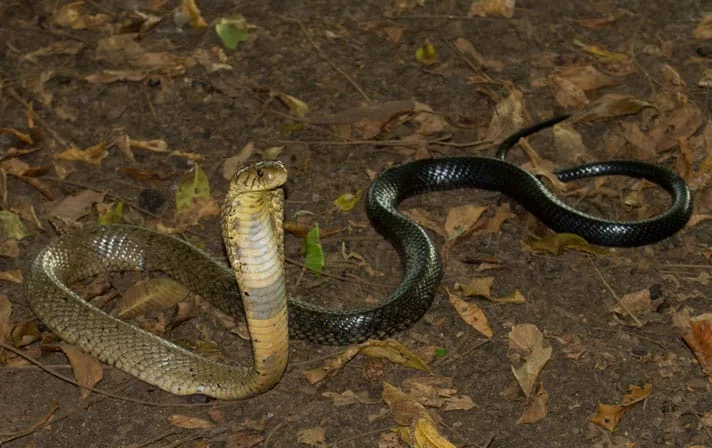
The farms typically house a variety of species, including Chinese cobras, King rat snakes, and various species of water snakes. While water snakes are generally considered low-risk, the Chinese cobra (Naja atra) is a medically significant venomous species. A bite from a Chinese cobra can cause severe necrosis and respiratory failure if left untreated, making the current escape a grave public health concern.
Official Responses and Government Mandates
The severity of the situation has drawn the attention of the highest levels of the Chinese government. President Xi Jinping, addressing the nation on the importance of disaster preparedness, made a stern public announcement following the reports of the floods.
The Presidential Directive
"All local governments should tighten accountability for disaster prevention and relief," the President stated. He emphasized the necessity of a "thorough check" of rivers, lakes, and reservoirs, particularly in regions prone to geological disasters. The directive was clear: local authorities must prioritize early warning systems and reinforce the safety of both property and human lives.
Local Containment Efforts
On the ground, the response has been one of extreme caution. The 10-person team deployed to the area is utilizing specialized equipment to minimize the risk to themselves while maximizing the capture rate. Residents have been issued a strict "see and report" mandate. Authorities are actively discouraging citizens from attempting to capture or kill the snakes themselves, as the risk of accidental envenomation is deemed too high.
Implications: The Long-Term Consequences
Public Health and Safety
The hospitalization of one villager serves as a grim reminder of the risks involved. Local hospitals have been alerted to keep anti-venom stocks on hand, though the sheer number of loose snakes means that medical facilities must remain in a state of high readiness for the coming weeks.
Ecological Concerns
The release of nearly 1,000 captive snakes into a local ecosystem raises significant ecological questions. These snakes are not native to the immediate environment in such high concentrations, and their presence could disrupt local prey populations, including amphibians, small rodents, and fish. Furthermore, the potential for these captive-bred animals to compete with indigenous species or introduce pathogens remains an area of concern for wildlife biologists.
Regulatory and Structural Reforms
This incident is likely to trigger a wave of regulatory reform concerning the operation of snake farms. Questions are being raised about the structural standards of such facilities when faced with climate-related disasters. Experts suggest that if the industry is to continue, there must be:
- Enhanced Barrier Requirements: Facilities must be built to withstand higher-category flooding events.
- Emergency Containment Protocols: Mandatory evacuation plans for the animals themselves in the event of a natural disaster.
- Geographic Zoning: Stricter limitations on where venomous species can be farmed in relation to residential areas.
Conclusion: A Warning for the Future
The escape of nearly 1,000 snakes in Hangzhou is a cautionary tale regarding the intersection of industrial agriculture and an increasingly volatile climate. As Typhoon Maysak demonstrated, the infrastructure meant to contain these animals is only as strong as the landscape surrounding it.
As the search continues, the focus remains on the safety of the local population. However, once the last snake is captured, the conversation must inevitably shift toward prevention. The government’s renewed emphasis on disaster accountability is a necessary first step, but for the residents of Hangzhou, the immediate goal is to return to a sense of normalcy in a landscape that has, for the time being, become an unexpected wilderness.
The incident serves as a stark reminder that as human industry continues to expand and the climate continues to shift, the boundary between the managed world and the wild becomes increasingly porous—often with dangerous consequences. The recovery effort in Hangzhou will be watched closely by policymakers worldwide, as it sets a precedent for how to handle the sudden and chaotic release of captive wildlife in a modern, densely populated environment.