By Dr. Dana Krempels
Published: July 1997 | Revised: June 2005
Introduction: The Hidden Threat to Lagomorph Health
For rabbit owners and veterinary professionals alike, gastrointestinal (GI) stasis—frequently referred to simply as "GI stasis" or ileus—represents one of the most insidious, rapidly progressive, and potentially fatal medical emergencies a rabbit can face. Unlike dogs and cats, whose digestive tracts can tolerate minor dietary indiscretions or temporary fluctuations in appetite with relative ease, the obligate herbivorous digestive system of the domestic rabbit (Orycctolagus cuniculus) is an exquisitely balanced, continuous-motion biological engine.
When this delicate motility halts, the consequences cascade through the animal’s entire physiology within a matter of hours. What begins as a minor refusal of food can rapidly morph into a full-scale systemic crisis characterized by severe dehydration, electrolyte imbalances, painful gas accumulation, hepatic lipidosis (fatty liver disease), and fatal endotoxemia.
This comprehensive report examines the pathophysiology, clinical indicators, diagnostic procedures, therapeutic interventions, and preventive management strategies associated with rabbit GI stasis. Drawing upon decades of veterinary research and clinical experience from leading lagomorph specialists—including Dr. Mary Cotter, Dr. Susan Kelleher, Dr. George Flentke, and Kevin Johnson—this guide provides pet owners and veterinary practitioners with the essential knowledge required to identify, treat, and ultimately prevent this devastating condition.
Main Facts: What is Rabbit GI Stasis?
To understand why GI stasis is so dangerous, one must first understand how a healthy rabbit digestive tract functions. Rabbits are hindgut fermenters. Their gastrointestinal tract relies on a continuous intake of high-fiber, coarse plant material to stimulate peristalsis—the wave-like muscular contractions that push food through the digestive system.
Unlike humans and many other mammals, rabbits do not have strong, highly muscular stomach walls capable of vigorous churning. Instead, gastric motility is heavily dependent on the mechanical stimulation provided by indigestible fiber. When fiber intake drops, or when stress, pain, or systemic illness causes the gut to slow down, the normal transit of food and gas stops.
This cessation of movement is known as GI stasis (or ileus). It is critical to recognize that GI stasis is not a primary disease in its own right; rather, it is a clinical symptom or secondary syndrome triggered by an underlying stressor or primary pathology. Common primary triggers include:
- Dental disease (sharp molar spurs causing oral pain and subsequent anorexia)
- Environmental stress (loss of a companion, moving to a new home, loud noises)
- Pain from underlying conditions (arthritis, urinary tract infections, fractures)
- Inappropriate diet (low fiber, high carbohydrate, high sugar)
- Obstructions (hairballs, foreign objects)
The Underlying Pathophysiology
When the gut slows down, food remains stationary in the stomach and intestines. As a result, normal gut microflora begin to shift. The beneficial bacteria that ferment fiber decline, while opportunistic pathogens—most notably Clostridium species—proliferate rapidly. These pathogenic bacteria produce large amounts of gas and toxins.
The resulting gas accumulation causes severe, agonizing abdominal pain. This pain, in turn, triggers a neuroendocrine stress response that further suppresses gut motility, creating a vicious, self-reinforcing feedback loop. If left untreated, the rabbit quickly enters a state of shock, systemic organ failure, and death.
Chronology of a Crisis: How GI Stasis Develops
The timeline of a GI stasis episode can be alarmingly brief. Understanding how the condition progresses from an initial trigger to a life-threatening emergency can help owners intervene before it is too late.
Phase 1: The Initial Trigger
The process begins when a primary stressor disrupts the rabbit’s normal routine. This could be an owner going on vacation, the introduction of a new pet, a sudden drop in ambient temperature, or the onset of dental pain. The rabbit experiences a mild drop in appetite or minor lethargy.
Phase 2: The Motility Slowdown
Within 12 to 24 hours of reduced food intake, the lack of dietary fiber causes peristalsis to slow dramatically. The rabbit may stop eating entirely, refuse favorite treats, and sit in a hunched, uncomfortable posture. Fecal pellets become noticeably smaller, misshapen, strung together with mucus, or stop altogether.
Phase 3: Bacterial Imbalance and Pain
As food stagnates in the cecum and intestines, gas-producing bacteria take over. The rabbit’s abdomen becomes distended and painful. At this stage, clinical manifestations include tooth-grinding (bruxism), a clear sign of severe visceral pain. The rabbit may press its belly flat against the cool floor to seek relief.
Phase 4: Systemic Collapse
If veterinary intervention does not occur during Phase 2 or 3, the rabbit enters a systemic crisis. Dehydration sets in rapidly because the gut is no longer absorbing water properly. Toxins produced by proliferating bacteria breach the intestinal wall, entering the bloodstream and causing septic shock. Hepatic lipidosis develops as the starving body attempts to mobilize fat stores for energy, overwhelming the liver. Without immediate, aggressive veterinary care, the rabbit will succumb to the syndrome.
Clinical Indicators: Recognizing the Signs
Recognizing the early warning signs of GI stasis is the single most important factor in saving a rabbit’s life. Because rabbits are prey animals by nature, they possess a strong evolutionary drive to mask signs of illness until they are extremely sick. Owners must be vigilant for subtle behavioral and physical changes.

Primary Signs of GI Stasis
- Anorexia (Loss of Appetite): The rabbit refuses food entirely, or selectively turns away from hay and pellets, sometimes accepting only sugary treats.
- Decreased Fecal Output: Fecal pellets become progressively smaller, fewer in number, misshapen, or disappear completely. Pellets may also be coated in a jelly-like mucus.
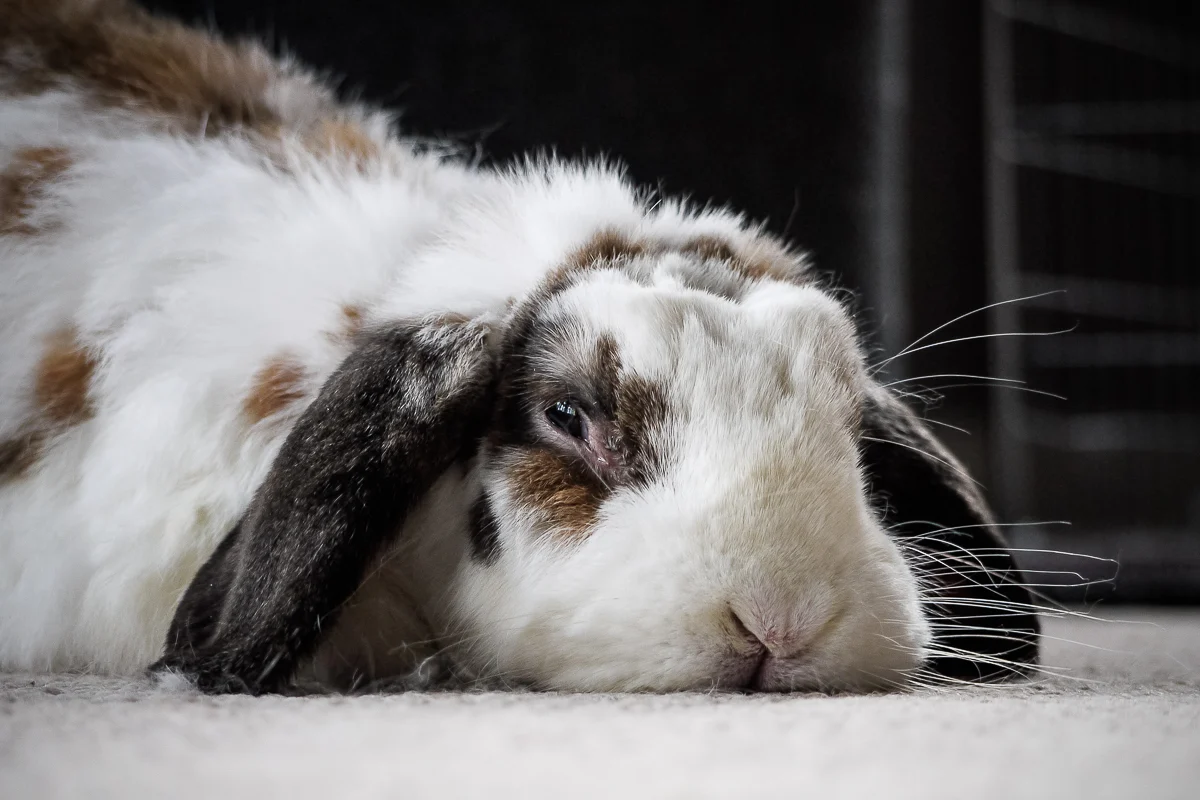
- Posture and Behavior Changes: The rabbit sits hunched in the corner of the cage, ears back, looking miserable. It may stretch out awkwardly, shift positions constantly, or press its abdomen against cold surfaces.
- Bruxism (Tooth Grinding): Loud or persistent tooth grinding is a definitive indicator of severe pain in rabbits, distinct from the soft, content "purring" teeth-clicks.
- Lethargy and Weakness: The rabbit is unresponsive, lacks energy, and shows no interest in its surroundings.
Supporting Data and Diagnostic Protocols
When a rabbit presents to a veterinarian with suspected GI stasis, a thorough diagnostic workup is essential. A physical examination alone is insufficient; veterinarians must rule out other life-threatening conditions, such as true mechanical obstructions (e.g., hairballs, ingested foreign objects) or urinary tract blockages.
Diagnostic Steps Taken by Veterinarians
- Abdominal Palpation: A skilled veterinarian can often feel doughy or gas-filled loops of the stomach and intestines. However, palpation must be performed carefully to avoid rupturing a distended stomach.
- Radiographs (X-rays): Imaging is critical. X-rays can reveal whether the stomach is distended with gas and fluid (suggesting stasis) or whether there is a distinct radiopaque foreign body or intussusception (suggesting a mechanical obstruction).
- Blood Work: Complete blood counts (CBC) and serum biochemistry panels help assess hydration status, electrolyte balance, kidney function, and liver enzymes, particularly if hepatic lipidosis is suspected.
Therapeutic Interventions: Medical Management
Treating GI stasis requires a multi-pronged, aggressive veterinary approach aimed at restoring gut motility, relieving pain, rehydrating the patient, and addressing the underlying primary cause.
Fluid Therapy and Rehydration
Dehydration is a constant companion to GI stasis, as fluid is sequestered in the gut and not absorbed. Subcutaneous or intravenous fluid administration is vital to restore hydration, correct electrolyte imbalances, and help soften impacted ingesta in the stomach and cecum.
Pain Management (Analgesia)
Because pain is both a symptom and a cause of decreased gut motility, effective pain relief is non-negotiable.
- Meloxicam: A non-steroidal anti-inflammatory drug (NSAID) commonly used to reduce inflammation and mild-to-moderate pain.
- Buprenorphine: An opioid analgesic utilized for moderate-to-severe pain. It provides superior pain relief without significantly depressing GI motility compared to older opioids like morphine.
Prokinetics (Motility Modifiers)
Prokinetic drugs are medications designed to stimulate peristalsis and get the digestive tract moving again.
- Cisapride: A preferred prokinetic that stimulates upper and lower GI motility without the severe side effects associated with older drugs like metoclopramide.
- Metoclopramide: Useful for upper GI tract motility (stomach and upper small intestine), though less effective in the colon.
Supportive Feeding (Critical Care)
If a rabbit is not eating, force-feeding (syringe-feeding) specialized recovery formulas (such as Critical Care by Oxbow) is necessary to provide essential nutrients and fiber. Syringe feeding must be done cautiously, especially if a complete obstruction has not been definitively ruled out through diagnostics.
Prevention: The Best Medicine
As with most medical conditions in lagomorphs, prevention is infinitely preferable—and far more successful—than treatment. Maintaining a healthy digestive tract requires adherence to a few fundamental husbandry rules.
1. Unlimited Grass Hay
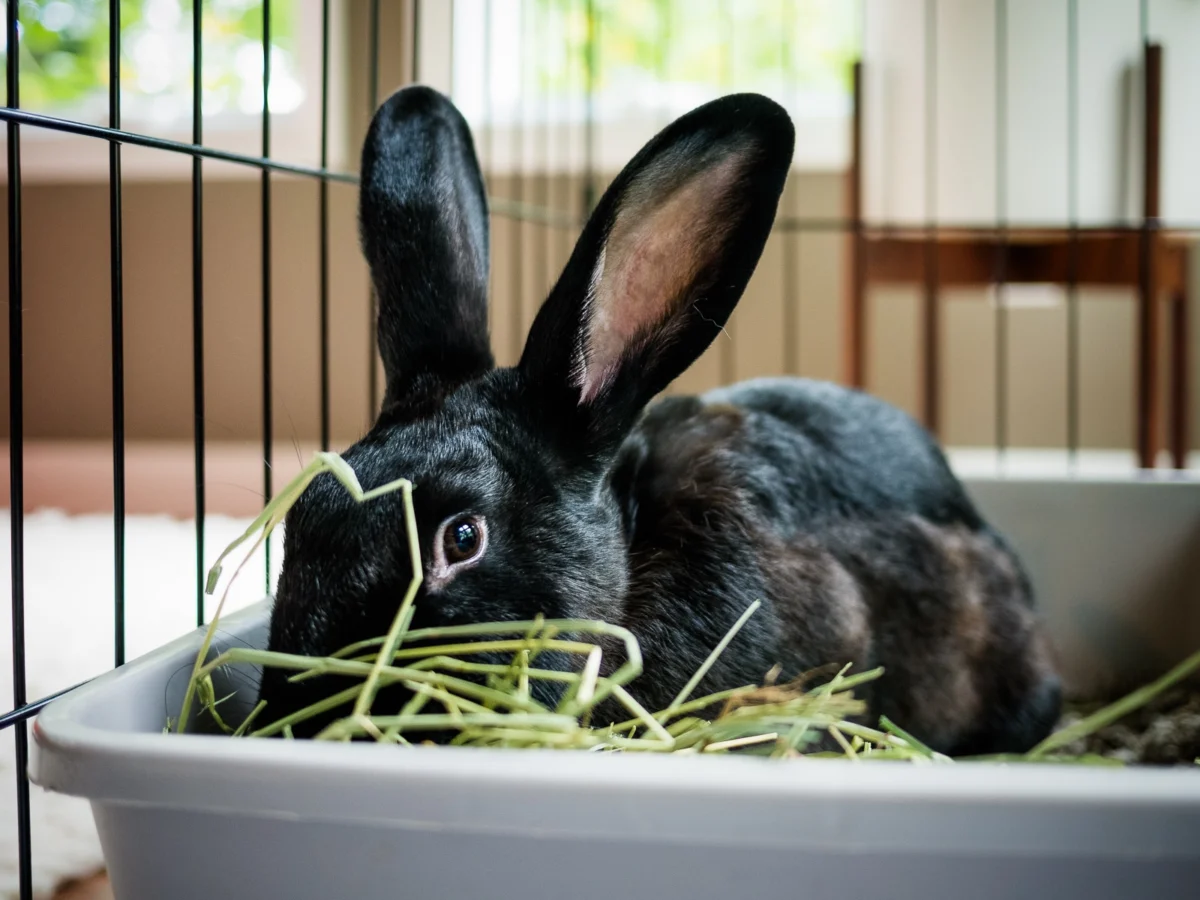
Grass hay (such as timothy, orchard grass, or meadow hay) should make up the vast majority of a rabbit’s daily diet. Hay provides the coarse, indigestible fiber necessary to stimulate mechanical gut motility and wear down continuously growing teeth.
2. Proper Pellets and Fresh Greens
High-fiber, timothy-based pellets should be fed in strictly measured quantities (typically about 1/4 cup to 1/2 cup per 5 pounds of body weight daily, depending on the rabbit’s age and activity level). Fresh leafy green vegetables (such as romaine lettuce, dandelion greens, cilantro, and parsley) should be introduced gradually and fed daily to provide hydration and micronutrients.
3. Stress Reduction and Environment
Because stress is a major trigger for GI stasis, providing a stable, predictable, and enriching environment is crucial. Avoid sudden changes in diet, housing, or social groupings. Ensure the rabbit has ample space for exercise, which naturally stimulates GI motility.
Conclusion: A Collaborative Effort for Rabbit Health
Gastrointestinal stasis in rabbits is a medical emergency that demands immediate, knowledgeable veterinary intervention. It is not a condition that can be successfully managed at home with home remedies or a "wait-and-see" approach.
By familiarizing themselves with the early warning signs—such as decreased fecal output, reduced appetite, and behavioral changes—owners can seek veterinary care at the earliest possible stage. With prompt diagnosis, aggressive fluid therapy, appropriate pain management, and prokinetic medications, many rabbits make a full recovery from GI stasis.
However, the ultimate key to longevity in pet rabbits lies in preventive care: providing unlimited grass hay, a balanced diet, a low-stress environment, and regular veterinary check-ups. By working in partnership with a rabbit-savvy veterinarian, owners can ensure their companion animals live long, healthy, and comfortably mobile lives.
For more information on finding a qualified rabbit veterinarian, please visit the Rabbit.org Veterinary Finder.