In the quest for optimal canine health, pet owners frequently turn to trusted household names for guidance. Recently, Good Housekeeping published a guide titled “8 Dog Food Brands Vets Actually Recommend,” positioning itself as a beacon of consumer advocacy. However, according to experts in the pet food industry, the article serves as a prime example of the pervasive misinformation that continues to plague the sector. By relying on generalities and repeating debunked myths, the piece has sparked a heated debate regarding the intersection of veterinary expertise, media responsibility, and the opaque regulatory landscape of the pet food industry.
The Good Housekeeping Recommendations: A Critical Overview
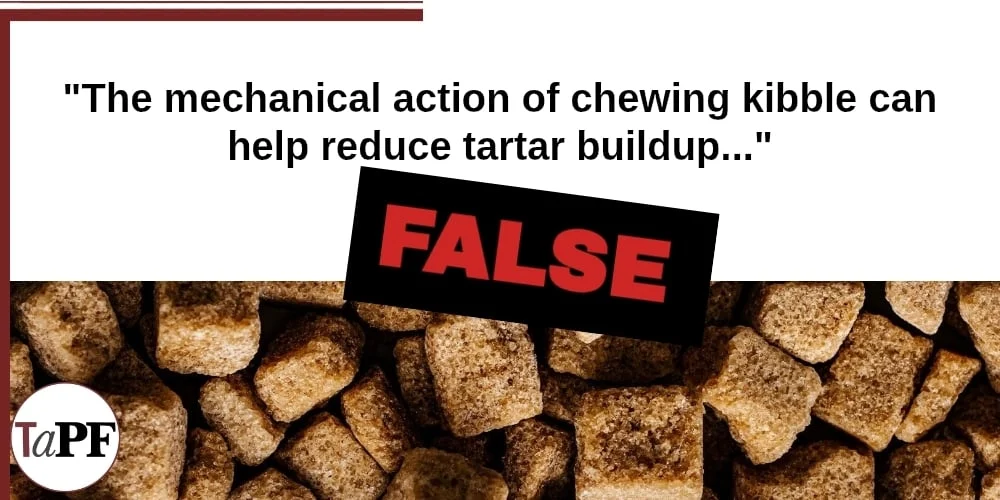
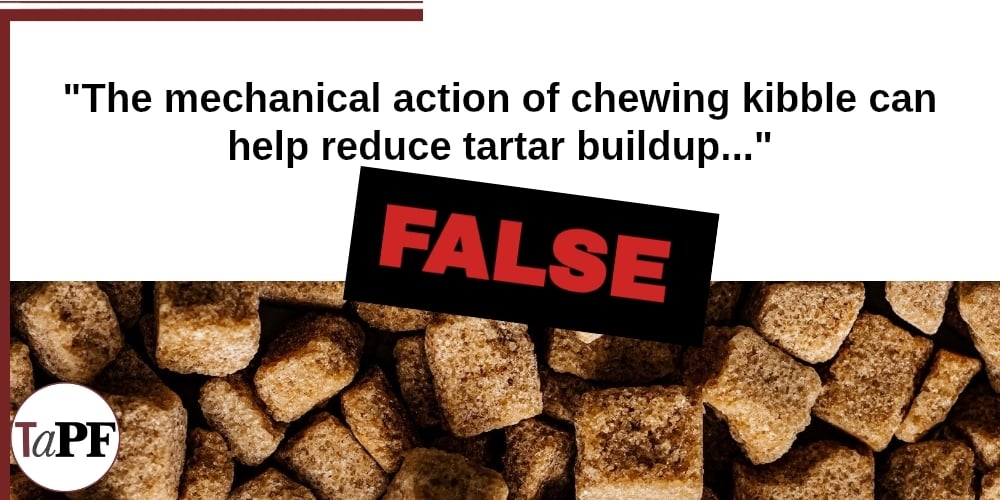
Good Housekeeping consulted two veterinarians, Dr. Alejandro Caos and Dr. Megan Conrad, to curate a list of recommended dog foods. The publication’s top pick for “Best Overall” was Nutro Ultra Dry Dog Food. Dr. Caos justified this selection by citing the “crunchy texture” of the kibble, claiming that the mechanical action of chewing helps reduce tartar buildup and plaque.
This assertion, however, is scientifically contentious. Veterinary dental specialists have long noted that standard dry kibble does not effectively clean teeth. Unless a product is specifically formulated and tested—and subsequently approved by bodies such as the Veterinary Oral Health Council (VOHC)—it cannot rightfully claim to reduce tartar or plaque. By presenting this as a general benefit of dry food, the article inadvertently misleads consumers into a false sense of security regarding their pet’s dental hygiene.
Furthermore, the advice provided by the consulted veterinarians remained largely superficial. Dr. Conrad’s recommendation of Purina ProPlan as “one of the most nutritionally balanced options on the market” leaves critical questions unanswered. What constitutes “nutritionally balanced” in the context of commercial pet food? Is there a proprietary scientific standard being applied, or is the term being used as a marketing buzzword? Without comparative data or peer-reviewed evidence, such recommendations carry little objective weight.
The Divide: Human-Grade vs. Feed-Grade
Perhaps the most significant oversight in the Good Housekeeping report was the lack of distinction between the ingredient classifications used in the recommended products. The list included Ollie Pet Food, which is a “human-grade” product, alongside several other brands that fall under the “feed-grade” category.
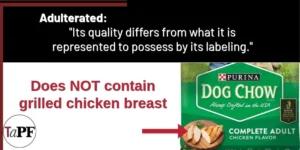
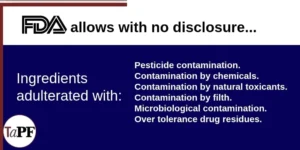
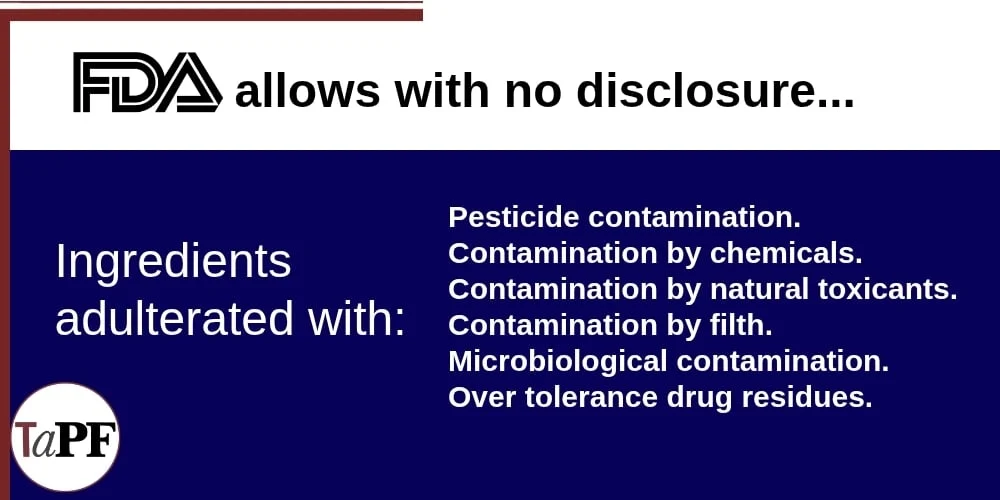
The publication described the human-grade option merely as “homemade-looking dinners,” failing to explain the fundamental regulatory difference between the two categories. In the pet food industry, “feed-grade” allows for the inclusion of ingredients that would never be permitted in human food, including products derived from diseased animals or animals that have died in ways other than slaughter. While the FDA exercises enforcement discretion—meaning they allow these ingredients to be used provided they are processed into pet food—the distinction is vital for consumers who prioritize ingredient safety.
Chronology of the Controversy
The fallout from the article began almost immediately after its publication, as pet food advocates and industry insiders pointed out the lack of depth and the potential for consumer harm.
- Publication: Good Housekeeping releases its "8 Dog Food Brands" guide, relying on input from two veterinary professionals.
- Expert Critique: Pet food consumer advocate Susan Thixton and the Association for Truth in Pet Food (ATPF) identify significant factual errors, specifically regarding the dental benefits of kibble and the lack of clarity regarding ingredient sourcing.
- Outreach: Concerned advocates reach out to the publication, highlighting how the advice provided by the consulted veterinarians lacks the necessary nuance to truly serve the consumer.
- Public Dialogue: The discourse shifts from a simple product review to a broader discussion on the need for rigorous vetting of "expert" advice in mainstream media.
The Regulatory Reality: What Consumers Are Not Being Told
The root of the issue lies in a lack of institutional knowledge regarding pet food regulation. The Association for American Feed Control Officials (AAFCO) establishes the guidelines for pet food, yet few mainstream journalists or veterinarians possess a working knowledge of the AAFCO Official Publication—the "rule book" of the industry.
Many veterinarians are taught the basics of nutrition, but they are rarely trained in the regulatory nuances of ingredient sourcing. When the FDA publicly states that it does not consider the use of ingredients from "diseased animals or animals that died otherwise than by slaughter" to be a safety concern, it creates a massive chasm between what is "legal" and what is "nutritionally optimal."
When a media outlet like Good Housekeeping fails to address these realities, they perpetuate a system where "nutritionally balanced" simply means the food meets the minimum survival requirements set forth by AAFCO, regardless of the quality or origin of the proteins involved.

Implications for the Modern Pet Owner
The implication of this reporting is that consumers are being lulled into a state of complacency. When owners believe their dog’s kibble is cleaning their teeth and that "nutritionally balanced" is a definitive seal of quality, they are less likely to investigate the actual ingredients on the label.
The disconnect here is profound. Consumers assume that a recommendation from a veterinarian, backed by a legacy media brand, is the gold standard of safety. However, if the veterinarian is not well-versed in the differences between feed-grade and human-grade sourcing, their recommendation is based on brand reputation rather than ingredient integrity.
How to Navigate Pet Food Advice
For the average pet owner, the advice is clear: ask harder questions. If a veterinarian or a media source makes a broad recommendation, consumers should be empowered to challenge those assertions with specific, evidence-based inquiries:
- Define "Quality": Does the recommendation refer to human-grade ingredients, or is it based on the minimum regulatory standards of feed-grade materials?
- Evidence-Based Nutrition: When a product is described as "nutritionally balanced," does that mean it meets minimum AAFCO requirements, or is there peer-reviewed, independent research supporting long-term health benefits beyond survival?
- Dental Reality: Does the product carry a VOHC seal of acceptance for tartar or plaque reduction, or is it simply "crunchy" kibble?
The Path Toward Transparency
The Good Housekeeping controversy is not an isolated incident; it is a symptom of a larger lack of transparency in the pet food industry. For too long, the industry has relied on the trust placed in veterinary professionals and media outlets to gatekeep information. However, as consumers become more educated, they are demanding a higher standard of disclosure.
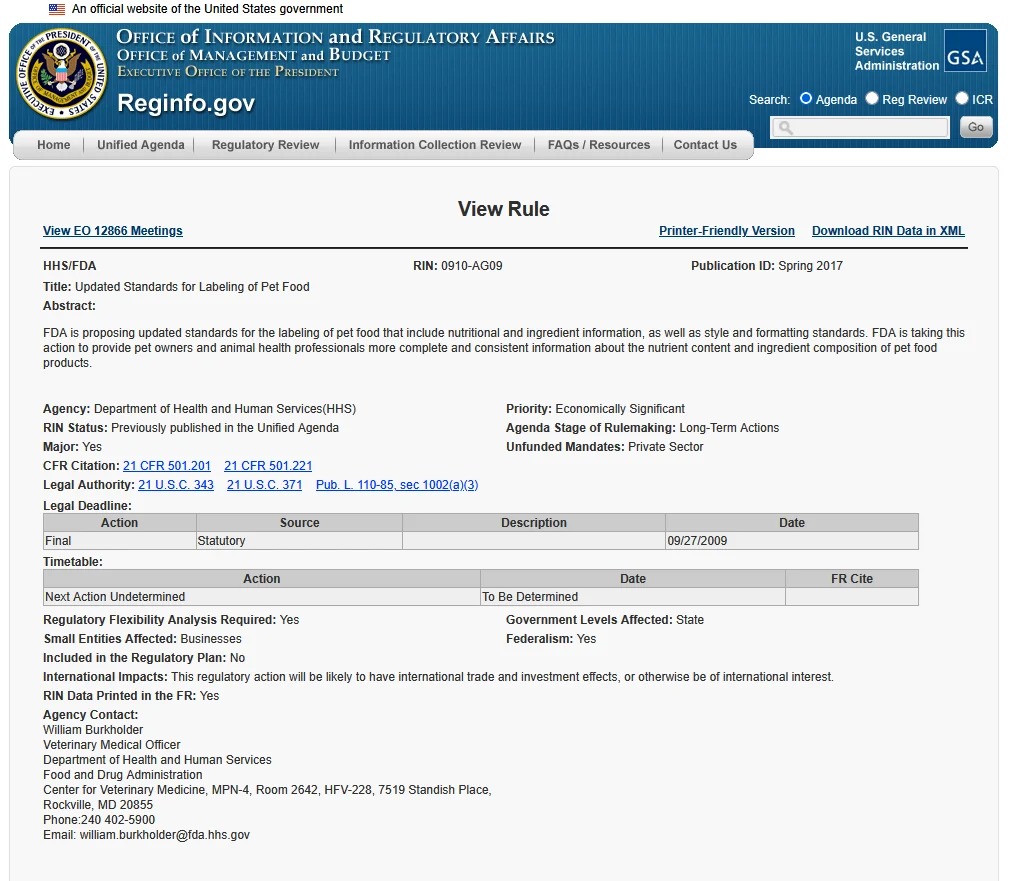
The Association for Truth in Pet Food and similar advocacy groups are working to bridge the gap between regulatory reality and consumer expectations. This involves lobbying for clearer labeling, stricter ingredient definitions, and an end to the "enforcement discretion" that allows low-quality ingredients to enter the pet food supply chain.
Ultimately, the goal of any pet food advice should be to provide the consumer with the tools to make an informed choice, rather than simply directing them toward a list of brands. If a publication claims to be an advocate for consumers, it must be willing to dig into the technical, regulatory, and scientific details that define the products it recommends. Anything less is a disservice to the millions of pets whose health depends on the integrity of their daily diet.
Consumers are encouraged to be tactful but firm in holding these institutions accountable. By demanding more than just high-level generalizations, pet owners can push for a marketplace where quality and transparency are the industry standard, not the exception. The "list" of trusted pet foods and treats, often provided by independent consumer advocate organizations, remains a vital resource for those looking to bypass marketing rhetoric and reach the truth about what is actually in their pet’s bowl.