For avian enthusiasts, the quest for a balanced, nutrient-dense diet is an ongoing pursuit. As we mirror the dietary diversity of our own plates, it is natural to wonder: can our feathered companions partake in the crunchy, spicy allure of the humble radish? According to veterinary nutrition experts and avian resource outlets like Petkeen, the answer is a resounding yes. Radishes are not only safe for parrots of all species, but they also offer a sophisticated profile of vitamins and minerals that can enhance a bird’s overall vitality.
Main Facts: The Versatility of the Radish
When considering the addition of radishes to your parrot’s diet, it is helpful to understand that all varieties—from the common red globe radish to the elongated, white daikon—are perfectly safe. Whether black, purple, or white, the radish provides a unique texture and flavor profile that can stimulate a bird’s natural foraging instincts.
One of the most appealing aspects of the radish is its adaptability. Unlike many vegetables that must be meticulously prepared, radishes can be offered in a variety of ways:
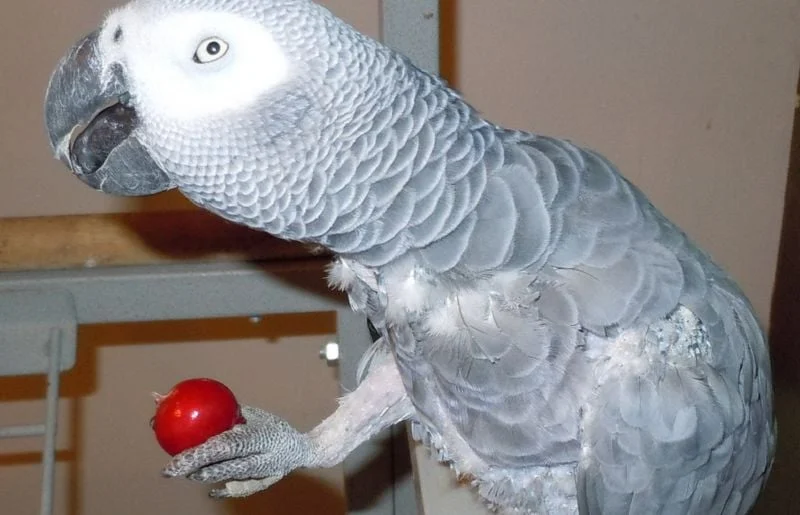
- Whole: Providing a whole red radish serves as both a meal and a toy. Parrots are naturally curious creatures, and they enjoy kicking, tossing, and gnawing on the firm, spherical vegetable.
- Shredded: Grating radish into a food bowl is an excellent way to incorporate it into a chop or seed mix.
- Cooked or Pickled: While radishes can be served raw, they can also be lightly steamed or roasted (without oils or seasonings). Pickled radishes are permissible in minute quantities, provided they are not overly acidic, as excessive acid can disrupt a parrot’s delicate digestive tract.
Chronology: Incorporating Radishes into Your Bird’s Life
Introducing any new food to a parrot should be done with a structured, observant approach. A typical timeline for introducing radishes might look like this:
- Observation and Preparation: Start by ensuring the vegetable is thoroughly washed to remove any pesticide residues. If you are cooking the radish, ensure it is completely cooled and mashed before presentation.
- The First Taste: Begin with small, shredded portions mixed in with their regular, trusted food. This helps the parrot associate the new texture and taste with their familiar diet.
- Encouraging Exploration: Once the bird is comfortable with the taste, you can transition to offering larger, whole pieces to encourage the natural "play-with-your-food" behavior that is essential for mental stimulation.
- Long-Term Integration: As the bird demonstrates a preference for radishes, they can become a staple of the vegetable rotation, keeping the diet varied and preventing "food boredom."
Supporting Data: Nutritional Benefits
The nutritional value of radishes is often underestimated. These root vegetables are low in sugar—a critical factor in preventing obesity and diabetes in aging parrots—yet they are packed with essential nutrients:
- Mineral Density: Radishes provide iron, potassium, and riboflavin, which support cardiovascular health and metabolic function.
- Hydration: With a high water content, radishes assist in maintaining proper hydration levels, particularly for birds that may not drink as frequently as they should.
- Bone and Kidney Support: The specific profile of minerals in radishes contributes to the long-term health of a parrot’s skeletal structure and renal system.
- The Greens Matter: Many owners mistakenly discard the radish tops. In reality, the leafy greens are arguably as nutritious as the root itself. When washed and snipped into small pieces, they offer a concentrated burst of vitamins that parrots find highly palatable.
Official Responses and Expert Recommendations
Industry experts, such as the Bird Tricks Blog, have long advocated for the consumption of "living foods." In the context of radishes, this means moving beyond the grocery store shelf and into the realm of home-grown sprouts.
Sprouting radish seeds is heralded as one of the most effective ways to maximize nutritional intake. When a seed germinates, it undergoes a chemical transformation that exponentially increases its enzymatic and nutritional density. For molting birds, newly weaned chicks, or breeding hens, these sprouts are considered a "superfood." The tender sprout is easier for a weaning chick to digest than a hard seed, while simultaneously introducing them to the flavor profile of the mature plant.
However, hygiene is paramount. Experts emphasize that while sprouts are beneficial, they are also a potential breeding ground for bacteria. Routine rinsing of the sprouts—at least several times a day—is essential to prevent bacterial growth that could cause severe digestive distress. If the sprouts appear slimy or have an off-putting odor, they should be discarded immediately.
Implications: The Risks of Dietary Imbalance
While radishes are a healthy addition, it is critical to address the broader context of avian nutrition. A diet consisting of only one or two types of vegetables is rarely sufficient. Variety is the cornerstone of avian health.
However, "variety" does not mean "anything goes." It is vital to distinguish between safe additions like radishes and those that are lethal. The following items are strictly prohibited for parrots:
- Avocados: Contain persin, a toxin that can lead to rapid respiratory failure and death within hours.
- Nightshades (specifically Eggplant): While some nightshades can be served with caution, eggplant is highly discouraged due to its potential to cause severe vomiting and diarrhea, which can lead to fatal dehydration in smaller species.
- Onions and Garlic: These contain compounds that can damage a parrot’s red blood cells, leading to anemia.
- Rhubarb and Mushrooms: Both are known to be toxic and should be kept entirely away from the avian environment.
Conclusion: A Crunchy Path to Wellness
The inclusion of radishes in a parrot’s diet is a low-risk, high-reward endeavor. By understanding the proper preparation methods—ensuring no oils, no excess acidity, and diligent hygiene—owners can offer their birds a vegetable that serves as both a source of essential vitamins and a catalyst for natural, playful behavior.
Whether you choose to serve them as raw, crunchy globes for your bird to demolish or as fresh, living sprouts to boost their immune system during a heavy molt, the radish is a versatile tool in your nutritional arsenal. As you watch your bird enjoy their treat, remember that you are not just feeding them; you are providing the variety, mental stimulation, and biological support they need to live a long, vibrant life.
Ultimately, the goal is to provide a diet that mimics the complexity of their natural environment. If your parrot responds with a enthusiastic "more," you have successfully enriched their world, one crunchy radish at a time. Always remember to monitor your bird’s reaction to any new food item, and when in doubt, consult with an avian veterinarian to tailor your bird’s diet to their specific species and health requirements. By balancing these nutritional principles with the joy of discovery, you ensure that your feathered companion remains happy, healthy, and thriving for years to come.