Main Facts: The Rise of Pet-Friendly Campervan Travel
For generations, the classic American road trip has stood as a quintessential rite of passage. Whether it’s navigating winding mountain passes or cruising down sun-drenched coastal highways, the journey remains as meaningful as the destination. Today, a growing demographic of travelers is redefining this tradition by bringing along their most loyal companions: their dogs.
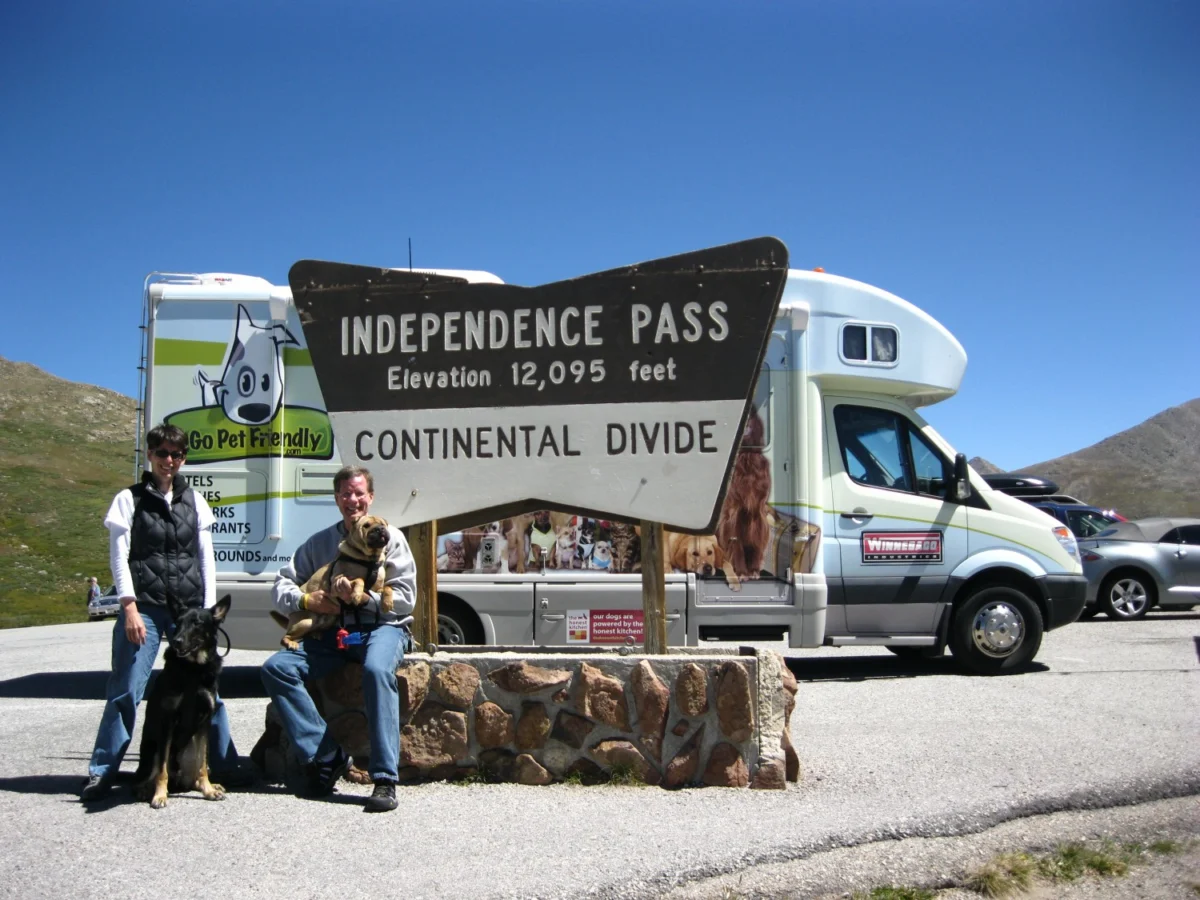
For pet owners seeking an alternative to rigid tent camping or the cumbersome upkeep of a full-sized recreational vehicle (RV), adventure vans—also known as campervans—have emerged as the vehicle of choice. Offering a streamlined footprint slightly larger than a standard passenger vehicle, these nimble mobile homes eliminate the intimidation factor of driving and parking massive motorhomes while still providing dedicated space for gear, sleeping quarters, and, crucially, four-legged passengers.
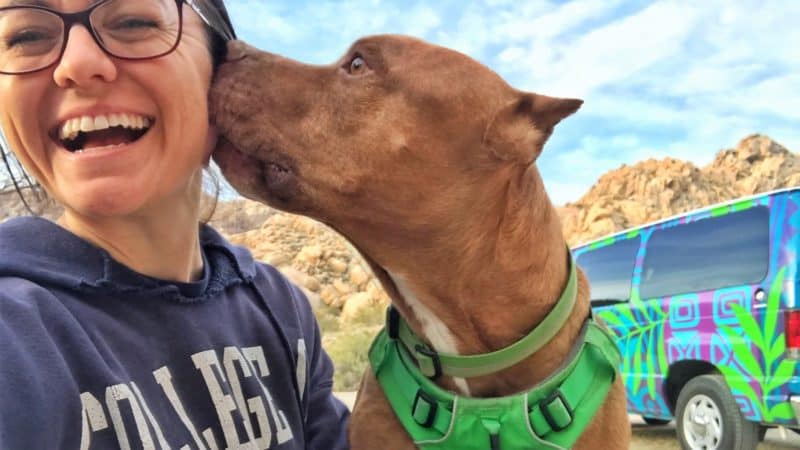
The tourism and rental industries have increasingly taken note. A growing number of national and regional campervan rental companies have updated their policies to welcome pets, recognizing that modern family vacations inherently include household animals. However, successful execution requires careful planning around rental policies, vehicle safety, gear management, and campground selection to ensure a seamless experience for both humans and animals.
Chronology: Planning and Executing the Perfect Paws-On-Road Trip
Embarking on an adventure van excursion with pets requires a structured timeline, stretching from the initial booking phase all the way to the final campsite teardown.
Phase 1: Research and Booking (Months in Advance)
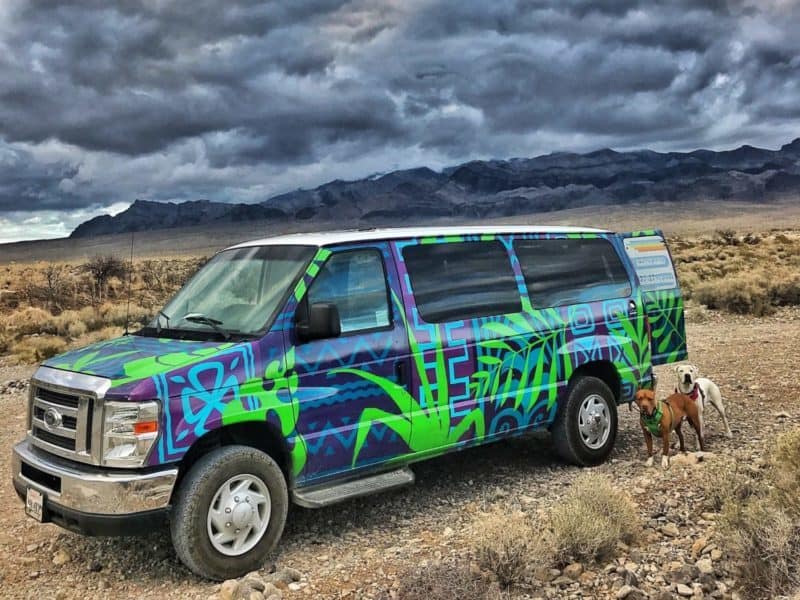
The journey begins well before hitting the pavement. Travelers must first investigate rental companies that explicitly permit pets. Policies vary wildly across the industry. For instance, major outfitters like Escape Campervans—which operates out of multiple hubs, including Phoenix—enforce zero restrictions on dog breeds or sizes. However, they may implement strict seasonal exclusions, such as banning pets during peak summer months (July, August, and September) in high-heat regions to protect animals from dangerous vehicle temperatures. Booking must be timed to align with both weather windows and company regulations.
Phase 2: Packing and Vehicle Preparation (The Week Before)
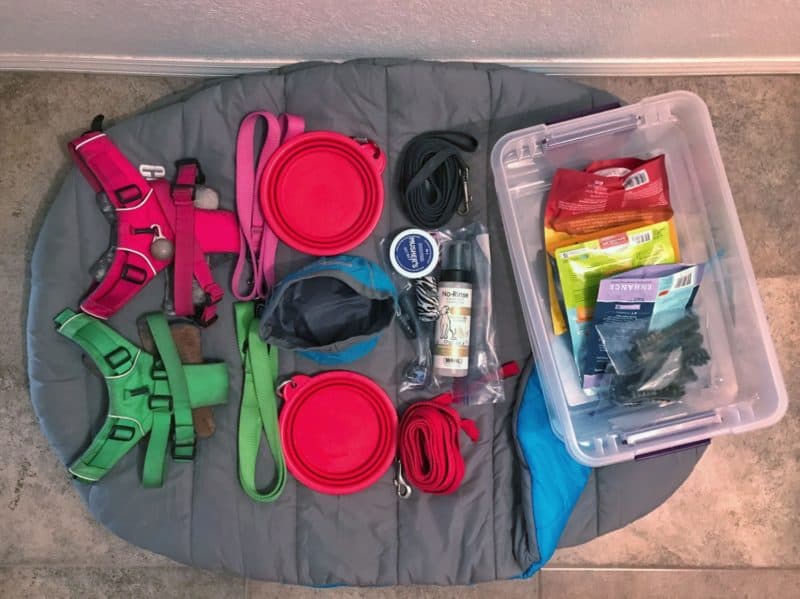
Once the van is secured, preparation shifts to outfitting the mobile space. Because campervans come with varying levels of pre-loaded equipment—ranging from basic kitchenware and bedding to camp chairs—renters must cross-reference their inventory lists to avoid overpacking. This phase involves assembling canine-specific essentials, including familiar bedding to comfort anxious animals in a new environment, safety harnesses, collapsible bowls, and robust cleaning supplies.
Phase 3: On-the-Road Logistics (During the Trip)
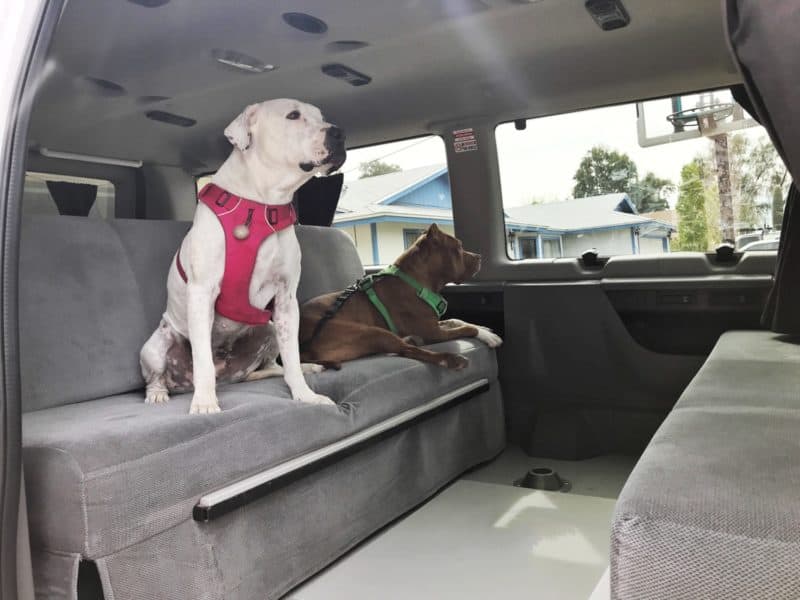
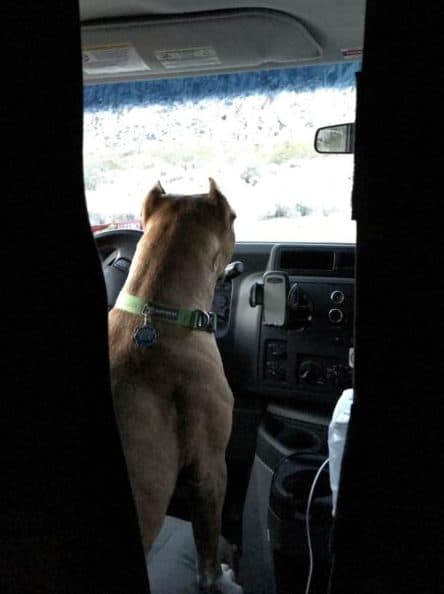
Traveling in a compact space demands daily routines. Mornings typically involve utilizing multi-purpose ground covers, such as an old yoga mat functioning as a doormat, to capture dirt and debris before paws step foot into the living quarters. Driving segments require securing pets via crash-tested seatbelt harnesses anchored to the van’s seating arrangements, often utilizing the converted bed space when rear passenger benches prove too narrow for multiple dogs.
Phase 4: Setting Up Camp (Evening Arrival)
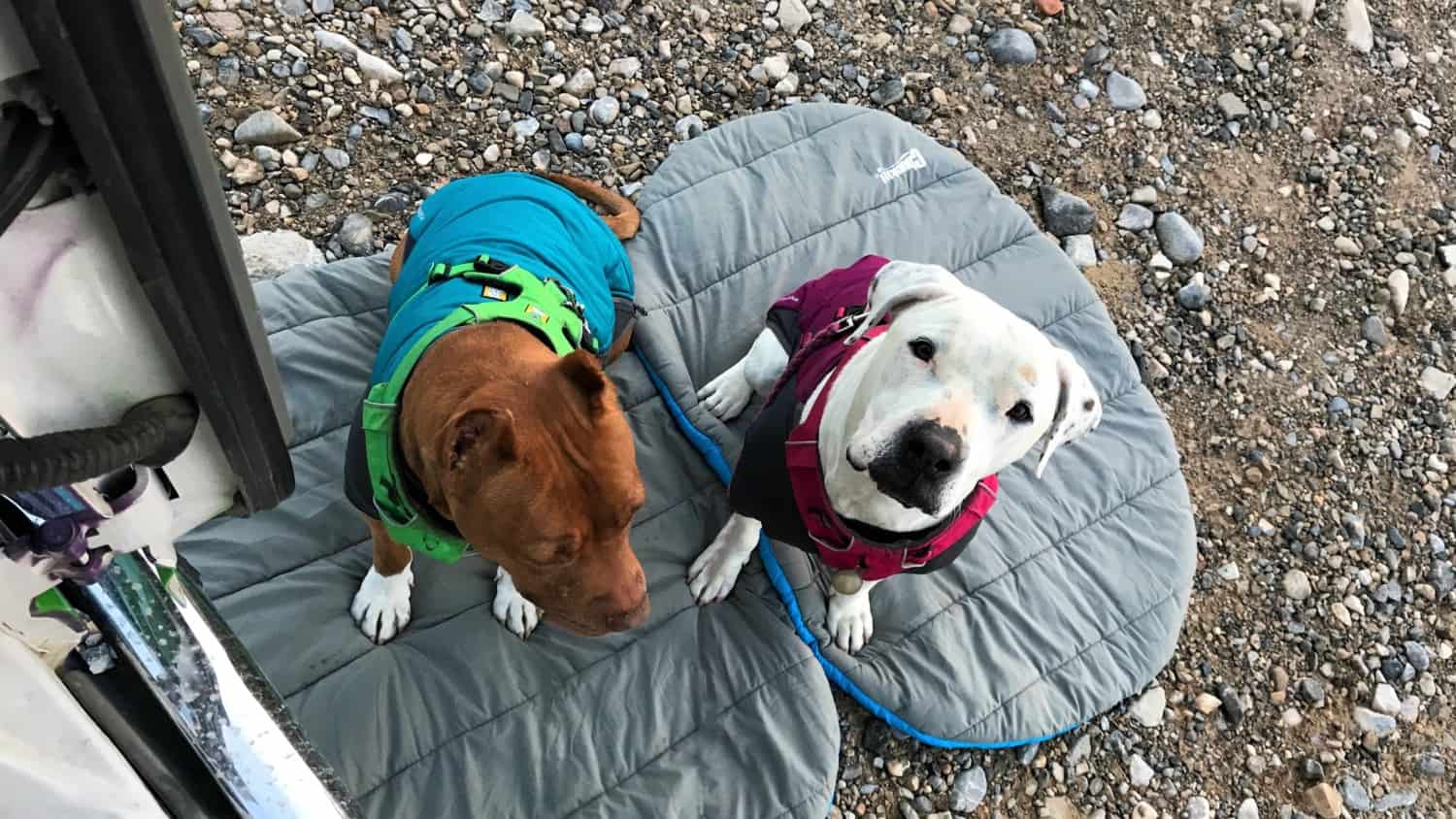
Upon reaching a destination—whether a national forest boondocking site or a fully amenitized private RV park—the routine transitions to securing the perimeter. Outdoor dog beds are deployed to establish designated "supervisory" zones while humans manage cooking duties, keeping a watchful eye on opportunistic food thieves waiting to pounce on unattended meals.
Supporting Data: Navigating Policies, Fees, and Space Management
Renting an adventure van with pets introduces logistical variables that require careful financial and spatial budgeting.
Understanding Rental Policies and Surcharges
While companies increasingly market themselves as pet-friendly, consumers must verify all terms directly with customer service representatives rather than relying solely on website summaries. Key data points to clarify include:
- Pet Fees: Many rental agencies charge a flat pet sanitization or cleaning fee, typically ranging from $50 to $150 per rental, to account for deep-cleaning and hair removal between reservations.
- Breed and Weight Restrictions: Though many independent campervan companies impose no limits, insurance policies tied to specific commercial fleets may occasionally flag certain large breeds or require additional documentation.
- Seasonal Heat Embargos: As experienced by travelers in southwestern hubs during mid-summer, temperature restrictions are strictly enforced to prevent heat exhaustion, directly impacting summer vacation planning.
Space Optimization Metrics
A standard campervan typically measures between 18 to 21 feet in length, offering limited interior square footage. Efficient organization relies on strategic packing metrics:
- Storage Containers: Utilizing uniform 15-quart plastic storage bins prevents clutter while allowing gear to be easily shifted into the front cab at night to clear the floor for sleeping arrangements.
- Bedding Integration: Rear bench seats that fold flat into beds double as sleeping platforms for both humans and pets. However, narrow bench widths require anchored safety harnesses to prevent larger dogs from slipping off elevated surfaces while the vehicle is parked on uneven terrain.
Official Responses and Industry Perspectives
Rental operators, outdoor recreation authorities, and veterinary advocates offer distinct guidance regarding the integration of pets into mobile adventure travel.
Campervan Rental Providers
Industry operators emphasize that while vehicles are designed to be rugged, renters remain financially responsible for interior wear and tear. Companies frequently recommend utilizing heavy-duty seat covers and specialized pet barriers. Representatives advise renters to conduct a thorough pre-trip inspection to document any existing upholstery conditions, ensuring transparency when returning the vehicle.
Veterinary and Safety Advocates
Animal safety organizations strongly advocate for crash-tested restraint systems rather than free-roaming travel inside moving campervans. In the event of a sudden stop or collision, an unsecured pet can become a dangerous projectile. Veterinarians recommend utilizing dedicated canine seatbelts attached to certified harnesses or securely fastening travel kennels to the vehicle’s floor anchors to mitigate injury risks.
Implications: The Broad Impact on Outdoor Recreation and Pet Culture
The surging popularity of pet-friendly campervan travel carries significant implications for the broader tourism, conservation, and pet-care sectors.
Shifting Campground Infrastructure
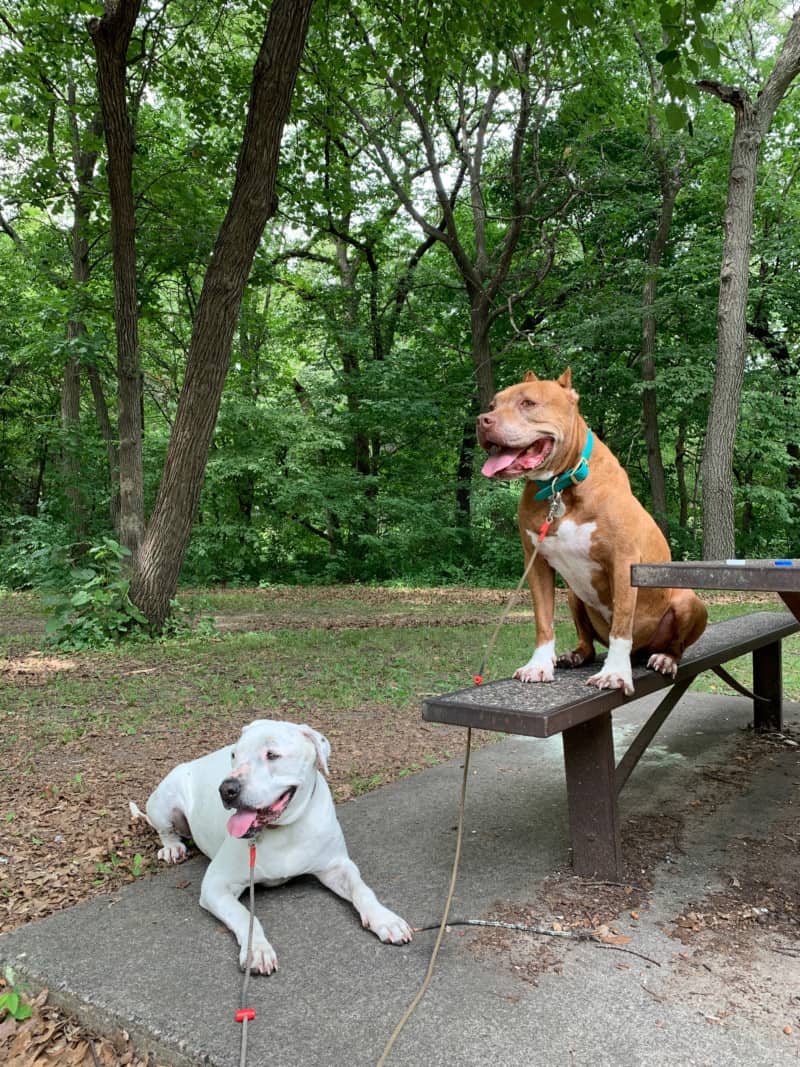
Public and private campgrounds are responding to the influx of pet owners by upgrading their infrastructure. National parks, state parks, and Bureau of Land Management (BLM) areas are continuously evaluating their trail access and pet policies. While national parks generally restrict dogs to paved areas and campgrounds to protect local wildlife, surrounding national forests and BLM lands offer expansive dispersed camping (boondocking) options where pets enjoy greater freedom under strict "Leave No Trace" principles.
The Evolution of the Pet Economy
The intersection of van life and pet ownership has spurred innovation in travel-specific canine gear. The market has seen a dramatic expansion in portable outdoor accommodations, including travel-friendly elevated dog beds, collapsible water systems, specialized paw balms for rough terrain, and high-efficiency dry shampoos designed for compact environments where running water is a luxury.
Ultimately, combining the freedom of an adventure van with the companionship of a beloved dog transforms a standard vacation into an unforgettable expedition. By respecting rental policies, prioritizing safety on the road, and maintaining a clean, organized mobile habitat, travelers can forge lasting memories across America’s most breathtaking landscapes—proving once and for all that the best adventures are shared with four paws on the floor.