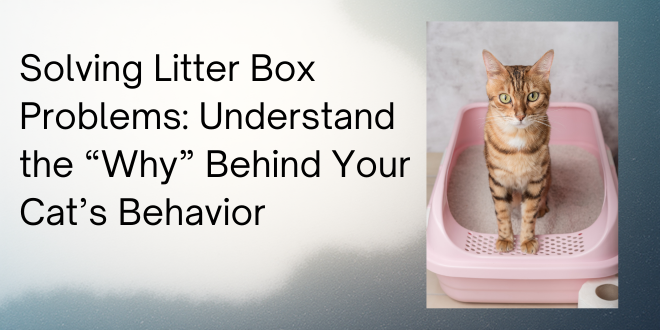
For many cat owners, discovering a puddle or a pile outside of the litter box is a moment of profound frustration. The immediate reaction is often to attribute the behavior to spite, stubbornness, or a deliberate attempt by the cat to “get back” at their owner. However, feline behavior experts, including renowned cat behaviorist Pam Johnson-Bennett, emphasize a critical truth: cats do not possess the cognitive capacity for vengeance. When a cat eliminates outside the box, they are not acting out of malice; they are attempting to solve a problem that has made their designated facilities unusable, unsafe, or inaccessible.
Understanding that this behavior is a form of communication—rather than a behavioral transgression—is the first and most vital step toward restoration. By reframing the issue as a cry for help, owners can move from a state of frustration to one of proactive investigation and resolution.
The Core Facts: Why Cats Avoid the Box
At its heart, a cat’s decision to eliminate in an unconventional location is a calculated choice based on their survival instincts. In the wild, cats cover their waste to avoid attracting predators or alerting potential prey to their presence. If a litter box feels “unsafe”—whether due to lack of cleanliness, physical difficulty in accessing it, or the looming threat of an aggressive housemate—the cat will naturally seek a more secure location.
The primary drivers of this behavior can be categorized into three main pillars:
- Medical and Physical Impairments: Pain or health issues that make using the box difficult.
- Sanitation Standards: A failure of the box to meet the cat’s intense hygienic requirements.
- Environmental Stress: Social conflict, fear, or a chaotic living environment that makes the box feel like a trap.
A Chronological Approach to Problem Solving
When a litter box issue arises, the timeline of intervention is critical to preventing the behavior from becoming a habit.
Phase 1: The Veterinary Audit (Days 1–3)
Before assuming the issue is psychological, you must rule out physical pathology. A cat suffering from a urinary tract infection, bladder stones, or kidney disease will often associate the litter box with the pain they feel during urination. If the pain persists, they may avoid the box entirely, believing that if they simply use a different spot, the pain will stop. Furthermore, aging cats suffering from arthritis may find the high sides of a standard box or the journey up a flight of stairs to be a physical barrier they cannot overcome.
Phase 2: The Environmental Audit (Days 4–7)
If the veterinarian gives the cat a clean bill of health, the focus shifts to the environment. This involves a granular analysis of the box’s location, the type of litter, the number of boxes, and the frequency of cleaning. This phase requires an objective look at the "cat’s eye view" of their surroundings.
Phase 3: Monitoring and Modification (Ongoing)
Once adjustments are made, they must be maintained. Consistency is the foundation of feline security. Changes to the home environment should be introduced gradually to prevent triggering stress-induced relapses.

Supporting Data: The Science of Feline Hygiene
The feline sense of smell is significantly more acute than that of a human. While a litter box might appear "clean enough" to an owner after a daily scoop, to a cat, the residual scent of ammonia or fecal matter can be offensive.
Research indicates that the "survival instinct" of a cat drives them to avoid areas that have been heavily marked with their own waste if those areas have not been sufficiently sanitized. Because cats possess a high level of olfactory sensitivity, they require:
- Twice-daily scooping: Minimum standards dictate that waste should be removed at least twice a day.
- Regular deep cleaning: Even with scoopable litter, the surface of the plastic box can retain odors. Periodic washing with mild, unscented soap is essential.
- Substrate preference: Cats generally prefer fine-grained, clumping litter that mimics the texture of natural soil.
The Multi-Cat Dynamic: When Social Hierarchy Interferes
In households with multiple cats, the litter box is frequently the epicenter of social friction. If a dominant cat decides to "guard" the entrance to a litter box, or if a timid cat is ambushed while in a vulnerable position, that cat will quickly develop a negative association with the box.
Official Guidelines for Multi-Cat Households
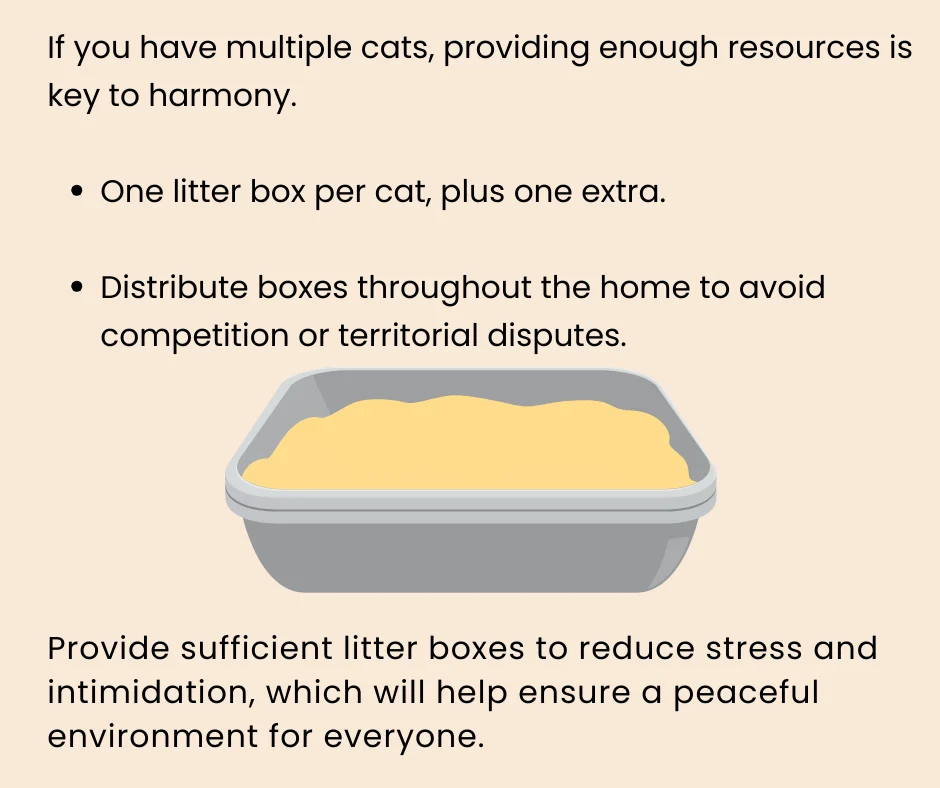
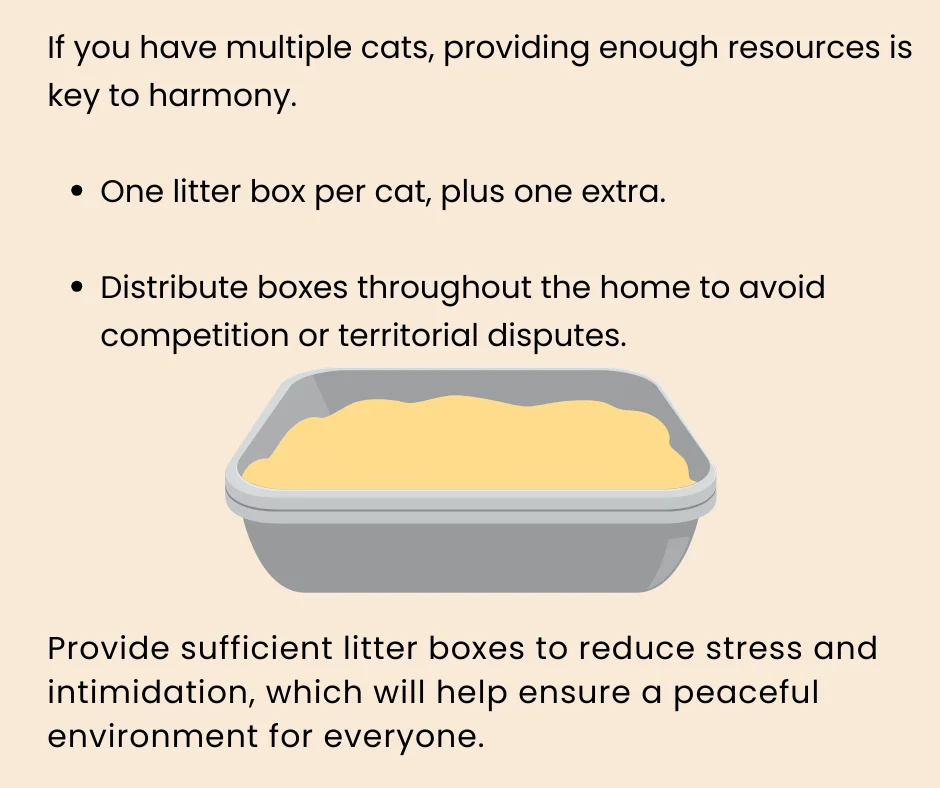
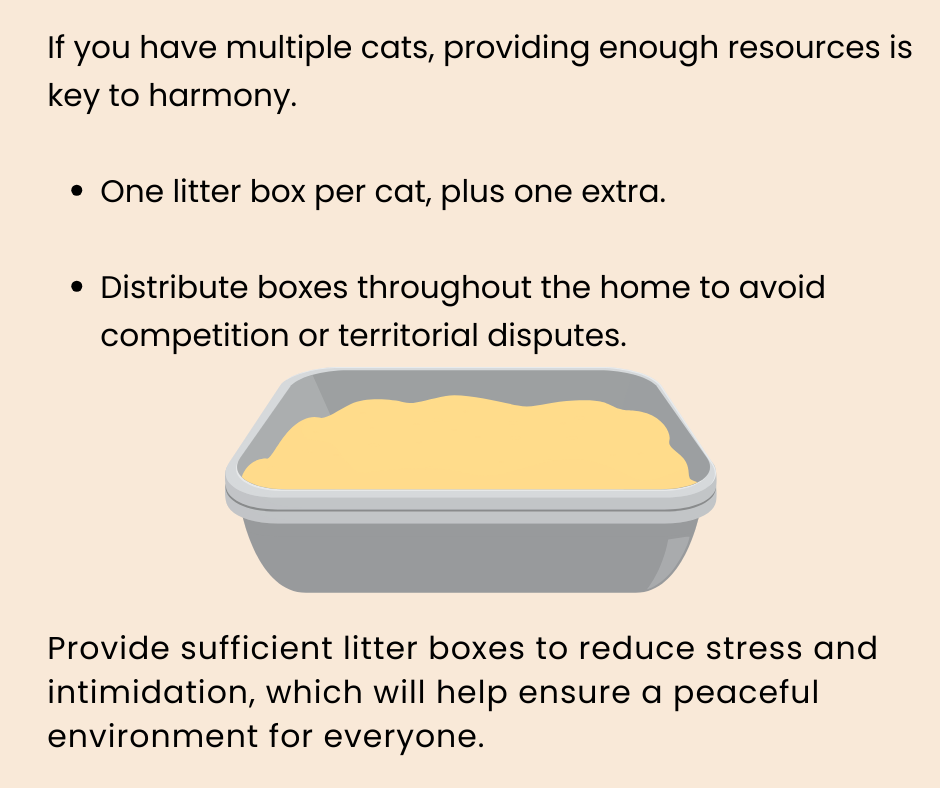
Behavioral experts recommend the "n+1" rule: the number of litter boxes should equal the number of cats in the home plus one. This ensures that no cat is ever forced to wait for access or travel through another cat’s territory to reach a facility.

When positioning these boxes, owners should:
- Avoid Corners: Never place a box in a confined area where a cat cannot see its surroundings.
- Provide Multiple Exit Routes: Ensure the cat has a clear line of sight to approaching housemates so they can escape if necessary.
- Respect Social Groups: Place boxes in different "territories" of the home to ensure that cats who do not get along have access to a box without interacting.
Implications of Ignoring the Issue
Ignoring a cat’s litter box avoidance can lead to a cycle of chronic stress for both the animal and the owner. When a cat is forced to "hold it" or endure pain and fear, the risk of developing long-term health complications—such as urinary blockages or behavioral anxiety—increases significantly.
Moreover, the "spite" narrative is dangerous because it leads owners to punish their cats. Punishing a cat for eliminating outside the box is counterproductive; it only increases the animal’s stress levels, which in turn exacerbates the very behavior the owner is trying to stop. A cat that is afraid of its owner or its environment will never feel comfortable enough to return to the litter box.
Professional Perspectives on Resolution
The consensus among animal behaviorists is that the solution lies in empathy and environmental modification.

For the aging cat, this means replacing high-walled boxes with low-entry, uncovered models and ensuring they are located on every floor of the home to minimize travel time. For the stressed cat, it means creating "safe zones" where the box is in a quiet, low-traffic area with 360-degree visibility.
The goal is to make the litter box the most appealing option in the house. This can be achieved by:
- Ensuring Accessibility: Placing boxes in quiet, low-traffic areas that are easy to reach.
- Uncovered Options: Many cats prefer open boxes because they do not trap odors and allow the cat to see their surroundings.
- Patience: When a cat is learning to return to the box, positive reinforcement—rather than punishment—is the only effective method.
Final Thoughts: A Partnership of Trust
Resolving litter box issues is a collaborative effort between the owner and the pet. It requires a willingness to observe, a commitment to cleanliness, and an understanding of feline psychology. When an owner views the box as a vital resource—like food or water—rather than a chore, the relationship with the cat often improves in other areas as well.
If you are struggling with persistent issues, do not lose hope. By ruling out medical concerns, auditing the environment for stressors, and ensuring the highest standards of cleanliness, most cats can be successfully transitioned back to consistent litter box usage. Always remember that your cat is not trying to be difficult; they are simply trying to exist comfortably in the home you share. If the problem persists, do not hesitate to seek the guidance of a veterinarian or a certified animal behaviorist to ensure your cat receives the tailored care they require.
For further reading on creating a harmonious home and understanding the complex needs of your feline companion, consider resources provided by experts like Pam Johnson-Bennett, whose books offer deep insights into the nuances of cat behavior and environmental management.