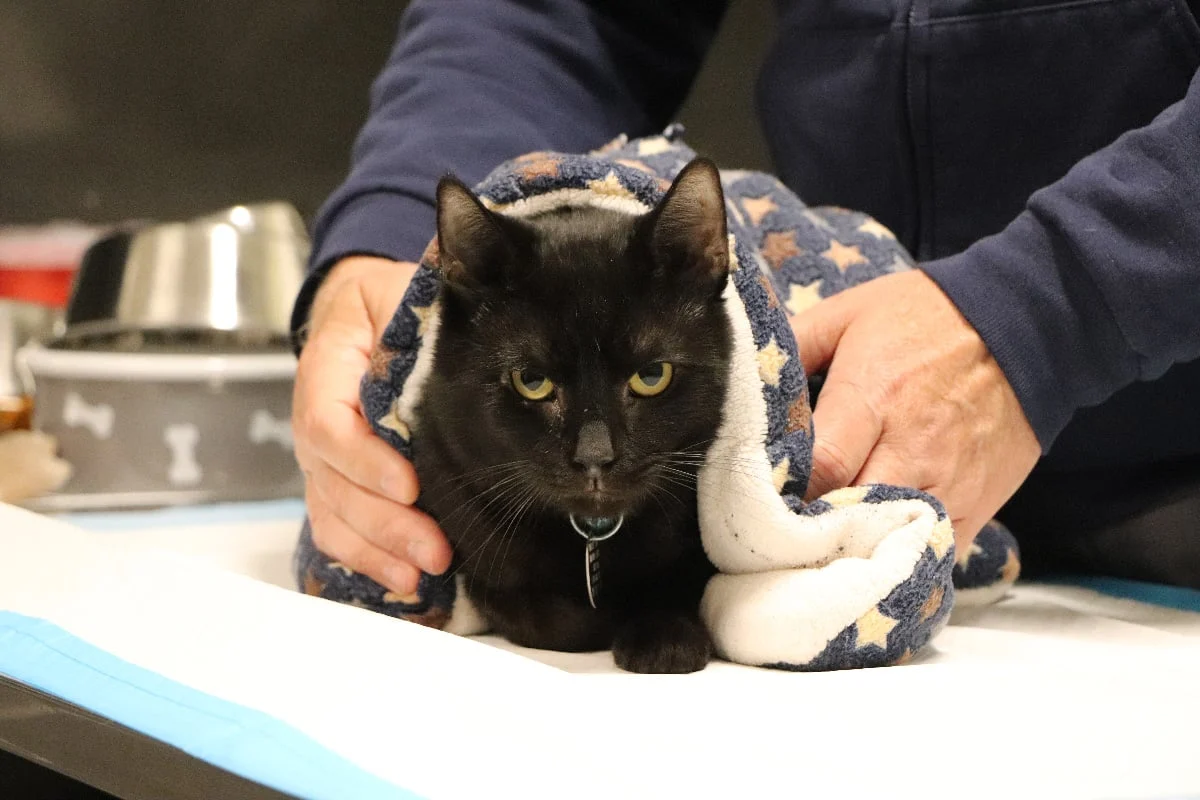

The bond between a pet owner and their companion is profound, but it is increasingly governed by complex legal frameworks that many adopters fail to fully scrutinize. A recent case involving a dog owner named Wrigley—who faces potential legal action from a rescue organization over a mandatory neutering clause—has brought to light the precarious intersection of animal welfare laws, contractual obligations, and the medical realities of veterinary care.
For many, the adoption process is an emotional journey. However, as this case illustrates, the fine print of an adoption contract can become a source of significant distress when life, health, and legal requirements collide.
The Core Conflict: When Health Triggers Legal Threats
The situation involving Wrigley, a dog adopted in November 2025, serves as a cautionary tale. At the time of adoption, the puppy remained unneutered due to a medical condition: his testicles had not yet descended. Because the dog subsequently suffered from a series of complex health issues, the owners deferred the procedure, despite periodic follow-ups from the rescue organization.
The conflict escalated when the organization issued an ultimatum: have the dog neutered immediately or face legal action. The owner’s central defense—that their specific adoption contract lacks a clause mandating neutering—highlights a common oversight in the adoption process. When individuals sign these agreements under the pressure of wanting to bring a new family member home, the nuances of state-mandated sterilization policies are often lost.
A Chronology of the Dispute
The timeline of the dispute highlights the friction between the shelter’s administrative mandate and the dog’s physical wellbeing:
- November 7, 2025: The adoption date. The puppy is placed in his new home. The rescue organization is aware that the puppy is not neutered due to a congenital condition (cryptorchidism).
- Post-Adoption Period: Wrigley experiences recurring health complications. The owners communicate these struggles to the rescue group, prioritizing the dog’s immediate recovery over elective procedures.
- The Follow-up Phase: The rescue organization reaches out multiple times. The owners remain responsive, citing the ongoing medical hurdles as the reason for the delay.
- The Ultimatum: The rescue organization shifts from inquiry to enforcement, citing legal grounds for the mandatory neutering and threatening to involve legal counsel if the procedure is not performed.
- Current State: The owners are left in a state of legal uncertainty, questioning whether their signed contract—which purportedly lacks a sterilization clause—can be superseded by state law.
The Legal Landscape: Illinois as a Case Study
While pet adoption laws vary by jurisdiction, the legal framework in Illinois provides a clear picture of how state mandates function. Under Illinois law, animal shelters and non-profit humane organizations (including 501(c)(3) entities) are generally prohibited from adopting out dogs that have not been sterilized and microchipped.
However, the law provides a narrow window for exceptions. An organization may release an animal if the adopter executes a written agreement to perform these procedures within 14 days after a licensed veterinarian certifies the animal is healthy enough to undergo them.
The Role of Veterinary Certification
The statute is intentionally flexible regarding the "when" of the surgery. It recognizes that a veterinarian is the final arbiter of health. If a professional determines that a dog is too sick, injured, or at-risk to undergo anesthesia, the requirement for sterilization is effectively paused. The controversy in the Wrigley case hinges on whether the rescue organization is ignoring these veterinary realities in favor of a "one-size-fits-all" policy.
Supporting Data: Why Neutering Mandates Exist
To understand the intensity of the rescue organization’s stance, one must look at the broader mission of shelters. The drive for mandatory spay/neuter programs is rooted in the crisis of pet overpopulation.
- Public Health and Welfare: According to the American Society for the Prevention of Cruelty to Animals (ASPCA), approximately 6.3 million companion animals enter U.S. animal shelters nationwide every year. Sterilization is the single most effective tool for curbing this cycle.
- Health Benefits for the Animal: Beyond population control, medical studies indicate that neutering can prevent testicular cancer, reduce the risk of perianal tumors, and mitigate behaviors associated with hormonal surges, such as roaming or aggression.
- The Financial Burden: Rescues operate on razor-thin margins. Each unsterilized dog represents a potential future litter that the rescue might eventually have to absorb, leading to immense financial and logistical strain.
Official Responses and Interpretation
Legal experts emphasize that while the rescue organization has a duty to uphold the law, they must also act in good faith. If an adoption contract does not explicitly outline the neutering requirements, the rescue organization’s position becomes legally murky.
"The law is clear that there should be an agreement," explains legal analyst Elinor, who handles pet-related inquiries. "However, if the rescue failed to execute that specific agreement, their leverage in a courtroom is significantly diminished."
Yet, owners should be wary of assuming a lack of a signed contract equates to total freedom. Courts often look at "implied contracts" or the broader spirit of the law. If an organization can prove that they acted in the best interest of animal welfare, a judge might be inclined to grant them broad authority to enforce standard operating procedures.
The Implications for Future Adopters
This case serves as a vital reminder that adoption is a legal transaction as much as it is an act of charity. For potential adopters, the following steps are essential to avoid future litigation:
- Demand Transparency: Before signing any paperwork, ask to see the spay/neuter policy. If the contract is missing this information, ask for an addendum that clarifies the timeline, especially if the animal has pre-existing medical conditions.
- Document Everything: If a veterinarian advises against a procedure, ensure this is documented in the animal’s official medical records. A written letter from a vet is the strongest shield against aggressive rescue organizations.
- Communication is Key: If health issues arise, notify the rescue immediately. Documentation of these issues—showing that the delay is based on medical necessity rather than neglect—is crucial for maintaining a good relationship with the organization.
- Know Your Rights: Understand that a rescue organization’s "threat" of legal action is often a tactic to ensure compliance. However, if a dispute arises, it is almost always more cost-effective to seek mediation or a compromise with the rescue than to engage in litigation.
Conclusion: Balancing Policy and Compassion
The dispute over Wrigley is, at its heart, a conflict between administrative rigidity and the practical realities of pet ownership. While the rescue organization is likely motivated by a desire to prevent further animal homelessness, their approach has alienated a pet owner who is clearly acting in the best interest of their animal’s health.
For the animal welfare community, this serves as a lesson in the importance of empathy. Legal mandates, while necessary, should not be weaponized against owners who are diligently managing a pet’s chronic health issues. For the adopter, it is a reminder that the "fine print" is not merely a formality—it is the foundation of the legal relationship between you, your pet, and the organization that brought you together.
As the situation remains unresolved, the best course of action for the owners is to obtain a formal, written statement from their veterinarian regarding the risks of surgery. By grounding their argument in medical evidence, they shift the conversation from a matter of contractual compliance to a matter of animal welfare, which is, ultimately, the goal of all parties involved.
Disclaimer: This article is for informational purposes only and does not constitute legal advice. Animal welfare laws vary significantly by state and municipality. If you are facing a legal dispute regarding your pet, please consult with an attorney specializing in animal law in your specific jurisdiction.