

CHICAGO, IL — A coalition of Chicago-area animal welfare organizations is intensifying pressure on commercial pet retailer Petland, demanding an immediate halt to the sale of live rabbits. Local rescue leaders point to a compounding cycle of impulse retail purchases, mis-sexed breeding pairs, and severe animal hoarding crises that have stretched municipal shelters and non-profit sanctuaries to their absolute limits.
The movement, amplified by the House Rabbit Society of Chicago (HRS Chicago), Red Door Animal Shelter, and It’s All About The Paws (IAATP), highlights what advocates describe as a direct pipeline from commercial storefronts to emergency rescue operations. As owner-surrender waitlists grow longer across Cook County and surrounding areas, animal advocates are calling on the public to support humane retail reform and demanding that Petland follow the example of major competitors like Petco and PetSmart by pivoting away from live-animal sales.
Main Facts: The Human and Animal Toll of Retail Rabbit Sales
The core grievance of the Chicago rescue coalition centers on the downstream consequences of selling exotic pets—particularly rabbits—without adequate consumer education, proper sexing, or spay/neuter mandates.
When pet stores sell rabbits, animals are frequently purchased on impulse. Because distinguishing the sex of young rabbits can be difficult for untrained staff or novice owners, customers often leave stores with mis-sexed pairs. Lacking immediate sterilization, these pairs rapidly produce accidental litters. Within months, a pair of rabbits can multiply exponentially, transforming a well-intentioned household pet purchase into an unmanageable hoarding environment.
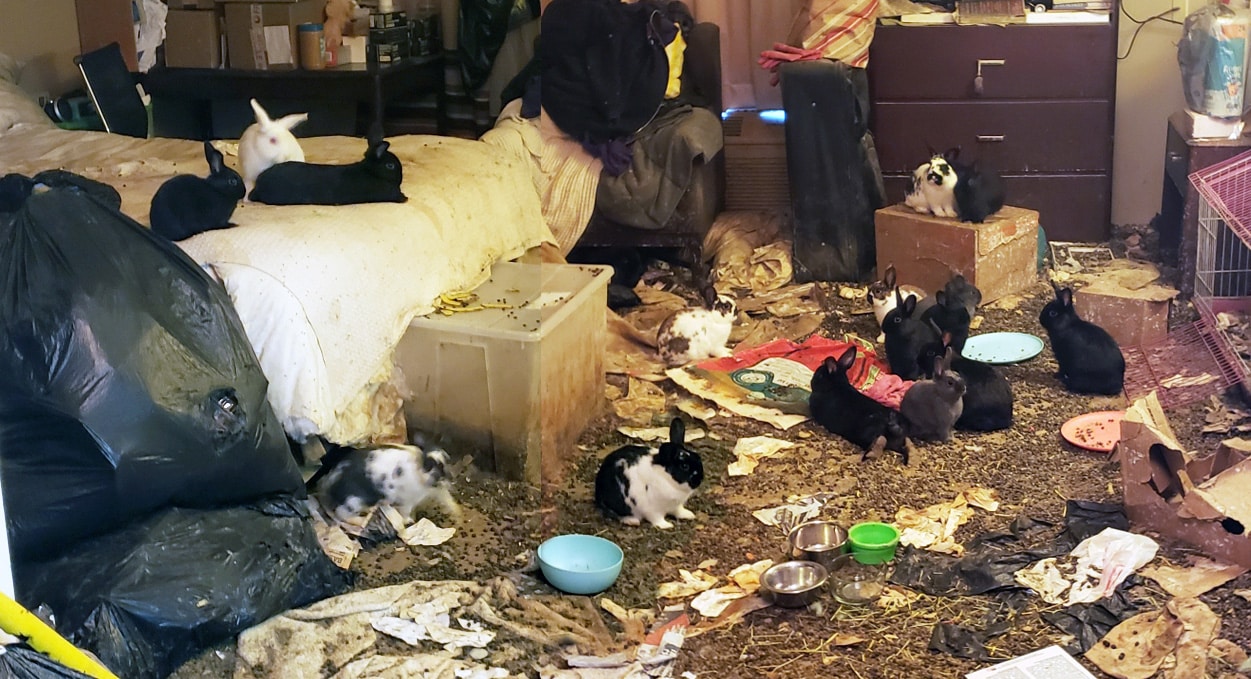
Local shelters bear the brunt of this fallout. Organizations that operate on shoestring budgets and rely heavily on foster networks find themselves forced to absorb dozens of animals at a moment’s notice. Medical costs for these emergency intakes routinely skyrocket due to malnutrition, parasitic infections, injuries from overcrowding, and the specialized veterinary care required for pregnant does and newborn kits.
Chronology of Crisis: Two Schaumburg Hoarding Cases
The correlation between retail rabbit sales and large-scale rescue operations is starkly illustrated by two major hoarding investigations in Schaumburg, Illinois, both of which trace their origins back to a single commercial source: Petland Hoffman Estates.
Case 1: The May 2021 Hotel Room Rescue
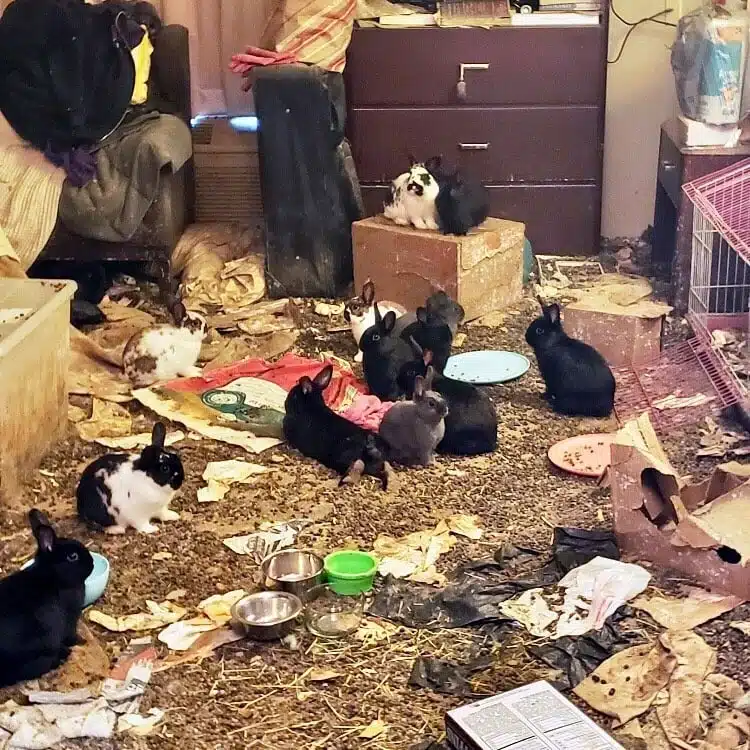
In May 2021, responders were called to a long-stay hotel room in Schaumburg, where they uncovered an alarming scene. Entering the debris-filled space in masks and gloves, animal welfare workers encountered a chaotic environment crowded with dozens of unaltered rabbits living in unsanitary conditions.
In total, responders removed 47 rabbits from the single hotel room. Fifteen of the does were pregnant. The massive intake was split between local facilities: Red Door Animal Shelter took in 22 rabbits, while DuPage County Animal Services received 25.
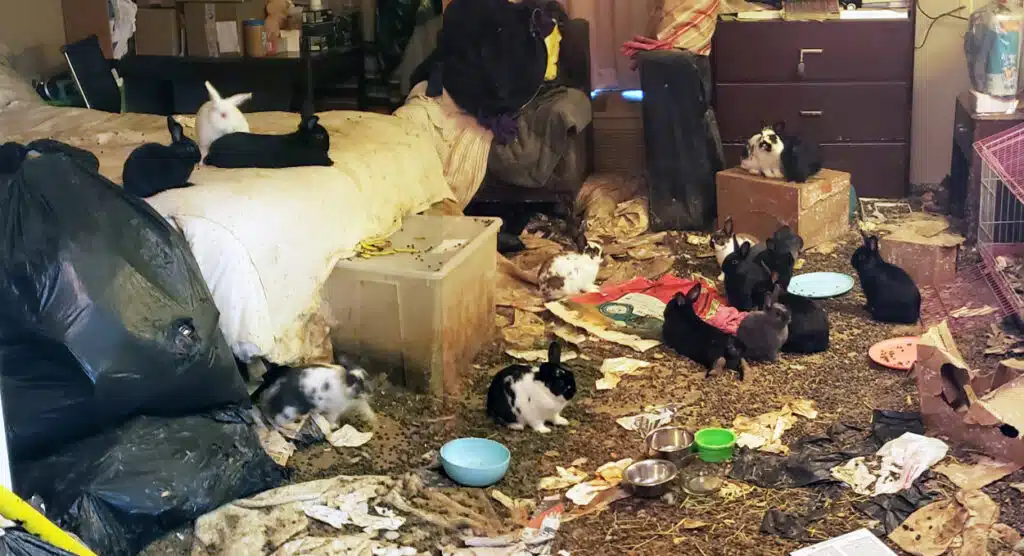
The financial and logistical toll on the receiving organizations was immediate. Red Door Animal Shelter reported that medical expenses for their 22 intakes alone exceeded $7,000. When questioned by investigators regarding how the situation escalated so rapidly, the caretaker reported that the very first two rabbits—the progenitors of the entire hotel room population—had been purchased from Petland Hoffman Estates.
Case 2: The July 2023 Single-Family Home Intake
Just over two years later, history repeated itself in the same northern Illinois suburb. In July 2023, animal rescue organization It’s All About The Paws (IAATP) responded to a single-family home in Schaumburg housing more than forty rabbits.
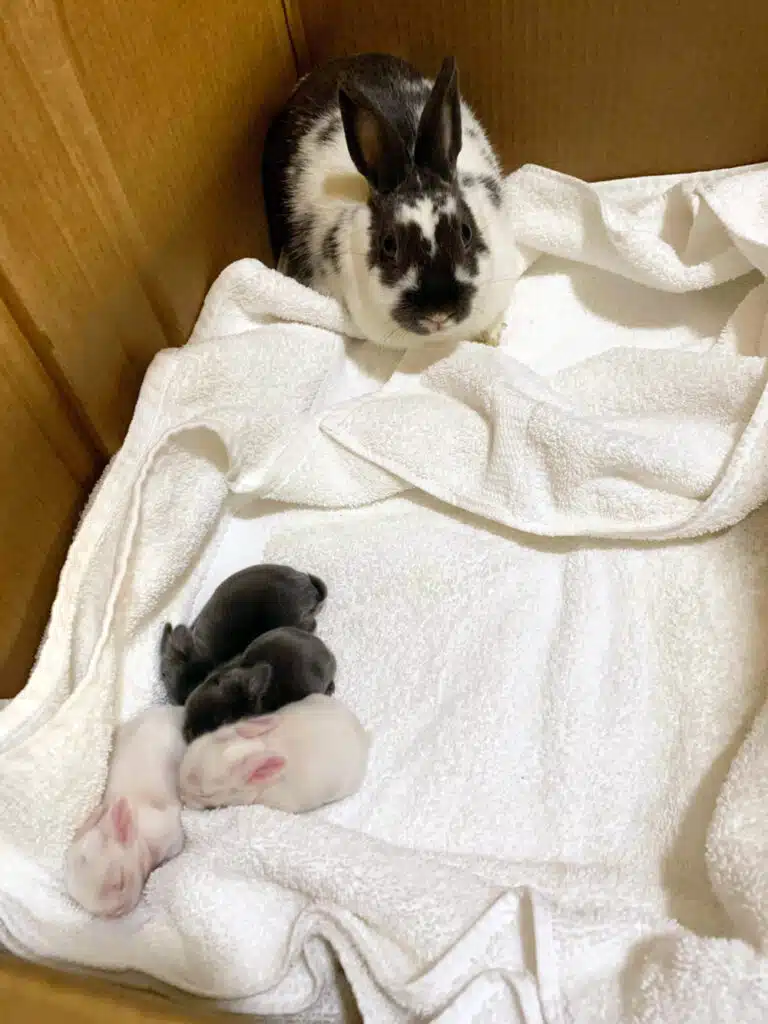
Working in coordination with local animal control, IAATP personnel removed 29 rabbits, including vulnerable newborns, within a 24-hour window. According to IAATP founder Erika Seibert, the homeowners disclosed to investigators that the breeding population had originated from a familiar source: a purchase made at Petland in Hoffman Estates.
Managing the influx required a regional rescue network. IAATP coordinated emergency placements across state lines and through specialized sanctuaries, working alongside HRS Wisconsin, Hoopy Haven Rabbit Rescue, and Lost Woods Animal Sanctuary to absorb the displaced animals.
Supporting Data and Frontline Realities
The structural burden placed on the Chicago-area rescue community cannot be overstated. Animal welfare organizations operate as safety nets for municipal systems that rarely possess the specialized infrastructure required to house and rehabilitate rabbits on a mass scale.
Rabbits have unique physiological and behavioral needs. Unlike dogs and cats, they require exotic veterinary care, specialized diets rich in timothy hay and fresh greens, and socialization to prevent behavioral deterioration. When commercial retailers market rabbits as easy, low-maintenance "starter pets" for children or casual owners, they misrepresent the species’ complexity.
Furthermore, unlike dogs and cats in many states, small mammals often lack the protective statutory oversight that regulates commercial breeding and retail sourcing. This regulatory vacuum allows retail chains to source animals from commercial breeding mills where genetic health and population tracking are secondary to volume and profit margins.
Voices from the Front Lines
Leadership across the Chicago rescue community has united to condemn current retail practices and demand accountability from corporate entities like Petland.
"Petland is a major source of rabbits who later end up abandoned or in crisis… We regularly see mis-sexed pairs adopted from stores that lead to repeated litters. While Petland profits, rabbits suffer."
— Rachael Sanders, Director, HRS Chicago
The sentiment is echoed by veterinary and shelter administrators who have been forced to navigate the physical and financial fallout of mass-intake emergencies.
"We managed back-to-back mass-intake crises in Schaumburg—each beginning with owner-reported Petland-origin pairs—stretching volunteers, foster space, and medical budgets to the breaking point."
— Toni Greetis, Vice President, Red Door Animal Shelter
Broader Implications and Call to Action
The campaign against Petland’s live-rabbit sales is part of a broader national movement led by organizations like the Rabbit.org Foundation and its Stop Rabbit Sales Coalition. Advocacy groups argue that modern pet retail must evolve past the live-animal sales model, pointing out that industry giants such as Petco and PetSmart successfully transitioned away from selling rabbits and other small mammals by partnering with local shelters to feature adoptable animals instead.
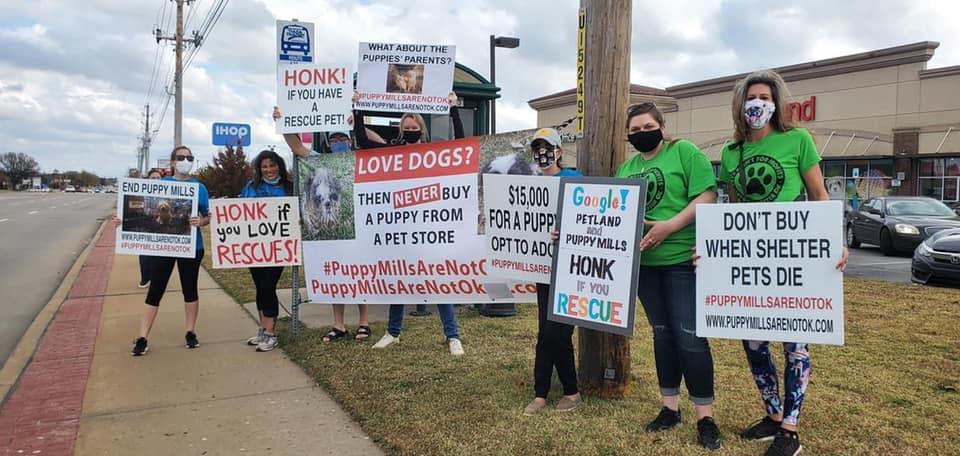
For Chicago residents, the crisis serves as a reminder of the importance of ethical pet acquisition and community responsibility. Rescues emphasize that anyone struggling to care for an animal should reach out to authorized shelters or municipal animal control rather than abandoning pets outdoors or allowing breeding populations to spiral out of control.
Advocates are currently urging the public to take action by signing petitions demanding corporate policy changes from Petland. Every signature on the ongoing Change.org initiative strengthens the collective call for humane retail reform, signaling to lawmakers and corporations alike that consumers expect ethical stewardship over retail convenience.
If you are in the Chicago area and need assistance surrendering a rabbit or reporting an animal in distress, please contact your local municipal animal control or reach out directly to recognized organizations such as HRS Chicago or Red Door Animal Shelter to explore safe surrender options.