
In the landscape of veterinary medicine and wildlife conservation, few pathogens have triggered as much alarm in recent years as Rabbit Hemorrhagic Disease Virus 2 (RHDV2). As the virus continues to traverse continents, leaving a trail of high mortality rates in both domestic and wild lagomorph populations, the urgency for scientific clarity has never been greater.
In a recent, highly anticipated episode of the Every Animal Has an Owner podcast, presented by Medgene, veterinary experts Dr. Amanda Jones and Dr. Anthony Pilny provided a comprehensive forensic and clinical analysis of the virus. Their discussion offers a sobering look at the current state of RHDV2, the methodology used to diagnose its devastating effects, and the looming uncertainty regarding its inevitable genetic mutations.
Main Facts: The Nature of the Virus
RHDV2 is a highly contagious, often fatal disease caused by a calicivirus. Unlike the original RHDV strain, which primarily affected adult European rabbits, RHDV2 is notoriously indiscriminate. It possesses the ability to infect a wide range of rabbit species, including cottontails and jackrabbits, and it affects rabbits of all ages, including kittens that were previously thought to be immune to the original strain.
The virus is characterized by its extreme resilience. It can persist in the environment for months, resisting freezing temperatures and surviving on surfaces, in soil, or on the fur of infected animals. Transmission occurs through direct contact with infected rabbits or through indirect contact with contaminated materials, such as feed, water, bedding, or even insects that act as mechanical vectors.
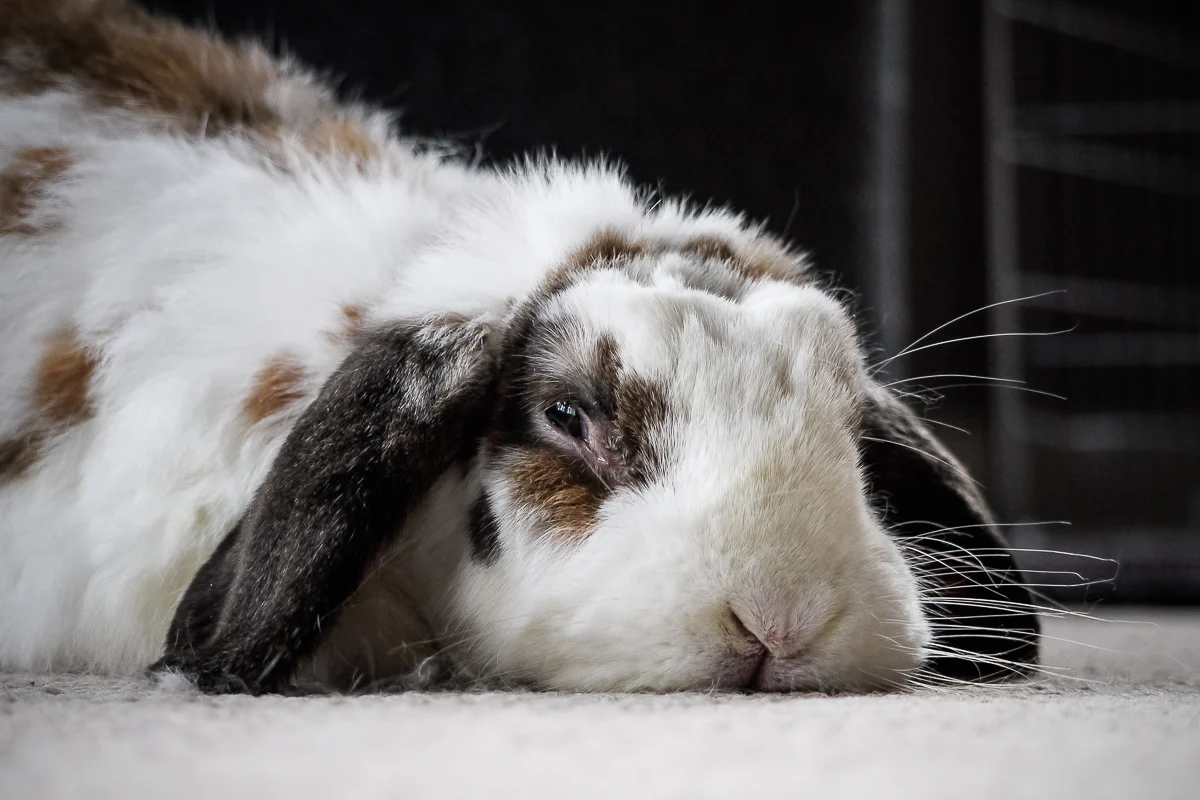
In the clinical setting, RHDV2 is frequently described as a "silent killer." Rabbits may appear healthy one moment and perish shortly thereafter, often showing few external symptoms until the terminal stage. When clinical signs do present, they often include lethargy, loss of appetite, respiratory distress, and internal hemorrhaging—specifically bleeding from the nose or mouth.
A Chronology of the Spread
The trajectory of RHDV2 is a testament to the interconnectedness of global ecosystems and the speed at which a pathogen can move across geographic barriers.
- 2010 – Initial Discovery: The virus was first identified in France. At the time, it was recognized as a distinct variant from the classic RHDV strains that had been circulating in Europe for decades.
- 2010–2018 – Continental Expansion: Following its emergence, the virus rapidly moved across Europe, eventually reaching the Iberian Peninsula, where it had a catastrophic impact on the endangered Iberian lynx’s primary food source: the European rabbit.
- 2020 – Arrival in North America: While sporadic cases had been noted in North America prior, 2020 marked a turning point when a massive outbreak was confirmed in the Southwestern United States. This outbreak moved with alarming speed through wild populations in New Mexico, Arizona, and California.
- 2021–Present – Endemic Status: The virus has since solidified its presence across much of the United States. Veterinary health organizations and wildlife agencies have shifted their focus from containment to long-term management, vaccination protocols, and public awareness.
Supporting Data: The Forensic Perspective
In their discussion on the Every Animal Has an Owner podcast, Dr. Jones and Dr. Pilny emphasized that the "forensic assessment" of RHDV2 is critical for controlling outbreaks. When a rabbit dies unexpectedly, veterinarians are urged to look for specific post-mortem indicators.
Clinical Pathology and Indicators
The virus targets the liver and blood-clotting mechanisms. Upon necropsy, the most common findings include:
- Hepatic Necrosis: The liver is often pale, enlarged, and friable.
- Splenomegaly: Enlargement of the spleen is a common secondary finding.
- Hemorrhagic Lesions: Petechial hemorrhages (tiny red or purple spots) on the lungs, kidneys, and heart are diagnostic hallmarks.
Dr. Pilny notes that because the virus is so stable, forensic evidence—even from a deceased animal—must be handled with extreme caution. Owners and wildlife rehabilitators are warned that the virus can remain viable in the tissues of a deceased rabbit for an extended period, creating a significant risk of secondary contamination.
Official Responses and Vaccination
The scientific community’s response to RHDV2 has been one of rapid adaptation. Regulatory bodies, including the USDA’s Animal and Plant Health Inspection Service (APHIS), have worked to expedite the approval of vaccines.
Currently, the most significant intervention is the Medgene RHDV2 vaccine. Unlike vaccines that have been used in Europe for years, the Medgene product is specifically tailored to the North American strains.
The Importance of Herd Immunity
Public health officials and veterinarians emphasize that individual vaccination is not enough; the goal is to achieve herd immunity. By vaccinating domestic rabbits, owners are not only protecting their own pets but are also reducing the overall "viral load" in the environment. This is particularly crucial in areas where domestic rabbits may come into contact with wild lagomorphs through windows, screens, or accidental escapes.
Implications: The Evolution and Mutation of RHDV2
Perhaps the most chilling aspect of the conversation between Dr. Jones and Dr. Pilny concerns the future of the virus. Viruses, by their nature, are constantly evolving, and RHDV2 is no exception.
The Threat of Mutation
As the virus moves through different species and environments, the selective pressure on the virus to adapt increases. Drs. Jones and Pilny discussed the "inevitable mutation" of RHDV2. When a virus mutates, it can potentially:
- Increase Virulence: While the current strain is already highly lethal, a mutation could make it even faster-acting or more resistant to current disinfection protocols.
- Broaden Host Range: While RHDV2 is currently limited to lagomorphs, the history of zoonotic and cross-species viral movement suggests that constant surveillance is necessary.
- Vaccine Escape: The most significant fear among researchers is the development of a strain that evades the immune response generated by current vaccines. This would require a continuous cycle of vaccine updates, similar to the annual adjustments made for human influenza vaccines.
Ecological Consequences
The ecological implications of RHDV2 are profound. In the American Southwest, the collapse of wild rabbit populations has had a domino effect on predators such as raptors, foxes, and coyotes. Because rabbits are a "keystone species"—providing both food for predators and environmental maintenance—the loss of these populations threatens the stability of the entire food web.
Conclusion: The Path Forward
As Dr. Jones and Dr. Pilny concluded in their expert dialogue, the battle against RHDV2 is not a sprint; it is a long-term commitment to biosecurity and scientific vigilance. For rabbit owners, the message is clear: prioritize vaccination, practice rigorous biosecurity (such as washing hands between handling different rabbits), and remain informed through reputable sources like the House Rabbit Society and university veterinary extensions.
The forensic analysis of this virus has provided the medical community with the tools to identify the enemy, but it is the collective action of the public—informed by the insights of experts—that will ultimately determine the survival of rabbit populations. As we face the inevitability of viral mutation, our best defense remains our ability to adapt our strategies as quickly as the virus evolves.
The episode of Every Animal Has an Owner serves as a vital reminder that while we cannot stop the evolution of nature, we can certainly improve our resilience against it through education, proactivity, and evidence-based medicine. The silent threat of RHDV2 persists, but through the combined efforts of researchers, veterinarians, and the public, the path toward a more stable and protected future for these animals remains within our grasp.
For more information on RHDV2, local vaccination clinics, and updated biosecurity guidelines, please visit the official resources provided by the House Rabbit Society or consult your local veterinarian.