The landscape of animal ownership and municipal regulation is undergoing a period of significant transformation across the United States. From local municipal ordinances in Colorado to federal Endangered Species Act (ESA) proposals, pet owners, breeders, and conservationists are navigating an increasingly complex web of legislative changes. As responsibility for animal control shifts between government jurisdictions and environmental agencies tighten protections for rare species, stakeholders are finding it more important than ever to stay informed and engage in the public process.
This report provides a detailed breakdown of three critical legislative developments that have recently dominated the conversation in the herpetological and broader pet-keeping communities.
1. Grand Junction, Colorado: Municipal Ordinance Overhaul
In a move prompted by the withdrawal of Mesa County from its animal control service commitments, the City of Grand Junction is currently drafting a new animal ordinance. This transition represents a significant shift in how local pet owners will be regulated and how city resources will be allocated for animal welfare and control.
The Scope of the Change
The primary catalyst for this ordinance is administrative necessity. Following formal notification that Mesa County would no longer provide animal control services, the City of Grand Junction has been forced to internalize these responsibilities. While much of the existing regulatory framework remains intact, the city has seized this opportunity to implement changes regarding license fees and species-specific prohibitions.
Implications for Reptile Owners
Of particular concern to the exotic animal community is the inclusion of new, strict prohibitions on specific species. Most notably, the draft ordinance includes a ban on all lizards exceeding three feet in length. This threshold is scientifically broad and, if enacted, would effectively outlaw the ownership of several popular, well-documented species, including various types of tree monitors and larger iguanid species.
Perhaps the most alarming aspect of the proposed ordinance for current owners is the absence of a "grandfather clause." In legislative practice, a grandfather clause typically allows those who already possess an item or animal to continue doing so after a new law takes effect. Without this provision, current residents who own lizards exceeding the three-foot limit could find themselves in immediate violation of city law upon the ordinance’s passage.
Timeline and Public Participation
The city plans to introduce the ordinance at the June 17 meeting, followed by a formal public hearing on July 1. Local pet owners are strongly encouraged to review the proposed text in its entirety via the official USARK informational portal. Public engagement during the July hearing will be the final opportunity for citizens to voice concerns regarding the species bans and the potential impact on responsible hobbyists.
2. Federal Update: Endangered Species Act Listing for the Southern Hognose Snake
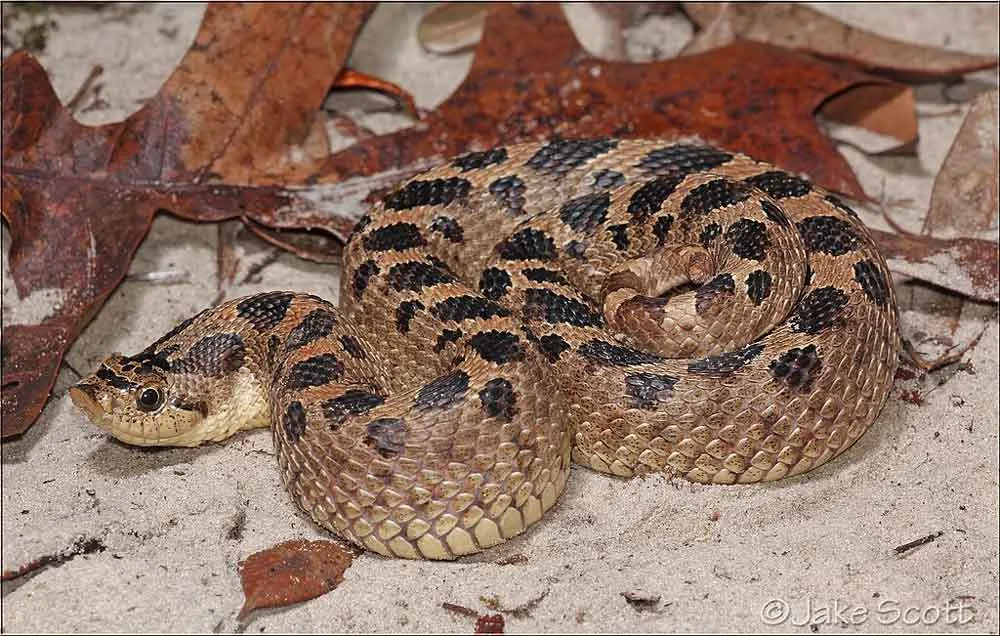
While municipalities handle the day-to-day regulation of pets, federal agencies are currently re-evaluating the status of native wildlife. The U.S. Fish and Wildlife Service (FWS) has reopened the comment period regarding the potential classification of the Southern Hognose Snake (Heterodon simus) as a "threatened" species under the Endangered Species Act.
Chronology of the Proposed Rule
The status of the Southern Hognose Snake has been a subject of intense scientific and regulatory debate. Following previous submissions of public comment, the FWS determined that additional discourse was required. As of June 8, 2026, the service has officially reopened the comment period for a duration of 30 days.
- June 8, 2026: Federal Register posting officially reopens the 30-day comment window.
- June 25, 2026: A virtual public hearing will be held from 5:00 to 7:00 p.m. ET, providing a platform for stakeholders to offer verbal testimony.
- July 8, 2026: The final deadline for all public comments at 11:59 PM EST.
The Role of Public Testimony
The FWS has emphasized that while previous comments will be fully considered in the final ruling, the reopening of the comment period allows for new data or concerns to be brought to the table. The virtual public hearing on June 25 is a critical opportunity for biologists, conservationists, and the herpetocultural community to provide feedback on the economic and ecological implications of this listing. Interested parties are urged to visit the USARK ESA resource page for registration links and instructions on how to participate effectively in the hearing.
3. Regional Successes and Challenges: Rhode Island and South Dakota
The legislative year has been marked by a series of victories and ongoing struggles for animal owners at the state and county levels. The outcomes in Rhode Island and South Dakota highlight the power of organized advocacy and the importance of scientific literacy in the legislative process.
Rhode Island: A Victory for Tegu Owners
In Rhode Island, a proposed regulatory change initially threatened to impose a highly restrictive and burdensome permitting system for exotic animal owners. The proposal was criticized by the herpetocultural community as a "de facto ban," as the agency was granted broad discretion to deny permits for any reason.
However, a coordinated effort by local hobbyists and organizations like USARK led to a successful outcome. During a public hearing on May 12, 2026, twelve dedicated advocates presented evidence-based arguments against the proposal. As a direct result of this testimony and a follow-up email campaign, the Department of Environmental Management (DEM) removed Tegus from the scope of the rule change. This serves as a powerful reminder that when experts and owners present a united front, government agencies are often willing to adjust their proposals to reflect more reasonable and fair standards.
Pennington County, South Dakota: Defeating the "Broad Ban"
Perhaps the most significant victory of the spring occurred in Pennington County, South Dakota. Local officials had proposed a sweeping ordinance that would have effectively banned almost all non-domesticated animals, including common aquarium fish, parrots, and a wide variety of reptiles and amphibians.
The language of the ordinance was so broad that it risked criminalizing the ownership of common household pets. The local community responded with an overwhelming show of force. Residents, veterinarians, and species experts provided testimony at the April 21 hearing, explaining the difference between "nondomesticated" species and "invasive" or "dangerous" species. The Commissioners, swayed by the evidence and the high volume of opposition, voted against the measure. This outcome preserved the rights of thousands of residents to continue keeping their animals and highlighted the dangers of poorly drafted, overly broad legislation.
Implications: The Future of Animal Advocacy
The events described above reveal a clear trend: municipal and state governments are increasingly looking to regulate exotic animal ownership, often under the guise of public safety or environmental protection. While some of these measures are based on valid concerns regarding invasive species or public health, others are based on misunderstandings of the pet trade and the biology of the species involved.
Why Engagement Matters
For those involved in the care of animals, these updates serve as a call to action. The primary challenge in these legislative battles is often a lack of understanding by policymakers. When a bill is introduced to ban "lizards over three feet," it is rarely written with the nuance required to distinguish between a docile, captive-bred pet and a genuinely dangerous animal.
Best Practices for Stakeholders
- Monitor Local Government: Always keep an eye on city council and county commission agendas. Use tools like the USARK legislative map to receive alerts for your region.
- Evidence-Based Testimony: When speaking at hearings, focus on data, responsible ownership practices, and the distinction between the species in question and those that pose a genuine threat to the environment or public safety.
- Collaborate with Organizations: The successes in Rhode Island and South Dakota were largely driven by the support and coordination of advocacy groups. By working together, individuals can pool resources, share legal knowledge, and ensure that their voices are heard by those in power.
Looking Ahead
As we look toward the second half of 2026, the legislative calendar remains packed. With the Grand Junction ordinance pending and the federal status of the Southern Hognose Snake hanging in the balance, the coming weeks will be pivotal. Pet owners and stakeholders must remain vigilant, proactive, and engaged in the democratic process to ensure that regulations remain fair, evidence-based, and respectful of the rights of responsible animal owners.
By staying informed and participating in public comment periods, the community can ensure that animal welfare is prioritized without sacrificing the diversity of species that many individuals have come to appreciate and care for responsibly. Whether at the local municipal level or in the halls of federal agencies, the voice of the owner is an essential component of the legislative process.