Introduction
The United States Fish and Wildlife Service (USFWS) has issued a critical update regarding the conservation trajectory of the southern hognose snake (Heterodon simus), a small but ecologically significant reptile native to the southeastern United States. Today, June 25, the agency is hosting a formal public hearing via the Zoom platform, providing a vital forum for scientists, conservationists, and the public to weigh in on the proposed listing of the species as "threatened" under the Endangered Species Act (ESA).
This move marks a pivotal moment for a species that has faced decades of population decline due to habitat fragmentation and loss. As the USFWS reopens the public comment period until July 8, 2026, the discussion surrounding the southern hognose snake highlights the broader complexities of protecting biodiversity in the rapidly developing landscapes of the American Southeast.
Main Facts: The Southern Hognose at a Glance
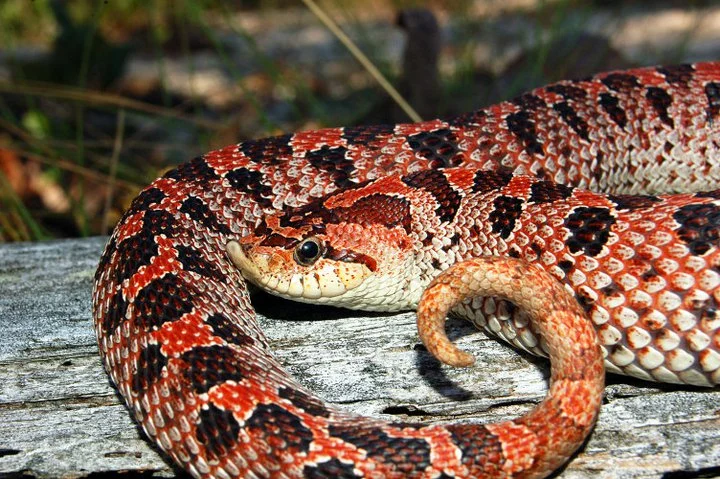
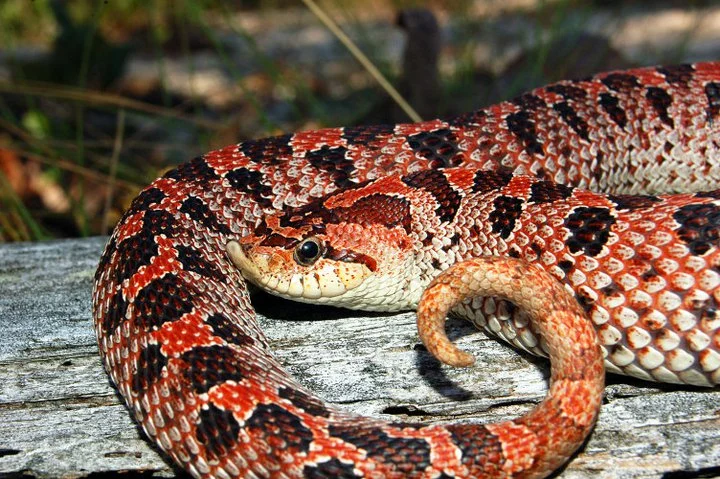
The southern hognose snake is a specialized, fossorial (burrowing) reptile known for its distinct upturned snout, which it uses to forage for prey in sandy soils. Measuring between 14 and 24 inches in length, the species is relatively small compared to its cousins, yet it occupies a specific and fragile ecological niche.
- Scientific Name: Heterodon simus
- Range: Endemic to the southeastern United States, primarily inhabiting coastal plains and sandhill ecosystems.
- Habitat Requirements: Longleaf pine sandhills, upland pine forests, scrublands, dry river floodplains, and overgrown fields.
- Dietary Habits: Primarily an amphibian specialist, the southern hognose feeds predominantly on toads, frogs, and occasionally small mammals like mice.
- Proposed Status: The USFWS is currently evaluating the petition to classify the species as a "threatened" entity under the ESA, a designation that would grant it federal protections intended to prevent extinction.
Chronology of the Listing Process
The journey toward federal protection for the southern hognose snake has been a multi-year effort rooted in data collection and administrative rigor.
The Initial Proposal
The USFWS first formally proposed listing the southern hognose snake as a threatened species in August 2025. This proposal followed years of internal assessments suggesting that the species’ population density had dropped significantly across its historic range in states such as North Carolina, South Carolina, Georgia, Florida, Alabama, and Mississippi.
The Request for Hearing
Under the procedural mandates of the Endangered Species Act, stakeholders and concerned citizens are afforded the right to request a formal public hearing when a species is proposed for listing. Following the initial announcement, the USFWS received a formal request for such a hearing. In accordance with its standard operating procedures, the agency paused the administrative clock, reopened the public comment period, and scheduled today’s session to ensure transparency and inclusivity in the decision-making process.
The Current Status
As of today, June 25, the USFWS is facilitating the public hearing. The session, which commences at 5 p.m. EST and is scheduled to conclude at 7 p.m. EST, serves as an educational and record-gathering event. Following the hearing, the window for submitting written public comments remains open until July 8, 2026. Once this window closes, the USFWS will synthesize the new testimony and data with existing records to reach a final determination.
Supporting Data: Habitat and Ecology
The decline of Heterodon simus is inextricably linked to the loss of its preferred environment. To understand why federal protection is being sought, one must examine the state of the southeastern landscape.
The Longleaf Pine Crisis
The southern hognose snake is a flagship species for the longleaf pine ecosystem. Historically, this forest type covered vast swathes of the Southeast; today, it is estimated that less than 5% of the original old-growth longleaf pine forests remain. Fire suppression and land conversion for agriculture and urban development have decimated the sandy, open-canopy habitats the snake requires for survival.
Behavioral Specialization
Unlike the more widespread and adaptable Eastern hognose (H. platirhinos), the southern hognose is highly specialized. Its reliance on specific soil types—sandy, well-draining substrate—for both burrowing and nesting makes it particularly vulnerable to ground disturbance. Furthermore, its specialized diet of toads makes it sensitive to fluctuations in amphibian populations, which are themselves currently threatened by climate change and disease, such as chytrid fungus.
Comparison to Other Hognose Species
To provide context, the Heterodon genus includes four notable North American species:
- Eastern Hognose (H. platirhinos): The most widespread, known for its dramatic "death feigning" behavior.
- Western Hognose (H. nasicus): A favorite in the reptile hobbyist community, widely captive-bred and well-documented.
- Mexican Hognose (Heterodon kennerlyi): A smaller, hardy species found in desert environments.
- Southern Hognose (H. simus): The most restricted in range and the most ecologically vulnerable of the group.
The popularity of the Western hognose in the pet trade serves as a contrast to the southern hognose; while the former thrives in captivity, the latter has never been a subject of widespread trade, primarily due to its specialized requirements and declining numbers in the wild.
Official Responses and Administrative Procedures
The USFWS has emphasized that the reopening of the comment period is not an indicator of a change in scientific opinion, but rather a commitment to administrative due process.
"Public engagement is the cornerstone of effective conservation," a spokesperson for the agency noted. By allowing for a public hearing, the USFWS ensures that local stakeholders, landowners, and regional biologists have a platform to present evidence that might have been overlooked during the initial review.
What Happens to Previous Comments?
A common concern for participants is whether their previous efforts were in vain. The USFWS has confirmed that all comments submitted during the original period (following the August 2025 proposal) remain part of the official record. Those who have already spoken do not need to resubmit their comments, though they are welcome to provide additional data or address new information presented during the hearing.
Implications of a Threatened Listing
If the southern hognose snake is officially listed as "threatened," the implications will be felt across the Southeast, affecting land management, development, and research.
Land Management and Private Property
A "threatened" designation under the ESA often triggers specific requirements for federal agencies and can influence how private land is managed, particularly if that land contains critical habitat. While the ESA includes provisions to protect private property rights, landowners in the snake’s range may be encouraged to participate in Safe Harbor Agreements or Candidate Conservation Agreements with Assurances (CCAAs). These programs provide incentives for landowners to manage their property in ways that benefit the snake without incurring the full burden of strict federal regulation.
Research and Funding
Listing a species as threatened significantly increases its priority for conservation funding. This could lead to increased resources for:
- Habitat Restoration: Controlled burns to restore the open-canopy structure of pine forests.
- Population Surveys: Rigorous, long-term monitoring to track the efficacy of conservation efforts.
- Public Education: Programs designed to reduce human-snake conflict and discourage the collection of wild specimens.
The Broader Ecological Picture
Ultimately, protecting the southern hognose snake is about more than a single species. It is a proxy for the health of the entire southeastern coastal plain. If the southern hognose thrives, it suggests that the broader ecosystem—including the native plants, amphibians, and other reptiles that share its habitat—is also on the mend.
Conclusion: How to Participate
For those interested in contributing to the future of the southern hognose snake, the path is clear. The public hearing on June 25 represents a critical opportunity to voice support or concerns regarding the proposed rule.
Steps to Participate:
- Register: Interested parties must visit the official Zoom registration link to gain access to the hearing.
- Prepare: Review the USFWS proposal documentation to understand the specific criteria being debated.
- Submit Comments: Written comments can be submitted through the official federal portal until July 8, 2026. Ensure that all data presented is factual, relevant to the species’ status, and clearly articulated.
As the USFWS moves toward its final decision, the fate of the southern hognose snake remains in the hands of both the regulators and the public. Whether the species receives the federal umbrella of protection it needs will depend on the strength of the evidence presented and the commitment of the American public to preserve the biodiversity of the Southeast.