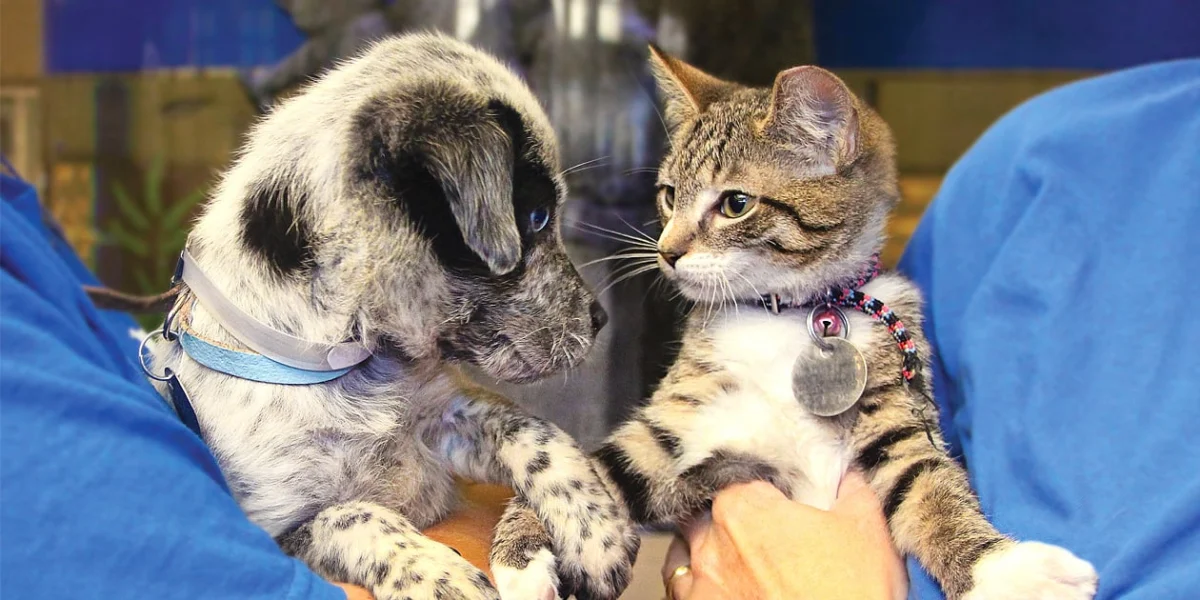
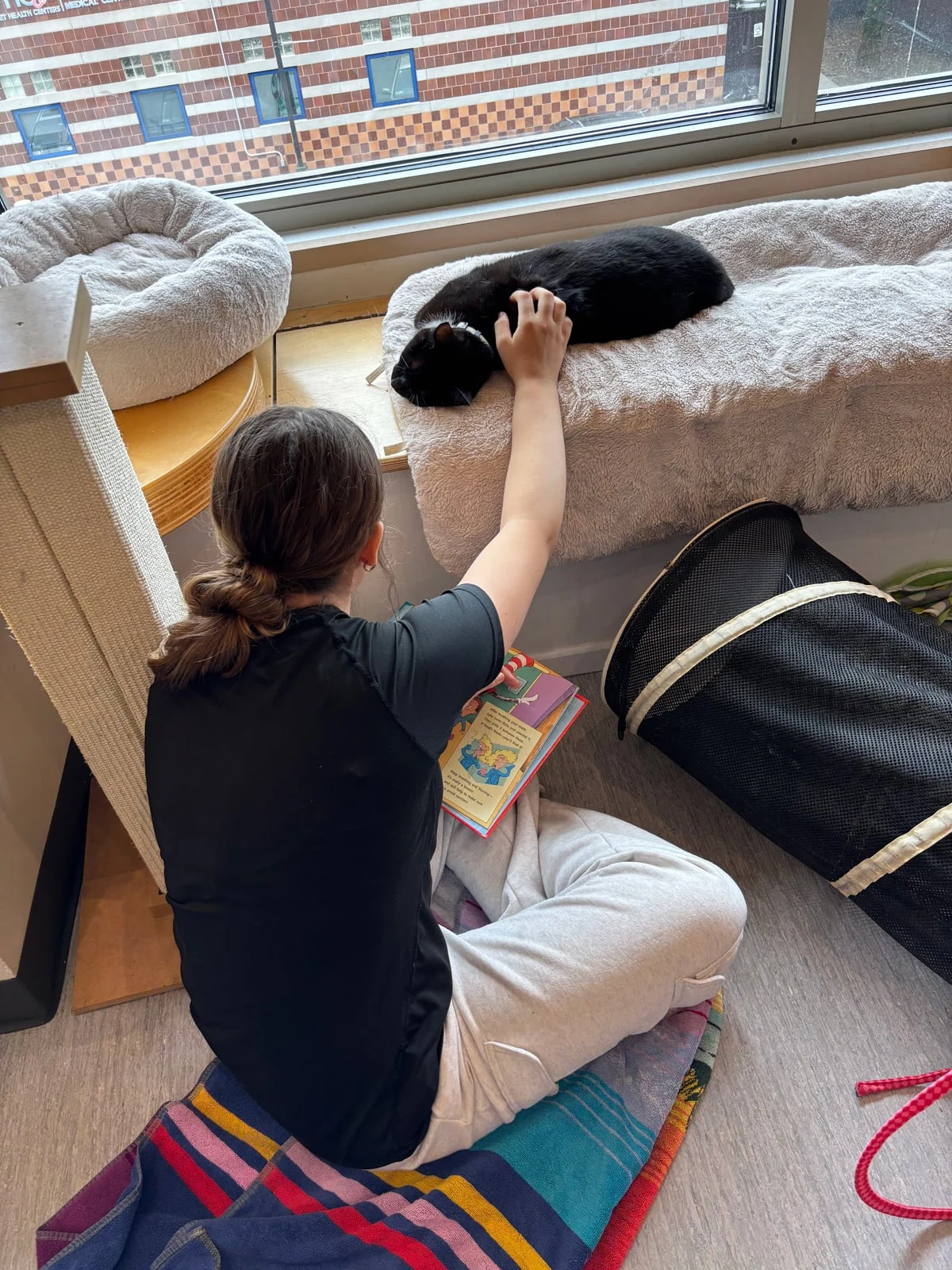
In the quiet corners of the North Shore Animal League America, a heartwarming transformation has been taking place all summer long. Amidst the gentle thrum of the shelter’s daily operations, a new sound has emerged: the soft, steady rhythm of young voices reading stories aloud. This summer, the organization’s flagship education initiative, The Mutt-i-grees Curriculum, launched its first-ever Summer Reading Program—a bridge between literacy development and animal welfare that has captured the hearts of the local community.
By inviting students of all ages to sit beside the kennels and cat condos of adoptable animals, the program has created a unique, dual-purpose environment where the act of reading becomes an act of kindness. As the inaugural season concludes, the initiative stands as a testament to the profound potential of the human-animal bond in fostering educational growth and emotional intelligence.
The Core Concept: Literacy Meets Empathy
At its foundational level, the Mutt-i-grees Summer Reading Program is designed to address two distinct challenges: the "summer slide"—the tendency for students to lose academic progress during school breaks—and the social-emotional needs of animals awaiting permanent homes.
The program operates on a simple but powerful premise: animals do not judge. For a child struggling with reading fluency or anxiety, the classroom can be an intimidating space. Public speaking or reading in front of peers often triggers a "performance anxiety" that hinders development. In the shelter environment, however, the audience is entirely different. A dog resting on a blanket or a cat lounging in a sunbeam provides a non-judgmental, calm presence. They do not care if a word is mispronounced; they only care that someone is near, offering a soothing voice and gentle companionship.
This environment fosters what educators call "low-stakes reading." By removing the fear of correction, children are encouraged to engage with books more deeply, focusing on the cadence of their own voices and the narratives within the pages. Simultaneously, the animals benefit from a sense of normalcy and human interaction that is vital for their socialization and mental health while they remain in a high-stress shelter environment.
A Summer in Review: Chronology of the Program
The journey of the Mutt-i-grees Summer Reading Program began with a pilot phase aimed at gauging community interest and operational feasibility. When the program was first announced in the late spring, the response from families was immediate and overwhelming.
The Launch Phase
The program officially kicked off in June, with the shelter setting aside specific hours for "Reading Sessions." These sessions were structured to ensure the safety of both the animals and the participants, with animal welfare staff on hand to guide children on how to approach the enclosures respectfully. The initial sessions served as a trial, where staff observed the interactions to ensure the animals remained calm and the readers remained engaged.
The Peak of Participation
By July, the program had hit its stride. Word of mouth, amplified by social media and local school outreach, led to a surge in sign-ups. What began as a few slots per week quickly evolved into a fully booked schedule. Families traveled from across the region, bringing their children to spend an hour reading everything from picture books to young adult novels to the shelter’s canine and feline residents.
Closing the Season
As August arrived, the program reached a state of capacity. With all available slots fully reserved through the remainder of the summer, the shelter shifted its focus from recruitment to documenting the success stories. The final weeks were marked by repeat visitors—children who had developed a bond with specific shelter animals and requested to read to the same "listener" week after week, effectively tracking the animal’s personality as they blossomed under the attention.
Supporting Data: Why This Model Works
The success of the Mutt-i-grees program is not merely anecdotal; it is backed by a growing body of research regarding the impact of therapy animals and the psychological benefits of human-animal interaction.
The "Audience Effect"
Pedagogical research has shown that reading aloud is a critical step in language acquisition. When students read to animals, they experience an increase in confidence. The "audience effect"—the nervous tension felt when reading to humans—is neutralized. In the shelter, the heart rate of the reader often slows, mirroring the calm state of the animal. This physiological shift promotes better focus and improved retention of the text.
Shelter Enrichment Metrics
For the animals, the benefits are equally measurable. Shelter environments are inherently loud and unpredictable, which can cause anxiety in even the most socialized pets. The arrival of a quiet, steady voice provides sensory enrichment. Studies in animal behavior have indicated that low-volume human interaction, such as reading or soft talking, helps stabilize an animal’s temperament. This, in turn, makes them more attractive to potential adopters, as the animals appear more relaxed and confident when visitors walk through the shelter.
Social-Emotional Learning (SEL)
The program also functions as a hands-on laboratory for social-emotional learning. Through the curriculum, children are taught to observe the body language of the animals. They learn to recognize when an animal is tired, playful, or in need of space. This practice of "reading the room" translates directly into human social interactions, teaching empathy, patience, and the ability to interpret non-verbal cues—all of which are essential components of emotional intelligence.
Official Perspectives: The Philosophy Behind the Program
The Mutt-i-grees Curriculum is not just an educational tool; it is a philosophy. By integrating the concepts of "Mutt-i-grees"—celebrating the uniqueness of shelter pets—into the academic landscape, the program aims to cultivate a generation of more compassionate citizens.
"Our goal has always been to show the world that every animal has a story, and every child has a voice," said a representative from the North Shore Animal League America. "By bringing these two groups together, we aren’t just helping children learn to read; we are helping them learn to care. The empathy they develop here follows them home, into their schools, and into their future interactions with the world."
The shelter’s staff has been instrumental in this success. They have had to balance the delicate logistics of animal health with the enthusiasm of young readers. Their perspective is clear: the program is a win-win. When a child finishes a chapter and closes their book, and a cat reaches a paw toward the kennel door to "thank" them, the barrier between human and animal dissolves. That moment, the staff notes, is what the program is truly about.
The Broader Implications: A Model for Future Initiatives
The overwhelming success of the inaugural Summer Reading Program carries significant implications for the future of community-based education. As the program looks toward its next iteration, several key takeaways have emerged.
Scaling and Sustainability
The fact that all sessions were booked solid by mid-summer suggests that there is an untapped demand for community-based, non-academic learning environments. Future iterations of the program may include partnerships with local public libraries, or perhaps the creation of a "mobile" reading program that takes the Mutt-i-grees philosophy into schools.
Beyond Literacy
While the program was branded as a "reading program," its success suggests it could easily be expanded to include other enrichment activities. Whether it is teaching children about animal welfare, grooming, or the basics of veterinary science, the shelter has proven to be a highly effective classroom.
The Role of Shelters as Community Hubs
Traditionally, shelters are viewed as places of transition—temporary homes for animals. However, this program reimagines the shelter as a community hub. By opening their doors to young learners, the North Shore Animal League America has successfully fostered a culture of stewardship. The children who participated this summer are not just readers; they are advocates for shelter animals. They leave with a better understanding of what it means to care for a living creature, a lesson that will undoubtedly influence their future decisions regarding pet ownership and animal welfare.
Conclusion: A Chapter Closed, A Future Begun
As the quiet of September approaches and the school year begins, the Mutt-i-grees Summer Reading Program leaves behind a legacy of improved literacy and deepened compassion. The stories shared in the shelter halls—some of adventure, some of mystery, and some of friendship—have left an indelible mark on both the children who read them and the animals who listened.
This initiative is a reminder that education does not always require a desk, a chalkboard, or a strict curriculum. Sometimes, it simply requires a book, a quiet space, and a furry friend willing to listen. As the organization prepares to build upon the momentum of this successful summer, one thing is certain: the Mutt-i-grees Summer Reading Program has successfully written its first chapter, and the next installments promise to be just as heartwarming and impactful. By bridging the gap between the classroom and the kennel, the program has proven that when we encourage the next generation to read, we are also teaching them how to lead with kindness.