It has been an intensely emotional week for the animal welfare community, marked by a seismic shift in the lives of hundreds of laboratory beagles. As we navigate the complex reality of animal advocacy, it is essential to pause and ground ourselves in the simple, restorative power of the natural world. This article explores the dual journey of finding joy in the quiet beauty of spring while documenting a monumental rescue operation that serves as a poignant metaphor for the healing process in both animals and humans.
The Intersection of Nature and Trauma Recovery
The delicate cycle of spring—the unfurling of a Columbine petal or the vibrant arrival of migratory birds—serves as a necessary salve for those of us immersed in the difficult work of animal rescue. These moments of grace remind us that recovery, whether from environmental trauma or physical confinement, is a process that requires patience, observation, and an unwavering commitment to the possibility of a better future.

Renowned cinematographer Andria Chamberlin has been documenting this exact intersection. During a recent collaboration, she captured imagery of the native flora surrounding our sanctuary, framing these scenes as a meditative counterpoint to her primary mission: filming a documentary on the plight of laboratory beagles. The documentary draws deep parallels between the neurological and psychological healing processes in dogs released from laboratory environments and the recovery journey of humans who have experienced profound trauma. By analyzing how dogs navigate the transition from a sterile, wire-caged existence to the sensory-rich reality of a home, we gain unique insights into the universal principles of healing.
Chronology of the Ridglan Farms Rescue
The events of the past week were dominated by the massive triage operation at the Dane County Humane Society. The facility became the temporary home for 500 beagles liberated from Ridglan Farms, a commercial breeding facility that had faced mounting allegations of animal abuse.

- The Catalyst: After years of scrutiny, the facility reached a settlement that involved the surrender of these animals, effectively ending its role as a supplier for laboratory research. This was not merely an administrative transfer; it was an act of profound liberation for creatures who had known nothing but the confines of a cage.
- The Triage: As the dogs arrived at the Dane County Humane Society, the staff was met with the heartbreaking task of assessing 500 lives that had never felt the texture of grass or the warmth of sunlight. The transition was marked by "stunned confusion."
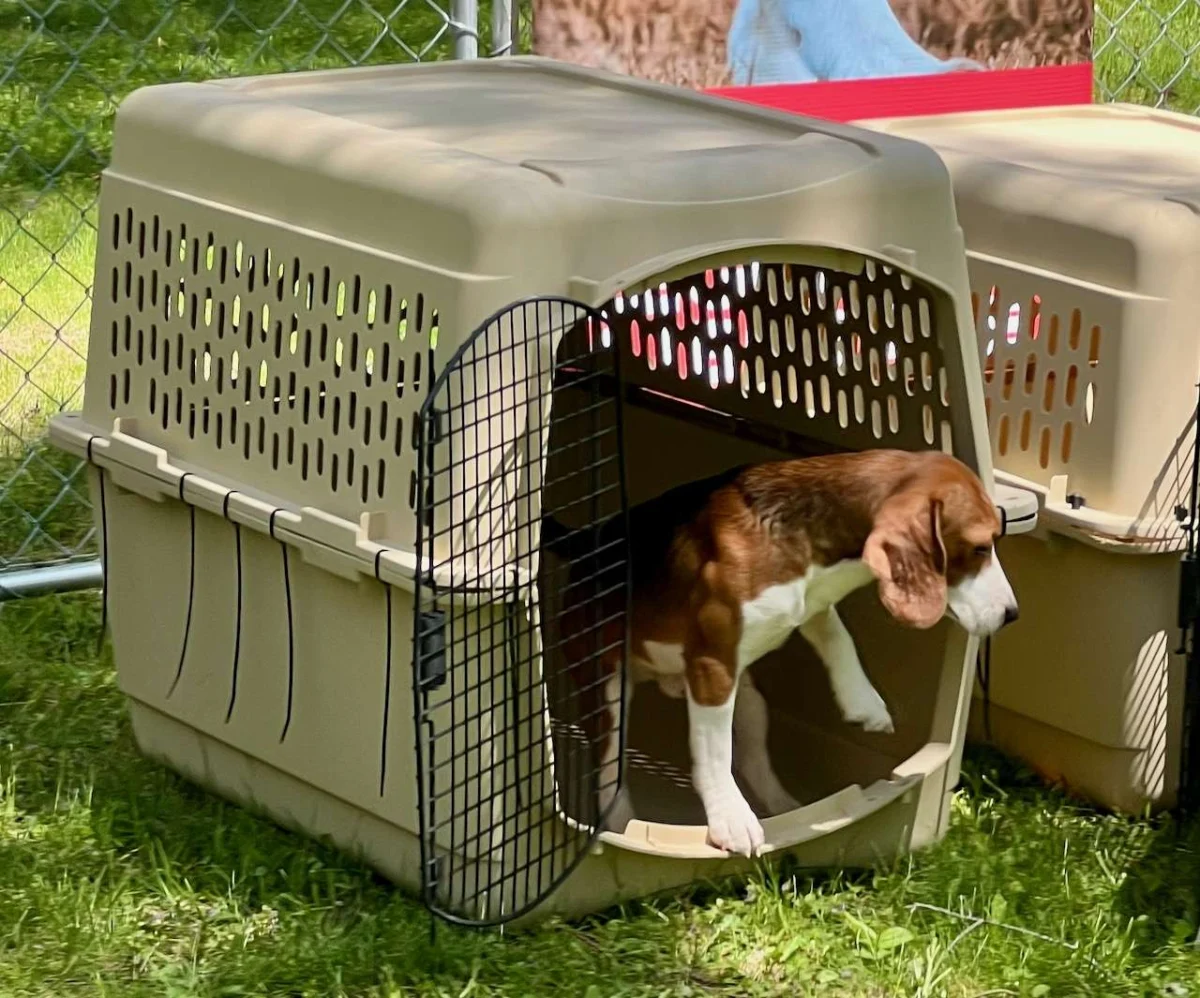
- The First Steps: The process of rehabilitation began immediately. One dog, in particular, captured the slow, laborious nature of this trauma. It took the animal nearly 45 minutes to muster the courage to place a single paw onto the grass. The repetition—lifting a paw, retreating, and trying again—served as a visceral reminder that for these animals, the world is not just new; it is overwhelming.
Supporting Data and Observations on Rehabilitation
The physiological and behavioral markers of these dogs provide a sobering look at the impact of institutional confinement. Experts at the shelter noted that the dogs struggled not only with fear but with the basic motor coordination required to navigate an open environment. Having spent their lives on wire flooring, the soft, uneven surface of the earth posed a significant sensory challenge.
However, the power of neuroplasticity and the capacity for dogs to bond remains extraordinary. As these animals begin their journey toward becoming family companions, they produce a surge of oxytocin in their caregivers—a biological testament to the bond that forms when we witness a life being reclaimed. The transition from "laboratory subject" to "beloved pet" is not instantaneous, but the resilience displayed by these dogs as they learn to navigate their back paws or explore the scent of a garden is a beacon of hope for the animal welfare movement.

Official Responses and Ethical Implications
The closure of the Ridglan Farms pipeline is a victory for animal rights activists who have spent years lobbying for more ethical standards in research supply chains. The facility’s decision to cease operations in exchange for avoiding further convictions for animal abuse speaks to the changing tide of public sentiment regarding the use of animals in laboratory settings.
From an ethical standpoint, the implications are significant. The shift away from traditional, large-scale breeding facilities suggests a growing institutional acknowledgment that the psychological welfare of research animals is a critical variable that can no longer be ignored. Organizations like the American Veterinary Medical Association (AVMA) continue to monitor these developments, emphasizing the need for transparency in how research animals are treated and, eventually, retired.

The "Wizard of Oz" Effect: A Return to Color
Amidst the heavy lifting of rescue work, nature provides a necessary sensory reset. The arrival of birds such as the Baltimore oriole and the Orchard oriole has transformed the local landscape, mirroring the transition from the monochromatic, sterile world of the laboratory to a life of vibrant possibility.
- Native Flora: Plants like the native honeysuckle, which has evolved in tandem with the anatomy of the hummingbird, remind us of the interconnectedness of life. When we see a hummingbird navigate a bloom, we are witnessing an ancient, beautiful partnership—a stark contrast to the human-imposed isolation of the laboratory.
- Seasonal Joy: The "smoking" of the prairie smoke flower, the arrival of the hummingbirds, and the constant, rhythmic song of the orioles provide a backdrop of normalcy. For those of us involved in rescue, these aren’t just aesthetic pleasures; they are essential components of our own mental health, providing the "breather" needed to return to the front lines of advocacy.
Looking Forward: Advocacy and Education
The work does not stop with this rescue. The coming weeks will see a continued focus on several critical areas of animal behavior and welfare:

- Addressing Canine ADHD: We are moving into a deeper exploration of neurodiversity in dogs, examining how we can better support animals who struggle with focus and impulse control in a world that often demands rigid compliance.
- Resource Accessibility: We are continuing our commitment to making educational resources more accessible through significant initiatives and sales on behavioral literature, ensuring that the knowledge required to heal traumatized dogs is available to those who need it most.
- Ongoing Advocacy: The story of the Ridglan beagles is far from over. We will continue to track their progress as they find their forever homes and provide updates on the long-term recovery of these remarkable survivors.
Conclusion: The Responsibility of Connection
In closing, the juxtaposition of the Ridglan rescue and the simple, fleeting beauty of a spring garden is intentional. We must never lose sight of joy, even when the work feels insurmountable. Whether it is a dog learning to walk on grass for the first time or a hummingbird finding its way to a nectar source, we are witnessing the triumph of life over limitation.
I encourage everyone to take a moment to engage with the animals in their lives—give them a gentle touch, a kind word, or a simple, quiet moment of connection. Our role as guardians and advocates is to be the bridge between their past trauma and their future joy. As we move forward into the next chapter of our work, let us carry the resilience of these beagles with us, remembering that while we cannot change the past, we can provide the space for a much brighter, more colorful future.

For more information on the ongoing efforts for the Ridglan beagles or to learn more about the behavioral principles of healing from trauma, please visit our resource center or follow our upcoming series on the science of animal rehabilitation.