As the autumn air gives way to freezing temperatures and daylight hours dwindle, horse owners across the globe face an annual equestrian conundrum: to clip or not to clip?
Anyone who has spent a frigid winter evening trying to cool down a sweaty, shaggy horse knows the frustration. A thick winter coat acts as an industrial-grade insulator, trapping body heat and moisture against the skin. Despite endless rounds of walking and vigorous toweling, a dense winter coat can take hours to dry completely, leaving the horse vulnerable to dangerous chills.
For many equestrian enthusiasts, clipping is a game-changer that dramatically improves equine comfort and health while saving precious hours of post-ride management. However, deciding whether to take the plunge requires a nuanced evaluation of a horse’s workload, living environment, and individual physiological needs.
Main Facts: The Core Debate of Winter Clipping
The primary objective of winter clipping is to bridge the gap between a horse’s natural physiology and the demands of modern human training schedules.
A horse with a full winter coat heats up rapidly during exercise—even in sub-freezing temperatures. When that heavy coat becomes saturated with sweat, its natural thermal-regulation properties fail. Instead of keeping the horse warm, the trapped moisture causes the animal to chill rapidly once resting, increasing the risk of respiratory issues or muscle stiffness.
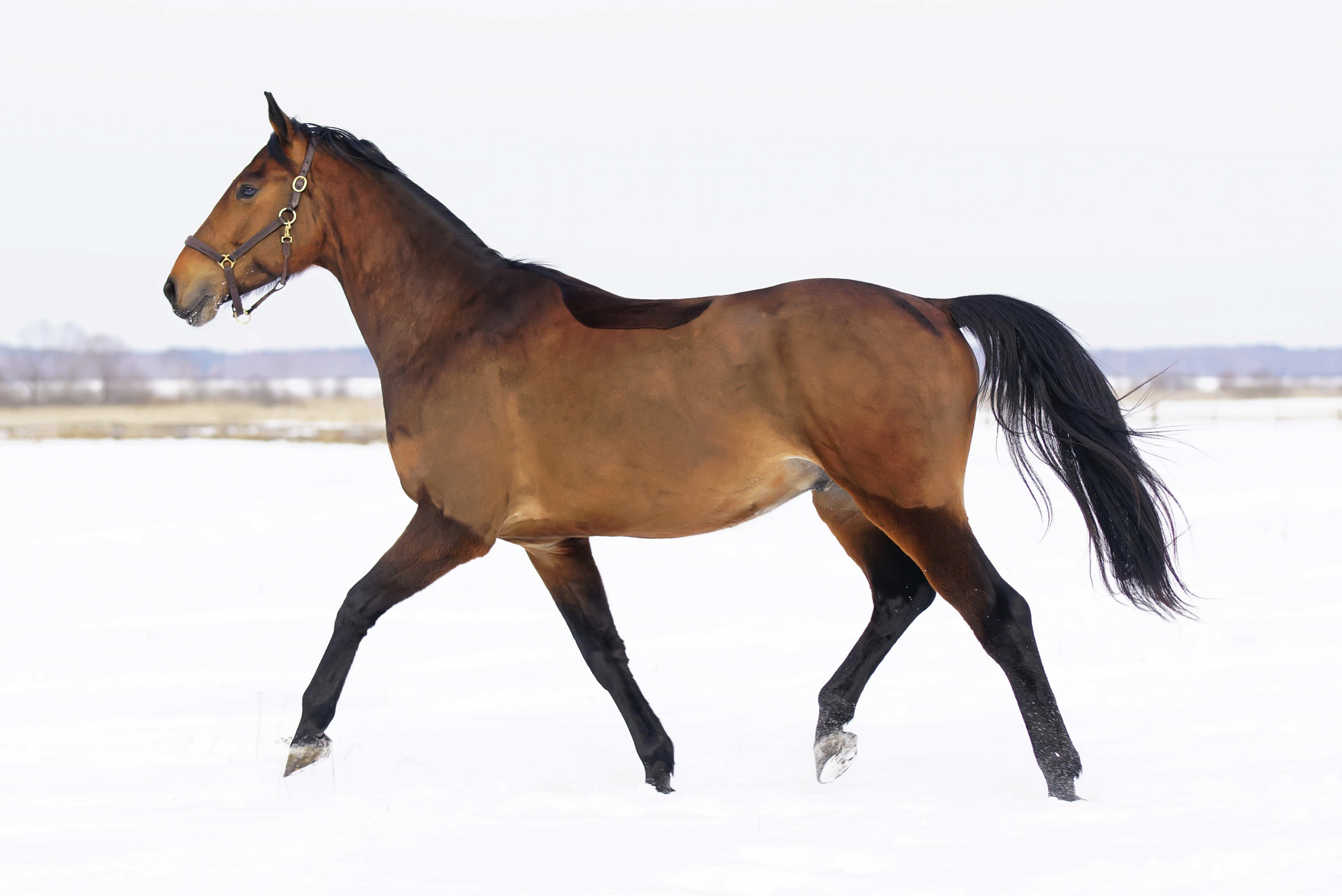
However, clipping is not a universal solution. It transforms a horse from a self-sustaining outdoor animal into one that requires active management. Clipped horses rely heavily on human intervention, including appropriate blanketing, reliable shelter, and daily monitoring of fluctuating weather conditions.
According to Alena Meacham, director of the Horse Riding Program in the University of Connecticut’s Department of Animal Science, identifying the right candidates is essential. A former intern with Olympic silver medalist Ann Kursinski and a seasoned trainer alongside Grand Prix jumper and dressage professionals, Meacham emphasizes that lifestyle and workload dictate the necessity of a winter cut.
Chronology and Timing: When to Break Out the Clippers
Timing is everything when it comes to managing an equine winter coat. The process generally follows a specific seasonal timeline designed to align with the horse’s natural biology.
1. Late Fall (October to December): The Initial Clip
Most horses can be clipped once their full winter coats have grown in, typically sometime between October and December depending on geographic region and climate. Owners can usually identify this window when the coat thickens significantly and post-ride cool-down times exceed 30 minutes.
2. Mid-Winter (January to February): The Maintenance Check
While a single clipping at the onset of cold weather is sufficient for most horses, those with exceptionally dense or fast-growing coats may require a second trim in January or February. However, caution must be exercised during this period.
"Some horses may need to be re-clipped depending on their rate of hair growth, but I avoid clipping later in the winter to prevent removing the early summer coat," Meacham cautions. Over-clipping too late in the season can interfere with the natural shedding cycle and leave the horse underprotected when spring transitions arrive.
Supporting Data: Assessing Workload and Health Indicators
Determining whether your horse needs a haircut comes down to a simple set of behavioral and physiological benchmarks.
Horses That Benefit from Clipping
- Heavy Work and Competition: Horses competing, training consistently, or working at moderate-to-heavy levels several times a week.
- Excessive Sweating: Animals that regularly break a heavy sweat during normal work and take longer than 30 minutes to cool down and dry off.
- Endocrine Conditions: Horses with metabolic or endocrine disorders, such as pituitary pars intermedia dysfunction (PPID, commonly known as Cushing’s disease), often grow abnormally thick, non-shedding coats. Strategic clipping provides immense relief for these animals, though it should always be coordinated with veterinary guidance.
Horses That Should Skip Clipping
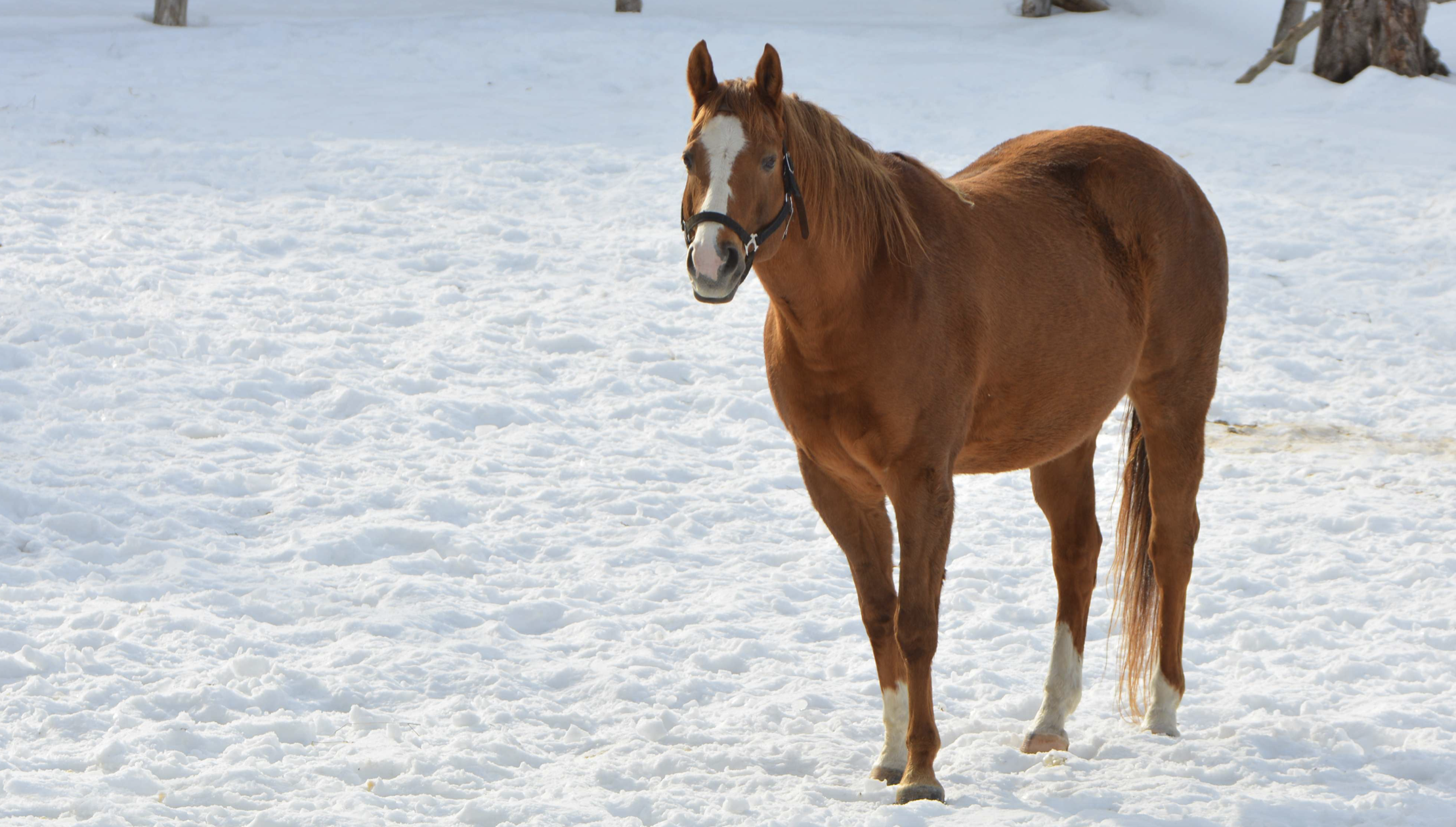
- 24/7 Outdoor Turnout: Horses living entirely outdoors generally require the full protection of their natural coats unless they are in very heavy work and provided with top-tier, managed blanketing.
- Light or Occasional Work: Horses ridden only once a week for a leisurely trail ride do not generate enough internal heat to warrant altering their natural coats.
- Age Extremes: Very old horses often struggle with natural temperature regulation and require their full coats for warmth. Similarly, young horses under the age of three are still developing their internal thermoregulatory systems and are generally better left unclipped.
Official Perspectives: Expert Insights from University of Connecticut
The decisions surrounding winter clipping carry real physiological consequences, making expert guidance invaluable. Alena Meacham, whose leadership has driven the UConn Equestrian, Dressage, and Western teams to multiple regional championships and national placements, sheds light on the indicators that signal a need for intervention.
"Horses in heavy work, competition, or those that sweat excessively and struggle to cool down and dry off are the most in need of winter clipping," Meacham explains. "These signs indicate that their thick winter coats may be interfering with comfort and recovery after exercise."
When it comes to the technical execution of the clip, preparation and precision are paramount. Meacham advocates for using the right tools at the right time. "I typically use size 10 blades for body clipping and wait until late fall, once the winter coat has fully come in," she notes.
Implications: The Mechanics and Management of a Clipped Horse
Clipping is not a passive aesthetic choice; it alters the management protocol for both horse and owner. Executing a safe and effective clip requires meticulous preparation and technical know-how.
Preparation and Technique
- Cleanliness: Thoroughly groom the horse to remove all dirt, mud, and loose hair. Trapped debris will dull clipper blades instantly.
- Environment: Choose a quiet, well-lit area, and ensure the horse is completely dry before beginning.
- Blade Selection: Horse clipper blade numbers dictate the length of the remaining coat. Higher numbers yield a shorter cut; lower numbers leave a longer coat. A #10 blade provides a close clip ideal for heavy work, while a #15 offers an even shorter finish. The general target is leaving a coat length of 1/8 to 1/4 inch—short enough to expedite cooling, but long enough to retain some natural protection.
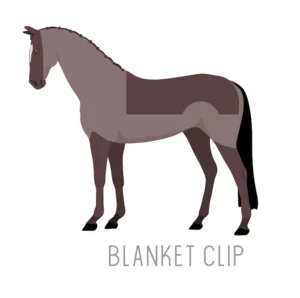
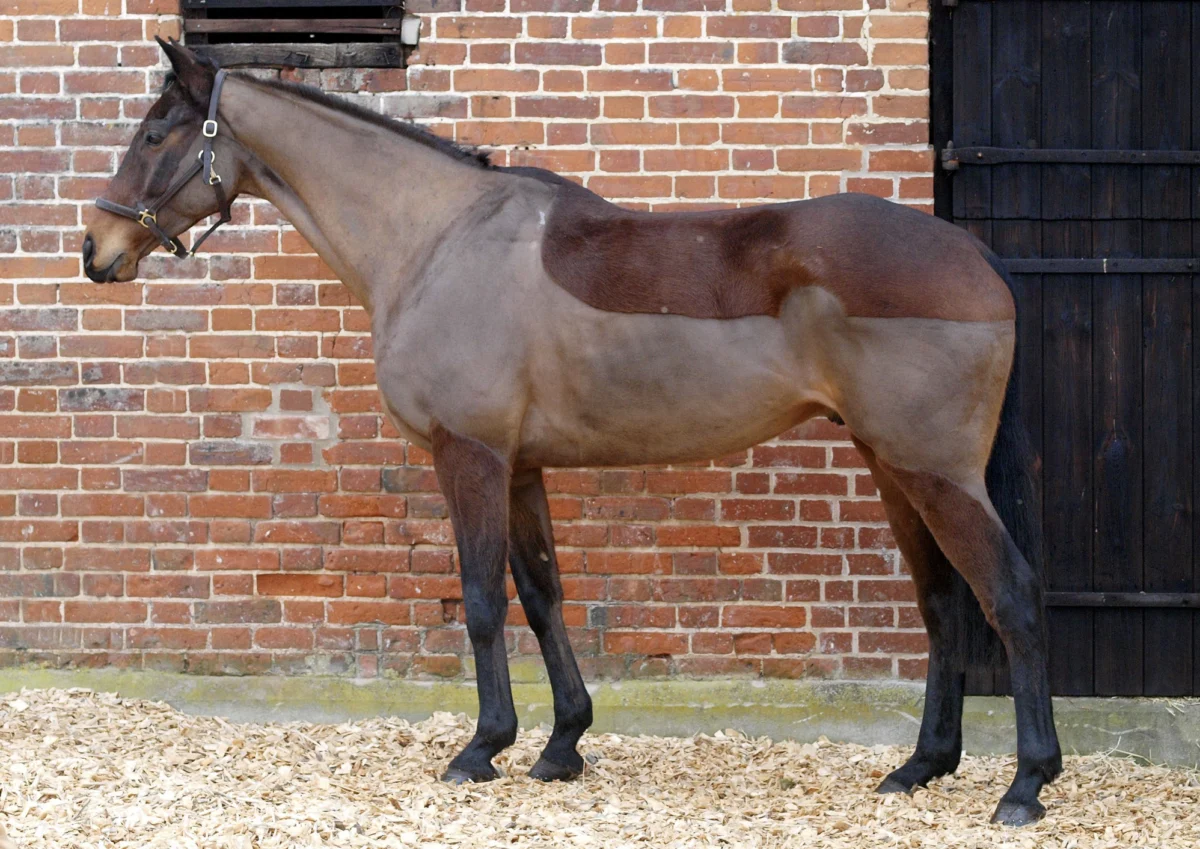
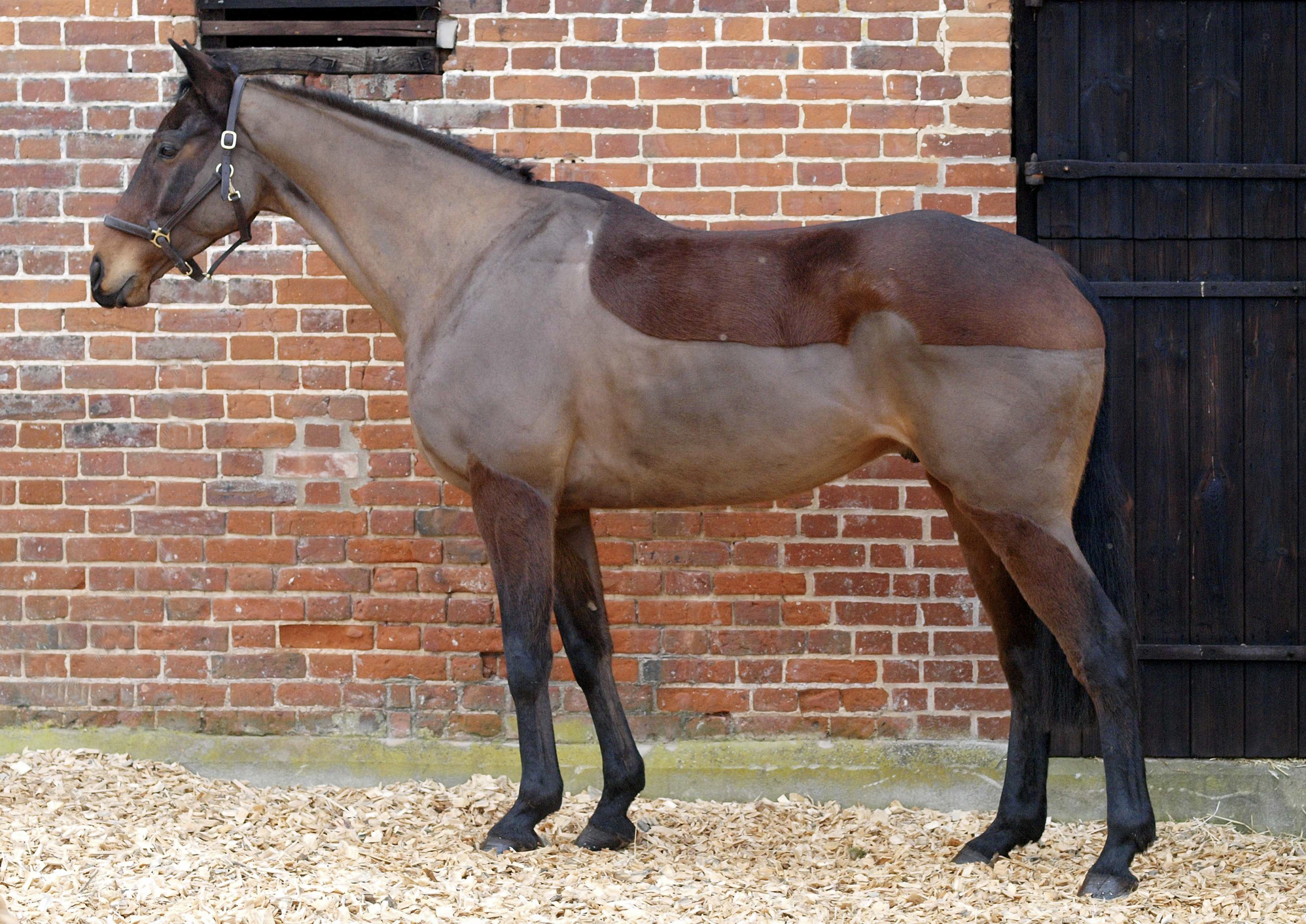
- Pattern Choice: Plan your pattern in advance. Popular options include the trace clip (removing hair from the chest, belly, and neck), the blanket clip (leaving hair on the back and loins to protect major muscle groups), and the full body clip. Using chalk to outline the pattern can prevent uneven lines.
- Execution: Work systematically against the direction of hair growth in long, overlapping strokes. Take frequent breaks to manage the horse’s stress and keep the blades cool using specialized cooling sprays or multiple sets of blades.
The Management Shift
Once a horse is clipped, the owner’s daily responsibilities expand. Frequent weather monitoring becomes mandatory. Owners must adjust blanket weights regularly to match ambient temperature swings, ensuring the animal neither overheats under heavy layers nor shivers in the cold.
The Bottom Line
For horses in regular work, proper clipping paired with rigorous blanketing management bridges the gap between peak athletic performance and winter comfort. However, because every horse is an individual with unique physiological needs, owners should consult with their veterinarian, local extension specialists, or experienced equestrians before making a final decision. What works seamlessly for a neighboring stable may not be the right prescription for your barn.