In the rhythm of a rural life defined by the needs of sheep and the companionship of dogs, Patricia McConnell—internationally renowned animal behaviorist and author—is currently navigating an unexpected convergence of physical limitation and professional milestones. As she prepares for the release of her upcoming novel, Away To Me, McConnell finds herself confronting a personal health challenge that mirrors the very patience and adaptive strategies she has long advocated for in canine training.
The Physical Challenge: A Lesson in Restraint
McConnell, a figure synonymous with the study of animal behavior, has recently been diagnosed with de Quervain’s tenosynovitis, a painful condition affecting the tendons on the thumb side of the wrist. Described by the author as "two pissed-off tendons squeezed inside of a vice," the diagnosis has necessitated a radical shift in her daily routine.
The primary medical prescription—immobilization of the affected hand—has introduced significant logistical hurdles for someone whose livelihood depends on high-volume writing and digital communication. Simple tasks, from operating door handles to the intricate mechanics of handwriting, have become sources of acute discomfort. For an author currently in the "promotion phase" of a book launch, the timing is particularly precarious. With hundreds of book signings scheduled across Wisconsin and Texas, McConnell is currently experimenting with left-handed penmanship, a pursuit she humorously notes currently yields results more akin to abstract expressionism than legible prose.
![The Evolution of Play [revisited]](https://www.patriciamcconnell.com/wp-content/uploads/2026/01/IMG_1061-1.jpeg)
Canine Behavioral Dynamics: A Retrospective on Play
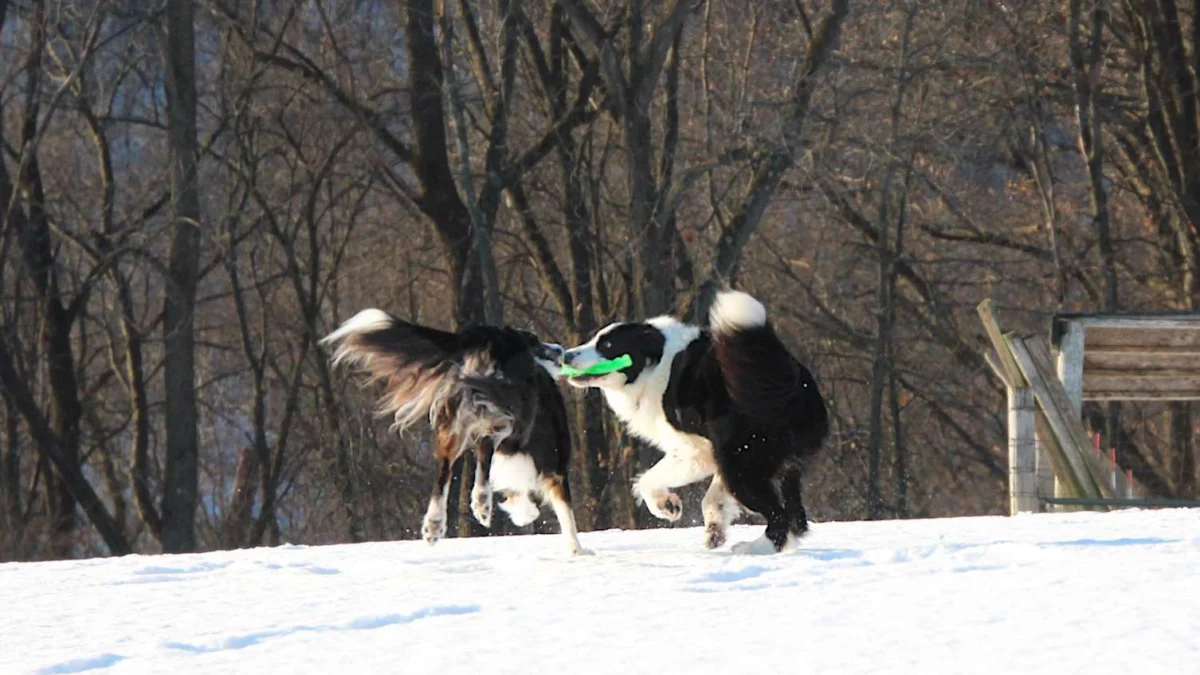
While managing her recovery, McConnell has redirected her focus toward the fundamental importance of canine play, resurfacing insights from her 2021 case study regarding her dogs, Skip and Maggie. Her observations provide a masterclass in behavioral modification and the nuances of social interaction between mismatched play styles.
The Evolution of a Relationship
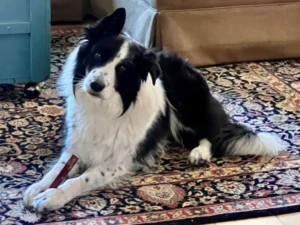
When Skip, a high-energy dog with a physical, "linebacker-style" approach to play, was introduced to the household, he initially lacked the crucial social skill of "self-handicapping." This failure to regulate his intensity led to a deterioration of the relationship with Maggie, who initially responded with withdrawal and fear.
McConnell’s approach to resolving this friction relied on four pillars:
![The Evolution of Play [revisited]](http://www.patriciamcconnell.com/wp-content/uploads/2026/01/IMG_1102.jpeg)
- Observation: Distinguishing between healthy, reciprocal play and predatory or bullying behavior.
- Protection: Utilizing recall and physical management (leashes and barriers) to intervene before the intensity escalated.
- Redirection: Teaching Skip to engage with toys, particularly tug-of-war, which allowed him to expend energy while providing Maggie a safe, controlled medium for interaction.
- Strategic Time-Outs: Implementing periods of calm to allow adrenaline levels to subside before re-engaging.
Through consistent, positive reinforcement and careful management of their environment, the two dogs transitioned from a state of conflict to one of genuine, mutual affection. The lesson, according to McConnell, is that play is not merely frivolous; it is a vital component of mental health, physical fitness, and social cohesion for dogs and humans alike.
Weathering the Elements: The Reality of Rural Life
The backdrop to these challenges is a particularly harsh winter on the farm. With temperatures plummeting to -16°F and windchills reaching -40°F, the demands of animal husbandry have increased significantly. McConnell provides a vivid illustration of the "cost of living" in a cold climate, detailing the layers of technical gear required just to perform basic farm chores.
The extreme weather also necessitated specialized care for the dogs. When the plummeting temperatures caused discomfort, McConnell employed PawsZ rubber boots, stuffed with raw wool from the barn, to protect the dogs’ pads from the frozen terrain. This proactive care underscores a recurring theme in McConnell’s work: the responsibility of the caregiver to recognize and mitigate environmental stressors that the animal cannot navigate alone.
![The Evolution of Play [revisited]](https://www.patriciamcconnell.com/wp-content/uploads/2021/02/IMG_5898.jpeg)
Official Milestones: The Launch of Away To Me
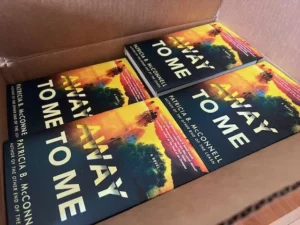
Despite the physical pain and the biting cold, the professional horizon remains bright. The upcoming release of Away To Me marks a significant transition in McConnell’s career as she moves from technical literature to the narrative world of fiction.
The transition from the solitary act of writing to the public act of promotion is a daunting shift for any author, but McConnell approaches it with her characteristic blend of humility and determination. Her scheduled book tour is a critical component of this launch, and she has expressed a profound desire for community engagement. Recognizing that not all readers can attend in person, she has facilitated opportunities for fans to order signed copies through independent retailers, ensuring that the physical limitations of her hand do not preclude her connection with her readership.
Implications: The Intersection of Resilience and Recovery
The current circumstances surrounding McConnell’s life offer a broader reflection on the nature of recovery—whether it is a dog learning to moderate its play, an author adapting to a hand injury, or a farm enduring a deep freeze.
![The Evolution of Play [revisited]](http://www.patriciamcconnell.com/wp-content/uploads/2026/01/IMG_1088-1.jpeg)
The Science of Resilience
The psychological impact of injury and recovery is well-documented in human behavior, and McConnell notes that her dogs are no exception. Reflecting on a period where Maggie refused to walk up a specific hill after witnessing Skip’s injury, McConnell highlights the "emotional imprint" that trauma can leave on an animal. Her subsequent success in re-conditioning Maggie to traverse the path through positive reinforcement serves as a template for how we might address our own setbacks.
The Role of Professional Support
As she awaits a cortisone shot and faces a recovery timeline of up to six months, McConnell remains grounded. She acknowledges the "triviality" of her current struggles in the context of global events, yet she emphasizes the importance of maintaining one’s own well-being to continue supporting others. Her transparency regarding her injury serves as a reminder that even those who study the complexities of behavior and resilience are subject to the same physical frailties as everyone else.
Conclusion: A Call for Connection
As the winter continues and the release date for Away To Me approaches, Patricia McConnell’s message remains consistent: the necessity of patience, the value of observation, and the healing power of shared joy. Whether through the lens of a dog’s play or the discipline of an author’s tour, the common thread is a commitment to growth.
![The Evolution of Play [revisited]](http://www.patriciamcconnell.com/wp-content/uploads/2026/01/IMG_1091.jpeg)
For those interested in following her progress, the upcoming tour dates in Wisconsin and Texas provide a window into the conclusion of this chapter. As she puts it, "May you find time for play, and all of its joys, in your life this week"—a reminder that regardless of the hurdles, the ability to find connection and happiness remains the most essential skill of all.
Summary of Key Data Points:
- Medical Diagnosis: De Quervain’s tenosynovitis (thumb/wrist tendon inflammation).
- Prognosis: 2–6 months for full recovery, with a scheduled cortisone injection in one month.
- Canine Management Strategy: Observation, Protection (recall), Redirection (toys/tug), and structured time-outs.
- Environmental Context: Record lows of -16°F with windchills down to -40°F, necessitating specific protective gear for both humans and livestock/dogs.
- Professional Status: Transitioning to fiction with the release of the novel Away To Me, with active promotion efforts underway.