Introduction: More Than Just a Trim
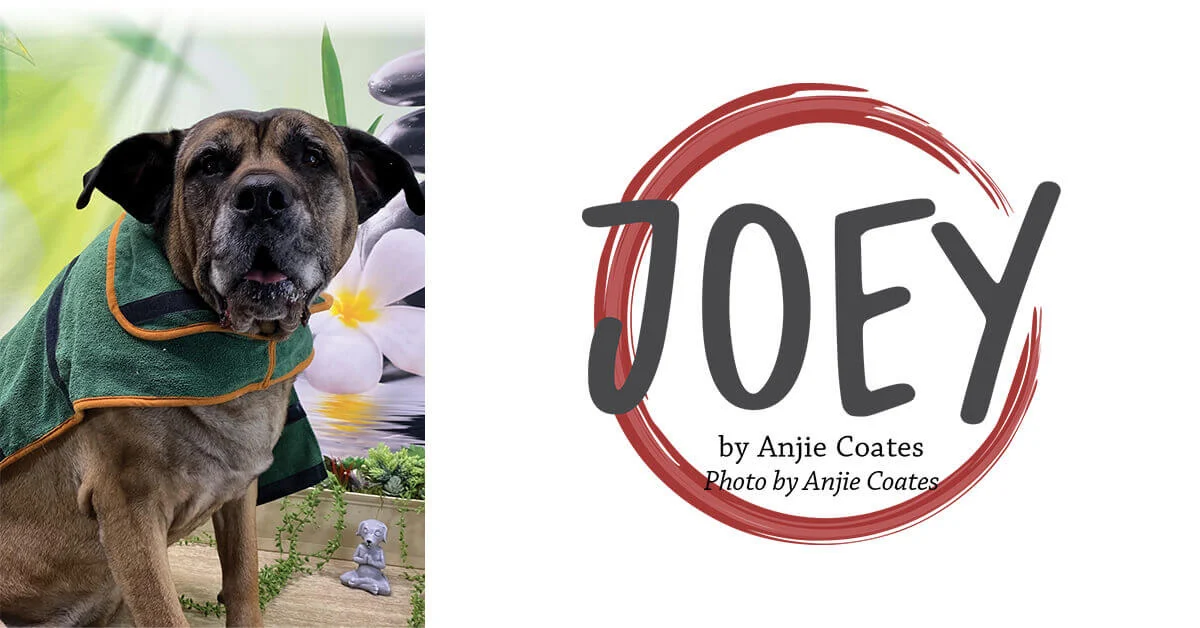
In the quiet, aromatic corner of a local professional grooming salon, a ritual unfolds with the rhythmic precision of a well-oiled machine. It is a monthly appointment that transcends the mere necessity of hygiene, evolving instead into a heartfelt dialogue between a seasoned groomer and one of their most charismatic regulars: Joey, an 11-year-old Boerboel.
At 11 years old, Joey—a breed renowned for its power and loyalty—is a geriatric titan of the grooming world. As he enters the salon, he carries with him the weight of a decade’s worth of personality, a hefty frame, and an endearing, if somewhat stubborn, sense of self-worth. This article explores the nuances of geriatric pet care, the importance of maintenance grooming for senior dogs, and the humorous, often surprising, social dynamics that occur between pets and their human handlers.
The Chronology of a Spa Day
The grooming session begins with a familiar routine. Joey, clearly accustomed to the process, maneuvers himself onto the grooming table. In what has become his signature move, the Boerboel opts to sit on his haunches, extending his massive front limbs toward his head—a posture that suggests a dog who is far more interested in leisure than in a haircut.
The Foot Maintenance Phase
The session commences with the grooming of the feet. This is not merely an aesthetic choice; it is a critical safety measure. The groomer carefully shaves the fuzz between the pads of Joey’s feet. For a senior dog, particularly a large breed like a Boerboel, traction is a matter of orthopedic health. Without this maintenance, the natural growth of hair on the pads can turn hardwood floors at home into treacherous ice rinks.
Joey, though wiggling in protest, eventually accepts the ticklish sensation as the price of his "gliding" lifestyle. His insistence that his tendency to slide across floors is a deliberate "gliding" technique serves as a lighthearted reminder of the unique personality traits that owners often project onto their pets—and the patient, corrective nature of the professional who cares for them.
Nail Care and the "Road Work" Debate
The next step involves nail filing. The groomer notes, with a hint of professional surprise, that the nails require little trimming. Joey’s consistent physical activity—which he refers to as "road work"—has naturally filed them down.
However, this leads to a humorous point of contention regarding the dog’s health. Joey expresses deep-seated frustration with his veterinarian, who had bluntly labeled him as "fat." As the groomer brushes through the Boerboel’s coat, the jiggling of his "rolls of chub" makes it difficult to offer a convincing defense of his physique. The exchange highlights the delicate balance between maintaining a senior dog’s weight for joint health and the simple joy of providing treats, which serve as the primary currency of the pet-groomer relationship.
Supporting Data: The Importance of Senior Grooming
While the interactions between Joey and his groomer are filled with warmth and humor, they underscore vital data regarding the care of senior dogs.
- Mobility and Traction: For senior dogs, hip and joint health is paramount. Groomers play a defensive role by ensuring that paw pads are cleared of hair, which directly reduces the risk of slipping, falling, and suffering avoidable injuries.
- Ear Health: During the cleaning process, the groomer notes an accumulation of "road dirt" in Joey’s ears. Regular ear cleaning is essential to prevent infections, especially in older dogs whose immune systems may not be as robust as they once were.
- Weight Management: The ongoing saga of Joey’s weight is a common narrative in veterinary and grooming circles. Obesity in large-breed dogs, such as the Boerboel, significantly exacerbates conditions like arthritis and hip dysplasia. The groomer’s insistence on a strict, healthy treat regimen—replacing large treats with small, broken-down pieces—is an essential intervention in the long-term health of the animal.
Professional Perspectives and Industry Standards
In the grooming industry, the rapport established with a long-term client like Joey is the gold standard. Professional groomers emphasize that the "spa day" is not just about cleanliness; it is about physical assessment. By spending an hour or more with a dog, a groomer can often spot lumps, bumps, or behavioral changes that an owner might miss in the hustle of daily life.
"Love is drool," Joey’s owner—the groomer—frequently hears. This philosophy encapsulates the professional’s approach: managing the messy, physical realities of the animal while maintaining a bond of affection. The use of a "drool rag" is a standard tool of the trade, but it is also a symbol of the patience required to handle large, affectionate breeds that do not always realize their own size or messiness.
Implications for Pet Owners
The narrative of Joey’s grooming session holds several implications for owners of senior dogs:
- Communication is Key: Even if a dog cannot speak, their behavior during grooming—wiggling, sitting, or avoiding touch—is a form of communication. Paying attention to these signals can alert owners to discomfort or anxiety.
- The Power of Positive Reinforcement: The use of treats, even when portion-controlled, is a vital motivator. By breaking a treat into multiple, smaller pieces, the groomer satisfies the dog’s desire for a reward without compromising the weight-loss goals set by the vet.
- Professional Partnerships: A groomer is an extension of the veterinary care team. Regular professional grooming provides a platform for health monitoring that extends beyond the annual check-up.
Conclusion: The "Best Boy" Standard
As the session concludes, the final act is a photo shoot. Joey’s eagerness to reach the designated platform, despite the groomer’s playful warnings, demonstrates the success of the positive reinforcement model.
Joey, a dog who once thought of himself as merely "gliding," leaves the salon with a fresh coat, clean ears, and a sense of accomplishment. The interaction, while filled with the humorous back-and-forth between a human and their canine companion, highlights the profound dedication required to keep a senior dog healthy and happy. Whether it is managing weight, ensuring safety on slippery floors, or simply providing a few pieces of freeze-dried liver, the goal remains the same: ensuring that the "best boy" gets to enjoy many more spa days to come.
In the end, as the groomer confirms that "regular-sized treats" are a possibility if the "road work" continues, Joey’s satisfaction is palpable. It is a testament to the fact that, at any age, a little bit of care, a lot of patience, and the right motivation can keep a giant heart beating strong.