DESCHUTES COUNTY, Oregon — The Oregon State Department of Agriculture has confirmed a localized outbreak of pigeon fever within Deschutes County, impacting the local equestrian community and prompting immediate biosecurity protocols. Four horses have tested positive for the bacterial infection, while a yet-undetermined number of other equines have been identified as potentially exposed. In response to the diagnoses, regulatory authorities have placed all affected and exposed premises under strict quarantine to prevent further transmission throughout the Pacific Northwest.
The initial alert was disseminated through the Equine Disease Communication Center (EDCC) network, highlighting the persistent threat that vector-borne and environmental pathogens pose to regional livestock populations. As local veterinarians mobilize to contain the spread, equine industry stakeholders are urging heightened vigilance, rigorous sanitation measures, and immediate reporting of suspicious symptoms.
Main Facts
The current outbreak in Deschutes County centers around a bacterial pathogen known scientifically as Corynebacterium pseudotuberculosis. This organism is the causative agent of pigeon fever—historically referred to as "dry land distemper"—which primarily affects horses and, less commonly, small ruminants and cattle.
Key details of the Deschutes County incident include:
- Confirmed Cases: Four horses have officially tested positive via veterinary diagnostics.
- Exposed Population: Numerous other horses residing on the same or neighboring properties have been flagged as potential contacts.
- Regulatory Status: Quarantines have been legally imposed on the affected facilities by the Oregon State Department of Agriculture, restricting the movement of all equines on and off the premises.
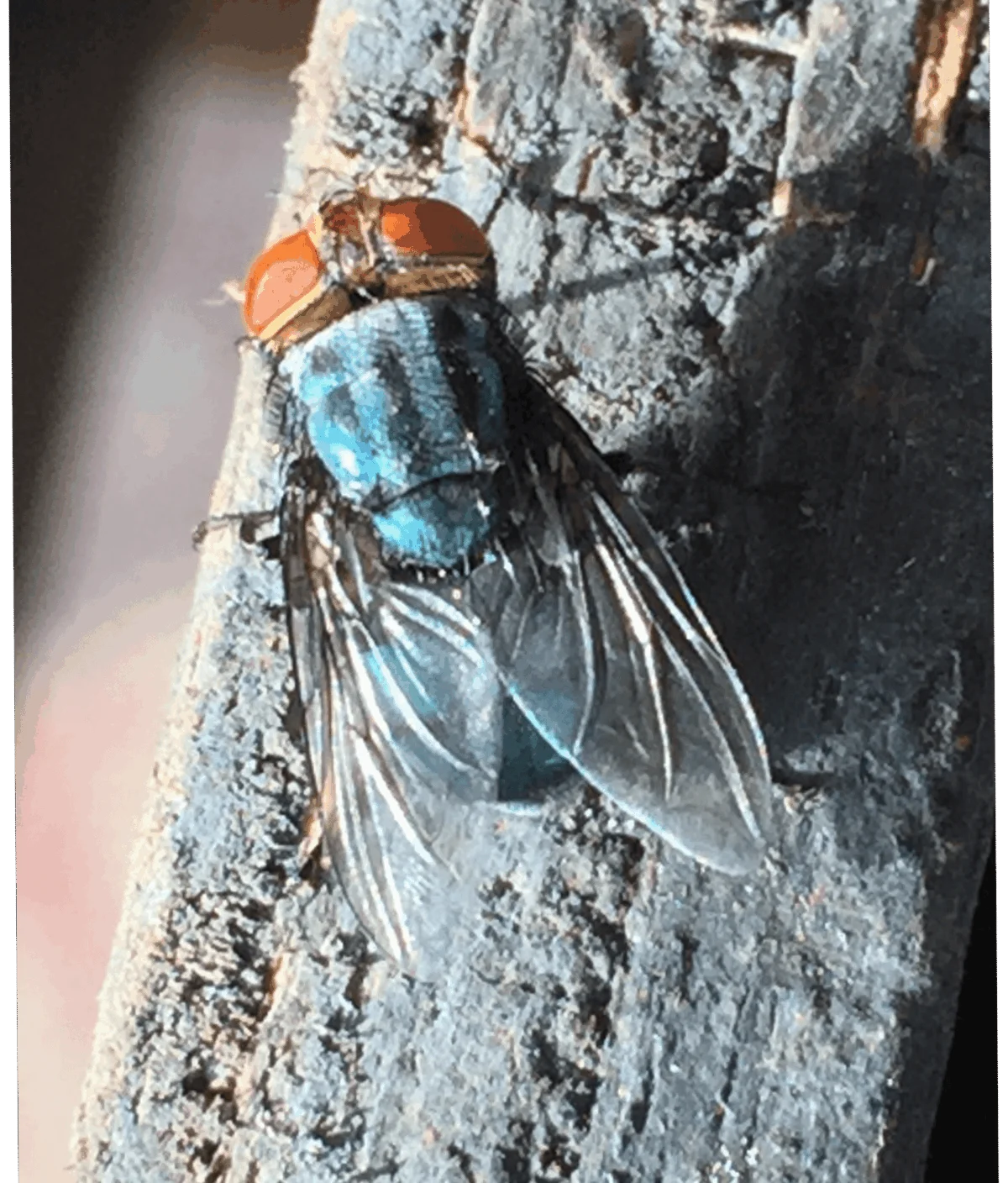
- Transmission Vector: Infection occurs when the bacterium enters the equine host through breaks in the skin, insect vectors (such as houseflies and stable flies), or contaminated soil and equipment.
- Clinical Presentation: The infected animals are currently exhibiting characteristic signs of the disease, most notably large, painful abscesses located predominantly on the pectoral muscles (chest) and the ventral midline (under the belly).
Veterinary epidemiologists emphasize that while pigeon fever is rarely fatal when treated appropriately, the physical toll on the animal and the economic disruption caused by property quarantines can be significant for owners, boarding facilities, and regional event organizers.
Chronology of the Outbreak
The discovery of pigeon fever in Deschutes County follows a timeline characteristic of late-summer and autumn vector activity in the western United States. While the exact index case remains under investigation by state agricultural authorities, the sequence of events leading to the current quarantine provides insight into how rapidly the condition can manifest within a herd.
Late Summer: Environmental Precursors
Months prior to the official diagnoses, regional weather patterns created ideal conditions for the proliferation of vector insects. Warm, dry summers followed by mild autumns frequently correlate with spikes in Corynebacterium pseudotuberculosis populations in the soil. During this window, horses grazing in dry pastures or housed in dusty dry-lots are at elevated risk of acquiring minor abrasions on their lower limbs, chest, or flanks.
Early Fall: Initial Clinical Manifestations
Owners of the affected horses first noticed localized swellings on the pectoral regions of their animals. Initially suspected to be minor kick injuries or insect bites, the swellings rapidly enlarged over the course of several days, becoming warm, painful to the touch, and eventually developing central fluctuance—indicating the formation of internal abscesses.
Diagnostic Confirmation
Upon noticing the rapid progression of the swellings, property managers contacted local veterinary practitioners. Physical examinations, coupled with ultrasound imaging and aspiration of the purulent exudate, confirmed the presence of Corynebacterium pseudotuberculosis. Samples were subsequently sent to state-approved reference laboratories, where cultures and PCR tests definitively validated the pigeon fever diagnosis.
State Intervention and Quarantine Implementation
Upon receiving the laboratory confirmations, attending veterinarians immediately notified the Oregon State Department of Agriculture, in accordance with state reporting guidelines. State agricultural officers acted swiftly, issuing quarantine orders for the primary premises. These containment measures require that no horses leave or enter the properties until state veterinarians lift the restrictions following full clinical recovery and environmental decontamination.
Supporting Data and Epidemiological Context
Pigeon fever is an endemic disease in several regions of the United States, particularly in the western, southwestern, and western coastal states, as well as parts of Canada. However, sporadic outbreaks in areas like Central Oregon remind the agricultural community of the disease’s opportunistic nature.
Understanding the Pathogen
Corynebacterium pseudotuberculosis is a facultative intracellular bacterium. This means it has the ability to survive and multiply within the host’s white blood cells, allowing it to evade the immune system and persist in chronic infections. The organism can survive in the soil for months, particularly in organic matter rich in manure and dust, making pastures and paddocks persistent reservoirs.
Three Primary Clinical Forms
Veterinary data categorizes pigeon fever into three distinct clinical presentations, of which the Deschutes County cases currently represent the most common:
- External Abscessation (Pectoral Abscesses): Accounting for roughly 80% to 90% of all cases, this form involves the formation of deep-seated abscesses on the chest, ventral abdomen, groin, and occasionally the throat latch or limbs. Once mature, these abscesses rupture and drain thick, odorless, pale green or cream-colored pus.
- Internal Infection: A more severe and less common manifestation (occurring in less than 10% of cases) where abscesses form in internal organs such as the liver, spleen, kidneys, or lungs. Horses with internal pigeon fever often display vague symptoms including chronic weight loss, fever, lethargy, and poor appetite.
- Ulcerative Lymphangitis: An infection of the lymphatic vessels of the lower limbs, resulting in severe swelling, lameness, and ulcerating nodules along the legs.
Seasonal Trends and Environmental Factors
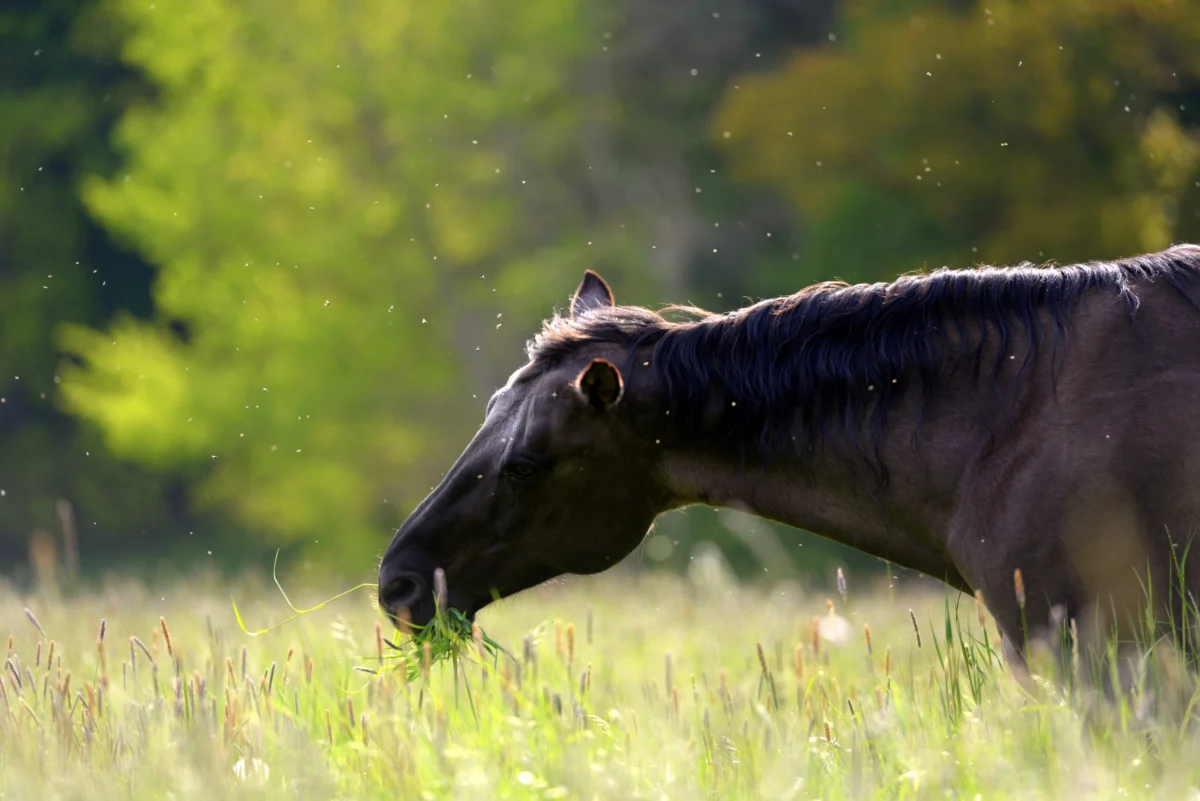
Data from the EDCC consistently highlights a seasonal peak for pigeon fever from late summer through late autumn. During these months, dry soil conditions generate significant dust, which irritates equine skin and respiratory tracts, while biting insect populations—implicated as mechanical vectors of the bacteria—are at their annual zenith.
Official Responses and Stakeholder Actions
In the wake of the Deschutes County outbreak, agricultural and equine health organizations have mobilized to provide guidance, resources, and oversight.
Oregon State Department of Agriculture (ODA)
The ODA has stepped up monitoring efforts and is working closely with private practitioners in Central Oregon. State veterinarians stress that while the quarantines are burdensome for horse owners, they are a necessary legal and biological firewall to prevent regional dissemination. The ODA has released guidelines urging all livestock owners within Deschutes County and adjacent counties to monitor their animals closely, practice strict hygiene, and immediately report any signs of atypical swelling.
The Equine Disease Communication Center (EDCC)
Through its collaborative network, the EDCC has disseminated real-time alerts to veterinarians, farm managers, and horse owners nationwide. By utilizing verified data streams, the EDCC ensures that accurate information counteracts panic and misinformation on social media.
“The EDCC is an independent nonprofit organization that is supported by industry donations in order to provide open access to infectious disease information,” notes the organization’s operational charter. Through programs like EDCC Health Watch, equine networks can swiftly distribute actionable intelligence derived directly from state veterinarians and diagnostic laboratories.
Veterinary Community Recommendations
Local equine veterinarians are advising clients to implement rigorous biosecurity protocols on their properties. Essential mitigation strategies include:
- Fly Control: Utilizing physical barriers (fly sheets, masks), environmental management (removing standing water, managing manure), and chemical deterrents (sprays, feed-through larvicides) to minimize insect vectors.
- Wound Management: Immediately cleaning and treating all minor cuts, scrapes, and abrasions with antiseptic solutions to prevent bacterial entry points.
- Sanitation of Equipment: Regularly disinfecting grooming tools, tack, buckets, and shared farm equipment between uses on different animals.
- Isolation Protocols: Quarantining any new arrivals to a property for a minimum of 21 days and housing symptomatic horses separately from healthy herdmates.
- Safe Disposal of Purulent Material: Because the discharge from pigeon fever abscesses is heavily contaminated with infectious bacteria, veterinarians stress that all bandages, bedding, and drained pus must be disposed of carefully, avoiding contamination of pastures or water sources.
Implications for the Regional Equine Industry
The emergence of pigeon fever in Deschutes County carries broad operational, financial, and psychological implications for the local equine community, which boasts a vibrant culture of trail riding, breeding, boarding, and competitive equestrian sports.
Economic and Logistical Impacts
Quarantined facilities face immediate disruptions. Boarding stables under state restrictions cannot accept new clients or permit resident horses to travel to off-site training sessions, local shows, or trailheads. For competitive riders and professional trainers, these restrictions can derail seasonal campaigns and lead to financial losses. Furthermore, veterinary treatment costs—ranging from diagnostic imaging and routine wound flushing to prolonged antibiotic therapies in complex cases—can accumulate quickly for affected owners.
Heightened Industry Awareness
Despite the localized challenges, regional agricultural leaders view the outbreak as an educational opportunity. Equine welfare organizations are utilizing the Deschutes County incident to reinforce the broader importance of preventative herd health. By highlighting how easily environmental pathogens take advantage of dry conditions and minor skin trauma, the outbreak serves as a timely reminder that biosecurity is a year-round responsibility rather than a reactive measure.
Long-Term Outlook
As state veterinary officers continue to monitor the quarantined premises in Deschutes County, the primary objective remains the complete resolution of active clinical signs and the prevention of secondary spread. With cooler autumn temperatures beginning to suppress insect vector populations and bring relief from the dry summer dust, public health officials remain cautiously optimistic that the outbreak will be successfully contained within the currently designated perimeter.
Horse owners throughout Central Oregon are encouraged to remain vigilant, consult their veterinarians at the first sign of unexplained swelling or systemic illness, and support ongoing biosecurity initiatives championed by organizations like the EDCC and the Oregon State Department of Agriculture.