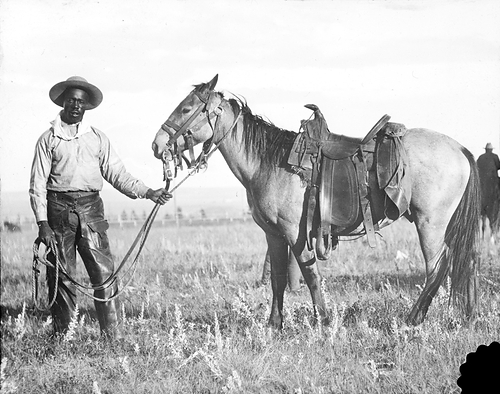
DALLAS — The narrative of the American West has long been dominated by a singular cinematic image: the rugged, solitary white cowboy driving cattle across dusty plains. However, this enduring myth overlooks a foundational truth of American history—that roughly one in four cowhands on the historic cattle trails was Black.
Beginning October 9, 2026, and running through April 18, 2027, the Dallas Holocaust and Human Rights Museum (DHHRM) will challenge these long-held historical omissions with the opening of a powerful traveling exhibition, Black Cowboys: An American Story. Originally developed and curated by the renowned Witte Museum in San Antonio, Texas, the exhibition illuminates the lives, labor, and enduring legacies of the enslaved and free Black men, women, and children who helped build the infrastructure of the American frontier from the antebellum era through the turn of the 20th century.
Spanning personal artifacts, historical photography, and an exclusive tribute to a modern legend, the exhibition aims to reshape how North Texas and the broader nation understand the shaping of the American West.
Main Facts: Reclaiming a Hidden Heritage
Black Cowboys: An American Story presents a comprehensive look at a demographic whose contributions were routinely marginalized in popular culture, literature, and early historical accounts.
- Exhibition Dates: October 9, 2026 – April 18, 2027.
- Location: The Dallas Holocaust and Human Rights Museum, located in downtown Dallas.
- Origins: Created by the Witte Museum in San Antonio, Texas, in collaboration with a steering committee of scholars, community leaders, and contemporary Black ranchers.
- Core Focus: The exhibition tracks the lives of Black individuals who labored on Texas ranches, managed massive cattle drives, trained horses, and handled livestock in the face of immense racial prejudice and institutional adversity.
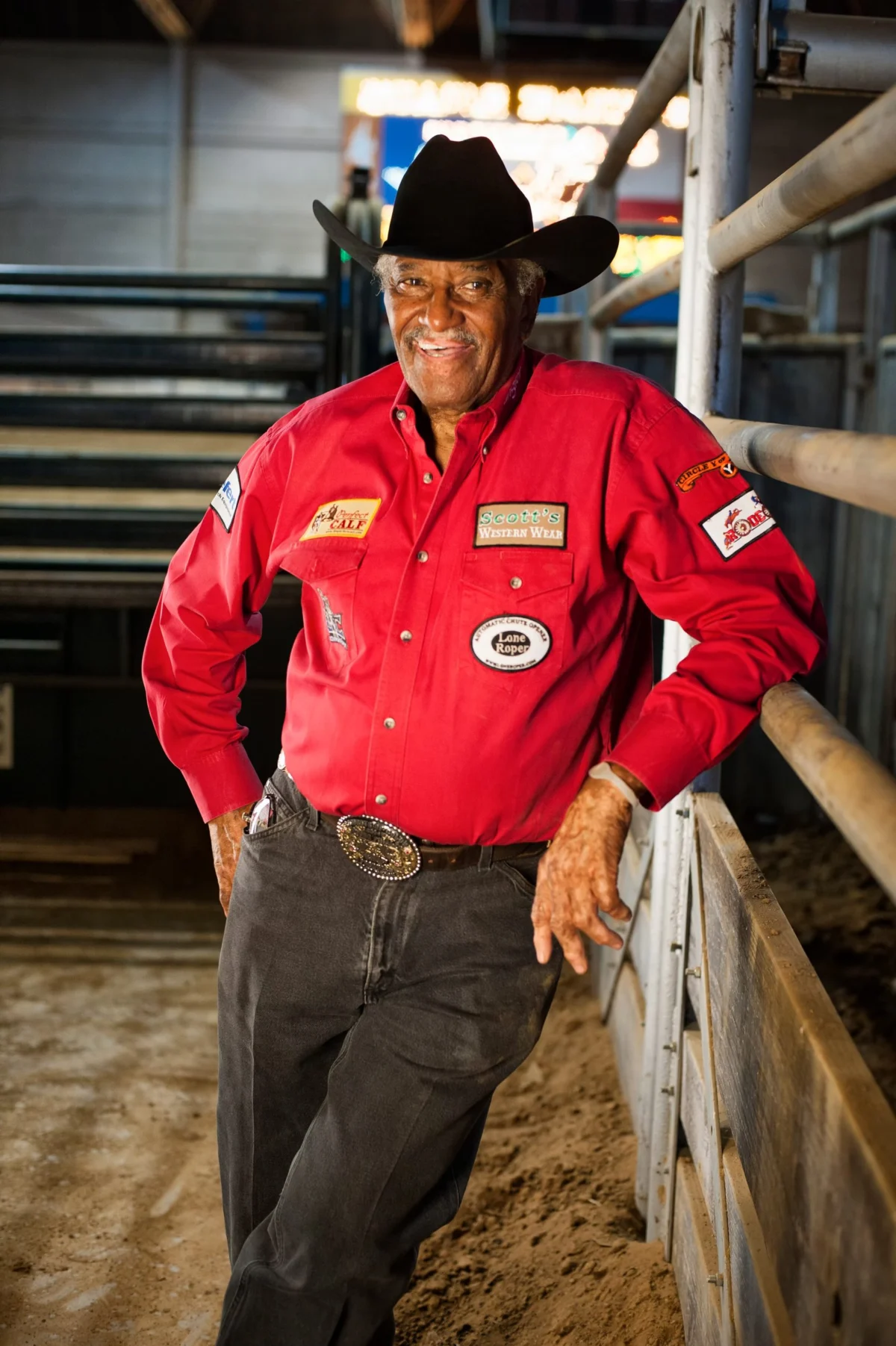
- Local Significance: The Dallas installation features a unique, dedicated section honoring the late Cleo Hearn—affectionately known as "Mr. Black Rodeo"—celebrating his pioneering role in preserving and performing Black cowboy history.
Chronology: From Antebellum Labor to Modern Cultural Iconography
To fully appreciate the scope of the exhibition, historians and curators trace the timeline of the Black cowboy through distinct eras of American history:
Pre-Civil War and the Antebellum Era (Prior to 1865)
Long before the romanticized cattle drives of the post-Civil War era, enslaved Black men, women, and children provided the essential agricultural and ranching labor in Texas. Working under brutal conditions, they acquired expert horsemanship, cattle-handling, and navigational skills that formed the backbone of the nascent Texas livestock industry. Slaveholders frequently relied on the specialized expertise of enslaved cowhands to manage large herds and oversee daily ranch operations.
The Great Cattle Trail Era (1866–1890s)
Following the Civil War, the demand for beef in northern markets ignited the great cattle drive era. Hundreds of thousands of cattle were driven northward from Texas along routes like the Chisholm and Western trails. Statistically, one out of every four cowboys on these dangerous, months-long journeys was Black. Operating away from the immediate legal restrictions of the Jim Crow South, many Black cowboys found a degree of professional autonomy on the trail, where skill, grit, and reliability often mattered more than skin color—though systemic racism remained a constant shadow.
Evolution and Adaptation (Turn of the 20th Century to 1950s)
As barbed wire enclosed the open range and railroads replaced long cattle drives, the traditional cowboy lifestyle transformed. Black cowhands adapted their formidable skills to new arenas. Many established independent ranches, while others transitioned into law enforcement, serving as deputy U.S. marshals and local lawmen across the Western territories. Later, their talents found a new stage in the burgeoning entertainment industry, influencing early rodeo circuits, western films, and country music.
The Modern Reclamation (Late 20th Century to Present)
Trailblazers like Cleo Hearn emerged in the latter half of the 20th century to ensure that the heritage of the Black cowboy was not erased by Hollywood or mainstream history books. By founding organizations like the Cowboys of Color Rodeo, modern horsemen brought visibility back to communities that built the West, inspiring contemporary explorations of Black cowboy culture in fashion, design, music, and film.
Supporting Data: The Economics and Demographics of the Frontier
The historical weight of Black Cowboys: An American Story is anchored in meticulous demographic and historical research compiled by the Witte Museum and academic partners:
- The 25% Rule: Historical records, census data, and trail tallies indicate that approximately 25% of all cowhands working the North- and West-bound cattle trails from Texas were Black men.
- Economic Drivers: In the decades following the Civil War, Texas cattle were worth millions of dollars to a rebuilding southern economy. The expertise of Black drovers was central to successfully navigating herds across swollen rivers, through hostile territory, and past rustlers, directly fueling Texas’s post-war economic recovery.
- Diverse Roles: While trail driving is the most famous occupation, research highlighted in the exhibit shows Black Westerners working as brand inspectors, chuckwagon cooks, horse trainers, rodeo champions, and entrepreneurs who owned vital watering holes and supply stations along the trails.
- Artifact Count: The exhibition features dozens of authenticated items—ranging from authentic 19th-century saddles, spurs, and lassos to rare period photographs, legal documents, and personal letters—offering tangible proof of lives lived on the frontier.
Official Responses and Curatorial Perspectives
Museum leadership and project organizers emphasize that the exhibition is designed not only to educate, but to foster empathy and challenge preconceived notions about American history.
Mary Pat Higgins, President and CEO of the Dallas Holocaust and Human Rights Museum, underscored the broader cultural relevance of the installation:
"Black Cowboys: An American Story is a powerful exhibition that brings to life the remarkable men, women and children who played a vital role in shaping the American West despite facing immense adversity," Higgins said. "By bringing these too-often overlooked stories to North Texas, we hope visitors of all ages leave with a deeper appreciation of the American West’s history, and an understanding of how expanding our view of our shared past can challenge assumptions and help us better understand one another today."
Dr. Michelle Everidge, President and CEO of the Witte Museum, highlighted the collaborative process required to bring these authentic narratives to light:
"The individual stories of Black cowboys, illustrating courage in the face of discrimination, skill despite great odds, and success through generations as ranchers and leaders in their field, are powerful," Everidge noted. "The Witte Museum was privileged to work closely with an outstanding steering committee and advisors, including community leaders, scholars and Black cowboys and ranchers, to create this unparalleled exhibition, which reveals what life was like for Black cowboys during this time."
Honoring "Mr. Black Rodeo": The Cleo Hearn Tribute
A centerpiece of the Dallas exhibition is its unique tribute to Cleo Hearn, a native of Lancaster, Texas, who passed away in 2025. Hearn dedicated his life to education and athletic excellence, breaking racial barriers in competitive rodeo. As the co-founder of the American Black Cowboy Association and the visionary behind the Cowboys of Color Rodeo, Hearn earned the moniker "Mr. Black Rodeo."
The Dallas installation features a special curated section showcasing Hearn’s personal prize saddle, boots, spurs, and photographs, preserving the memory of a man who bridged historical legacy with modern celebration.
Implications: Expanding the Narrative of the American Identity
The arrival of Black Cowboys: An American Story at the Dallas Holocaust and Human Rights Museum carries profound implications for cultural education in Texas and across the United States.
1. Dismantling Monolithic Historical Narratives
For generations, popular culture presented the American West as an exclusively white domain. By presenting empirical evidence of a multi-ethnic frontier, the exhibition disrupts monolithic historical myths. It demonstrates that the building of the American West was a collaborative, albeit often conflict-ridden, enterprise involving diverse populations.
2. Promoting "Upstander" Values Through History
Aligning directly with the core mission of the DHHRM—which teaches the history of the Holocaust and human rights to combat prejudice, hatred, and indifference—the exhibition highlights resilience in the face of systemic oppression. By exploring how Black cowboys maintained dignity, professional pride, and community bonds under Jim Crow and post-slavery restrictions, the museum provides visitors with historical models of "Upstanders" who refused to let adversity define their character or limit their contributions.
3. Inspiring Contemporary Culture and Representation
The legacy of the Black cowboy extends far beyond the history books. Today, this heritage experiences a vibrant renaissance in contemporary music, high fashion, independent filmmaking, and equestrian sports. By anchoring these modern cultural expressions in deep historical roots, the exhibition validates the ongoing cultural contributions of Black Americans to the enduring mythos of the American West.
Exhibition Support and Ticketing Information
Black Cowboys: An American Story is presented by Bank of America, with generous support from the John L. Santikos Charitable Fund of the San Antonio Area Foundation, H-E-B, and the Ed Rachal Foundation.
Additional key support is provided by the Jean Baptiste “Tad” Adoue III Fund of the Dallas Foundation, American Airlines, Dallas Tourism Public Improvement District, H-E-B/Central Market, and NFI Industries.
Plan Your Visit
- Dates: October 9, 2026 – April 18, 2027
- Venue: Dallas Holocaust and Human Rights Museum
- Address: 300 N. Houston St., Dallas, TX 75202
- Tickets & Reservations: Advance ticket booking is strongly recommended. Visitors can reserve their timeslots and find educational resources online by visiting dhhrm.org/black-cowboys-an-american-story.
About the Dallas Holocaust and Human Rights Museum
Founded in 1984 by a dedicated group of Holocaust survivors, the Dallas Holocaust and Human Rights Museum is dedicated to teaching the history of the Holocaust and advancing human rights to combat prejudice, hatred, and indifference. Through world-class exhibitions, innovative educational programs, and community outreach, the Museum empowers visitors of all backgrounds to stand up against injustice and make a positive difference in their communities. For more information, visit DHHRM.org or call (214) 741-7500.