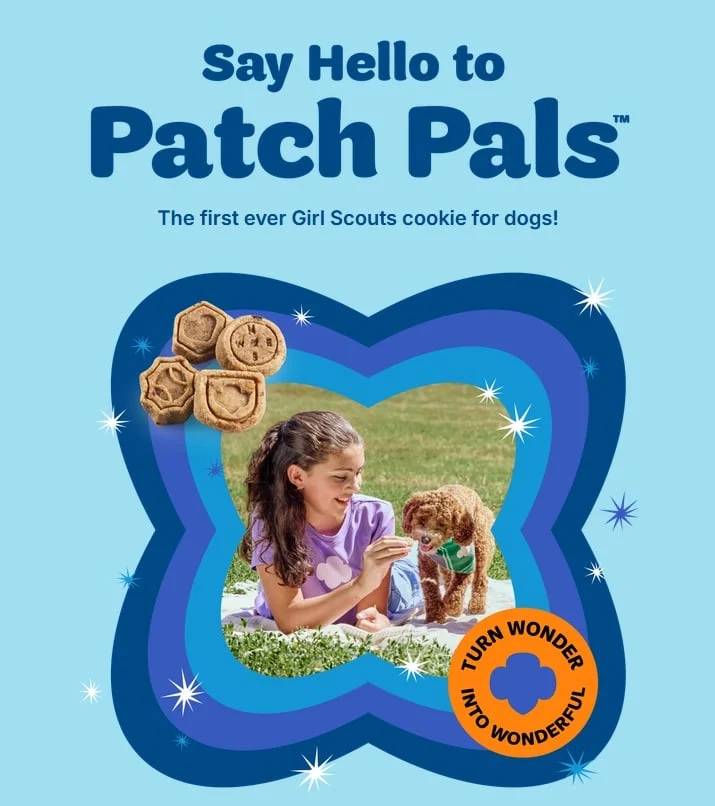
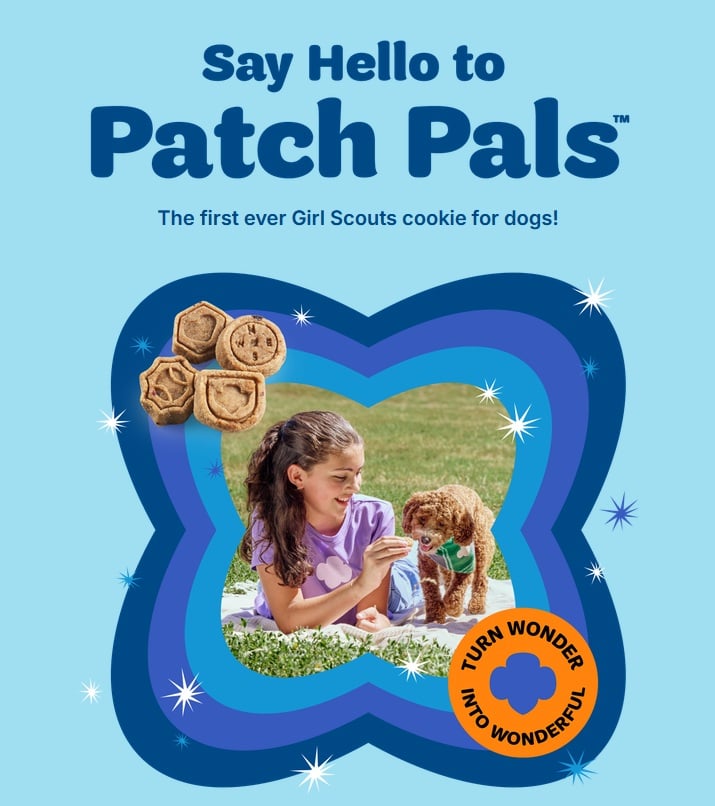
The Girl Scouts of the USA (GSUSA), an organization synonymous with community service, youth leadership, and the annual ritual of cookie sales, has recently expanded its brand into the pet industry. The launch of "Patch Pals," a line of blueberry muffin-flavored soft-baked dog cookies, was marketed as a celebration of the bond between people and their canine companions. Featuring four unique "patch" designs inspired by iconic scouting experiences, the product appeared to be a natural extension of the brand’s wholesome image.
However, beneath the cheerful branding and thematic marketing lies a controversial reality. A closer inspection of the product’s ingredient label has ignited a firestorm among pet food safety advocates and veterinarians. At the top of the ingredient list—representing the largest proportion of the cookie by pre-cooked weight—sits a substance known as "Dried Bakery Product." Critics argue that this ingredient is, in essence, repurposed industrial food waste, raising significant questions about transparency, corporate responsibility, and the standards applied to pet nutrition.
The Anatomy of the Controversy: What is "Dried Bakery Product"?
To understand the outcry, one must look at the regulatory definition of "Dried Bakery Product." According to the Association of American Feed Control Officials (AAFCO), the industry standard for such ingredients is: “A mixture of bread, cookies, cake, crackers, flours, and doughs which have been mechanically separated from non-edible material, artificially dried and ground.”
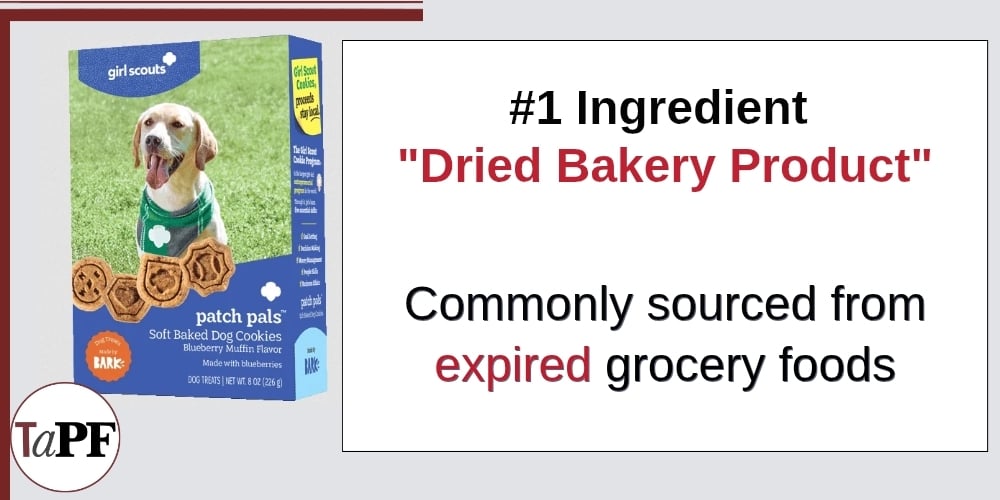
While the term sounds innocuous to the average consumer, the "non-edible material" mentioned in the legal definition refers to the original product packaging. The process involves massive industrial machinery designed to strip plastic, cardboard, and foil from out-of-date or rejected grocery items. Once "depackaged," these remnants—which may include items that have been sitting in warehouses for weeks or months—are ground down into a shelf-stable powder to be used as a filler in animal feed.
The Problem with "Recycled" Ingredients
The primary concern regarding Dried Bakery Product is its lack of quality control. The legal definition does not explicitly prohibit the inclusion of mold-covered raw materials, nor does it guarantee the total removal of synthetic micro-plastics or chemical additives that may have leached into the food from its original packaging. Unlike human-grade ingredients that undergo rigorous inspection, this substance is typically categorized for livestock, where standards for "purity" are significantly lower than those for companion animals.
In the context of the pet food industry, Dried Bakery Product is rarely utilized by high-quality manufacturers. Its presence in a premium-branded product marketed by an organization as reputable as the Girl Scouts is viewed by experts as a "cost-cutting measure" that prioritizes profit margins over the long-term health of dogs.
A Chronology of the Product Launch
The path to the release of Patch Pals reflects a growing trend of "brand extension" in the pet treat market.
- September 2026: The Girl Scouts of the USA officially announce a partnership to launch a new line of dog treats. The press release emphasizes the "wholesome" nature of the cookies and their thematic connection to scouting badges.
- Late September 2026: Initial marketing materials are distributed to local troops and retail partners. The social media campaign highlights the "blueberry muffin" flavor and the cute, patch-themed shapes.
- October 2026: Pet food consumer advocates, led by organizations such as TruthaboutPetFood.com, perform a deep dive into the nutritional disclosure of the product. The discovery of "Dried Bakery Product" as the primary ingredient is made public.
- Late 2026–Present: A growing movement of concerned pet owners begins contacting GSUSA leadership, demanding an explanation for the choice of ingredients and questioning whether the organization’s vetting process for corporate partners is sufficient.
Supporting Data: Industrial Processing and Risks
To visualize the production of these treats, one need only look at the technology used to process Dried Bakery Product. Industry videos from companies that manufacture "depackaging" equipment show massive, industrial-grade augers and separators tearing through bulk containers of expired grocery store inventory.
These machines are designed to maximize throughput, not to ensure nutritional integrity. Because the source material is essentially a chaotic mix of discarded processed foods, the nutrient profile is highly variable. One batch of "Dried Bakery Product" may be heavy on refined sugars from old cakes, while another may contain excessive sodium from crackers or chemical preservatives from long-expired dough.

Veterinary Perspectives
Veterinarians have long warned that dogs, unlike humans, are often more sensitive to the quality of fillers in their diet. When the first ingredient in a treat is a "catch-all" byproduct, it suggests that the product is formulated for texture and cost, rather than bio-available nutrition. For dogs with underlying health issues—such as diabetes, obesity, or food sensitivities—the introduction of a high-glycemic, processed-waste product can be more than just "low quality"; it can be a health risk.
The Silence from Headquarters: Official Responses
As of the date of this report, the Girl Scouts of the USA have not released a formal statement addressing the specific concerns regarding the use of Dried Bakery Product. Advocates have reached out to the organization’s leadership, requesting transparency on how the ingredient list was vetted and whether the organization intends to reformulate the product to meet higher standards of pet food safety.
The lack of response has left many, including long-time supporters and donors, feeling disillusioned. For an organization that prides itself on teaching young women about integrity and civic duty, the reliance on what is essentially "industrial waste" in a product marketed to families feels like a profound departure from the values they represent.

Implications: The Ethics of Branding
The Patch Pals controversy highlights a systemic issue within the pet industry: the "halo effect." When a trusted organization enters the pet market, consumers assume the product has been held to a higher standard of scrutiny. They trust the brand, and therefore, they trust the ingredients.
The "Trust" Factor
The danger of this trust is that it discourages consumers from reading the fine print. Most shoppers see the Girl Scout logo and assume the product is "safe" or "healthy" without checking the ingredient list. When corporations or non-profits leverage their brand to sell low-quality, feed-grade products, they exploit the goodwill of their constituents.
What Should Consumers Do?
- Read Beyond the Front Label: Ignore the cute packaging and the "blueberry muffin" marketing. Flip the bag over and read the ingredient list from start to finish.
- Question the Sourcing: If a product lists generic ingredients like "Dried Bakery Product," "Animal Fat," or "Meat Meal," consider that a red flag.
- Support Transparency: Consumers should demand that companies disclose not just what is in the food, but the source and quality grade of those ingredients.
- Use Trusted Resources: Organizations like the Association for Truth in Pet Food and other advocacy groups provide lists of manufacturers who adhere to higher, human-grade standards.
Conclusion: A Call for Accountability
The launch of Patch Pals should have been a heartwarming success story—a way for families to share their love of scouting with their pets. Instead, it has become a case study in corporate negligence.
The Girl Scouts of the USA are now at a crossroads. They can continue to defend a product that relies on cheap, recycled grocery waste, or they can take the path of leadership. True leadership would involve acknowledging that their current formulation does not meet the standards their supporters expect and deserve. It would involve a recall or a total reformulation using high-quality, recognizable, and safe ingredients.
For the millions of pet owners who support the Girl Scouts, the message is clear: the brand is only as strong as its integrity. Until the organization addresses the inclusion of Dried Bakery Product, the "Patch Pals" label will remain a stain on an otherwise storied reputation. Consumers have a right to know what they are feeding their animals, and they deserve a response that prioritizes the health of our pets over the convenience of industrial waste.
For more information on safe pet nutrition and to see a list of transparent, high-quality pet food manufacturers, please visit TruthaboutPetFood.com.