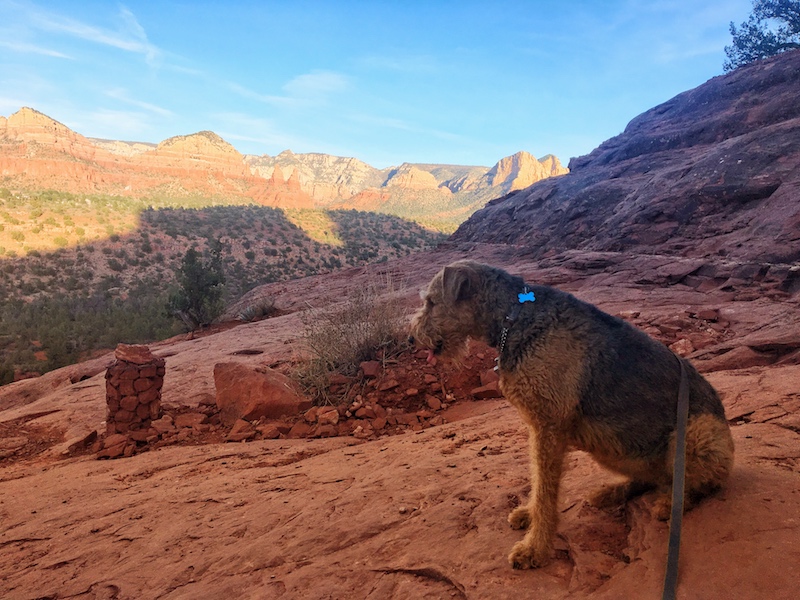
NATIONAL REPORT — The tranquil expanse of the American desert offers an unmatched hiking experience. From the sweeping red rock formations of Sedona to the towering dunes of Colorado, the vast horizons and profound silence draw millions of outdoor enthusiasts every year. Yet, beneath the serene surface lies a harsh and unforgiving ecosystem. For hikers accompanied by canine companions, the stakes are exponentially higher.
While experienced human hikers know to pack ample fluids and sun protection, exploring arid landscapes with a dog requires a specialized playbook. Without proper preparation, the desert’s extreme temperatures, abrasive terrain, and hidden wildlife hazards can quickly turn a peaceful outing into a veterinary emergency.
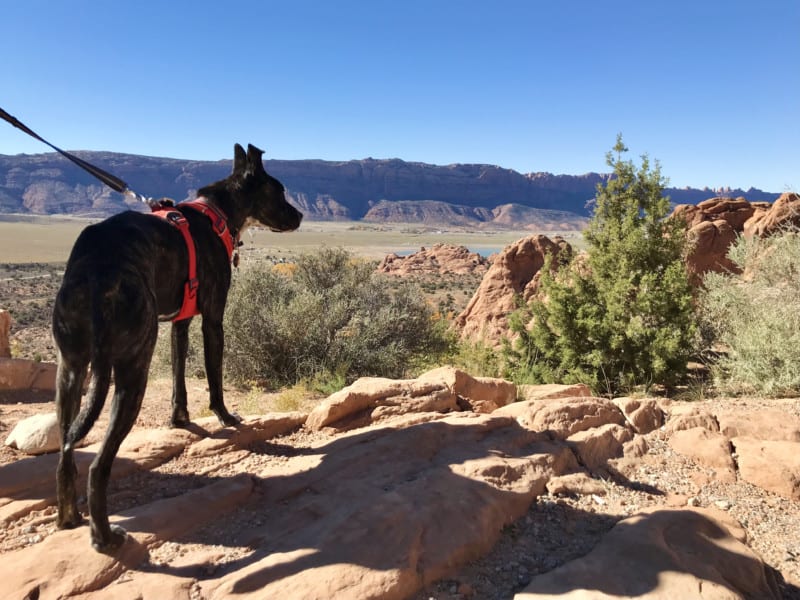
Drawing from extensive field-tested experience in unforgiving terrain, pet safety experts have compiled the ultimate guide to equipping, protecting, and navigating the desert alongside your four-legged best friend.
The Chronology of Adaptation: From Midwest Meadows to Arid Trails
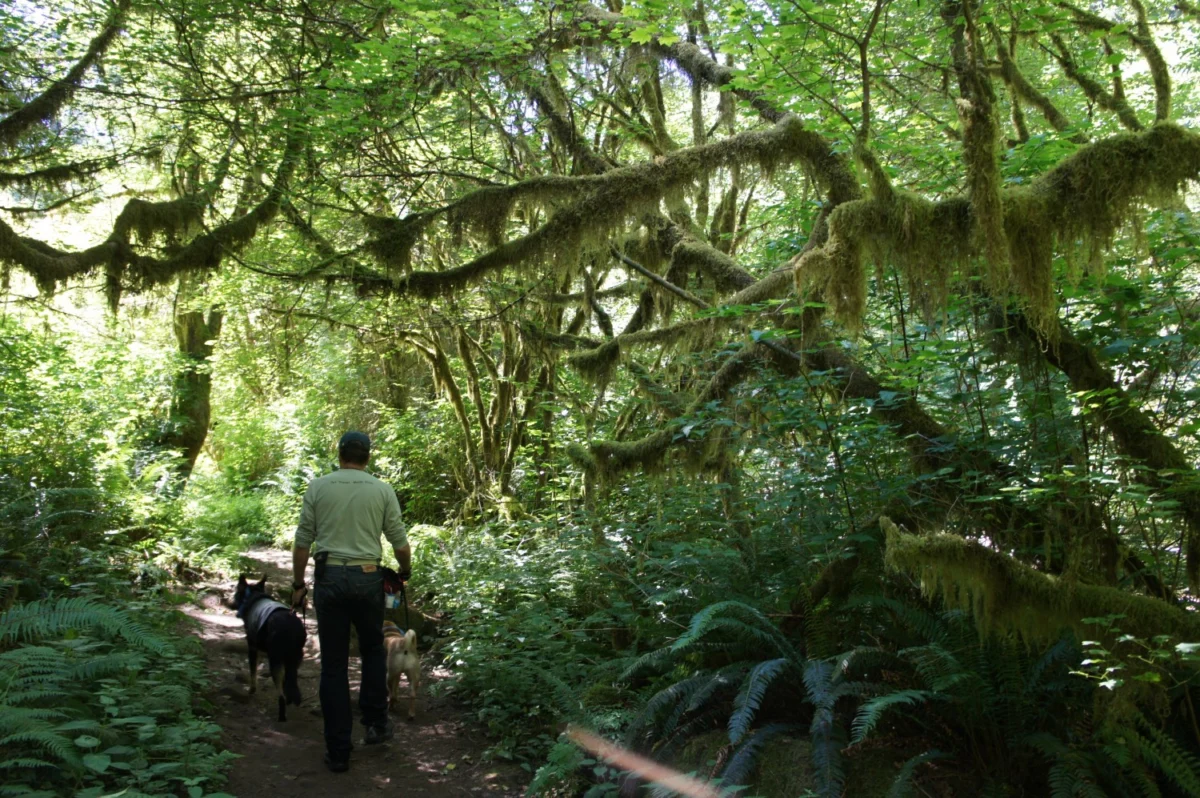
For many pet owners, transitioning from lush, temperate environments to the arid American Southwest introduces a steep learning curve. When avid hikers first pivot from shaded woodland tracks to sun-baked desert trails, standard gear often falls short.
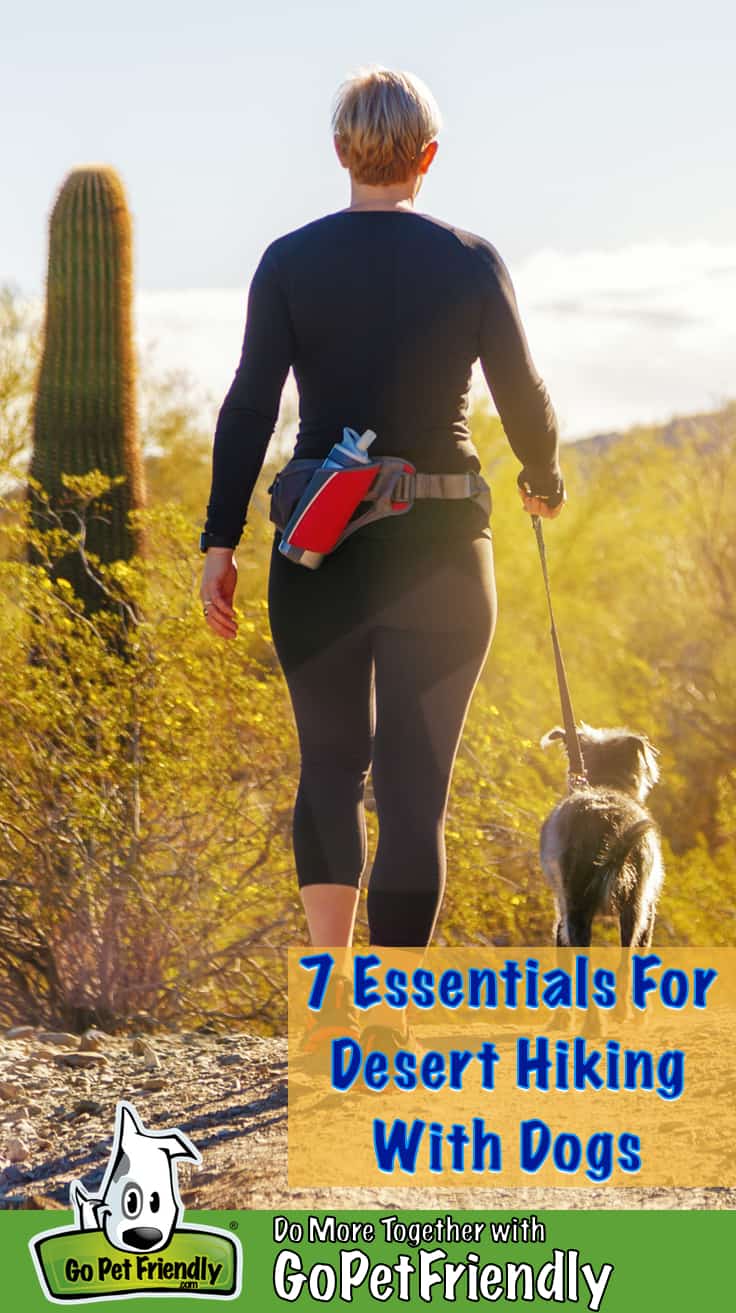
Phase 1: Pre-Trip Planning and Gear Procurement
Before setting foot on a trailhead, the realization sets in that natural water sources cannot be trusted. In the desert, a stream flowing merrily on an elevation map last week may be completely bone-dry today. Consequently, owners must calculate total hydration needs for both themselves and their pets before leaving the vehicle.
Phase 2: On-Trail Acclimation
Once on the trail, dogs must adjust to unfamiliar, high-stress surfaces. Canine body temperature regulation relies heavily on sweat glands located in their paw pads, meaning prolonged contact with superheated sand or rock can lead to rapid overheating and severe burns. Establishing a reliable rhythm of rest stops, hydration breaks, and equipment checks becomes critical within the first mile of any desert trek.

Phase 3: Post-Hike Inspection and Recovery
The journey does not end when you return to the trailhead. Desert flora—ranging from microscopic cactus spines and jagged rock shards to aggressive sand burrs—frequently hitches a ride in a dog’s fur or paws. Post-hike extraction of thorns, evaluation for insect stings, and monitoring for signs of heat exhaustion mark the final, essential phase of a safe desert excursion.
Supporting Data: The Hidden Realities of Desert Excursions
Statistics from national parks and wilderness rescue organizations highlight a steady increase in pet-related trail incidents during peak tourism seasons. Heat-related illnesses, paw pad lacerations, and venomous wildlife encounters remain the leading causes of emergency veterinary visits for traveling pets.
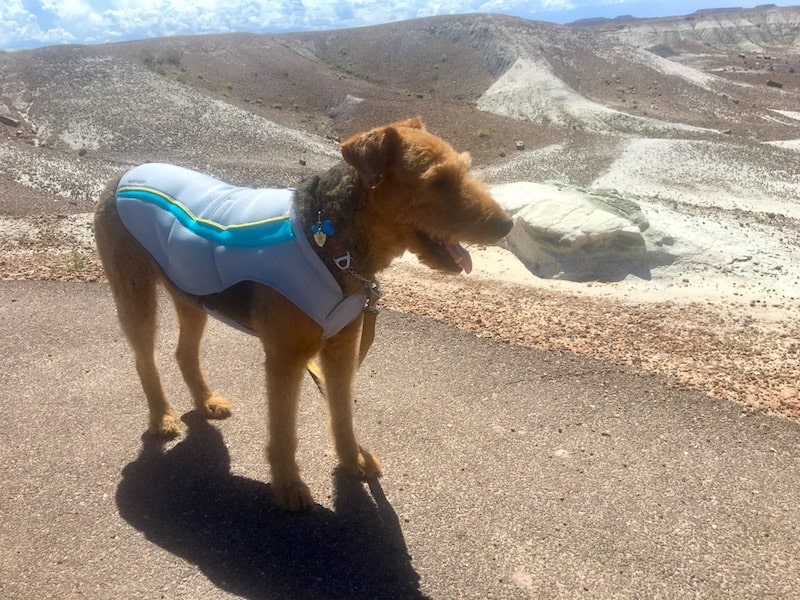
- Hydration Deficit: A medium-sized dog hiking in temperatures exceeding 85°F can require double its normal water intake. Relying on natural water sources is a critical risk factor, as stagnant desert pools often harbor dangerous bacteria, parasites, and blue-green algae.
- Surface Temperature Discrepancies: When ambient air temperatures reach 85°F, asphalt and exposed desert sand can surge up to 135°F—hot enough to cause severe thermal damage to unprotected canine paw pads within seconds.
- Wildlife Encounters: Encounters with Western diamondback rattlesnakes and aggressive stinging insects account for a significant percentage of canine emergency claims in arid regions, making proactive preventive measures indispensable.
Essential Gear and Safety Protocols for Desert Canines
To mitigate these risks, outdoor experts recommend a specific checklist of items that should find their way into every desert day-pack.
1. Advanced Hydration Systems
Water is the undisputed priority in arid climates. While many dogs naturally attempt to supplement their water supply from natural sources, desert environments render these sources unreliable.
- Carrying the Load: Owners can either carry extra water in their own packs or invest in specialized canine hydration backpacks, allowing dogs to comfortably carry their own supplies.
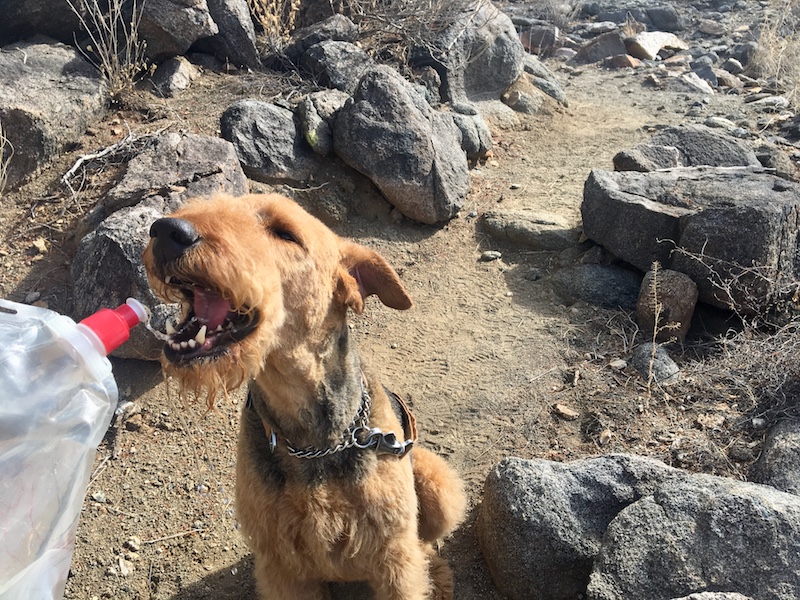
- Streamlined Drinking: Traditional collapsible bowls can result in wasted water. Utilizing a collapsible bottle equipped with a pop-top allows hikers to create a controlled "drinking fountain" effect, squirting small amounts directly into the dog’s mouth. Dogs may sputter initially, but practicing this technique beforehand ensures seamless on-the-trail hydration without unnecessary waste.
2. Emergency Paw Protection (Dog Boots)
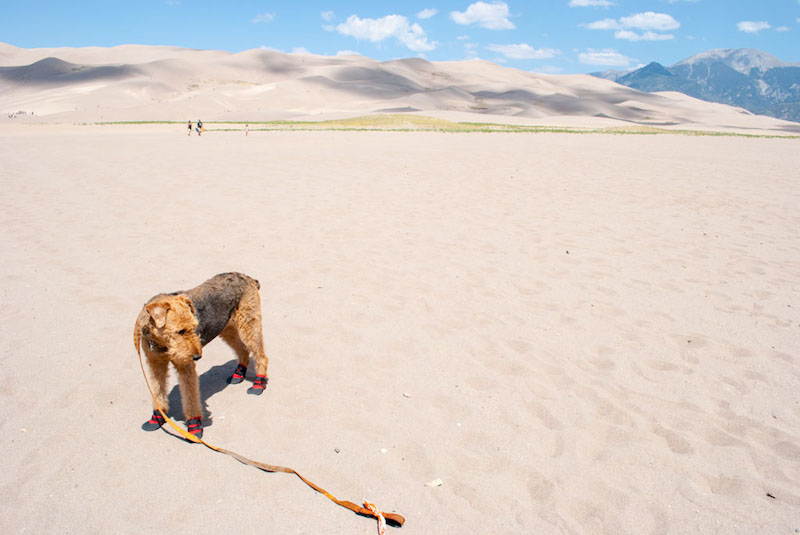
While continuous boot-wearing can trap heat and interfere with a dog’s natural cooling mechanisms, dog boots are an absolute non-negotiable emergency essential in the desert.
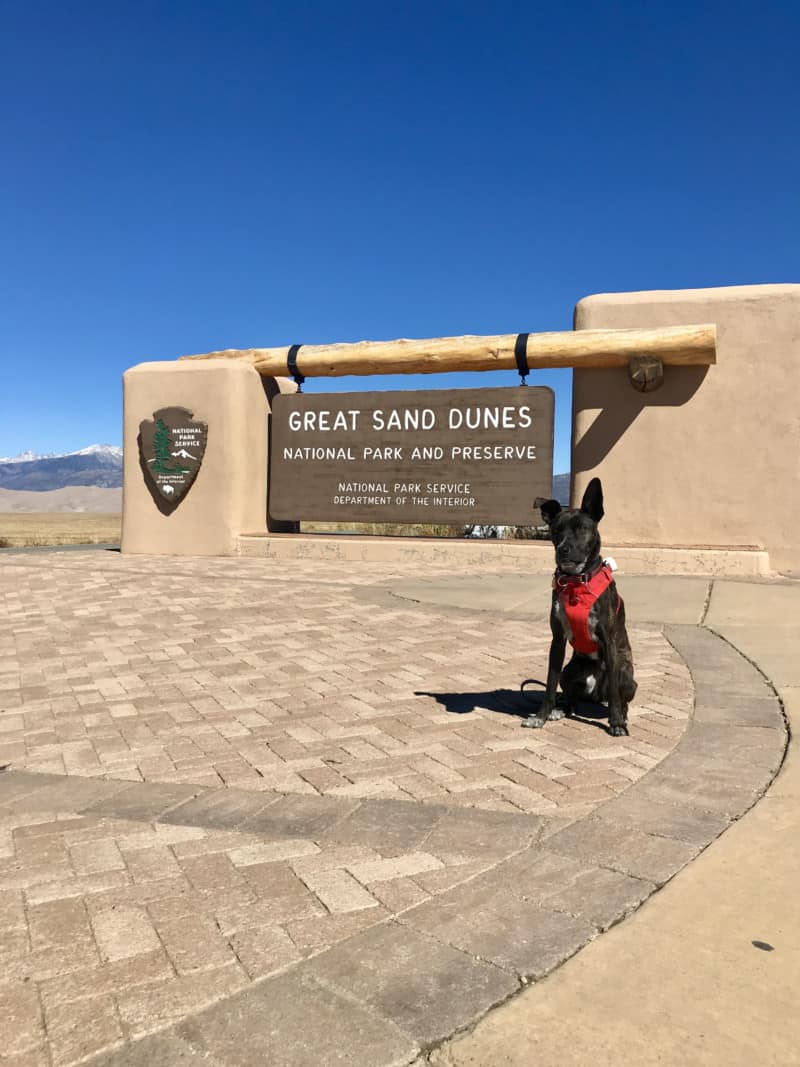
- Terrain Adaptation: When crossing vast stretches of hot sand—such as the shifting dunes at Great Sand Dunes National Park—boots protect delicate pads from scorching thermal burns.
- Injury Backup: Boots also serve as vital emergency gear if a paw pad is lacerated by sharp rock shards or volcanic glass, allowing the dog to safely walk back to the trailhead. Models featuring dual hook-and-loop (Velcro) straps offer superior retention, preventing boots from slipping off in loose sand.
3. Trail Sit-Pads
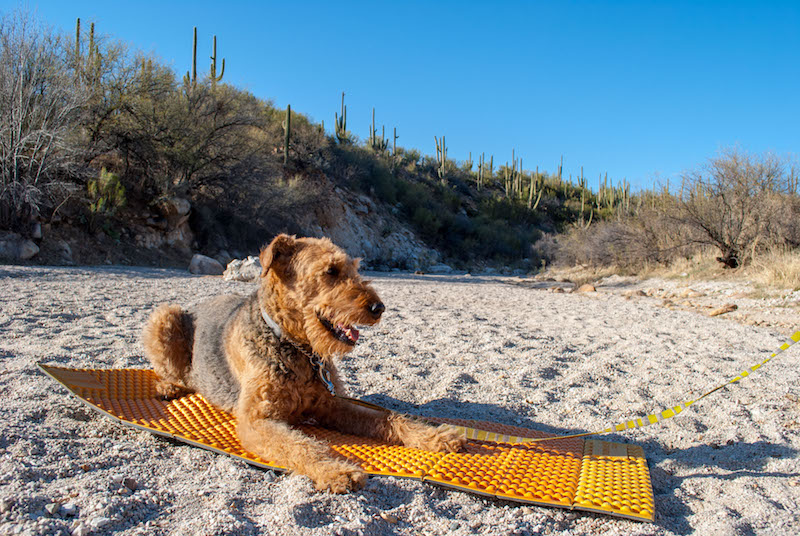
Human hikers often rely on lightweight foam pads for comfortable rest breaks. Extending this luxury to your dog transforms a grueling march into a manageable adventure. The desert floor is frequently littered with sharp rock shards, prickly brush, and aggressive cactus needles. Providing a small, insulated sit-pad for your dog during lunch breaks prevents unnecessary punctures and offers a comfortable barrier against freezing night ground or scorching daytime earth.
4. Fine-Tooth Combs and Precision Tweezers
Desert flora is engineered for defense. Cholla cactus segments, goathead thorns, and sand burrs attach instantly to passing fur.
- The Comb Advantage: A simple fine-tooth comb allows hikers to quickly flick dangerous stickers and burrs out of a dog’s undercoat and paws without embedding them into human fingers.
- Tweezers for Details: For microscopic cactus spines, splinters, or bee stingers embedded too deeply for a comb, a standard pair of precision tweezers is a lifesaver. Furthermore, hikers must exercise caution: spines clinging to a dog’s fur or leash can easily transfer to human skin if handled carelessly.
5. Pet-Safe First-Aid Tape and Benadryl
Standard human first-aid kits require specific adaptations for canine companions.
- Self-Adhesive Tape: Traditional athletic tape adheres stubbornly to fur, causing unnecessary pain during removal. Specialized pet first-aid tape is self-adhesive, sticking exclusively to itself. Because it is stretchy, hikers must apply it loosely to avoid restricting blood circulation, treating it strictly as a temporary stabilization measure before seeking professional veterinary care.
- Managing Allergic Reactions: Inquisitive dogs frequently chase or snap at flying insects. Antihistamines like Benadryl can stabilize unexpected allergic reactions to bee stings. Owners must consult their veterinarian prior to travel to confirm proper, weight-adjusted dosages, as canine requirements differ significantly from human metrics. Keeping written dosage instructions directly inside the first-aid kit ensures quick, accurate response times in an emergency.
Official Recommendations and Veterinary Insights
Veterinarians and wildlife management officials emphasize that proactive prevention remains the cornerstone of safe wilderness exploration.
Rattlesnake Vaccination and Avoidance
For those planning extended stays on desert trails—particularly owners who allow their dogs off-leash—veterinary medical associations recommend evaluating the rattlesnake vaccine for dogs. While the vaccine does not render a dog immune to venom, it introduces critical antibodies that significantly slow the spread of venom, buying precious time for owners to transport the injured animal to a trauma-equipped veterinary hospital.
"The desert demands profound respect," notes wilderness safety advocate and seasoned trail partner coordinator. "If you fail to plan for the worst-case scenario, the landscape will quickly remind you of its power. Equipping your dog with the right gear isn’t just about comfort; it’s about survival."
Broader Implications for Pet-Inclusive Outdoor Recreation
As national parks and protected wilderness areas experience record-breaking visitation, the intersection of pet ownership and conservation policy continues to evolve. Balancing the desires of outdoor enthusiasts who wish to share nature with their dogs against the ecological realities of fragile desert ecosystems requires heightened public education.
Land managers stress that unprepared hikers place an unnecessary burden on search-and-rescue teams and emergency veterinary clinics, which are often hours away from remote trailheads. By normalizing comprehensive canine gear protocols—such as carrying dedicated water, emergency footwear, and specialized extraction tools—the outdoor community can foster a safer, more sustainable culture of pet-inclusive recreation.
Ultimately, exploring the desert with a canine companion offers a uniquely rewarding bond. By treating the environment with the gravity it demands and preparing meticulously for every contingency, hikers can ensure that their journeys into the wilderness end happily back at the trailhead, with memories of majestic landscapes rather than emergency room visits.