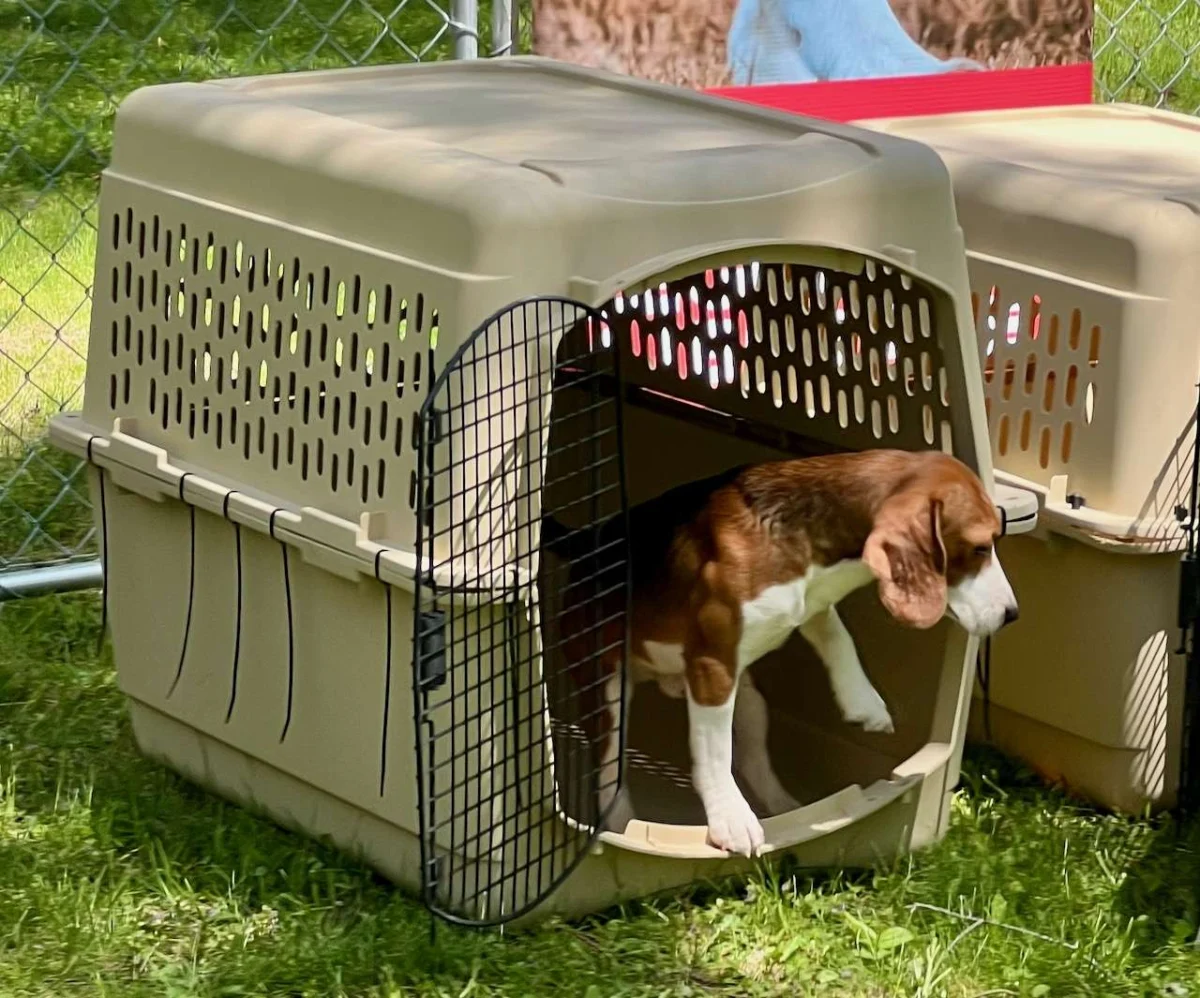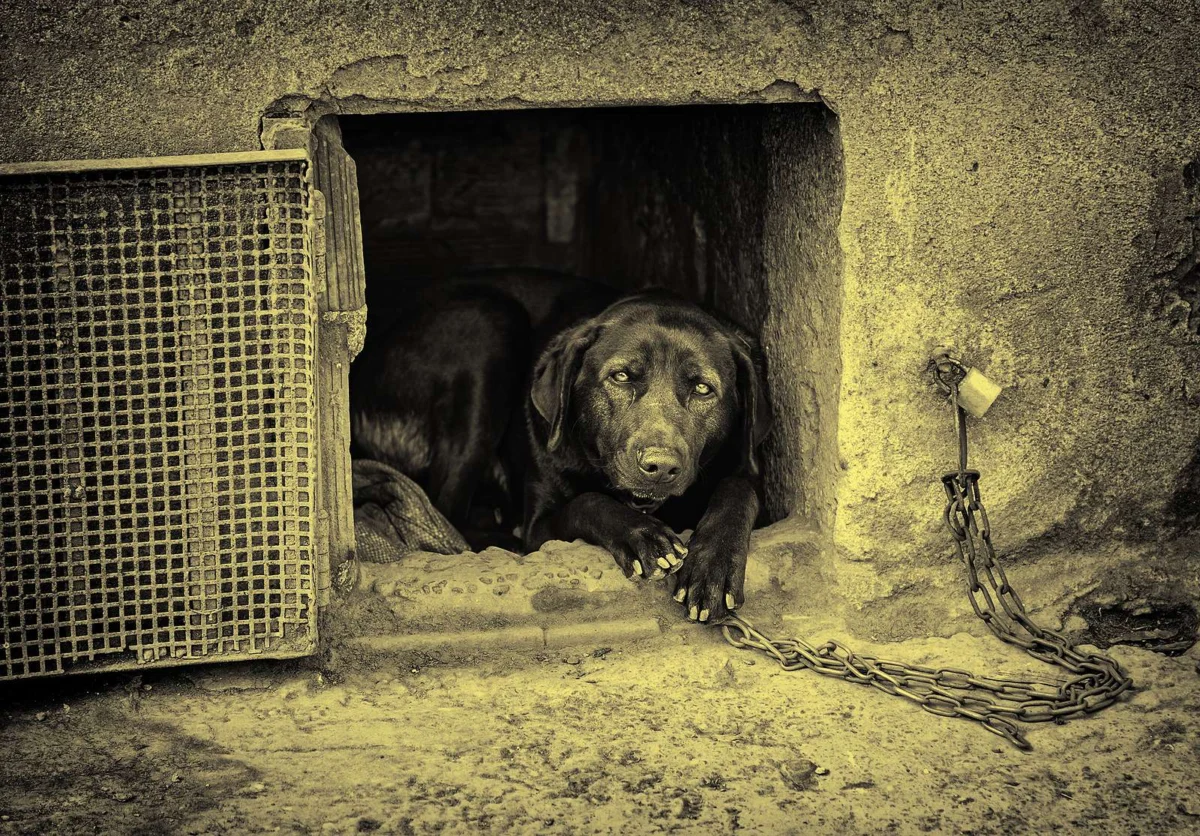
For over a decade, the Ridglan Farms facility in Wisconsin stood as a symbol of the dark intersection between industrial animal breeding and scientific research. Recently, however, that facility became the epicenter of a massive, coordinated effort to rescue 1,500 beagles—a victory that has sparked a nationwide conversation about the neurobiology of trauma and the remarkable capacity of dogs to heal.
The Ridglan Crisis: A Decade of Allegations
For years, whistleblowers, former employees, and animal welfare advocates raised alarms regarding the substandard, often horrific conditions at Ridglan Farms. The facility, a multi-million-dollar enterprise, specialized in breeding beagles specifically for laboratory research.
The allegations were harrowing: dogs were confined to tiny wire crates, their feet never touching solid ground, denied basic enrichment, and subjected to procedures—including eye surgeries—without anesthesia or sterile environments. These conditions were not merely anecdotal; they were documented in heart-wrenching footage of dogs spinning mindlessly in confined spaces, a stereotypical behavior associated with severe psychological distress and sensory deprivation.

A Breakthrough in Justice
The turning point came through the relentless advocacy of organizations like Dane4Dogs. Rebekah Robinson, the driving force behind the organization, spent ten years documenting abuse and lobbying for legal intervention. Her efforts ultimately led to the appointment of a special prosecutor who reviewed evidence of 311 counts of animal cruelty.
Faced with the threat of prosecution, Ridglan Farms entered a settlement agreement to surrender their seller’s license by July 1, 2026. This legal milestone paved the way for what would become one of the largest mass-liberations of laboratory dogs in recent history.
The Neurobiology of Trauma
The central question facing the animal welfare community is whether a dog raised in such a "canine hell" can ever lead a "normal" life. According to Dr. Patricia McConnell, a certified applied animal behaviorist, the answer lies in the intersection of neurobiology and genetics.

"Brains are like software programs designed to be customized once they’ve been taken home," Dr. McConnell explains. During early development, a puppy’s brain requires exposure to diverse sights, sounds, and interactions to build resilient neural pathways—specifically within the amygdala, which regulates fear and aggression. Dogs raised in the sterile, impoverished environments of a laboratory breeding facility lack these formative experiences, leaving them neurologically unequipped to handle the stressors of a normal household.
However, genetics provide a sliver of hope. Beagles were historically selected for research due to their docile, stable temperaments. This inherent genetic resilience is a critical factor in their ability to adapt once they are finally removed from the traumatic environment.
The Roadmap to Recovery: How to Heal a Traumatized Dog
Rescuing these dogs is only the first step. The process of rehabilitation, as observed by the ASPCA’s Behavioral Rehabilitation Center, requires a structured, empathetic approach. The following pillars have been identified as essential for the recovery of laboratory-raised dogs:

1. Time and Patience
Many of these dogs arrive in a state of profound "shutdown." They are often overwhelmed by sensory input—the sound of a television, the feel of carpet, or the vastness of a backyard. Experts recommend a "decompression" period, typically lasting at least three days, in a quiet, secluded environment before expecting the dog to engage with their new surroundings.
2. The Role of the "Mentor" Dog
One of the most significant findings in canine behavioral science is the transformative power of a resident dog. When an abused dog is introduced to a home with a confident, well-adjusted canine companion, they have a teacher. By observing a mentor navigate doors, stairs, and human interactions, the traumatized dog learns that these things are not inherently dangerous.
3. Creating a Safe Haven
A "safe house"—often a crate covered with a blanket or a quiet corner—is essential. It provides the dog with a sense of agency, allowing them to retreat when they feel overwhelmed. Positive reinforcement is the only effective tool here; verbal corrections for accidents or fear-based behaviors only serve to reinforce the dog’s trauma.

4. Consistent Routine
Traumatized individuals, both human and canine, often struggle with the unpredictability of their environment. By establishing a rigid, predictable daily routine—feeding times, walks, and rest periods—owners provide a sense of stability that allows the dog’s nervous system to shift from a state of hyper-vigilance to one of rest.
Chronology of the Liberation
The scale of the operation required a massive logistical effort, involving multiple national organizations:
- The Triage: The Dane County Humane Society (DCHS) took on the initial, critical task of triaging 500 of the 1,500 beagles.
- National Distribution: 200 dogs were placed with the Beagle Freedom Project, 150 with the Wisconsin Humane Society, and 1,000 were transitioned to the Big Dog Ranch Rescue in Florida and its network of partners across the U.S.
- The Legal Landscape: Throughout March and April 2026, activist Wayne Hsiung and the "Simple Heart" group facilitated open rescues, bringing the plight of the dogs into the national spotlight and accelerating the pressure on the facility to close.
Official Responses and Ethical Implications
The Ridglan case has reignited a fierce debate over the use of animals in laboratory research. While the facility operated under the guidelines of the Animal Welfare Act, critics argue that the act is woefully inadequate, failing to address the fundamental psychological needs of social animals.

"When you know better, you do better," is the sentiment shared by many advocates who view this liberation as a moral imperative. The incident has prompted calls for a national legislative overhaul. There is a growing consensus that current standards—which allowed these dogs to be kept in tiny, wire-bottomed cages for years—are not just unethical, but scientifically questionable, as the high levels of stress experienced by these animals can skew research results.
Looking Forward: A Call for Reform
While the liberation of the 1,500 beagles is a cause for celebration, the work is far from over. There are still approximately 190 dogs remaining at the facility, currently part of ongoing research projects, whose fate remains uncertain.
Moreover, the success stories emerging from the families who have adopted these beagles provide a powerful testament to the resilience of the species. Many of these dogs, once huddled in the back of their crates, are now learning how to play, how to trust, and how to enjoy the simple pleasures of a walk in the woods.

As Dr. McConnell and other experts emphasize, the goal is not to "fix" the dog, but to provide an environment where they can discover their own capacity for joy. The story of the Ridglan beagles is one of systemic failure, but more importantly, it is a story of human and canine connection. It serves as a stark reminder that while we cannot change the past for these dogs, we can, through patience and systemic reform, ensure that the future is defined by freedom rather than confinement.
For those looking to assist, the organizations involved—including Dane4Dogs, the Dane County Humane Society, and the Beagle Freedom Project—continue to rely on public support to manage the long-term medical and behavioral needs of these survivors. The path to justice is long, but as the 1,500 beagles finding their footing in new homes prove, it is a path worth walking.